
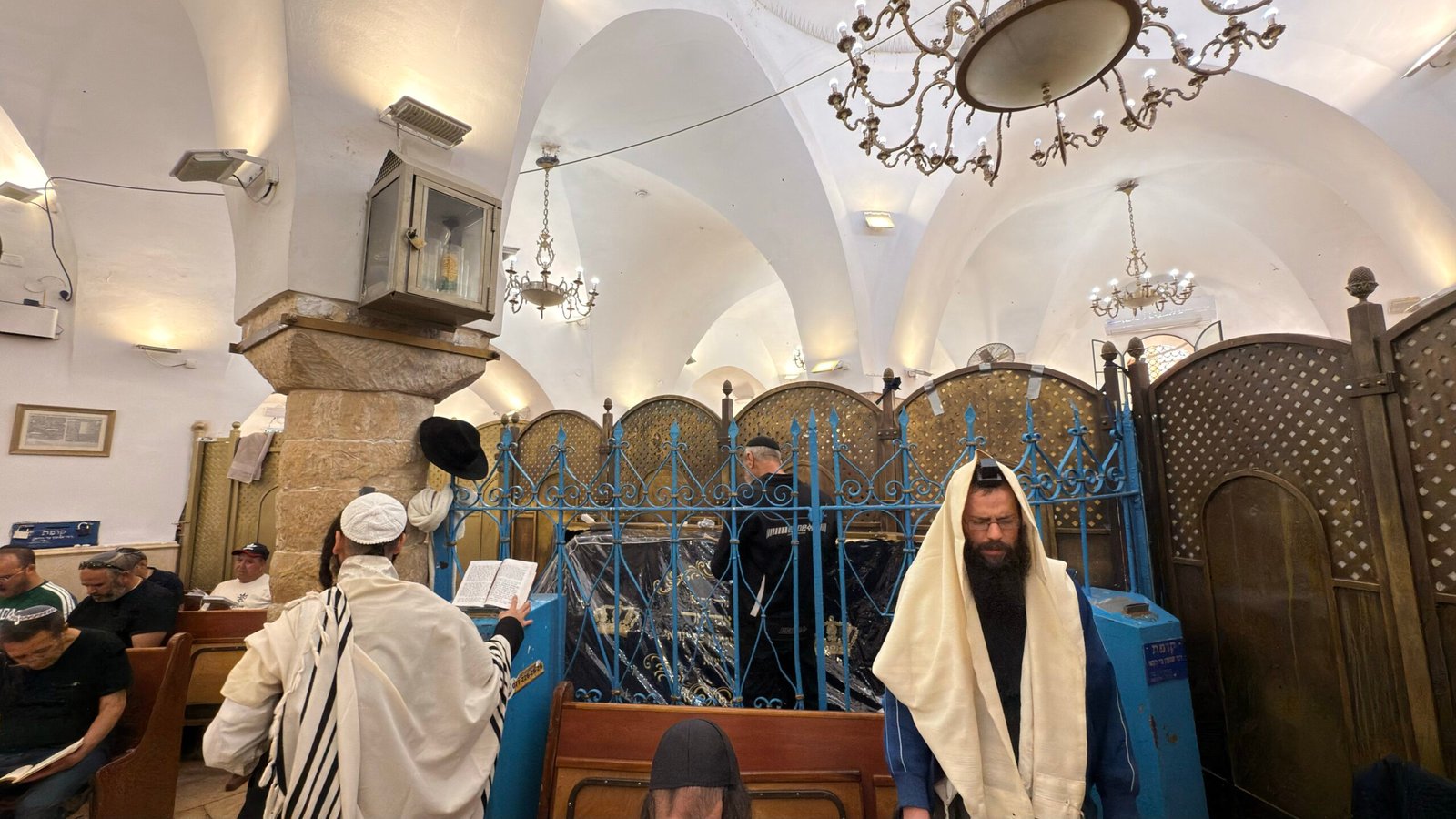
**The Importance of Meditating on the Torah: Insights from Rabbi Yosi**
The phrase “but you shall meditate therein day and night,” as derived from Yehoshua 1:8, encapsulates the profound commitment that Jewish tradition mandates regarding the constant study and engagement with the Torah. Rabbi Yosi, a prominent figure in Jewish scholarship, emphasizes that the act of meditating on the Torah is not merely an intellectual pursuit but a spiritual necessity that connects the individual to the divine essence of life. This essay will explore the multifaceted significance of Rabbi Yosi’s teachings, particularly regarding the acceptance of the yoke of the kingdom of heaven, the transformative power of the Torah, and the unique spiritual opportunities presented during the night.
To understand the depth of Rabbi Yosi’s insights, one must first recognize the symbolic nature of nighttime within Jewish thought. As Rabbi Yosi articulates, night is a time when all individuals metaphorically taste death, a period when the soul detaches from the physical body. This moment of vulnerability and introspection encourages individuals to reflect on their lives and their relationship with the Almighty. By accepting the yoke of the kingdom of heaven before going to sleep, Jews acknowledge their dependence on divine mercy and protection. This ritual act is not merely a formality; it is a heartfelt recognition of human fragility and the need for spiritual guidance during the hours of darkness.
Rabbi Yosi begins his discourse with poignant examples from the Torah, citing Devarim 3:23-24, where Moshe beseeches Hashem for understanding and clarity. This supplication reflects the human desire for divine connection and guidance, especially during times of uncertainty. Similarly, in Yeshayah 38:2, King Hezekiah turns to Hashem in prayer, demonstrating that even the greatest leaders must seek divine favor and intervention. In these examples, Rabbi Yosi illustrates the inherent power of prayer and the Torah as a means of establishing a connection with the divine. By engaging with these texts, individuals can draw strength and wisdom, fortifying their spirits against the fears and challenges that life may present.
The Torah’s role as a ‘Tree of Life’ is central to Rabbi Yosi’s teachings. He posits that those who immerse themselves in the study of Torah become fortified against the fears that plague humanity, be they the fear of higher powers, lower beings, or the uncertainty of life itself. This metaphorical Tree of Life represents nourishment for the soul, sustaining individuals through the trials and tribulations of existence. The Torah, in all its complexity, serves as a guide for ethical living, providing individuals with the tools necessary to navigate the moral landscape of life. Rabbi Yosi emphasizes that this engagement is essential; to detach from the Torah is akin to severing the connection to life itself.
Moreover, Rabbi Yosi draws attention to the Torah’s capacity to provide counsel for repentance. The teachings contained within its pages offer a pathway for individuals to confront their shortcomings and seek forgiveness from their Creator. This principle is particularly significant in Jewish thought, which places great emphasis on the potential for change and growth. Even when faced with dire circumstances, such as a death sentence, Rabbi Yosi assures us that the power of the Torah can effectuate a reversal of fate. This transformative potential underscores the necessity of constant engagement with the Torah, as it cultivates a mindset of hope, redemption, and spiritual resilience.
As individuals transition into the night, Rabbi Yosi’s advice to wholeheartedly accept the yoke of the kingdom of heaven becomes particularly poignant. This act of submission serves as a reminder of the divine oversight that governs the universe. The imagery of the ‘tree of death’ that looms over the world highlights the reality of mortality and the importance of spiritual preparedness. The night, a time when the soul is believed to ascend and return to its celestial source, becomes a sacred opportunity for reflection and connection. By entrusting one’s Nefesh (soul) to Hashem during this vulnerable time, individuals acknowledge their inherent need for divine protection and guidance as they navigate the uncertainties of life.
Rabbi Yosi further emphasizes the obligation to study the Torah at night, portraying it as an essential practice for spiritual elevation. The sacred hour of midnight, when the north wind awakens, is depicted as a time when the Divine Presence is particularly accessible. Rabbi Yosi shares that during this time, the Holy One, blessed be He, visits the Garden of Eden to delight in the spirits of the righteous. This profound imagery suggests that the night is not merely a dark void but rather a realm filled with potential for spiritual connection and growth. During these hours, when the firmaments are opened, every word uttered in prayer and study rises to the heavens, splitting the firmaments and resonating within the celestial spheres. This notion elevates the act of nighttime study and prayer to a sacred endeavor, reinforcing the understanding that the Torah is a continuous thread that binds the earthly and the divine.
In addition to emphasizing the importance of nighttime study, Rabbi Yosi’s teachings serve as a reminder of the significance of community and shared spirituality. The collective experience of engaging with the Torah during these hours fosters a sense of unity among individuals who seek divine connection. By coming together in prayer and study, individuals can draw strength from one another’s spiritual journeys, creating a supportive environment that nurtures growth and understanding. This communal aspect of Torah study reinforces the idea that spirituality is not a solitary pursuit but rather a shared journey that flourishes in the presence of others.
In conclusion, Rabbi Yosi’s teachings on the necessity of meditating on the Torah day and night encapsulate a profound understanding of its significance in the life of a Jew. The Torah transcends the boundaries of time and space, serving as an essential lifeline that connects individuals to the divine, provides guidance for ethical living, and offers solace in times of vulnerability. The commitment to Torah study, particularly during the sacred hours of the night, underscores the understanding that life is a continuous journey of spiritual awakening and connection to the Creator. Embracing this path not only enriches the individual’s life but also serves as a testament to the enduring power of the Torah as the ultimate source of wisdom, life, and hope. Through Rabbi Yosi’s insights, we are reminded that the study of Torah is a sacred act that nourishes the soul, fortifies the spirit, and illuminates the path toward a life of purpose and meaning.
**Title: The Divine Call to Serve: An Exploration of Devotion in Jewish Prayer**
In Jewish tradition, the act of prayer transcends mere ritual; it morphs into a profound engagement with the Divine, a moment where the human spirit reaches out to the transcendent. The members of the highest chamber, those who serve Hashem, exemplify this spiritual pursuit, dedicating themselves to the praises of the Torah. Their commitment intertwines with the Congregation of Yisrael, which symbolizes the sovereignty of Malchut, the kingdom of G-d on earth. This essay aims to explore the intricate relationship between prayer, devotion, and the divine call to serve within the framework of Jewish theology, as highlighted in the teachings of the Kabbalah and the broader Judaic tradition.
The dawn of a new day in the Jewish tradition is not merely a transition from night to light; it is an invitation to spiritual awakening. As the faithful rise at the break of dawn, they join the congregation, embodying the essence of service and devotion. This ritual signifies more than just participation; it is an act of solidarity, a commitment to uphold the teachings of the Torah and to engage in communal worship. In this context, the members of the highest chamber are not isolated individuals but part of a larger tapestry woven by the collective faith of the Jewish people. They are destined to stand before the Holy King, Zeir Anpin, who represents the divine attributes of mercy and compassion, reinforcing the belief that individual actions contribute to the collective spiritual elevation of the community.
The practice of rising at midnight to study the Torah exemplifies a commitment that resonates deeply within the Jewish consciousness. This act is more than a mere obligation; it is a love letter to the Divine, a testament to the yearning for knowledge, wisdom, and understanding. The crier announcing blessings over those who serve Hashem encapsulates the importance of community in this sacred endeavor. It emphasizes that spiritual pursuits are not only personal but are also communal, highlighting the role of the community in elevating individual devotion. This collective engagement fosters a sense of unity, reinforcing the idea that the Congregation of Yisrael symbolizes the divine kingdom that exists among the people.
Preparation for prayer is vital, as it denotes a readiness to engage in a dialogue with the Divine. The emphasis on cleanliness of both body and soul speaks to the holistic nature of Jewish spirituality; one must be physically and spiritually prepared to approach the Holy King. The act of washing one’s hands and reciting blessings signifies a cleansing process, allowing the individual to enter a sacred space free from distractions and impurities. The donning of Tzitzit and Tefilin symbolizes the binding of oneself to the commandments, serving as a physical manifestation of one’s commitment to the Torah and its teachings. Through these rituals, one becomes aware of the sacred space one enters during prayer, bridging the earthly and the divine.
The synagogue serves as a microcosm of the heavenly realm, where individuals come together to cleanse themselves through recitation and song, invoking the traditions of King David. The recitation of Psalms, particularly Tehilim 145, serves as both a prayer and a meditative focus, allowing one to connect deeply with the essence of worship. This process of communal prayer fosters an environment rich with spirituality, where individual voices harmonize into a collective chorus of praise. Standing in prayer, like the supernal angels, reflects the aspiration to ascend spiritually, rising above the mundane and partaking in the celestial harmonies of divine praise. The directive to concentrate one’s will before the Master illustrates the necessity of intention in prayer, reinforcing the belief that sincere supplication can penetrate the heavens.
The act of prayer is not merely a personal endeavor; it is an intricate tapestry woven into the fabric of the community. The teachings suggest that the words uttered in prayer ascend through the firmaments, finding their place in the divine realm, adorned as a diadem upon the head of the King. This metaphor encapsulates the transformative power of prayer, emphasizing that each individual’s voice contributes to the collective symphony of worship that resonates in the heavens. The reference to Moses’ supplication serves as a model for all believers, suggesting that effective prayer is rooted in humility and a sincere yearning for connection with the Divine.
Moreover, the instruction to cover one’s eyes during prayer signifies a deeper awareness of the sanctity of the moment. The act of lowering one’s gaze serves as a reminder of the awe and reverence that accompany the act of standing before the Shechinah, the divine presence. This teaching echoes the broader Jewish understanding of the need for humility in the face of the transcendent; the notion that one must approach the Divine with a heart and mind attuned to the sacredness of the encounter. The physical act of closing one’s eyes serves to block out the distractions of the world, allowing for a more profound internal focus and a clearer connection with the Divine.
As the morning prayer culminates, the individual must deliver his soul with a willing heart to the required place, namely Malchut. This act of submission reflects a deep understanding of one’s role within the divine hierarchy, recognizing that prayer and devotion are not merely acts of personal liberation but are also acts of service to the broader community and the Divine will. The prayers, laden with intention and desire, rise and cleave through the heavens, reaching the gates of the celestial realm. Each heartfelt articulation becomes a unique offering, an ornament laid upon the crown of the Holy King, where it is transformed into a diadem. This intricate process illustrates the interconnectedness of the individual and the Divine, where personal supplications contribute to the broader tapestry of divine purpose.
In conclusion, the spiritual journey within the framework of Jewish prayer is a complex interplay of devotion, community, and divine connection. The members of the highest chamber, who serve Hashem, embody the essence of this journey, awakening to the praises of the Torah and joining the Congregation of Yisrael in a unified expression of worship. The teachings elucidate that through preparedness, intention, and humility, one can engage with the Holy King, Zeir Anpin, elevating both the individual and the community in their pursuit of spiritual fulfillment. Ultimately, the act of prayer stands as a testament to the enduring relationship between humanity and the Divine, affirming the belief that each prayer rises, adorned with sincerity, to the heights of the celestial realm. This sacred practice not only uplifts the soul but also strengthens the bonds of community, creating a harmonious symphony that resonates throughout the heavens and within the hearts of all who partake in this divine dialogue.
**The Shechinah: Understanding Divine Presence in Jewish Prayer and Theology**
The concept of the Shechinah occupies a central and profound place in Jewish theology and spirituality, representing the divine presence of G-d within the world, particularly among the Jewish people. The Shechinah is not merely an abstract theological idea; it is an integral aspect of the daily spiritual lives of believers and is especially significant during moments of prayer and communal worship. This essay delves into the multifaceted nature of the Shechinah, exploring its implications within the ritual of prayer, the physical and spiritual comportment of the worshiper, and its essential role in the broader context of Jewish identity and community.
The term “Shechinah” derives from the Hebrew root “shachan,” meaning “to dwell” or “to reside.” It conveys the idea that G-d’s presence is accessible, especially in places of worship or among the Jewish people. In the mystical tradition of Kabbalah, the Shechinah is often personified as the feminine aspect of G-d, embodying divine immanence and nurturing qualities. This perspective highlights an intimate connection between the Divine and humanity, wherein the Shechinah dwells among the people of Israel, safeguarding, guiding, and nurturing them through their spiritual journeys. This relationship is reciprocal, emphasizing the significance of reverence and respect for the Shechinah, as illustrated by the teaching that “whoever treats the Shechinah lightly is treated lightly when he needs Her.” Such a notion reinforces the importance of approaching the divine with humility and awe, especially during sacred moments of prayer.
The structure of Jewish prayer is meticulously crafted, reflecting an understanding of the sacredness of communication with G-d. The rituals surrounding prayer serve to elevate the experience from the mundane to the sublime. The physical postures prescribed during prayer—standing straight, covering one’s head, and lowering one’s eyes—are laden with symbolic meaning. They represent humility, respect, and an acknowledgment of the transcendent nature of the Divine. The admonition that those who do not lower their eyes during prayer risk an early encounter with the Angel of Death serves as a metaphorical reminder of the spiritual dangers that arise from arrogance and distraction in the presence of the Divine. Prayer is depicted as a conduit for uniting the individual with the Shechinah, offering an opportunity to transcend earthly concerns and enter into a sacred space of divine communion.
A critical aspect of the prayer experience is the prescribed sequence of praise and petition. The directive that one should first extol G-d’s attributes before presenting personal requests underscores the importance of recognizing divine sovereignty. This sequence is beautifully illustrated in the prayers of Moses, who begins with acknowledgment of G-d’s greatness before expressing his own needs. The phrase “You have begun…” signifies the initiation of a dialogue that serves to bridge the gap between the earthly and the divine realms. The differentiation between the names of G-d—Adonai (representing Malchut, the feminine aspect of kingship) and Yud Hei Vav Hei (representing Zeir Anpin, the divine emanation of the masculine aspect)—further illustrates the integration of various divine attributes within the prayer experience. This duality reflects the holistic nature of Jewish spirituality, emphasizing the interconnectedness of all elements of creation, including day and night, which are unified through prayer.
The teachings of Rabbi Yosi and Rabbi Chiya regarding Moses and the anticipated arrival of the Messiah illuminate the continuum of divine leadership and revelation throughout Jewish history. Moses, as a figure of perfection and initiation, established a covenant with G-d and prepared the way for future generations. His role as a prophet and leader of the Israelites exemplifies the notion of beginning—a foundational moment in the spiritual journey of the Jewish people. Conversely, the Messiah symbolizes the culmination of divine promise and the realization of a perfected world. The eschatological vision of the Messiah brings hope and a sense of purpose to the Jewish community, reinforcing the importance of faith, perseverance, and divine acknowledgment throughout history. The interplay between Moses and the Messiah exemplifies the ongoing narrative of divine interaction with humanity, inviting individuals to reflect on their own roles within this grand tapestry.
Moreover, the prayer experience serves as a transformative act that unifies the individual with the Shechinah and fosters a sense of belonging within the broader community of Israel. The Shechinah’s presence during prayer is not merely a theological concept but a lived experience that guides moral and ethical conduct. As individuals engage in prayer, they embody a microcosm of the divine relationship, drawing upon the eternal teachings found within the Torah, Midrash, and Talmud. This engagement invites individuals to reflect on their actions, intentions, and connection to both the Divine and the community at large.
In addition to its theological implications, the Shechinah plays a vital role in shaping Jewish identity and communal life. The recognition of the Shechinah as a dwelling presence among the people fosters a sense of responsibility and accountability to uphold the values of justice, compassion, and community. The communal aspects of prayer, such as the recitation of the Amidah or the Kaddish, emphasize the collective nature of worship and the shared commitment to honoring the divine presence. The Shechinah becomes a source of strength, inspiration, and resilience for the community, particularly in times of hardship and challenge.
In conclusion, the Shechinah represents more than just a theological concept; it embodies the essence of divine presence within the Jewish tradition. The rituals and structures surrounding prayer are imbued with profound significance, emphasizing respect, reverence, and the interconnectedness of all creation. As individuals approach prayer, they are invited to enter into a sacred dialogue with the Shechinah, unifying their intentions with the broader tapestry of Jewish spirituality and history. Through this engagement, they acknowledge the divine presence in their lives, fostering a deeper connection with G-d and a greater understanding of their role within the community and the world. The teachings surrounding the Shechinah serve as a timeless reminder of the sacred relationship between humanity and the Divine, guiding both personal and communal expressions of faith. Ultimately, the Shechinah calls upon all individuals to recognize and honor the divine presence in every aspect of their lives, encouraging them to live with intention, compassion, and a commitment to the values of their faith.
**The Significance of Moses as a Beginning in the World: An Exegesis of Devarim 3:23-26**
The Torah, revered by Jews as the literal word of G-d and the embodiment of divine wisdom and law, serves as a profound narrative framework that offers spiritual, moral, and ethical guidance. Among its many teachings, the relationship between Moses and the divine, particularly highlighted in Devarim (Deuteronomy) 3:23-26, reveals deep insights into leadership, divine favor, the unfolding of spiritual perfection, and the essence of the Jewish identity. This essay delves into the scriptural passage that frames Moses as a ‘beginning’ in the world, contrasting his role with that of Jacob and looking toward the eschatological role of the Messiah. Through this lens, we can better understand the implications of Moses’ life and legacy for the Jewish people and their ongoing journey.
The text begins with G-d addressing Moses, stating: “You have begun to show Your servant” (Devarim 3:23). This phrase raises essential theological questions regarding the nature of beginnings and the implications of Moses’ accomplishments. The interpretation posits that Moses was a unique archetype of perfection, one who transcended previous figures like Jacob. Jacob, revered for his twelve sons representing the twelve tribes of Israel, laid the groundwork for the nation of Israel. Each son symbolized a unique aspect of the Israelite experience and contributed to the formation of the collective identity of the Jewish people. However, Moses, through his leadership and divine mission, achieved a more comprehensive embodiment of perfection.
Moses’ perfection is not merely individual but communal; it is realized through his connection to the people of Israel, the Torah, and the structure of their worship, including the Tabernacle and the priesthood. The text elaborates on how Moses was “completed in a whole body,” reflecting the integration of right and left, which symbolizes balance and harmony within the community. The right is represented by Aaron, the high priest, who serves as the spiritual leader, embodying the divine voice and facilitating the connection between the people and G-d. Conversely, the left is symbolized by Nachshon, who exemplifies courage and initiative, demonstrating the importance of action and faith in the face of adversity. This triadic relationship underscores the importance of unity in leadership and the divine mission, illustrating the necessity of collaboration between different types of leaders in fulfilling G-d’s will.
Moreover, the text introduces an eschatological theme wherein Moses is positioned as a beginning, while the King Messiah is viewed as the ultimate ending. The Messiah represents the culmination of divine perfection in the world, a time when all creation will be united under the sovereignty of G-d, as articulated in Zechariah 14:9: “on that day Hashem shall be one, and His name One.” This prophetic vision expresses the hope that one day, the fragmented nature of existence will be harmonized, leading to a universal recognition of G-d’s unity and sovereignty. This not only emphasizes the significant role of Moses as a precursor to messianic fulfillment but also highlights the ongoing journey of the Jewish people toward redemption. The messianic hope serves as a guiding principle within Jewish thought, encouraging resilience and faith in the face of challenges throughout history.
In the subsequent verses, G-d instructs Moses: “Let it suffice you; speak no more…” (Devarim 3:26). This divine directive conveys a transition in leadership, emphasizing that while Moses’ role has been pivotal, the time has come for Joshua to ascend as the new leader. This transition is not merely a change of personnel but a critical moment in the narrative of the Jewish people. The metaphor of the sun and the moon is significant: Moses, as the sun, embodies direct divine illumination, while Joshua, akin to the moon, reflects that light. This imagery reinforces the continuity of leadership and the necessity of mentorship, illustrating that divine wisdom must be passed on to future generations. The relationship between Moses and Joshua exemplifies the importance of preparing the next generation for leadership, ensuring that the values and teachings of the Torah continue to resonate through time.
Furthermore, the passage concludes with a poignant affirmation of the people of Israel: “But you that did cleave to Hashem your Elohim” (Devarim 4:4). This statement encapsulates the deep relationship between G-d and Israel, positioning them as a chosen people blessed with divine favor. The notion of being the “seed which Hashem has blessed” (Yeshayah 61:9) emphasizes the inherent dignity and purpose bestowed upon the Jewish people. It reinforces the idea that their identity is rooted in their commitment to G-d and the covenantal relationship established at Sinai. This covenant, which includes the giving of the Torah, serves as the foundation for Jewish life, providing ethical and moral guidance and establishing a framework for communal responsibility.
In conclusion, the exploration of Devarim 3:23-26 reveals profound theological themes regarding leadership, communal identity, and the pursuit of perfection. Moses emerges as a foundational figure whose legacy is intertwined with the collective destiny of the Jewish people. His role as a beginning signifies an ongoing journey toward spiritual fulfillment that remains essential in Jewish thought. The transition to Joshua and the anticipation of the Messiah further highlight the dynamic nature of divine leadership and the hope for ultimate redemption. This passage invites reflection on the responsibility that comes with leadership and the enduring relationship between G-d and His chosen people, encouraging a commitment to faith, community, and the pursuit of justice and righteousness in the world.
Moses’ life and actions serve as an enduring model for leaders, both within the Jewish community and beyond. His dedication to G-d and his people exemplify the ideal of selfless leadership, characterized by humility, compassion, and a relentless pursuit of truth. In the context of contemporary society, these qualities remain remarkably relevant as we navigate the complexities of modern leadership, social justice, and the quest for communal harmony. By embracing the lessons derived from Moses’ journey, we can strive to embody the values of justice, integrity, and unity, thereby contributing to the realization of a world that reflects the divine ideals articulated in our sacred texts. As we continue to engage with the teachings of the Torah, we are reminded of our shared responsibility to illuminate the path for future generations, fostering a legacy of faith, wisdom, and unity in our pursuit of a more perfect world.
The Divine Relationship between G-d and Israel: An In-Depth Examination of the Torah’s Teachings
The intricate tapestry of Jewish thought reveals a profound and unique relationship between the Holy One, blessed be He, and the nation of Israel, which serves as a cornerstone of Jewish identity and belief. This relationship is not merely one of governance or social structure; it embodies a covenantal bond characterized by divine selection, intimacy, and responsibility. The assertion that all other nations were delegated to appointed ministers while God chose Israel as His own portion echoes through centuries of Jewish scholarship and serves to highlight the special status of Israel among the nations. This essay endeavors to explore the implications of this divine choice, the understanding of the Torah as a means of unification with the divine, and the significance of the auditory experience of revelation as articulated through rabbinic interpretation.
At the outset, it is essential to understand the implications of G-d’s decision to assign the governance of other nations to ministers while retaining Israel as His own portion. This divine choice is not arbitrary; it speaks to a deep-rooted relationship that has been cultivated over millennia. The idea that Israel is held by G-d as His lot suggests an intrinsic value and purpose assigned to the Jewish people. They are not merely another nation among many; rather, they are entrusted with a unique mission that entails profound responsibilities and obligations. This relationship is underscored by the Torah, which serves as both a legal framework and a sacred text that facilitates a deeper connection with the Divine. Through the Torah, Israel is called to unite with G-d’s essence, as reflected in the phrase, “you that did cleave to Hashem,” emphasizing a bond that transcends mere obedience to divine laws.
In examining the nature of divine communication, we turn to the rabbinic teachings that illuminate the auditory experience of revelation at Mount Sinai. The phrase “the voice of the words” is particularly significant and serves as a focal point for rabbinic analysis. This phrase reveals layers of meaning regarding the nature of divine communication and the dynamics of the relationship between G-d and Israel. Rabbi Elazar’s assertion that “the voice is considered speech, since every speech comes from it” establishes an understanding of the divine hierarchy. Here, Zeir Anpin is characterized as the voice, while Malchut is identified as speech. This delineation underscores the complexity of divine communication and suggests that the process of revelation is multifaceted, involving both the transcendent and the immanent.
The choice of Israel to hear G-d’s words through Moses rather than directly is another critical element of this relationship. This preference, while seemingly modest, carries profound implications. It reflects a desire for mediation, a recognition of human limitations, and perhaps an acknowledgment of the overwhelming nature of direct divine engagement. Rabbi Elazar’s observation that this choice weakened both the power of Moses and the power of Malchut indicates that the relationship between G-d and Israel is dynamic and contingent upon mutual engagement. This choice ultimately underscores the notion that divine revelation is not solely a top-down experience; it requires a receptive and willing audience.
Moreover, the significance of the verse “You heard the voice of the words, but saw no form” warrants deeper contemplation. The absence of a visible form conveys a profound truth about the limitations of human perception when faced with the divine. The interpretation of “form” as an inner voice, specifically Binah, emphasizes the need for intellectual and spiritual discernment in engaging with G-d. This understanding reflects a deeper theological inquiry into the nature of G-d and the means through which humanity can perceive the divine. It suggests that while the divine presence is accessible, it often transcends human understanding, demanding a higher level of consciousness and awareness.
Rabbi Elazar further elaborates on the significance of hearing in relation to the ear being bored through with an awl, a metaphor rich with meaning. This act serves as a poignant reminder of the importance of heeding divine commandments and the responsibility that comes with the privilege of hearing G-d’s words. The act of hearing is not passive; it requires active engagement and response. The implications of this are profound, as they suggest that the heart and mind must be aligned in the pursuit of divine understanding and ethical living. The connection between hearing and action is central to the Jewish understanding of the covenant, emphasizing that the reception of divine instruction must lead to tangible manifestations in the world.
Additionally, the interpretation of “the similitude of Hashem does he behold” as a reference to Malchut enriches our understanding of the relationship between G-d and Israel. Malchut’s role as the manifestation of divine presence within the world is critical; it is through Malchut that G-d’s will is articulated and realized in earthly existence. The rabbinic insights elucidate how Moses, through his unique prophetic vision, was able to perceive the divine in a manner that transcended ordinary human experience. This perception is not merely a gift to Moses; it serves as a model for all of Israel, who are called to strive for a deeper understanding of their relationship with G-d.
The relationship between G-d and Israel is further complicated by the concept of free will and moral agency. The acknowledgment that a person may not be punished for a wicked deed if there was no evil intention introduces a nuanced understanding of divine justice. This notion places emphasis on the internal motivations behind actions, highlighting the importance of intention in the moral framework provided by the Torah. It invites introspection and self-awareness among individuals, urging them to align their actions with divine principles and ethical standards.
In conclusion, the relationship between the Holy One and Israel, as articulated through the Torah and rabbinic commentary, reveals a profound and multifaceted connection characterized by divine selection, intimate communication, and the necessity of human engagement. The auditory experience of revelation emphasizes the significance of listening and responding to the divine call, while the absence of a visible form speaks to the limitations of human perception in the face of the transcendent. Ultimately, the teachings contained within the Torah serve as a lasting reminder of the covenantal bond between G-d and Israel, inviting continuous reflection and deeper understanding of this sacred relationship. The journey of engaging with the divine is one that requires not only faith and devotion but also a commitment to ethical living and spiritual growth, ensuring that the legacy of this relationship endures for generations to come.
**The Concept of Malchut and Its Relationship to the Torah in Kabbalistic Thought**
The exploration of Malchut, often referred to as the “kingdom” or the “final sefirah” in Kabbalistic thought, reveals a complex and profound understanding of the relationship between the divine and the earthly, the spiritual and the material. Malchut, which translates to “sovereignty” or “kingship,” is a concept that encompasses not only the manifestation of divine will but also the very essence of creation itself. This essay seeks to elucidate why Malchut is designated as a “form,” its integral connection to the Torah, and the broader implications of these concepts within the framework of Jewish mysticism.
In Kabbalistic tradition, Malchut is not merely a passive recipient of divine energy; rather, it actively participates in the unfolding of creation by embodying and manifesting the divine will. It is the final sefirah in the Tree of Life, representing the culmination of the spiritual journey from the most abstract and ethereal realms down to the tangible world we inhabit. This downward flow of divine energy is what allows Malchut to serve as a vessel through which the infinite light of the Creator can be channeled into the lower worlds of Briah (Creation), Yetzirah (Formation), and Asiyah (Action).
The designation of Malchut as a “form” suggests that it serves as a medium through which divine light can be shaped and expressed. This understanding closely parallels the concept of the Torah as a blueprint for creation. Just as Malchut embodies the qualities of the divine, the Torah encapsulates the divine wisdom that informs our moral and ethical behavior. The Torah is often described as the “will of G-d,” and through its teachings, we gain insight into how we can align our actions with the divine intention for the world.
The dynamic relationship between Malchut and the higher sefirot, particularly Binah (Understanding) and Chochmah (Wisdom), is a cornerstone of Kabbalistic thought. Binah, which is associated with understanding and insight, is often referred to as the “supernal Hei,” while Malchut, representing the earthly manifestation of these divine qualities, is described as the “lower Hei.” This duality suggests a profound equality between the two. The supernal Hei symbolizes the source of wisdom and understanding, which flows into Malchut, the vessel that enables this wisdom to take a concrete form in the world.
This relationship is further elucidated through the concept of the “inner voice,” as articulated in the phrase “a great voice which was not heard again” from Devarim (Deuteronomy) 5:19. This inner voice serves as the foundation from which all creativity and divine command flow. It is the voice of Binah, the source of all understanding and wisdom, which transcends the limitations of human comprehension. The giving of the Torah was not merely a historical event but a cosmic event resonating with the seven voices of Zeir Anpin, the sixth sefirah that represents the emotional attributes of G-d. These seven voices symbolize the interconnectedness of the spiritual realms and the unfolding of divine wisdom into human experience.
Moses, as a manifestation of Zeir Anpin, embodies the principles of the Torah and its transmission to the people of Israel. His role is pivotal, serving as the intermediary between the divine and the earthly. The distinction between the Written Torah and the Oral Torah further delineates the roles of Zeir Anpin and Malchut. The Written Torah represents the general, overarching principles of divine law, while the Oral Torah corresponds to Malchut, representing the particulars and applications of these principles in daily life. This duality is essential for understanding the comprehensive nature of the Torah, where both aspects are integral to a complete spiritual practice.
The Ten Commandments serve as a particularly rich example of the interaction between these two realms. The first set of commandments, which emerged from the qualities of Binah and Gvurah (the sefirah of Judgment), is characterized by a direct and powerful divine voice. This voice, described as emerging from uninterrupted Gvurah, underscores the weightiness of the moral imperatives presented therein. The second set of commandments, however, comes forth from the harmonious union of Zeir Anpin and Malchut, which signifies a more accessible and relatable expression of divine law. The addition of the letter Vav in the formulation of many commandments, such as “neither shall you…” indicates the connection to Zeir Anpin and the flow of divine energy that sustains moral and ethical behavior.
Rabbi Yosi’s inquiry into the differentiation between desire and coveting within the commandments highlights the nuanced understanding of human emotions and intentions in Kabbalistic ethics. His assertion that coveting is an active impulse that can lead to action, while desire may remain passive, illustrates the complex interplay between thought, intention, and action. This distinction invites deeper reflection on the inner spiritual work required in the practice of Judaism. It suggests that while one can harbor desires without acting upon them, the act of coveting implies an intention to act, thus necessitating a more profound moral vigilance.
Furthermore, the absence of Vav in the commandment “You shall not murder” serves to emphasize the nature of Judgment and Gvurah, reflecting the gravity of moral decisions that stem from a place of severity rather than mercy. This absence signifies that murder, as an act of Gvurah, does not align with the principles of love and compassion that characterize Zeir Anpin, where Vav symbolizes connection and continuity. The Kabbalistic teaching here serves as a reminder of the importance of aligning one’s actions with the attributes of mercy and compassion, which are essential to the practice of ethical living.
In addition to these interpretations, the relationship between Malchut and the concept of the “Tree of Life” further enriches our understanding of the Torah. The Tree of Life, representing the interconnectedness of the sefirot, serves as a visual diagram of the spiritual principles that govern existence. Malchut, as the lowest sefirah, is the endpoint of the divine flow, where all spiritual energy converges before manifesting in the physical realm. This connection between Malchut and the Tree of Life emphasizes the importance of grounding spiritual principles in our everyday lives, allowing for the divine light to permeate our actions and intentions.
As we delve deeper into the implications of these teachings, we recognize that the Kabbalistic understanding of Malchut invites a more profound engagement with our spiritual practice. It challenges us to consider how we can embody the divine qualities represented by Malchut in our daily lives. This means cultivating a sense of responsibility for our actions, nurturing our ethical commitments, and striving to reflect the values of justice, compassion, and integrity in our interactions with others.
Moreover, the implications of Malchut extend beyond individual behavior; they also encompass our collective responsibility as members of the Jewish community and humanity at large. In Kabbalistic thought, Malchut embodies not only the individual but also the collective, where the actions of the community can either elevate or diminish the divine presence in the world.
**Wept and Laughed: The Duality of Human Experience in the Light of Rabbi Elazar’s Teachings**
The intricate fabric of human experience is often characterized by a profound duality, encapsulating both the joy found in laughter and the sorrow expressed through tears. This interplay of emotions is a central theme in the teachings of Rabbi Elazar, particularly in his discourse on the monumental event of the Torah being given to Israel. Within this narrative, we discover a rich tapestry woven with threads of joy and grief, fulfillment and longing, illuminating the complex relationship between the righteous and the Divine, the lofty and the mundane, and how the choices we make shape our spiritual journey.
Rabbi Elazar begins with a profound declaration: “Who can stand before him and his father in the world! Happy is the lot of the righteous, and happy is my own lot in this world and in the World to Come to have merited it.” This assertion serves to underscore the intrinsic connection between righteousness and joy. The righteous, according to Rabbi Elazar, experience a deep sense of gladness that is both a present reality and a promise for the future. This sentiment resonates with the biblical verse, “The righteous see it, and are glad” (Iyov 22:19), suggesting that the joy of the righteous is derived from their recognition of divine truth and justice. However, this joy does not exist in a vacuum; it is often accompanied by the weight of responsibility and the acute awareness of the choices that shape one’s destiny.
The momentous occasion of the Torah’s giving is portrayed by Rabbi Elazar as a multifaceted and awe-inspiring event, involving voices from Binah, Zeir Anpin, and Malchut. Each of these archetypes represents different aspects of the Divine communication, creating a rich auditory landscape that accompanies the revelation. Binah, associated with understanding and wisdom, is the “inner voice” that imparts depth and insight. Zeir Anpin, known as the “outer voice,” embodies the active expression of the Divine in the world, serving as a bridge between the transcendent and the immanent. Malchut, representing the voice of words, translates divine intellect into tangible reality, allowing humanity to interact with the Divine on a more accessible level. This intricate relationship illustrates a profound truth: the Divine voice is not a singular entity but rather a harmonious blend of various facets of existence.
The awe experienced by the Israelites upon receiving the Torah is palpable and deeply significant. Rabbi Elazar recounts how the people, overwhelmed by the experience, requested Moses to speak to them directly, expressing a preference for the familiar and accessible communication of Malchut over the lofty force of Zeir Anpin. This moment of choice is pivotal; it reveals the tension between the yearning for a deeper connection with the Divine and the fear of the transformative power that such contact may entail. Rabbi Elazar’s interpretation suggests that this reluctance to engage with the higher realms weakened the spiritual potential of the Israelites and, consequently, the world itself.
The narrative takes a profound turn when Rabbi Elazar describes the initial encounter with the Divine words, which resulted in death for the Israelites. This tragic outcome illuminates the inherent dangers associated with profound spiritual experiences when approached without the necessary preparation or understanding. The death they experienced serves as a metaphor for the existential struggle that arises when the soul encounters the Divine without being adequately equipped to handle such overwhelming truths. Yet, the subsequent resurrection signifies hope and renewal, as the Israelites received the Mochin of Greatness, a form of divine knowledge that grants them the capacity to transcend their limitations and embrace a more profound understanding of their relationship with the Divine.
The choice to distance themselves from the lofty voice of Zeir Anpin and to align instead with the more accessible Malchut reflects a broader human tendency to seek comfort in the familiar while shying away from transformative experiences that may lead to growth. Rabbi Elazar’s teachings remind us that while it is natural to desire the safety of the known, true fulfillment often requires engagement with the unknown and the willingness to embrace the fullness of existence, including both joy and sorrow.
This juxtaposition of joy and sorrow is further explored in the words of Rabbi Elazar as he reflects on the consequences of the Israelites’ choices. He notes, “You have surely weakened my power and weakened another power of Malchut, for had not Yisrael distanced themselves, they would have heard all those words from Zeir Anpin as before.” This poignant statement reveals the interconnectedness of human actions and divine intentions. The weakening of the divine voice, as a result of the people’s choices, signifies not only a loss of spiritual potential but also a profound truth about the nature of existence: our choices have far-reaching implications, not only for ourselves but for the world around us.
Through the lens of Rabbi Elazar’s teachings, we can draw parallels to our own lives. In moments of decision-making, we often confront the same tension that the Israelites faced: the desire for immediate comfort and familiarity versus the call to engage with the more profound, albeit intimidating, aspects of spiritual existence. The journey of spiritual growth is often fraught with the duality of weeping and laughter, as we navigate the complexities of our emotions and the choices we make in response to life’s challenges.
In conclusion, Rabbi Elazar’s teachings on the duality of weeping and laughter, joy and sorrow, offer profound insights into the human experience. The giving of the Torah serves as a metaphor for our spiritual journey, emphasizing the importance of choice, awareness, and the delicate balance between the earthly and the divine. As we navigate our own lives, we are reminded that while we may weep at times, the potential for laughter and joy exists, rooted in the righteousness of our actions and the choices we make. Through understanding and embracing the complexities of our experiences, we can aspire to cleave to the Tree of Life, transcending the limitations of our earthly existence and finding solace in the promise of the World to Come. In this way, we can truly embody the essence of Rabbi Elazar’s teachings, resonating with both the joy of righteousness and the depths of human emotion, ultimately leading us toward greater understanding and connection with the Divine.
The Significance of Intention in Action: Insights from Jewish Texts
The exploration of action and intention within Jewish thought represents a profound and intricate endeavor, deeply rooted in the teachings of the Torah, Midrash, and Talmud. The excerpt presented invites us to engage with complex theological concepts regarding the nature of human behavior, divine judgment, and the quest for holiness. Central to this discourse is the relationship between one’s intentions and the moral weight of their actions, particularly as it pertains to the People of Israel and the exemplary figure of Moses. This essay seeks to unpack these themes, offering insights into how intention shapes our spiritual lives and ethical responsibilities.
At the heart of the discussion is the poignant statement, “O that there were such a heart in them, that they would fear Me” (Devarim 5:26). This verse articulates a divine longing for genuine devotion from the People of Israel. The context of this declaration points to a moment when the Israelites were compelled to act out of fear and awe rather than from a place of sincere love or reverence for G-d. This distinction is critical, as it suggests that the Israelites’ actions, while outwardly conforming to divine commandments, lacked the inner motivation that is essential for true spiritual fulfillment. The theological implications of this insight are significant; it posits that G-d’s judgment is not solely based on the actions performed but rather on the intentions that underpin those actions.
The text suggests that individuals who act without malice or evil intent—regardless of the nature of the action—will not be held accountable in the same manner as those who perform the act with willful intent. This principle offers a nuanced understanding of moral culpability in Jewish law and ethics. If an action is performed without conscious intent to do harm, a compassionate and understanding lens is employed when evaluating the morality of the behavior. This perspective resonates with a broader theme within Judaism that emphasizes the importance of the heart and mind in the pursuit of righteousness and ethical living.
As the narrative progresses, the focus shifts toward the figure of Moses, a paradigm of prophetic virtue and spiritual authority. The phrase “But as for you, stand here by Me” (Devarim 5:28) signifies Moses’ unique role as an intermediary between G-d and the Israelites. This moment encapsulates the essence of Moses’ leadership, as he is called to separate himself from ordinary human experiences, including the physical and emotional bonds of family life, in order to fulfill his divine mission. The text extols Moses for achieving a level of spiritual refinement that is unparalleled, suggesting that his purity and inherent goodness allowed him to attain the “grade of Zeir Anpin,” a Kabbalistic concept representing the emotional attributes of G-d.
Moses’ characterization as “a goodly child” (Shemot 2:2) symbolizes the intrinsic goodness that defines his very being. His goodness enables a profound connection with the divine, allowing him to embody the qualities of the “man of Elohim” (Devarim 33:1) and the meekness described in Numbers 12:3. The text draws a fascinating parallel between Moses and David, highlighting that while both figures are considered “good,” the nature of their goodness is distinctly different. David, associated with Malchut (the aspect of divine sovereignty), represents the physical manifestation of goodness, while Moses embodies a higher spiritual ideal, closely aligned with the divine essence. The differences between their paths illuminate the multifaceted nature of goodness and righteousness within the Jewish tradition.
Rabbi Yehuda’s teachings further elaborate on the practical application of these philosophical ideas. He emphasizes the imperative for individuals to maintain a consciousness of the divine in all their deeds. The notion that one should meditate on three key concepts—gift, prayer, and war—when faced with fear reinforces the belief that spiritual preparation is essential for overcoming life’s challenges. This triad not only serves as a guide for personal conduct but also offers insight into navigating the complexities of human existence. Particularly noteworthy is Rabbi Yehuda’s assertion that studying Torah in a group setting is more effective than solitary prayer. This underscores the communal aspect of Jewish spirituality, suggesting that when individuals engage together in the study of sacred texts, the Shechinah, or divine presence, dwells among them, providing protection and spiritual elevation. The communal study of Torah not only strengthens the bonds of community but also enhances the spiritual experience, as the shared pursuit of knowledge fosters a deeper connection to the divine.
As we delve deeper into the text, the reference to “coats of skin” invites contemplation on the inherent complexities of human existence post-sin. The question of whether Adam and Eve possessed such garments before their transgression raises profound inquiries about the nature of innocence and the consequences of moral failure. This discussion serves as a metaphor for the layers of meaning that cover human experience, suggesting that the journey toward holiness and redemption is fraught with challenges that demand both action and introspection. The garments symbolize the protective barriers we create in our lives, often as a response to guilt or shame, indicating that the path to spiritual wholeness often requires us to confront our shortcomings and strive for authenticity.
In conclusion, the teachings reflected in the text provide a rich tapestry of insights regarding the interplay between intention and action within Jewish thought. The emphasis on the heart’s condition, the role of divine judgment, and the pursuit of communal spirituality all serve to guide individuals in their quest for righteousness. By understanding the importance of intention and the profound implications of our actions, we are reminded of our capacity to elevate the mundane to the sacred. The journey is not merely about adhering to a set of laws or commandments; it is a continuous process of aligning our hearts with divine purpose, fostering a deeper connection with G-d, and nurturing a compassionate and ethical society. In this light, the teachings encourage us to engage with our intentions and actions thoughtfully, striving to embody the values that reflect the essence of our faith and the divine will. Through this commitment, we can aspire to create a world that is not only just but also infused with the holiness that comes from genuine devotion and intention.
**The Transformation of Humanity: From Divine Likeness to Earthly Existence**
The sacred texts of Judaism, particularly the narrative of Adam and Eve in the Book of Beresheet (Genesis), illuminate a profound and complex transition from an existence of divine likeness to one steeped in earthly reality, marked by the inexorable consequences of sin. The pivotal moment captured in Beresheet 3:21, where G-d makes “coats of skin” for Adam and Eve, is not merely a detail of the creation story but a transformative event that encapsulates key theological themes regarding humanity’s relationship with the divine. This essay seeks to explore the rich implications of this transformation, delving deeply into the theological, ethical, and philosophical dimensions of sin, knowledge, and the enduring potential for redemption.
The narrative begins with a sublime depiction of Adam and Eve, who, before their transgression, are portrayed as being clothed in the “likeness of above,” enveloped in celestial light. Such imagery signifies a state of innate purity, wholeness, and divine closeness, where humanity thrives in a harmonious relationship with G-d, reflecting the supernal splendor of the divine essence. The term “Zeir Anpin,” which refers to the divine emanation that embodies G-d’s immanence, underscores the intimate connection between the divine and human realms. In this state, Adam and Eve are not merely passive creations; they exist in a dynamic relationship with the divine, embodying a profound spiritual reality that transcends the limitations of the material world.
However, the narrative takes a pivotal turn with the act of eating from the Tree of Knowledge of Good and Evil. This act introduces a seismic shift in their existence, marking the beginning of a journey fraught with moral ambiguity and complexity. The phrase “coats of skin” signifies a critical transformation, where humanity is stripped of its divine garments and thrust into a world characterized by physicality and ethical dilemmas. This transition is not merely a change in clothing; it is emblematic of a fundamental alteration in humanity’s relationship with G-d and the world. Rabbi Elazar and Rabbi Chiya’s dialogue reflects this complexity, as they grapple with the question of whether Adam and Eve were ever truly worthy of divine clothing. Rabbi Chiya’s assertion that they were not worthy of coats post-sin reinforces the notion that their transgression irrevocably altered their state of being and their relationship with the divine.
The coats of skin, while still beautiful, represent the limitations inherent in earthly existence. They symbolize the protective layer that G-d provides amid humanity’s fall from grace—a gesture of mercy that acknowledges their new reality. This act of divine clothing can be viewed as a poignant reminder of G-d’s compassion, even in the face of human failure. The garments made from skins not only signify a loss of innocence but also serve as a reminder that humanity now operates within the confines of the material world, where ethical choices and moral responsibilities become paramount.
The phrase “And the eyes of them both were opened” encapsulates the duality of this awakening. On one hand, it signifies a newfound awareness of the complexities of existence, an awakening to moral nuances and the capacity for choice. This new understanding, however, comes at a cost: the loss of the pure perception that characterized their pre-sin existence. The transition from a state of divine illumination to one where they are now subjected to the ordinary truths of the material world underscores the profound consequences of their actions. This loss of divine clarity is not just an individual experience; it reverberates through the entirety of humanity, marking the advent of a world where knowledge and choice are intertwined with struggle and suffering.
Intriguingly, the narrative also foreshadows a future redemption that transcends this initial fall. The prophetic vision articulated in Yeshayah (Isaiah) 42:16, which speaks of the blind being led by a way they do not know, evokes a powerful promise of restoration. This future hope suggests that humanity, despite its fall from grace, is not irrevocably lost. The assertion that “the Holy One, blessed be He, will open eyes that were unwise” holds a significant message of hope and renewal; it articulates the belief that there exists a path back to divine awareness and spiritual enlightenment. This promise of future insight and understanding beckons humanity toward an ultimate redemption, wherein the wisdom that was once obscured will be fully realized.
The narrative concludes with a dramatic episode, where Rabbi Elazar witnesses divine intervention as wild animals eliminate the robbers who were pursuing them. This moment serves as a testament to divine providence and protection, reinforcing the conviction that even amidst the trials of earthly existence, G-d’s watchful care remains ever-present. The verses from Proverbs and Psalms that Rabbi Elazar recites encapsulate the assurance of divine guidance and deliverance, emphasizing the relationship between faithfulness to G-d and the experience of salvation. The recognition of divine intervention acts as an affirmation of faith, illustrating that G-d remains a constant source of refuge and support, even in the most perilous of circumstances.
In conclusion, the transformation from divine likeness to the clothing of skin offers a profound exploration of the human condition and its relationship with the divine. The themes of sin, knowledge, and redemption weave a rich tapestry that reflects the complexities of the human experience in a world marked by moral ambiguity and ethical dilemmas. While sin has introduced a schism in humanity’s relationship with G-d, the promise of future enlightenment and divine guidance serves as a reminder of hope and the potential for returning to a state of divine awareness. Through this narrative, we are invited to engage with our own spiritual journeys, recognizing the potential for growth, redemption, and the enduring quest for knowledge and understanding in the face of our earthly challenges. As we navigate our existence, the lessons gleaned from this sacred text continue to resonate, illuminating our paths with the enduring light of divine wisdom and compassion.
**The Four Paragraphs of the Tefilin: An In-Depth Exploration of Spiritual Significance and Mystical Connections**
The Tefilin, also known as phylacteries, are a cornerstone of Jewish observance, representing a profound integration of faith, ritual, and spirituality. These small black boxes, which contain scrolls inscribed with specific verses from the Torah, are worn on the arm and forehead during weekday morning prayers. The ritual of donning Tefilin not only serves to fulfill a biblical commandment but also embodies a deep mystical significance within Kabbalistic thought. The teachings of Rabbi Elazar regarding the four paragraphs found within the Tefilin offer rich insights into the intricate relationship between these sacred texts and the supernal emanations of divine wisdom known as the Mochin, which are situated in the head of Zeir Anpin, a central figure in Kabbalistic theology representing the microcosmic manifestation of the divine.
Rabbi Elazar articulates that the four compartments of the Tefilin correspond to the four Mochin, which can be understood as the faculties of divine intellect that facilitate human understanding. These are Chochmah (wisdom), Binah (understanding), the right side of Da’at (knowledge), represented by Tiferet (beauty), and the left side of Da’at, which is identified with Malchut (sovereignty). This intentional correlation serves to underscore the profound spiritual significance of the Tefilin as conduits for divine light and mercy, allowing practitioners to connect with the higher realms of existence. The Holy Name Yud Hei Vav Hei, representing the ineffable essence of G-d, is intricately woven into the practice of Tefilin and symbolizes a direct link between the divine and the earthly realm. Thus, the Tefilin can be seen as vessels that not only encapsulate the essence of G-d’s presence but also serve as instruments through which believers may engage with and draw upon that presence in their daily lives.
The implications of Rabbi Yitzchak’s insights regarding the Tefilin further accentuate their spiritual importance. According to Rabbi Yitzchak, G-d will not enter celestial Jerusalem until His people fully inhabit terrestrial Jerusalem, suggesting a reciprocal relationship between the divine and humanity. This idea points to the concept of testimony, as articulated by Rabbi Yitzchak, which highlights the flowing illumination of Chochmah from supernal Eden. The assertion that spiritual practice and adherence to divine commandments elevate both the individual and the collective draws divine presence into the world, emphasizing the critical role of human agency in fostering a relationship with the divine. The act of putting on Tefilin is thus transformed into a declaration of faith, a profound acknowledgment of the divine laws that guide human existence, and a means of nurturing a closer connection to G-d.
Kabbalistic literature places significant importance on the engraving of letters within the cavities of the brain. Each letter—Yud, Hei, Vav—represents a unique aspect of divine wisdom. The three cavities of engraved letters correspond to the three primary faculties of the intellect: Chochmah, Binah, and Da’at, which are viewed as vessels that contain the divine light necessary for spiritual growth and understanding. The Tefilin, therefore, become a physical manifestation of these mystical concepts, encapsulating the divine wisdom and light that emanate from the highest realms of existence. This metaphorical representation invites practitioners to consider their own intellectual and spiritual capacities as reflections of the divine wisdom inscribed within the Tefilin.
The four paragraphs of the Tefilin encapsulate critical aspects of Jewish belief and practice, each paragraph resonating with distinct spiritual themes and teachings. The first compartment, associated with Chochmah, aligns with the verse “Sanctify to Me all the firstborn,” emphasizing the sanctity of the intellect and the divine wisdom contained within it. This call to sanctification invites practitioners to recognize their unique role in the spiritual lineage of the Jewish people and their responsibility to elevate their consciousness through the pursuit of wisdom.
The second compartment, corresponding to Binah, connects to the verse, “And it shall be, when Hashem your Elohim shall bring you (Vehayah Ki Yeviach),” which reinforces the memory of the Exodus—an event steeped in the divine illumination of understanding. Rabbi Yehuda’s assertion that the gates of Binah expand into fifty gates further illustrates the complexity and richness of divine wisdom available to humanity. Each mention of the phrases related to the Exodus from Egypt serves as a reminder of the transformative power of divine understanding, suggesting that through the practice of Tefilin, individuals can access these gates of illumination and deepen their spiritual insight.
The third and fourth compartments of the Tefilin further elaborate on the interplay between the divine and the human experience. The third compartment, which corresponds to Tiferet, embodies the harmonious balance between the intellect and the emotions, highlighting the importance of integrating wisdom and compassion in one’s spiritual practice. The final compartment of the Tefilin relates to Malchut, the aspect of sovereignty, emphasizing the manifestation of divine principles in the material world. This connection illustrates the understanding that every action taken in adherence to spiritual principles can contribute to the establishment of a more just and compassionate society.
In conclusion, the four paragraphs of the Tefilin represent much more than specific verses from the Torah; they embody a profound mystical framework that connects the practice of Jewish faith with the divine emanations of wisdom and understanding. The teachings of Rabbi Elazar and Rabbi Yitzchak demonstrate the intricate relationship between the spiritual and the physical, illustrating how the ritual of Tefilin serves to elevate the individual and the community. Ultimately, the practice of donning Tefilin facilitates a deeper connection to the divine, allowing practitioners to engage with the sacred and embody the essence of their faith. Through this act of devotion, Jewish individuals not only affirm their commitment to the divine but also draw upon the supernal light that guides and sustains them within the earthly realm. Thus, the Tefilin become a powerful symbol of faith, wisdom, and the eternal bond between the Creator and His creation.
The Theological Significance of the Fifty Gates of Binah in the Exodus Narrative
The teachings of Rav Hamnuna Saba provide profound insights into the mystical dimensions of the Exodus from Egypt, illustrating the intricate connections between divine attributes, the nature of the human experience, and the overarching narrative of liberation in Judaism. At the heart of this discourse is the concept of the “Fifty Gates of Binah,” a critical framework that elucidates the process of Israel’s emancipation from bondage while also highlighting the spiritual mechanisms through which divine intervention occurs. This essay will explore the concept of Binah, the significance of the gates, the relationship between divine attributes, and the implications for both individual and communal liberation within the Jewish tradition.
The Opening of the Gates: A Divine Mechanism for Liberation
The narrative begins with the assertion that the Holy One, blessed be He, broke the chains binding many upper and lower gates to facilitate the liberation of the Israelites from Egyptian servitude. This act of divine intervention is intricately linked to the “gates of the brain lobe of Binah,” a Kabbalistic representation of understanding and insight that serves as the foundation for spiritual awakening. Binah, often associated with the feminine aspect of divinity, stands as a channel through which divine wisdom flows into the world, enabling the unlocking of potential and the actualization of freedom.
Rav Hamnuna Saba emphasizes that had the gates of Binah not been opened, the other blocked gates would have remained sealed, obstructing the divine execution of punishment against Egypt. This assertion carries significant theological weight, as it suggests that spiritual enlightenment and understanding are prerequisites for liberation. The fifty occurrences of the Exodus in the Torah reflect the fifty gates of Binah, symbolizing that the journey toward freedom is both a physical and spiritual endeavor, one that necessitates a deep engagement with the mysteries of the divine.
The concept of gates symbolizes thresholds between different states of being, understanding, and divine connection. When these gates are opened, they allow for the flow of divine energy into the world, facilitating transformation. The act of breaking the chains signifies not only the liberation of the Israelites from physical bondage but also the removal of spiritual barriers that prevent individuals from experiencing their inherent connection to the Divine. Such a perspective invites a deeper reflection on the nature of freedom, emphasizing that it is not merely the absence of oppression but an active engagement with spiritual truths that enables one to fully realize their potential as a human being created in the image of G-d.
The Connection to Malchut: Maternal Imagery and Divine Nurturing
The text further elaborates on the relationship between Binah and Malchut, the realm of kingship and the manifestation of divine presence in the world. The assertion that the Congregation of Israel is referred to as “My mother” by the Holy One underscores the deep connection between divine attributes and the community of Israel. This maternal designation indicates that Malchut embodies nurturing and sustaining qualities essential for the growth and flourishing of the Jewish people. This connection between maternal imagery and divine providence suggests that the relationship between G-d and Israel is intimate and familial, emphasizing the love and caring that characterize this bond.
Moreover, the imagery of the “brain of Binah” and its association with the Tefilin, particularly the second compartment, illustrates the deep-seated connections between thought, spirituality, and action. The Tefilin, as a physical manifestation of these spiritual concepts, serves as a conduit for divine wisdom to be internalized and acted upon. The act of wearing Tefilin becomes a reminder of the spiritual truths that underpin the Jewish experience, emphasizing the necessity of aligning one’s actions with divine will. This alignment is crucial for the realization of personal freedom, as it allows individuals to navigate the complexities of life with a clear understanding of their ethical and spiritual responsibilities.
The nurturing aspect of Malchut also highlights the importance of community in the journey toward liberation. Just as a mother nurtures and supports her children, the Jewish community provides a network of support, encouragement, and shared wisdom. This collective experience reinforces the notion that liberation is not an isolated endeavor but rather a communal journey that requires the engagement and participation of all members of the community. The liberation of the Israelites from Egypt thus serves as a model for contemporary struggles for freedom and justice, inviting modern Jews to reflect on their role in creating a more just and compassionate world.
Jubilee and the Cycle of Freedom: Spiritual Resonance
The concept of the Jubilee year, a time of liberation and restitution, is also intricately linked to the Fifty Gates of Binah. The Jubilee represents a cyclical return to freedom, echoing the initial liberation of the Israelites from Egypt. Notably, the Jubilee year occurs every fifty years, aligning with the spiritual notion of the fifty gates. This cyclical nature of time underscores the idea that freedom is not a one-time event but a continuous process of renewal and regeneration.
As the text notes, the spirits of the slaves find rest and freedom through the gates of Binah. This notion resonates with the prophetic vision articulated in Isaiah, where the promise of rest from sorrow and fear is intrinsically tied to divine intervention. The liberation experienced during the Jubilee is a reflection of the ongoing process of spiritual awakening, wherein individuals reconnect with their divine purpose and essence. The cyclical nature of the Jubilee invites a reevaluation of social justice and community responsibility, emphasizing that the act of liberation is not only a historical narrative but a present and future imperative.
The connection between the Jubilee and the gates of Binah also speaks to the transformative power of forgiveness and reconciliation. As the Israelites were released from slavery, they were given the opportunity to reestablish their identities and relationships within the community. This echoes the themes of restoration and healing that are central to the concept of Jubilee, where debts are forgiven, and relationships are mended. In contemporary contexts, this can serve as a powerful reminder of the importance of collective healing, urging individuals and communities to engage in acts of reconciliation that honor the past while fostering a hopeful future.
The Central Column of Zeir Anpin: Integration of Divine Attributes
Rav Hamnuna Saba’s teachings also delve into the interplay between the sephirot of Chochmah (wisdom) and Binah (understanding), culminating in the central column represented by Zeir Anpin. This aspect of divine manifestation emphasizes the balance between the right and left attributes—Chesed (kindness) and Gvurah (severity)—which together create a harmonious approach to divine governance and human experience.
Zeir Anpin, as the embodiment of the central column, serves as a bridge between the higher divine attributes and the earthly realm, facilitating the flow of divine energy into the world. This connection underscores the importance of maintaining balance within oneself, recognizing that the interplay of kindness and severity is essential for personal and communal growth. In the context of the Exodus narrative, this balance serves as a model for the challenges faced by the Israelites, who had to navigate the complexities of liberation while maintaining their identity and purpose as a people.
The integration of these attributes also reflects the idea that liberation is an ongoing process that requires constant attention and adaptation. As individuals and communities strive for freedom, they must balance their desires for justice and mercy, ensuring that their actions reflect both divine principles and the needs of those around them.
**The Essence of Chesed: An In-Depth Exploration of Divine Love and Kindness in Judaism**
In the intricate tapestry of Jewish thought and theology, the phrase “And you shall love” emerges as a powerful commandment, encapsulating the essence of what it means to be in relationship with the Divine. This commandment, which resonates throughout the Torah, goes beyond superficial affection; it lays the groundwork for a profound and transformative relationship with G-d and mandates that we extend that love through acts of kindness, or Chesed, to all of creation. This essay endeavors to explore the multifaceted dimensions of this teaching, emphasizing that true acts of kindness are rooted in a deep love for the King, and examining how this principle is intricately woven into the spiritual practice of Judaism, particularly as embodied in the rituals surrounding the Tefilin.
At the very core of Chesed lies the understanding that authentic kindness should never be motivated by a desire for personal gain or reward. Rather, it should emerge from a deep-seated love for G-d, our King. This fundamental teaching aligns seamlessly with the wisdom of our sages, who instruct us that true acts of kindness are performed solely out of devotion and love for the Creator. This principle finds its most vivid illustration in the life of Abraham, often regarded as the father of the Jewish people. Abraham’s unwavering commitment to performing acts of kindness, characterized by his complete selflessness and generosity, earned him the cherished title of “My beloved” from G-d. His life serves as a testament to the belief that when one acts from a place of love for the Divine, the ripple effect of kindness can transform the world around them.
Abraham’s commitment to Chesed was not a singular occurrence; rather, it manifested as a consistent and defining characteristic of his life. Numerous biblical narratives depict Abraham as a figure deeply engaged in acts of hospitality and generosity. For example, the famous story of the three angels visiting Abraham highlights his eagerness to serve and provide for others, even at great personal expense. This narrative serves as a model for generations, illustrating that true kindness is about prioritizing the needs of others and extending oneself for the sake of another. Abraham’s life embodies the essence of Chesed, demonstrating that love for G-d naturally expresses itself through acts of kindness toward humanity.
The connection between love and Chesed is further underscored through the symbolism of the Tefilin, which plays a central role in the daily practice of Jewish prayer. The Tefilin, comprised of two small boxes containing Scripture, serves as a reminder of our obligations to G-d and our commitment to live according to His commandments. The third compartment of the Tefilin is dedicated to the principle of Chesed, as articulated in the commandment to love. By donning the Tefilin, a Jew is not only reminded of their obligation to embody this love through acts of kindness but is also engaged in a physical manifestation of their spiritual commitments. The act of wrapping the Tefilin serves as a tangible expression of one’s devotion, enabling the wearer to align their thoughts, actions, and intentions with the principles of love and kindness inherent in the Torah.
However, the Tefilin encapsulates more than just the principle of Chesed; it also presents a juxtaposition between love and judgment. The fourth compartment of the Tefilin introduces a different aspect of divine interaction with the phrase, “And it shall come to pass, if you hearken…” Initially, this passage appears to herald the potential for harsh judgment, suggesting consequences for disobedience. Yet, upon deeper examination, it becomes apparent that this verse is intertwined with the promise of divine benevolence, as it continues, “I WILL GIVE YOU THE RAIN OF YOUR LAND IN ITS DUE SEASON.” This duality teaches us that within every aspect of divine judgment exists the potential for mercy and forgiveness.
The relationship between judgment, or Gvurah, and Chesed is not merely a matter of opposing forces; instead, it reveals a profound interconnectedness in the divine attributes. The teachings of Rabbi Aba and Rabbi Shimon illustrate that the patriarchs—Abraham, Isaac, and Jacob—embody these holy attributes of Chesed, Gvurah, and Tiferet, respectively. Together, they form a sacred framework that sustains the moral and ethical foundations of the world. This interplay of attributes highlights the necessity of balance in our actions; while we aspire to embody kindness, we must also recognize the importance of accountability and the consequences of our actions.
Moreover, the Vav, representing Zeir Anpin, serves as a conduit for these attributes, receiving the four passages of the Tefilin—each representing different dimensions of divine wisdom. The Vav, as the middle pillar in the structure of the Sefirot, is adorned with these passages, signifying the integration of these qualities within the self. This adornment symbolizes the completion of understanding and the embodiment of wisdom in all directions, illustrating the centrality of Zeir Anpin as it stands in the midst of the divine attributes. The positioning of Zeir Anpin emphasizes the idea of interconnectedness; it is through our love for the King and the practice of Chesed that we align ourselves with the divine will, becoming agents of goodness in the world.
Rabbi Shimon’s teaching that “Only Hashem took delight in your fathers” (Devarim 10:15) further enriches this understanding. Rabbi Shimon deduces that the patriarchs represent the holy supernal Chariot, reflecting divine qualities. Just as there exists a holy Chariot below, represented by Malchut, there exists an above, symbolizing the interconnectedness of the Divine. This interconnectedness between the divine attributes and the patriarchs underscores the importance of a holistic approach to spirituality, where love, kindness, judgment, and mercy coexist and inform one another.
As we contemplate the implications of these teachings for our lives, we are invited to reflect on how we embody the principles of Chesed in our daily interactions. The call to love and perform acts of kindness is not limited to grand gestures; it encompasses the small, everyday actions that build a culture of compassion and empathy. From a simple smile to a supportive word, from acts of charity to lending a helping hand, each act of kindness contributes to the greater tapestry of love that connects us all.
In conclusion, the teaching “And you shall love” encapsulates the profound relationship between love and kindness in Judaism. It serves as a clarion call to action, urging individuals to engage in true acts of kindness motivated by genuine love for the Divine. The Tefilin, as both a spiritual and physical symbol, reminds us of this relationship, linking the practice of Chesed with the overarching themes of judgment and mercy. As we strive to emulate the patriarchs and embody these divine attributes, we contribute to the creation of a world where kindness reigns supreme, ultimately reflecting the love we bear for our King. In this way, our acts of kindness become not merely individual deeds but a collective expression of our devotion to a higher purpose, fostering a world that embodies the essence of Chesed and the love of God.
**Only Hashem Took Delight in Your Fathers: The Spiritual Chariot of Judaism**
The Jewish theological framework is rich with symbolism and metaphysical concepts that delve deeply into the relationship between humanity and the Divine. One particularly compelling concept is the notion of the “holy Chariot,” a term frequently associated with divine attributes and the structure of spiritual governance within Jewish mysticism. This essay endeavors to explore the intricate relationship between the patriarchs of Israel—Abraham, Isaac, and Jacob—and King David, as articulated in various mystical texts. It will examine how these foundational figures collectively form a holy Chariot that embodies divine qualities and how this relates to the broader concept of malchut (sovereignty) and the essential interconnection of judgment and mercy.
The assertion that “only Hashem took delight in your fathers” serves as a powerful introduction to the discussion of the patriarchs. This statement establishes Abraham, Isaac, and Jacob as foundational figures in the Jewish faith, around which the narrative of G-d’s covenant with Israel is constructed. The term “Chariot” embodies the idea of something that carries or supports, suggesting that these patriarchs serve as vessels for divine will and purpose. By referring to the patriarchs as a Chariot, the text elevates their status within the spiritual hierarchy, indicating that they are not merely historical figures but are integral to the divine plan for humanity.
The text elucidates that although there are three patriarchs, the Chariot comprises four, a distinction that introduces King David into this sacred assembly. The inclusion of David as the fourth component is critical, as it signifies the culmination of the attributes represented by the patriarchs. Rabbi Yitzchak’s teaching that David is “the fourth to be established in a holy Chariot” emphasizes the idea that the patriarchs create a framework of divine qualities—chesed (kindness), gvurah (judgment), and tiferet (beauty or harmony)—while David completes this structure through the attribute of malchut. This addition signifies a profound transformation, bringing a practical expression of kingship into the divine order and allowing for the manifestation of G-d’s sovereignty in the world.
The text continues to explore the essential qualities of David, describing him as “ruddy,” with “fine eyes,” and “good looking.” These descriptors are not mere physical characteristics; rather, they serve as symbolic representations of his spiritual essence. The color red, often associated with judgment, reflects David’s role in the balance of divine attributes, as he embodies both the strength of judgment and the softness of mercy. This duality is further articulated through the phrase “Judgment included Mercy,” illustrating the complexity of David’s character and his ultimate role as a bridge between the celestial and terrestrial realms.
The connection between Jerusalem, Zion, and the kingdom of David is profoundly significant. Rabbi Yehuda’s assertion that “the Holy One will not enter celestial Jerusalem until Israel will enter terrestrial Jerusalem” highlights the reciprocal relationship between divine presence and human action. This statement suggests that the restoration of David’s kingdom is not merely a historical or political event; it is a spiritual necessity for the fulfillment of G-d’s plan for humanity. The promise of a messianic era, deeply rooted in the lineage of David, serves as a reminder of the ultimate restoration of balance between judgment and mercy—an ideal that resonates deeply within the Jewish consciousness.
Moreover, the implications of David’s kingship extend beyond his immediate historical context. His life and reign symbolize the potential for human beings to strive toward spiritual perfection and leadership. David’s ability to navigate the complexities of governance, while remaining loyal to divine principles, serves as a model for future generations. The notion that a king must embody both chesed and gvurah—mercy and judgment—teaches us the importance of balance in leadership and in our own lives. The quest for this balance is a recurring theme in Jewish thought, urging individuals to cultivate both strength and compassion in their interactions with others.
As the text delves deeper into the metaphysical implications of the Chariot, it introduces the concept of the Shin, a Hebrew letter. The Shin is described as having three knots, representing the three heads of the patriarchs, and a fourth knot, which symbolizes malchut. This dynamic interplay of numbers in Jewish thought serves to express the complexity of divine governance, illustrating that within the framework of the holy Chariot, every attribute plays a crucial role in the manifestation of divine will. The Shin, with its three heads and a fourth, emphasizes the unity of the divine attributes while also acknowledging their distinctiveness.
In Jewish mysticism, the Chariot is not merely a theoretical construct but a living expression of how G-d interacts with the world. The patriarchs, through their lives and actions, established a foundation for Israel’s spiritual journey. David’s incorporation into this Chariot as the fourth component signifies the continuation and completion of that journey, where the physical and spiritual realms intersect. The Chariot thus becomes a symbol of divine governance, illustrating how human actions can reflect and manifest divine qualities.
The teachings surrounding the Chariot invite us to reflect on our own roles within this divine framework. Each individual has the potential to embody the principles of chesed, gvurah, and the unifying aspect of malchut in their relationships with one another and with the Divine. The call to emulate the patriarchs and King David challenges us to strive for spiritual completeness. It urges us to recognize the significance of our actions and their impact on the broader spiritual landscape.
In conclusion, the concept of the holy Chariot, as articulated through the lens of the patriarchs and King David, encapsulates the essence of Jewish spirituality. It reveals a unified structure where divine governance is expressed through the interplay of mercy and judgment, embodied in the lives of these significant figures. The Chariot serves as a profound reminder of the responsibilities associated with leadership and the importance of striving toward spiritual completeness. Ultimately, the teachings surrounding the Chariot invite us to engage actively in the process of spiritual growth, encouraging us to become vessels for divine purpose in our daily lives and to contribute to the ongoing narrative of our people and our faith.
The Interconnectedness of Divine Attributes in Tefilin: A Kabbalistic Perspective
In the vast and intricate landscape of Jewish mystical thought, Kabbalah offers profound insights into the nature of the divine and the spiritual practices that connect humanity to the celestial realms. Among these practices, the observance of Tefilin holds a prominent place, serving as a tangible expression of faith and a conduit for divine energies. This essay seeks to delve deeply into the Kabbalistic interpretations of Tefilin, particularly focusing on the significance of the Vav (ו), Zeir Anpin, and the supernal Mochin—Chochmah (wisdom), Binah (understanding), and Da’at (knowledge)—as elucidated in the teachings of revered sages like Rabbi Chiya and Rabbi Yesa.
The Role of Vav and Zeir Anpin in Kabbalistic Thought
In Kabbalah, the letter Vav serves as a pivotal symbol, representing the sixth sefirah of Tiferet, which embodies the principles of beauty, harmony, and balance. The Vav acts as a bridge, connecting the higher spiritual realms with the lower physical world, facilitating the flow of divine wisdom and understanding. This connection underscores the importance of unity within the divine attributes, emphasizing that all aspects of creation are interconnected and interdependent.
Zeir Anpin, often referred to as the “small face,” embodies the emotional attributes of G-d, encompassing qualities such as mercy, compassion, and beauty. This aspect of the divine is crucial in the process of receiving the supernal Mochin—Chochmah, Binah, and Da’at. These three faculties represent the pinnacle of divine intellect, and it is through Zeir Anpin that these attributes are made accessible to humanity. The teachings that assert that Tefilin are adorned with these supernal Mochin highlight the profound connection between the individual and the divine attributes that Tefilin symbolize.
The idea that Tefilin are called “glory” serves to elevate their status within Jewish observance. The verse from Devarim 28:10, which states, “And all people of the earth shall see that you are called by the name of Hashem,” signifies a direct link between the practice of donning Tefilin and the divine presence in the world. This visible manifestation of faith not only serves as a personal reminder of one’s covenant with G-d but also acts as a testament to the broader community of Israel.
The Head and Hand Tefilin: Duality and Divine Strength
The Tefilin consist of two distinct components: the head Tefilin and the hand Tefilin. Each of these serves a unique purpose, reflecting different aspects of the divine interaction with humanity. The head Tefilin, associated with Chochmah and Binah, symbolize the intellectual faculties of the soul, representing the capacity for wisdom and understanding. In contrast, the hand Tefilin represent action and strength, aligning with the sefirah of Malchut, which embodies the manifest world.
The phrase from Yeshayah 62:8, “Hashem has sworn by His right hand, and by the arm of His strength,” reinforces the connection between the right hand (which symbolizes the Torah) and the left (which represents the Tefilin). This duality highlights the two aspects of divine influence—intellectual and practical—that are essential for a holistic spiritual life.
Malchut, as the final sefirah in the Kabbalistic tree, receives its strength from the left column, which is significant for its role in the active manifestation of divine will. The leftward positioning of the hand Tefilin embodies the reception of divine strength, allowing the wearer to actively engage with the world in accordance with G-d’s will. The extra Hei in “yadechah” (your hand) is a critical element; it symbolizes the divine presence and reception that Malchut embodies, linking the practice of Tefilin directly with the spiritual sustenance that flows from G-d.
The Four Passages: Unity of Sefirot and Their Blessings
The four passages contained within the hand Tefilin correspond to the lower four sefirah of Zeir Anpin—Tiferet, Netzach, Hod, and Yesod. These passages are not merely a collection of texts; they form a cohesive unit that contributes to the overarching spiritual framework of the individual. Each passage encapsulates a different aspect of divine interaction, and together they create a holistic representation of the divine attributes that govern human experience.
Rabbi Chiya’s insights regarding the knot of Tefilin and its implications for the lower beings provide additional depth to the understanding of Tefilin as a conduit for divine sustenance. The strap that hangs down from the hand Tefilin symbolizes an ongoing connection and nourishment for the lower realms, embodying the essence of the covenant between G-d and humanity. This relationship is encapsulated in the phrase “This is the token of the covenant” (Beresheet 9:17), indicating that Tefilin serve as a perpetual reminder of the divine promises that underpin the Jewish faith.
Moreover, the relationship between these four passages and the sefirah of Malchut highlights the role of the Jewish people in the spiritual economy of the universe. Malchut, as the recipient of blessings, serves as a vessel through which the divine attributes flow into the world, allowing for the realization of G-d’s will in the physical realm. This interconnectedness emphasizes the importance of the Jewish practice of Tefilin not merely as a personal ritual but as a communal act that uplifts the entire community of Israel.
The Shema: A Cosmic Call to Unity
The recitation of the Shema, particularly the phrase “Hear, O Yisrael,” encapsulates the essence of the divine message that flows through the Tefilin. The large Ayin in “Sh’ma” signifies the inclusion of the seventy names of G-d, linking this phrase to the 72 names that are central to Kabbalistic thought. These names represent a cosmic testimony to divine truth and authority, reinforcing the idea that the practice of Tefilin is not merely a ritual act but a profound engagement with the divine essence.
Furthermore, the invocation of the heavens in connection with the Shema—”Hear, heavens” (Yeshayah 1:2) and “Give ear, O heavens” (Devarim 32:1)—serves to establish a witness to the covenant between G-d and Israel. The call to “Hear, O Yisrael” indicates a collective responsibility to embody the divine attributes and to act as a conduit for the divine will in the world. This collective aspect of the Shema echoes throughout Jewish tradition, emphasizing that the spiritual journey is not solely individual but inherently communal.
Conclusion: The Living Testament of Tefilin
In conclusion, the teachings surrounding Tefilin within Kabbalah present a rich and multifaceted understanding of the interconnectedness between the divine attributes, the Jewish people, and the cosmos. Through the lenses of Vav, Zeir Anpin, and the manifestation of the supernal Mochin, Tefilin emerge as a powerful symbol of unity, strength, and the covenantal relationship that binds G-d to humanity.
The Unification of the Divine: An In-Depth Exploration of Rabbi Yitzchak’s Teachings on Tefilin and the Sh’ma
The teachings of Rabbi Yitzchak regarding the supernal holy Chariot and the intricate symbols of Tefilin invite profound reflection on the nature of divine unity and the relationship between the heavenly and earthly realms. Central to this discourse is the concept of connecting the divine emanations—known as the Sefirot—through the recitation of the Sh’ma and the ritual of Tefilin. This essay aims to elucidate the significance of these practices, as well as the metaphysical implications of unifying the divine name as expressed in Jewish thought, while also exploring their relevance in contemporary spiritual practice and their impact on individual and communal identity.
At the heart of Rabbi Yitzchak’s teachings is the notion of the supernal holy Chariot, encompassing the attributes of Chochmah (Wisdom), Binah (Understanding), Tiferet (Beauty), and Malchut (Sovereignty). These four compartments represent distinct facets of divine interaction with the world and serve as a framework for the spiritual practice of donning Tefilin. The Tefilin placed on the arm, linked to Zeir Anpin—the aspect of divine manifestation that interacts with the lower worlds—signifies an intimate connection to the divine will and the emanation of spiritual energy through the Sefirot, culminating in the manifestation of Malchut, the earthly realm.
In Kabbalistic thought, the Sefirot are not merely attributes but are perceived as channels of divine light and influence that govern the universe. Each Sefirah plays a critical role in maintaining the balance and flow of divine energy, and the act of binding oneself with Tefilin represents an aspiration to embody these divine attributes in one’s daily life. The Tefilin of the arm is positioned to align with the heart, symbolizing the need for emotional and spiritual sincerity in one’s intentions and actions. By engaging in this ritual, the practitioner consciously acknowledges the presence of G-d in the physical realm, fostering a sense of divine awareness that permeates their daily activities.
Moreover, the additional compartments associated with Tiferet, Netzach (Eternity), Hod (Glory), and Yesod (Foundation) housed within the Tefilin of the head further embody the complexity of divine attributes. The union of these elements within the Tefilin serves a dual purpose: it acts as a conduit for spiritual elevation and as a reminder of the continuous presence of G-d in the life of the individual. As one wraps the Tefilin around the arm and head, the physical act becomes a meditative practice, aligning the wearer with the divine order and inviting a deeper understanding of the interconnections between the celestial and terrestrial. This ritual serves as a microcosm of the larger cosmic order, facilitating a profound connection that transcends the individual experience.
The recital of the Sh’ma—“Hear, O Yisrael, Hashem our Elohim; Hashem is one”—is more than a declaration of faith; it is an invocation of unity that resonates through the cosmos. Rabbi Yitzchak emphasizes that the unification of G-d’s name below mirrors the divine unification above, illustrating the interconnectedness of all creation. This act of declaring G-d’s oneness serves as a transformative meditation, aligning the individual with the divine will and facilitating the gathering of the Sefirot, which are perceived as the limbs of the divine body. This mystical understanding highlights the integral role of human agency in the process of divine unification, where each recitation acts as a spark igniting the divine light within the world.
As the practitioner focuses on the Sh’ma, Rabbi Yitzchak notes that all the hosts of heaven stand in anticipation, reflecting the weight of this momentous act. The meditation serves as a catalyst for the perfection of the celestial ministers and officers, who are likened to body parts, waiting to be harmonized and unified. The gathering of these divine elements is not merely an abstract concept; it is a dynamic interaction that culminates in the elevation of the spiritual realms. The symbolic imagery of the “supernal body parts” emphasizes that the act of unification is not only a personal endeavor but a collective one that impacts the entire cosmos.
Rabbi Yitzchak further elaborates on this cosmic gathering through the role of Halanu, the officer who oversees the unification of the lower worlds. Halanu is tasked with collecting the “lilies,” a metaphor for the body parts that represent various spiritual and physical aspects of creation. Through the meditation of the Sh’ma, Halanu gathers these elements, aligning them with the divine names that embody the supernal order. The significance of this gathering lies in its ability to bridge the gap between the earthly and the heavenly, ensuring that the divine presence permeates all aspects of existence. In this light, Tefilin and the Sh’ma become much more than rituals; they are means through which practitioners actively participate in the ongoing process of creation and redemption.
The teachings culminate in the understanding that the meditative practice of the Sh’ma, coupled with the observance of Tefilin, creates a holistic unity that resonates throughout the 248 worlds, each akin to a limb of the divine body. The unification of the divine names, as articulated by Rabbi Yitzchak, invokes a profound spiritual reality where the distinctions between the upper and lower realms dissolve into oneness. This interconnectedness is further encapsulated in the prophetic vision of Zechariah, “Hashem shall be one, and His name One,” emphasizing the ultimate goal of achieving harmony in both the spiritual and physical realms. The idea that the name of G-d can be unified below as it is above underscores the notion of human responsibility in cultivating a world that reflects divine attributes.
In contemporary spiritual practice, the teachings of Rabbi Yitzchak invite individuals to engage more deeply with their faith, offering a framework for understanding the significance of daily rituals. The practice of Tefilin is not merely a physical obligation but an opportunity for spiritual elevation and communal connection. It reminds practitioners of their role in the larger tapestry of creation and the responsibility to embody the divine attributes in their interactions with others. By participating in the act of unification, individuals contribute to the healing and restoration of the world, echoing the teachings of the Kabbalists who saw the human soul as a vital part of the divine plan.
In conclusion, Rabbi Yitzchak’s teachings on Tefilin and the Sh’ma reveal an intricate tapestry of divine unity that invites every practitioner to engage in a transformative spiritual journey. The rituals serve not only as expressions of faith but as profound meditative practices that connect the individual with the divine and the cosmos. Through the act of unifying G-d’s name, practitioners participate in the eternal dance of creation, becoming active agents in the unfolding of divine purpose and harmony in the world. This profound understanding of unity and interconnectedness serves as a guiding principle for those who seek to deepen their relationship with the divine and the sacred traditions of Judaism, ultimately fostering a sense of belonging and purpose within the broader community of faith.
**The Mystical Interpretation of ‘Echad’: Unity and the Unfolding of Spiritual Offerings**
The Hebrew word ‘Echad,’ translating to ‘one,’ encapsulates profound significance within the realm of Jewish mysticism, particularly when it is analyzed through Kabbalistic teachings. The pronunciation of the letters Chet and Dalet, which comprise this word, is marked by an elongation that invites deeper contemplation of the mysteries surrounding unity, creation, and the service of the divine. In the mystical tradition, this elongation is not merely a linguistic feature; it serves as a portal into a more profound understanding of the interconnectedness of all creation. Through the lens of gathering lilies, symbolic of various body parts, we can explore how the aspiration for wholeness is achieved through singular meditation. This essay will delve into the esoteric imagery associated with the letters of ‘Echad,’ the significance of the lilies as symbols of spiritual offerings, and the overarching theme of awe in relation to divine unity.
The elongation of the letters Chet and Dalet within ‘Echad’ transcends phonetics to embody a spiritual essence. It symbolizes the connection of disparate elements, emphasizing the divine mandate for unity within creation. In the mystical tradition, the concept of unity is perceived as a foundational principle, where the myriad facets of existence come together in harmony to form a single, cohesive reality. This is beautifully illustrated through the metaphor of gathering lilies, which are viewed as the body parts of two sides that ultimately converge. The act of gathering these lilies signifies the integration of various aspects of the self—both physical and spiritual—into a harmonious whole that serves the divine purpose.
The biblical narrative of Adam, assigned the task of tending to the Garden of Eden, offers further illumination on this subject. The verse “to till it and to keep it” (Beresheet 2:15) highlights Adam’s sacred responsibility in cultivating and safeguarding a space that is imbued with divinity. This notion speaks to the duality present in creation, emphasizing the need for humans to actively engage in the process of unification through meditation and spiritual practice. The two offerings mentioned in the context of ‘Echad’ symbolize this duality, and the transformative power of meditation serves to elevate these offerings to the divine realm, transforming them from mere physical entities into sacred expressions of unity.
In Kabbalistic thought, the lilies are not just floral symbols but are representative of profound secrets within the divine structure of existence. They embody the collective body parts of both the upper and lower realms. The imagery of lilies as body parts conveys the idea that when these parts are interconnected through focused meditation, they form a complete offering—a peace offering that signifies wholeness and integrity. The crown of gold that adorns the Holy One, blessed be He, symbolizes the honor that arises from this unification. This crown is not merely an ornamental object; it represents the divine presence that is accessed and honored through the collective meditative practice of individuals seeking to unify their disparate elements.
The significance of the 613 commandments is intricately tied to this holistic understanding of unity represented by the lilies. Each commandment acts as a pathway toward achieving a comprehensive understanding of divinity, serving as a guide for individuals to embody the divine will in their daily lives. The ascent of gold that rises from the unification of these commandments is a metaphor for spiritual elevation. It signifies the transformative power of divine service, particularly when approached with intent, dedication, and reverence. Each commandment, therefore, is seen as a stepping stone toward greater spiritual awareness and connection to the divine.
Moreover, the teachings of the Faithful Shepherd offer invaluable insight into the importance of awe—both in a general and particular sense. Awe of the Holy One, blessed be He, forms the bedrock of a relationship with the divine—a relationship built on love, reverence, and an understanding of the divine majesty. This awe is deeply connected to Malchut, the aspect of divine sovereignty, where the fear of punishment exists alongside the understanding of divine greatness. The call to “reverence My sanctuary” (Vayikra 19:30) emphasizes the necessity of cultivating a sacred space within oneself and within the community, urging individuals to recognize the divine presence in all aspects of life.
In a more expansive interpretation, the notion of awe extends beyond mere fear; it encompasses a deep sense of wonder and appreciation for the complexities of creation. This awe can inspire individuals to engage in acts of kindness, compassion, and service—actions that contribute to the overall unity and harmony of the community. When individuals approach their spiritual practices with a sense of awe, they become more attuned to the interconnectedness of all beings and the divine presence that permeates existence.
In conclusion, the exploration of the word ‘Echad’ reveals a rich tapestry of spiritual significance that encompasses unity, meditation, and the awe of the divine. The elongation of the letters Chet and Dalet serves as a potent reminder of the interconnectedness of all aspects of creation, inviting individuals to participate in the sacred act of unification through the gathering of lilies. Through this sacred practice, one can ascend toward a higher understanding of the divine and fulfill the commandments that serve as pathways to spiritual wholeness. Ultimately, this journey of integration leads to a profound sense of peace, embodied in the offering that is pleasing to the Holy One, blessed be He, and serves as a source of blessing both in this world and in the World to Come. By meditating on the mysteries of ‘Echad,’ individuals may find themselves enriched in their spiritual endeavors, fostering connections that resonate with the divine and nurturing a sense of community grounded in reverence, love, and unity.
**The Awe of Hashem: Attaining Malchut through Love and Service**
In the intricate tapestry of Jewish thought and practice, the concept of awe—specifically the awe of Hashem—is a profound and multifaceted theme that permeates the entirety of religious observance and ethical behavior. This awe is not simply a feeling of fear or trepidation; instead, it embodies a deep, reverential recognition of the divine presence within the world, an acknowledgment of the vastness and majesty of the Holy One, blessed be He. To truly comprehend and integrate this awe into one’s life, one must aspire to attain the quality of Malchut, or sovereignty, which serves as the foundational bedrock for a deep, abiding love for Hashem. This essay will explore the profound connection between the awe of Hashem, the quality of Malchut, and the commandment to love, drawing upon the teachings of our sages, the rich legacy of Jewish thought, and the practical implications for the everyday life of the believer.
The Nature of Awe of Hashem
Awe of Hashem, or Yirat Hashem, is a central tenet of Jewish spirituality. It transcends the notion of mere fear, inviting individuals into a relationship that is characterized by reverence, respect, and profound love. This awe is transformative; it compels individuals to recognize their place within the divine order and prompts them to act in ways that honor that relationship. The awe of Hashem can be likened to the feeling one experiences when standing before a majestic mountain or gazing up at a starlit sky; it is a recognition of something far greater than oneself, something worthy of reverence and admiration.
In order to truly understand the awe of Hashem, one must come to recognize its essential connection to the quality of Malchut. Malchut represents the final Sefirah in the Kabbalistic framework of the Ten Sefirot, which are attributes through which the Divine interacts with creation. This quality of sovereignty reflects the ability to receive and transmit the divine light that emanates from the higher Sefirot, particularly Chesed (loving-kindness) and Gevurah (severity). When an individual embodies Malchut, they align themselves with the divine will, fostering an environment where their awe of Hashem becomes a source of inspiration for their actions, thus becoming a faithful servant of the Holy One.
The Commandment to Love
Moses’s assertion that it is a commandment to love G-d is one of the most profound teachings in Jewish tradition. This commandment underscores the importance of love as an active, dynamic force in the life of the believer. True love for the Holy One requires a commitment that transcends mere emotional sentiment; it demands action, devotion, and a willingness to engage deeply with the divine will. This concept is articulated clearly in the Torah, where it is stated that one must love Hashem with all one’s heart, soul, and might. Such love is not a passive experience but an active commitment that manifests in the observance of the commandments, which serve as tangible expressions of that love.
The narrative of Abraham serves as a foundational example of such love. His willingness to risk everything for the sake of Hashem—his family, his homeland, and ultimately his own life—exemplifies the depth of commitment that true love entails. The ten tests that Abraham faced correspond to the Ten Sefirot, illustrating that each challenge he encountered was not merely a trial but also an opportunity to embody and express his love for the Holy One. Each test refined Abraham’s character and strengthened his relationship with G-d, demonstrating that love and awe are inextricably linked.
This intertwining of awe and love is further illuminated when we consider the teachings of the Faithful Shepherd, who asserts that love surpasses all forms of worship. This profound assertion posits that the heart of worship is found not in ritual alone, but in the deep love that animates those rituals. Love for Hashem is transformative; it invites individuals into a relationship that is vibrant and alive, one that honors the essence of the divine.
The Interconnection of Great Love and Everlasting Love
The teachings of the Faithful Shepherd further elucidate the relationship between great love, represented by Chesed, and everlasting love, associated with Malchut. These two forms of love are not separate entities but rather two aspects of a singular divine mystery that enhance one another. The individual who nurtures great love for Hashem is inherently connected to the supernal world (Zeir Anpin), which represents the more expansive, dynamic qualities of the Divine. In contrast, everlasting love grounds that connection in the material realm (Malchut), fostering a practical expression of that love in everyday life.
This duality underscores the idea that love surpasses all forms of worship, as it entails a holistic engagement with both the spiritual and physical dimensions of existence. By loving Hashem, one honors His name above all else, fostering a relationship that is dynamic, reciprocal, and deeply rooted in the fabric of Jewish life. This continual interplay between love and awe serves to elevate the individual, guiding them towards a more profound understanding of their relationship with the Divine.
The Recitation of the Sh’ma
Central to this understanding of love and awe is the practice of reciting the Sh’ma twice daily. The Sh’ma, which proclaims the oneness of G-d, serves as a ritual encapsulation of these concepts. The recitation in the morning reflects the qualities of Zeir Anpin, while the evening recitation corresponds with Malchut. This daily observance reinforces the cyclical nature of divine love and awe, integrating the essence of both day and night into a cohesive expression of faith. Through this practice, one continually reaffirms their commitment to loving and serving the Holy One, blessed be He.
The Sh’ma is not merely a declaration of faith; it is an invitation to cultivate a state of consciousness that recognizes the divine presence in all aspects of life. The act of reciting the Sh’ma engages both mind and heart, fostering an awareness of the interconnectedness of all creation and the role of the Divine within it. This practice serves as a reminder to embody the qualities of Malchut, encouraging individuals to approach the world with a sense of responsibility, reverence, and love.
The Mezuzah: A Symbol of Remembrance
The act of affixing a Mezuzah at the entrance of one’s home serves as yet another powerful reminder of the importance of constant remembrance of Hashem. The Mezuzah, containing sacred texts from the Torah, stands not only as a protective measure but also as an emblematic reminder to live according to divine will. Each time one enters or exits their home, they are prompted to remember their commitment to G-d and the values encapsulated within the Torah.
Moreover, the Mezuzah serves a dual purpose in spiritual practice. It not only sanctifies the home, creating a space that is imbued with holiness, but it also distracts any malevolent forces that may seek to disrupt the peace of the household. In doing so, the Mezuzah reinforces the connection between divine love and protection, highlighting the importance of remaining steadfast in one’s commitment to the Holy One, blessed be He.
**The Significance of the Mezuzah: A Guardian at the Threshold**
In Jewish tradition, the practice of affixing a Mezuzah to the doorpost of one’s home transcends the boundaries of mere ritualistic observance. It is a profound commandment imbued with layers of spiritual significance, embodying the essence of divine protection and remembrance of the Holy One, blessed be He. The Mezuzah serves as a constant reminder of G-d’s presence, safeguarding individuals as they enter and exit their homes. The biblical verse from Tehilim (Psalms) 121:8, “Hashem shall preserve your going out and your coming in from this time forth, and for evermore,” encapsulates the core essence of this commandment, emphasizing the notion of divine guardianship that envelops the home in both physical and spiritual safety.
The Mezuzah, a small yet significant container that holds parchment inscribed with sacred verses, is not merely a physical object; it signifies a deeper, mystical connection to higher realms, particularly those referred to in Kabbalistic teachings as Malchut and Zeir Anpin. The door itself symbolizes a threshold between the outer world and the inner sanctum of the home, representing the gate to spiritual elevation. The phrase from Tehilim 118:20, “This is the gate of Hashem,” underscores the idea that the Mezuzah acts as a conduit through which divine presence and protection flow into our daily lives. It is at this very entrance that we encounter the duality of existence, where the forces of good and evil interact, thus highlighting the importance of the Mezuzah in our daily routines.
The teachings surrounding the Mezuzah emphasize that it serves a dual purpose: it is both a spiritual safeguard against malevolent forces and a tangible reminder of one’s duties to the Creator. Just as the Tzitzit serve as reminders of G-d’s commandments and the principles guiding Jewish life, so too does the Mezuzah invoke mindfulness of the divine in our actions and thoughts. The act of touching or seeing the Mezuzah upon entering or leaving one’s home encourages a moment of reflection and reverence for G-d’s omnipresence in our lives, reinforcing the connection between the physical and spiritual realms.
Kabbalistic interpretations of the Mezuzah reveal the intricate interplay between the Good Inclination (Yetzer HaTov) and the Evil Inclination (Yetzer HaRa). When one steps outside, the Evil Inclination is depicted as residing on the left side, representing the potential for temptation and wrongdoing. In contrast, the Mezuzah, positioned on the right side of the door, serves as a protective talisman, a reminder of divine guidance and moral fortitude. The narrative suggests that the demon, representing harmful forces, is drawn to the left side where the Evil Inclination dwells. This diversion ensures that the individual is safeguarded by the divine presence of the Mezuzah, which acts as a shield against potential harm. Conversely, upon re-entering the home, the divine name inscribed within the Mezuzah is again situated on the right, asserting dominion over the left and ensuring protection from harm.
This balance of forces encapsulated in the teachings of the Mezuzah highlights the critical importance of consciousness in one’s actions and surroundings. The Mezuzah is more than a decorative ornament; it is a vivid reminder that our environment reflects our spiritual state. The teachings caution against allowing filth or refuse to accumulate upon the doorpost, as such neglect not only desecrates the sanctity of the Mezuzah but also permits malevolent forces to take hold. The diligence required in maintaining a clean threshold symbolizes the broader obligation to uphold one’s spiritual integrity and to honor the divine presence in all aspects of life.
Furthermore, the Mezuzah serves as an emblem of communal identity and continuity. The act of affixing a Mezuzah is not only a personal commitment to faith but also a declaration of one’s Jewish identity to the world. In a broader social context, it fosters a sense of belonging within the Jewish community, linking individuals to generations past and future. By embracing this practice, one participates in a collective act of faith that emphasizes the importance of Jewish traditions and teachings, creating a tapestry of shared beliefs that bind the community together.
In addition to its spiritual and communal dimensions, the act of placing a Mezuzah at the entrance of one’s home embodies a holistic approach to life. It encourages individuals to cultivate an awareness of the divine presence in every aspect of their lives, from the mundane to the sacred. The physical act of passing through the door, marked by the Mezuzah, becomes a ritual that reminds us to carry our values and beliefs into the wider world. It serves as a point of connection between the home—a place of refuge, family, and faith—and the outside world, where we navigate the complexities of life.
In conclusion, the Mezuzah is a powerful symbol of faith, protection, and divine remembrance, woven deeply into the fabric of Jewish life. It invites individuals to engage with their spirituality actively and to acknowledge the constant presence of the Holy One, blessed be He, in their lives. By affixing a Mezuzah, one does not merely fulfill a commandment; instead, one embraces a profound connection to their faith, fostering an environment where the sacred can flourish. This sacred practice transforms homes into sanctuaries of peace and holiness, standing as a testament to the enduring belief that divine guardianship envelops us as we navigate the duality of existence. Through the Mezuzah, we reinforce our commitment to living in accordance with divine will, nurturing a spiritual atmosphere that nurtures and protects us and our loved ones. Ultimately, the Mezuzah is not just an object; it is a living symbol of our relationship with G-d, a constant reminder of our responsibilities, and an expression of our identity as members of the Jewish faith.
The Significance of Mezuzah and the Concept of Unification in Jewish Mysticism
In Jewish tradition, the act of affixing a Mezuzah to the entrance of one’s home transcends mere custom; it embodies a profound spiritual significance that aligns with the overarching principles of Jewish law and mysticism. The Mezuzah, which contains the Shema Yisrael prayer along with other sacred texts, is not simply a decorative element but serves as a vital instrument of spiritual protection. When a Jew passes through a doorway marked by a Mezuzah, it is believed that even the Evil Inclination and demons are compelled to acknowledge the sanctity of the threshold, exclaiming, “This is the gate of Hashem, into which the righteous shall enter,” as articulated in Tehillim 118:20. Conversely, the absence of a Mezuzah invites chaos and vulnerability, subjecting the individual to the whims of the Evil Inclination and demonic forces, who lament, “Woe to so and so who went out of his Master’s domain.”
This dichotomy between protection and vulnerability illustrates a core tenet of Jewish thought regarding spiritual warfare. The Mezuzah functions as a tangible reminder of one’s covenant with G-d, serving both as a physical barrier against malevolent forces and as a spiritual safeguard that fosters a sense of divine oversight. Its presence is emblematic of the individual’s commitment to living within the parameters of Jewish law and ethics, while its absence creates an existential void that invites spiritual adversaries to gain foothold. The exhortation about the dangers of stepping outside of G-d’s domain underscores the critical importance of adhering to this sacred obligation, reinforcing the notion that the Mezuzah is not merely a decorative item but a vital component of a Jewish household.
In a broader context, the act of affixing a Mezuzah speaks to the need for constant vigilance in maintaining one’s spiritual integrity. The physical act of placing the Mezuzah on the doorpost serves as a ritualistic reinforcement of the individual’s connection to G-d and the Jewish community. It is a daily reminder of one’s identity, values, and responsibilities as a Jew. Furthermore, the Mezuzah encapsulates the notion of hospitality in Judaism, welcoming both the divine presence and guests into one’s home. It symbolizes the home as a microcosm of the Jewish people, a space where faith, family, and tradition converge.
The meditative recitation of the Shema and the subsequent phrase, “Blessed be the name of the glory of His kingdom forever and ever,” represents another dimension of spiritual practice that underscores the concept of unification in Jewish mysticism. This unification is not merely theoretical; it manifests in the daily lives of observant Jews through the act of prayer and meditation. In reciting the Shema, one declares the oneness of G-d, affirming the belief in a singular, all-encompassing divine presence. In contrast, the phrase “Blessed be…” reflects an acknowledgment of G-d’s sovereignty over the material world and the myriad aspects of creation. Together, these phrases embody a harmonious relationship between the transcendent and the immanent aspects of divinity.
The meditative practices surrounding these phrases also illustrate the intricate relationship between the Written Torah and the Oral Torah. The Written Torah provides the foundational truths and laws that govern Jewish life, while the Oral Torah offers explanations and applications that bring these truths into practical living. This relationship mirrors the connection between the names of God: Yud Hei Vav Hei, representing the divine essence, and Elohim, which reflects G-d’s manifestation in the world. The unification of these names symbolizes a holistic understanding of G-d, where the transcendent and immanent coexist and interact within the fabric of reality.
The text further delves into the mystical interpretations of these meditations, suggesting that the true essence of G-d’s unity can be realized when these two names are harmonized. The distinction drawn between “Hashem shall be one, and His name one” and “Hashem, He is the Elohim” emphasizes the importance of recognizing the interconnectedness of all aspects of divinity. The former expresses an aspirational state of unity, while the latter declares the realization of that unity in a tangible form. It is through this synthesis that one can experience the fullness of G-d’s presence in both the spiritual and physical realms.
Moreover, the teachings surrounding the unification of G-d’s names also invite a reflection on the nature of duality in Jewish thought. The meditations on the Shema and “Blessed be…” encapsulate the duality inherent in existence—between the sacred and the mundane, the spiritual and the material, the known and the unknown. This duality is echoed in the teachings of the Kabbalah, which emphasizes the importance of reconciling opposites to achieve a state of completeness. When recited with intention and mindfulness, the meditations have the power to transform the everyday experience into a profound spiritual practice, allowing one to traverse the boundaries between the material and the divine.
In conclusion, the Mezuzah serves as a potent reminder of the sacred relationship between man and G-d, acting not only as a protective charm that wards off negative influences but also as a symbol of one’s commitment to the divine covenant. The meditative practices surrounding the Shema and “Blessed be…” manifest a deeper understanding of the unification of divine names, reflecting the intricate interplay between the Written and Oral Torah. Through these practices, Jews are invited to cultivate a heightened awareness of G-d’s presence in their lives, fostering a sense of spiritual security and connection to the divine. The teachings surrounding the Mezuzah and the meditations on G-d’s names emphasize the importance of remaining vigilant in one’s spiritual journey, ensuring that one remains within the protective embrace of the Divine Presence. May we strive to internalize these teachings and embody the principles of unity and sanctity in our everyday lives, thus nurturing our spiritual growth and reinforcing our commitment to the ideals that define our faith.
**The Interrelation of the Written and Oral Torah: A Unified Approach to Divine Wisdom**
The Torah stands as the cornerstone of Jewish belief and practice, embodying the essence of divine instruction and moral guidance. It consists of two distinct yet interconnected components: the Written Torah (Torah Shebikhtav) and the Oral Torah (Torah Shebe’al Peh). Together, these dimensions form a comprehensive framework for understanding the will of G-d as it pertains to humanity. It is essential to explore the intricate relationship between these two forms of Torah, as they serve as complementary pathways to the same ultimate truth, revealing the complexities of Jewish spirituality and ethics.
The Written Torah serves as the foundational text of Jewish tradition. It consists of the five books of Moses—Genesis, Exodus, Leviticus, Numbers, and Deuteronomy—along with the prophetic writings and other sacred texts. This codified form of divine instruction presents a tapestry of laws, narratives, and teachings that outline the covenantal relationship between G-d and the people of Israel. The Written Torah is often associated with the divine name YUD HEI VAV HEI, symbolizing an aspect of God known as Zeir Anpin, which represents a more revealed and accessible form of divinity. This characterization emphasizes the Written Torah as a general guide, providing overarching principles and fundamental teachings that define the ethical, spiritual, and communal life of the Jewish people.
In contrast, the Oral Torah comprises the interpretations, traditions, and discussions that have emerged around the Written Torah over centuries of Jewish thought and practice. It is not merely a supplementary commentary; rather, it is an essential component that elaborates on and contextualizes the Written Torah’s teachings. The Oral Torah is often linked to the divine name Elohim, which represents Malchut, or Kingship, signifying the aspect of divinity that engages with the complexities of earthly existence. The Oral Torah’s role is to take the general principles of the Written Torah and apply them to the myriad scenarios encountered in daily life. This makes the Oral Torah indispensable for understanding the nuances and specific applications of the commandments.
The relationship between the Written and Oral Torah is not merely functional; it is deeply mystical and philosophical. Each form of Torah complements the other, suggesting a profound unity in their purpose and essence. The Written Torah, while general in its teachings, requires the specificity and contextualization provided by the Oral Torah. Without the Oral Torah, the commandments and narratives of the Written Torah may remain abstract or difficult to apply. Conversely, the Oral Torah relies on the foundational truths articulated in the Written Torah, drawing from its teachings to develop a comprehensive legal and ethical system. This symbiotic relationship underscores the idea that neither form of Torah can reach its full potential in isolation; they constitute a holistic approach to Jewish life that encompasses both the transcendent and the immanent aspects of divine wisdom.
Mystically, the union of the Written and Oral Torah reflects a greater cosmic harmony. Just as Zeir Anpin and Malchut represent different aspects of divine manifestation—one more abstract and the other more concrete—so too do the Written and Oral Torah embody this duality. The verse from Devarim 4:35, “To you it was shown, that you might know that Hashem He is the Elohim,” encapsulates this unity. It suggests that a comprehensive understanding of the divine requires both the general principles presented in the Written Torah and the particulars illuminated by the Oral Torah. This interconnectedness illustrates that all teachings within the Torah are interrelated and contribute to a singular, divine purpose.
Furthermore, the commandments of the Torah can be understood through the lens of this duality. The injunction to “remember” and “keep” encapsulates the essence of the 248 positive commandments and the 365 negative commandments, respectively. The call to “remember” encompasses the positive commandments that encourage action and virtue, while “keep” refers to the prohibitions that protect individuals and society from moral decay. This binary structure reinforces the idea that all commandments are ultimately expressions of a singular divine will, articulated through various forms of Jewish observance. Within this framework, individuals are guided not only in their actions but also in their intentions, fostering an integrated approach to ethical living.
Rabbi Yosi’s teaching regarding the evening prayer (Arvit) serves as a practical illustration of the unity between the general and the particular. The evening prayer, though sometimes viewed as optional, plays an integral role in the overall framework of Jewish worship and practice, mirroring the divine unification that occurs both at night and during the day. The evening prayer corresponds to offerings that, while not obligatory, reflect a deep commitment to maintaining a connection with G-d at all times. This highlights the importance of cultivating a relationship with the divine, regardless of the time of day, and underscores the belief that prayer—whether in the form of obligatory or non-obligatory rituals—serves to unify the individual with the divine presence.
The verse from Devarim 6:5, “And you shall love (Heb. ve’ahavta) Hashem your Elohim,” further elucidates the interplay between the Written and Oral Torah. This directive, which commands love for G-d, embodies the essence of the relationship between the divine and humanity. The teachings surrounding this verse delve into the complexities of love, examining how it manifests in various forms of observance and ethical conduct. The Oral Torah elaborates on the meaning of love in the context of commandments, guiding individuals in how to express this love through actions and intentions. The relationship between the commandment to love and the broader teachings of the Torah exemplifies how the Written and Oral forms work in harmony to create a cohesive understanding of Jewish spirituality.
In conclusion, the interplay between the Written and Oral Torah reveals a profound truth about the nature of divine wisdom and human experience. The generality of the Written Torah and the particularity of the Oral Torah must be understood as intertwined elements of a single, cohesive system of belief and practice. Together, they reflect the holistic essence of the divine, guiding individuals in their quest for spiritual understanding and ethical living. The Torah, both in its written and oral forms, ultimately serves as a bridge between the transcendent and the immanent, fostering a deep connection between G-d and humanity. By embracing the unity of the Written and Oral Torah, individuals can cultivate a life enriched by meaning and purpose, navigating the complexities of existence with the guidance of divine wisdom. The teachings found within these sacred texts not only illuminate the path to righteousness but serve as an enduring testament to the profound relationship between the Creator and Creation, inviting all to partake in the ongoing journey of understanding and fulfillment within the framework of Jewish life.
The Interrelationship of Kriat Sh’ma and Tefilin: A Profound Mystical Exploration
The intricate relationship between Kriat Sh’ma and Tefilin represents a significant area of study within Jewish mysticism, offering profound insights into the nature of divinity and the human experience. Both practices are foundational to Jewish prayer and spirituality, yet they delve into different aspects of the divine and the human soul. At the heart of this exploration lies the meditation of Kriat Sh’ma, which bears a striking resemblance to the meditative practice associated with the head and hand Tefilin. This essay seeks to illuminate the differences and connections between these practices, focusing on the numerological, spiritual, and mystical significance of the passages and names inherent in each.
The Structure of Kriat Sh’ma and Tefilin
At its core, Kriat Sh’ma serves as a central declaration of faith in Judaism, consisting of three essential names of the Divine: Yud Hei Vav Hei, Our Elohim, and Yud Hei Vav Hei. Each name embodies unique attributes and dimensions of the Divine, engaging the practitioner in a deep meditation that connects them to the essence of G-d. The first name, Yud Hei Vav Hei, represents the infinite and unchanging nature of G-d, while “Our Elohim” reflects G-d’s immanence and relationship with humanity. The repetition of Yud Hei Vav Hei at the end serves to reinforce the unity and completeness of G-d’s presence.
In contrast, the Tefilin, particularly the head Tefilin, contains four distinct passages from the Torah: Shemot 13:2, Devarim 6:10, Devarim 6:4, and Devarim 11:13-17. Each passage serves to delineate different aspects of divine understanding and human responsibility. The passages articulate commandments and concepts central to Jewish belief and practice, grounding the practitioner in the covenantal relationship they share with G-d. By wearing Tefilin, individuals physically embody their faith, marking themselves as vessels of divine intention and purpose.
Rabbi Aba’s inquiry into the leather straps of the Tefilin provides a fascinating insight into the relationship between physical objects and spiritual states. The leather straps, while seemingly mundane, are imbued with significance as they connect the spiritual act of wearing Tefilin to the material world. When a person engages in the study of Torah throughout the night and dons the Tefilin in the morning, they are accompanied by holy angels. This imagery symbolizes divine protection and the elevation of the soul, signifying that the practice of wearing Tefilin is not merely a physical act but a holistic spiritual experience that channels divine energy and awareness.
The Mystical and Numerological Insights
The deeper understanding of Kriat Sh’ma and Tefilin is further enhanced through the exploration of their numerological significance. The passage of Kriat Sh’ma consists of 25 letters, while the unification statement that begins with “Blessed be the name” contains 24 letters. This numerical relationship invites reflection, especially when analyzed alongside the concept of the 49 gates of Binah and the 25 items used to construct the Tabernacle. Each number and letter carries its own weight in the mystical tradition, suggesting a connection between divine attributes and the material world.
The meditation within Kriat Sh’ma and the Tefilin engages practitioners in a profound contemplation of their relationship with divinity through these numerical frameworks. Each letter and name serves as a conduit for understanding the mysteries of existence and creation. By engaging with these letters, practitioners can experience the transformative power of the divine as they strive to align their intentions with G-d’s will.
The Four Passages and Their Correspondence
Delving deeper into the Tefilin, we explore the distinct four passages that correspond to different aspects of divine intellect. These passages articulate a progression of spiritual awakening and understanding: Chochmah (wisdom), Binah (understanding), and Da’at (knowledge). The passages serve as a map for the journey of the soul, highlighting the process of divine revelation.
In Kriat Sh’ma, the three names resonate with these four passages. The first Yud Hei Vav Hei symbolizes Chochmah, the supernal point from which all wisdom emanates. The phrase “Our Elohim” echoes the essence of Binah, representing the nurturing aspect of the Divine. The final Yud Hei Vav Hei encapsulates the entirety of Da’at, integrating both the right and left sides of knowledge into a unified whole. This triadic structure encapsulates the process of divine revelation, wherein the practitioner engages with wisdom, understanding, and knowledge, ultimately forming a holistic view of divinity.
Conversely, the hand Tefilin contains all four passages within a single compartment. This design symbolizes the integration of these aspects into a unified experience of spiritual awareness and connection with the Divine. The unification represented by the phrase “Blessed be the name of the glory of His kingdom forever and ever” further elucidates this synthesis. “Blessed” corresponds to the masculine aspect of Chochmah, while “Name” embodies the feminine aspect of Binah. “Glory” evokes Da’at, and “His kingdom” signifies Malchut, which receives all aspects of divine wisdom. This layered approach invites practitioners to engage with these concepts deeply, fostering a richer understanding of their faith.
The Mystic Dimensions of Blessings and Nourishment
The distinction between “Blessed” and “Blessing,” articulated in the text, underscores the interplay of masculine and feminine aspects within the divine attributes. Chochmah, as the masculine aspect, is described as “Blessed,” reflecting its active role in creation, while Binah, as the feminine counterpart, is referred to as a “Blessing,” embodying receptivity and nurturing. This dynamic interplay illustrates the essential balance between these energies, emphasizing the importance of both in the creative process.
Furthermore, the language surrounding nourishment and sustenance, particularly the term “forever and ever,” connects the spiritual and physical realms. The metaphor of food signifies the ongoing relationship between the divine and humanity. Just as food sustains the body, spiritual practices nourish the soul, fostering a deep connection to G-d. The mention of sustenance serves as a reminder that the divine presence is ever-flowing, providing for both the corporeal and spiritual needs of humanity.
Conclusion
The meditation of Kriat Sh’ma and the Tefilin provides profound insights into the interconnectedness of divine names, attributes, and the spiritual journey of the individual. By engaging in these practices, one is invited to explore the depths of Jewish mysticism, contemplating the nature of divinity and its manifestation in the world. The rich tapestry woven through the passages, names, and their numerological significance encapsulates the essence of Jewish spiritual practice, underscoring the timeless connection between the sacred and the mundane.
Through this exploration, practitioners can deepen their understanding of their faith, fostering a profound relationship with the divine that transcends the limitations of the material world. Kriat Sh’ma and Tefilin invite individuals to engage in a transformative journey—one that nurtures their spiritual growth and aligns their lives with the divine purpose.
**The Mystical Unification of Malchut: Insights from Kriat Sh’ma**
Jewish mysticism, particularly as articulated within the Kabbalistic tradition, reveals profound spiritual truths that invite a deeper understanding of the nature of existence and our relationship with the divine. At the heart of this exploration lies the concept of Malchut, or the Kingdom, which is intricately connected to the phrase “forever and ever,” translated in Hebrew as ‘for the world.’ This phrase carries immense significance, highlighting the sustenance and nourishment that Malchut provides to all of creation. In this essay, we will delve into the multifaceted dimensions of Malchut’s role within the cosmic order, particularly through the lens of Kriat Sh’ma and the rich symbolism embedded in the practice of Tefilin.
In the Kabbalistic worldview, Malchut is not merely a passive receptacle of divine energy; rather, it serves as an active agent of sustenance for the entire universe. The expression “forever and ever” signifies an ongoing, dynamic relationship between the divine and the material world. This relationship underscores the notion that all of creation is continuously fed and nurtured by divine sovereignty, which is actively involved in the world. This connection is particularly evident within the context of Kriat Sh’ma, which serves as a profound declaration of faith in G-d’s oneness and the unification of all aspects of existence. The recitation of Kriat Sh’ma is not merely a ritualistic act; it is a transformative meditation that seeks to align the individual with divine will, fostering a deeper connection to the spiritual truths of Judaism.
The unification represented in the head and hand Tefilin serves as a symbolic representation of the interconnectedness of all aspects of creation. The head Tefilin, placed above the forehead, signifies the intellectual and spiritual aspirations of the soul; it embodies the higher faculties of thought, understanding, and divine inspiration. In contrast, the hand Tefilin, resting upon the arm, symbolizes the practical application of divine commandments in the physical world. This duality encapsulates the essence of the Jewish experience, wherein the mind and heart, the ethereal and the corporeal, are harmoniously intertwined. The act of binding these two aspects together during prayer serves as a profound reminder that one’s thoughts and intentions must be aligned with one’s actions in the world, creating a seamless connection between the internal spiritual journey and the external manifestations of that spirituality.
The meditation on Kriat Sh’ma, as imparted by revered sages such as Rabbi Shimon, underscores the necessity of achieving a comprehensive understanding of the divine through both Tefilin and Kriat Sh’ma. The practice invites individuals to engage deeply with the sacred texts and their implications for their relationship with the divine. As practitioners recite the verses, they are encouraged to contemplate the significance of their words, recognizing that each syllable holds within it a world of meaning and spiritual potential.
In examining the specific verses of Kriat Sh’ma, we encounter a rich tapestry of interpretations that guide practitioners on their spiritual ascent. The deliberate recitation of the verses “And you shall love” (Deuteronomy 6:5) and “And it shall come to pass, if you hearken” (Deuteronomy 11:13) serves to delineate a pathway of devotion and commitment to G-d’s commandments. The mystical tradition teaches that while unification has been achieved in the earlier verses, these subsequent recitations must be approached with intention and focus, allowing the practitioner to engage deeply with the text and its implications for their relationship with the divine.
The numerological significance of letters also plays a crucial role in this discourse, especially in Kabbalistic thought. The 25 letters that Moses engraved as part of the unification process reflect a profound connection to the very foundation of the Torah, which consists of 22 letters. This numerical exploration underscores the relationship between divine revelation and the earthly manifestation of that revelation through the Torah, the Prophets, and the Writings. Jacob’s attempt to articulate this divine truth through the 24 letters of his composition emphasizes the importance of Malchut—a realm that was not yet fully established until the completion of the Tabernacle, allowing for a more complete expression of divine communication.
The completion of the Tabernacle symbolizes the fulfillment of Malchut, aligning it with the supernal realms, particularly Zeir Anpin. The establishment of the Tabernacle, a physical manifestation of G-d’s presence among the people, signifies a pivotal moment in the unfolding narrative of Jewish spirituality. It illustrates that divine intention is not merely to exist in the ethereal but to engage with the material world, fostering a mutual relationship between the two. This duality is essential in understanding how the divine interacts with humanity, enabling a flow of spiritual energy that permeates creation.
Moreover, the act of constructing the Tabernacle serves as a metaphor for the human endeavor to create a sanctified space within the realm of the mundane. Just as the Tabernacle was a dwelling place for the Divine Presence, so too must individuals strive to cultivate their inner sanctuaries, allowing for encounters with the Divine in their daily lives. This notion of spiritual construction extends beyond the physical to encompass emotional and psychological dimensions, where individuals are called to build within themselves a space for holiness and connection to G-d.
The teachings surrounding the unification of Malchut and Kriat Sh’ma compel us to recognize the significance of our spiritual practices. The Kriat Sh’ma, recited twice daily, serves as a reminder of our commitment to the divine and our role in the cosmic order. It invites us to engage in a continuous dialogue with the divine, fostering an awareness of our interconnectedness with all beings. The teachings further assert that true understanding comes not merely from intellectual engagement but through lived experience and conscious practice.
In the contemporary world, where many individuals find themselves grappling with the pace of life and the challenges of modern existence, the spiritual insights derived from the Kabbalistic tradition offer a refreshing perspective. The meditation on Kriat Sh’ma encourages practitioners to pause and reflect, to cultivate mindfulness in their daily routines, and to respond to the divine call with intention. This spiritual practice serves as a counterbalance to the distractions of the modern age, allowing individuals to reconnect with their inner selves and the divine presence that resides within and around them.
The phrase “forever and ever” becomes a powerful testament to the eternal and dynamic relationship between Malchut and the world, urging us to recognize our role in this sacred tapestry. Each individual is called to embrace this connection, to acknowledge their part in the divine plan, and to contribute positively to the world around them. Thus, the unification of Malchut is not an abstract concept but a lived reality that invites us to continually seek, to love, and to embody the essence of divine unity in our daily lives.
As we navigate the complexities of life, the teachings of Kabbalah serve not only as a spiritual guide but also as a profound invitation to deepen our understanding of the divine and to actively participate in the unfolding of creation. This mystical journey is one of continual growth, aspiration, and connection—an endless pursuit of the oneness that lies at the heart of our existence.
**The Mystical Significance of the Tabernacle’s Construction: An Exploration of the 25 Letters and Their Implications in Jewish Theology**
The Tabernacle, or Mishkan, holds a paramount place in Jewish tradition, serving as a sacred space where the divine presence, Shechinah, dwelled among the Israelites during their journey through the wilderness. It is not just an architectural marvel; it represents a profound intersection between the spiritual and the material realms. The construction of the Tabernacle utilized a rich array of materials, numbering 25 distinct components, including thirteen types of gold, silver, and other precious materials, as well as twelve stones that adorned the breastplate of the High Priest. This essay will delve into the esoteric dimensions of these elements, particularly focusing on their representation of the 25 letters in the Hebrew alphabet, and the broader implications for Jewish thought and spiritual practice.
The essence of the Tabernacle’s construction is encapsulated in the number 25, which is noteworthy for its dual significance: it comprises the 22 letters of the Hebrew alphabet alongside the three sections of the Tanakh, namely the Torah, the Prophets, and the Writings. This combination of numerical values and spiritual concepts indicates that the materials used in the Tabernacle’s construction are not merely physical; they represent a deeper metaphysical reality. The number 25 suggests a holistic understanding of divine unity, reflecting the belief that each component, each letter, and each passage of scripture contributes to the overarching tapestry of the Jewish faith.
In the context of Jewish mysticism, the concept of unification plays a central role in understanding the divine attributes, particularly through the lens of Malchut, an essential aspect of G-d’s presence in the world. Malchut, often associated with sovereignty and the manifestation of divine will, is realized in the physical realm through the Tabernacle. The term ‘kah,’ which corresponds to the number 25, reflects the completeness and unity inherent in the construction of the Tabernacle and serves as a reminder of the intertwined relationship between the divine and the material world. This theme resonates deeply within the Jewish spiritual tradition, encouraging individuals to recognize the sanctity in everyday actions and the importance of creating spaces—both physical and metaphysical—where divine presence can dwell.
The unification of these 25 letters, as articulated in the Shema, “Hear, O Yisrael, Hashem our Elohim; Hashem is one,” is a call for the Jewish people to recognize the singularity of G-d amidst the multiplicity of creation. The phrase “Blessed be the name of the glory of His kingdom forever and ever,” which contains 24 letters, further emphasizes the notion of divine unity. The practice of meditating on these sacred phrases invites one to transcend their individuality and connect with a greater spiritual reality.
Through this meditative practice, individuals engage with the 49 gates of Binah, or understanding, which is a critical aspect of the Jewish mystical tradition. The 49 gates symbolize the levels of comprehension one can achieve in their study of Torah and their spiritual journey. When one reflects on these 25 letters and the 24 letters of the blessing, they initiate a process of spiritual elevation that opens access to the divine wisdom embodied within the Torah. This profound engagement not only enhances the individual’s understanding of their faith but also fosters a deeper connection to the collective consciousness of the Jewish people.
The concept of the 49 gates of Binah also carries implications for the relationship between the masculine and feminine aspects of divinity, represented by Zeir Anpin (the masculine) and Malchut (the feminine). This duality reflects the essential balance within creation and the human experience, highlighting the importance of both energies in achieving spiritual wholeness. The unification of these aspects is vital for personal and communal spiritual growth, as it mirrors the larger cosmic order and the divine intention for creation.
Rabbi Aba and Rabbi Shimon’s discussions on the Tefilin further illuminate the connections between the Tabernacle, its construction materials, and the spiritual practices of the Jewish people. The four passages of the Tefilin represent the holy of holies, encompassing the attributes of Chochmah (Wisdom), Binah (Understanding), Tiferet (Beauty), and Malchut. The leather used for the Tefilin is intimately linked to Malchut, as it serves as a medium through which divine holiness is manifested. This relationship emphasizes the importance of ritual observance in fostering a connection to the divine, reinforcing the idea that physical actions can facilitate spiritual elevation.
The act of wearing Tefilin, which is a direct commandment in the Torah, becomes a tangible manifestation of one’s commitment to the divine covenant. As the wearer engages with the passages inscribed within, they are reminded of their responsibility to uphold the principles of the Torah in their daily lives. This practice not only serves as a reminder of the divine presence but also invites individuals to actively participate in the ongoing relationship between humanity and G-d.
In conclusion, the construction of the Tabernacle, characterized by the significance of the 25 letters and their corresponding spiritual principles, transcends mere physicality. It embodies a rich spiritual truth that continues to resonate within the Jewish tradition, emphasizing the interplay between the divine and the mundane. Through the exploration of these intricate dimensions, one gains a deeper appreciation for the mystical teachings of Judaism and their implications for spiritual practice. Engaging with the lessons of the Tabernacle invites individuals to partake in the profound journey of unifying the physical and the spiritual, bridging the gap between the earthly existence and the divine, ultimately fulfilling the sacred purpose of creation itself.
The legacy of the Tabernacle, therefore, remains a testament to the enduring quest for unity with the Divine, inspiring all to explore its profound mysteries and integrate them into their spiritual lives. As one meditates on the letters, the materials, and the teachings surrounding the Tabernacle, they participate in a sacred tradition that has the power to transform their understanding of faith, spirituality, and the very nature of existence. In this way, the Tabernacle serves not only as a historical artifact but as a living symbol of the Jewish commitment to seeking G-d in every aspect of life.
The Mystical Significance of Tefilin in Jewish Tradition: An In-Depth Analysis of Rabbi Shimon’s Teachings
The teachings of Rabbi Shimon, a central figure in Jewish mysticism, delve into the intricate relationships between the Divine, the human experience, and the sacred artifacts integral to Jewish practice. Among these artifacts, Tefilin (phylacteries) hold a place of profound significance. Rabbi Shimon’s commentary not only elucidates the spiritual dimensions of Tefilin but also connects them to broader theological concepts such as the Sfirah of Gvurah, the interconnectedness of the heart and mind, and the role of art in religious observance. Through this exploration, one gains a deeper understanding of how these practices serve to elevate the individual and the community in their pursuit of holiness.
The Sfirah of Gvurah and the Left Arm of the Holy One
Rabbi Shimon begins his discourse with a crucial assertion regarding the phrase “And it shall come to pass, if you hearken.” He associates it with the Sfirah of Gvurah, traditionally understood as a manifestation of strength or divine severity. This identification is significant, as it challenges conventional interpretations that often view Gvurah solely in a negative light. By situating Gvurah within the left arm of the Holy One, Rabbi Shimon invites practitioners to recognize the dual nature of divine attributes. Gvurah is not merely a force of restriction; it embodies the necessary discipline and boundary-setting that are essential for spiritual growth and moral development.
This complex understanding of Gvurah becomes even more poignant when Rabbi Shimon references the “four passages” inscribed within the head of the Tefilin. The passages—“Sanctify to Me all the firstborn,” “And it shall come to pass, if you hearken,” and “Hear O Yisrael” (Devarim 6:4)—represent a synthesis of essential Jewish beliefs. The absence of the left side of Da’at (knowledge) in this context is not merely a physical void; it signifies a deeper spiritual implication regarding the harmony required between mercy (Chesed) and strength (Gvurah). This absence compels practitioners to engage in self-reflection, prompting them to contemplate how these divine attributes manifest in their lives.
The Interconnectedness of the Heart and Mind
A recurring theme in Jewish thought is the relationship between the heart and the mind, which Rabbi Shimon emphasizes through his exploration of the two holy Chariots: the Tefilin of the hand and the Tefilin of the head. The Tefilin of the head, connected to the brain (Zeir Anpin), represents intellectual and spiritual aspirations, while the Tefilin of the hand, linked to the heart (Malchut), symbolizes emotional and active expressions of faith. This duality presents a holistic model of spiritual practice, where thought, emotion, and action are interwoven to create a complete expression of Jewish identity.
Rabbi Shimon’s assertion that the act of donning Tefilin serves as a transformative rite is essential to understanding their significance. By engaging in Torah study at midnight, adorning oneself with Tefilin, and wrapping oneself with Tzitzit, an individual prepares to enter the spiritual realm. The description of the four holy angels accompanying the individual upon exiting their home emphasizes not only the protective and guiding forces at play but also signifies the elevation of the individual’s spiritual status. This imagery serves to remind practitioners that their daily actions and observances carry immense weight, allowing them to transcend the mundane and connect with the Divine.
The Role of the Mezuzah and the Art of Observance
Central to Rabbi Shimon’s teachings is the Mezuzah, positioned at the entrance of one’s home. He describes it as the “imprint of the Holy Name,” reinforcing its sanctity and significance. The Mezuzah acts as a physical reminder of G-d’s presence and commandments, serving as a boundary between the sacred and the mundane. This encounter with the Mezuzah, coupled with the donning of Tefilin and Tzitzit, creates a ritualistic framework that prepares the individual for their daily spiritual journey. It fosters an environment where the sacred permeates the secular, encouraging practitioners to live with mindfulness and intention.
Moreover, Rabbi Shimon’s emphasis on the artistry involved in crafting Tefilin, Tzitzit, and Mezuzah accentuates the importance of intention and mindfulness in religious practice. The meticulous attention given to their creation symbolizes the intrinsic connection between the physical and spiritual realms. In Jewish tradition, the artistry of these sacred objects transforms them from mere physical items into vessels of divine connection. This notion invites practitioners to view their observance not simply as a series of tasks but as an art form that reflects their devotion to G-d.
The reference to those who “took heed of His name” as artisans in the creation of sacred objects further underscores the significance of intention in Jewish observance. The parallel drawn between the creation of Tefilin and the artistic work mentioned in Shemot (Exodus) illustrates that every act of devotion, every crafted item, is imbued with spiritual significance. This engagement in artistic expression becomes a form of worship, where the act of crafting reflects one’s commitment to spiritual ideals.
The Divine Connection Through Ritual
Rabbi Shimon’s teachings culminate in the understanding that the observance of mitzvot, particularly through the practices surrounding Tefilin, creates a profound connection between the human and the Divine. The act of wearing Tefilin is not merely a ritual but an invitation to engage in a relationship with G-d. Rabbi Shimon’s narrative of the Holy Spirit testifying before the Holy King emphasizes the reciprocal nature of this relationship. The Divine acknowledges those who observe the commandments with sincerity, thereby solidifying their place within the spiritual hierarchy.
The reference to Malachi 3:16, which speaks of a “book of remembrance” written for those who fear Hashem, highlights the communal aspect of this divine relationship. The practices of the individual resonate within the broader context of the Jewish community, fostering a sense of belonging and shared purpose. Each individual’s commitment to observing these rituals contributes to the collective spiritual elevation of the community, creating a tapestry of faith interwoven with divine acknowledgment.
Conclusion
Rabbi Shimon’s teachings offer a multifaceted lens through which to understand the intricate interplay between physical acts of observance and their spiritual ramifications. Through the concepts of Gvurah, Da’at, and the interconnectedness of heart and mind, he elucidates the transformative power of Tefilin and the accompanying rituals. Engaging in these practices transcends mere obligation; it becomes an active participation in the divine narrative that connects individuals to the source of all existence.
In this light, Jewish observance becomes a pathway toward divine encounter, community cohesion, and personal sanctification. The teachings of Rabbi Shimon remind us that the rituals we perform are not isolated tasks but integral components of a larger spiritual framework. By embracing the artistry, intention, and mindfulness embodied in these practices, we not only honor tradition but also cultivate a deeper relationship with the Divine, enriching our lives and the lives of those around us.
**The Significance of the Voice of Moses in the Context of Torah Interpretation**
In the rich and complex world of Jewish spirituality and theology, the concept of prophetic voice emerges as a powerful theme, particularly as it relates to the figure of Moses. This exploration is profoundly articulated through the teachings of Rabbi Shimon, who illuminates the unique relationship between Moses and the divine voice, emphasizing not just communication but a deep, spiritual attachment to higher realms. The narratives and interpretations surrounding Moses serve to elevate his status above all other prophets, framing him as a conduit for divine revelation and a pivotal figure in the spiritual history of the Jewish people. Such themes invite us to engage in a deeper understanding of the Torah and its manifold interpretations, revealing the layers of meaning that can be derived from its sacred text.
The opening assertion that the Holy One, blessed be He, praises Himself through Moses is a remarkable testament to the exceptional nature of Moses’ achievements. The phrase “see what My son has achieved in My world” encapsulates the essence of Moses’ mission—one that seeks to bridge the celestial and the terrestrial. This divine endorsement not only emphasizes Moses’ unique role in the unfolding narrative of Jewish history but also serves as a reminder of the critical responsibility that he bears in the dissemination of G-d’s will and commandments to the people of Israel. Moses’ achievements are not mere historical footnotes; they represent the very foundation upon which Jewish law and ethics are built.
In contrast to this exaltation of Moses, the text introduces a cautionary note regarding the authenticity and sincerity of worship. The scenario presented—where an individual enters the synagogue without donning the requisite Tefilin and Tzitzit—raises poignant questions about the nature of devotion. The declaration, “and in the fear of You I will worship towards Your Temple,” while ostensibly sincere, is rendered hollow in the eyes of God if it is devoid of the necessary symbols of faith. This admonition serves as a powerful reminder that true worship must be accompanied by the appropriate expressions of faith—an idea that resonates deeply within Jewish law and practice. It emphasizes the importance of external symbols and rituals in authentically conveying one’s inner spiritual state, a theme that is echoed throughout the Torah.
Rabbi Shimon’s commentary on Moses’ utterance of “SH’MA YISRAEL” is particularly significant in this context. He articulates that Moses occupies a unique position in the hierarchy of prophets, being more closely aligned with the divine voice than any of his contemporaries. This distinction is further illustrated through the differentiation of the curses articulated in Leviticus and Deuteronomy. The curses of Leviticus, which are spoken from the mouth of Gvurah—a representation of divine severity—contrast sharply with those in Deuteronomy, which reflect Moses’ personal engagement and deep emotional connection to the people. This distinction raises profound questions about the nature of prophetic communication: can any utterance attributed to Moses truly originate from his own volition, or must it always be understood as a reflection of the divine will?
This inquiry leads us to a deeper exploration of the relationship between Moses and the divine voice, which is referred to as Zeir Anpin in Kabbalistic thought. Zeir Anpin represents a higher spiritual grade, serving as the channel through which Moses communicates G-d’s will to the people of Israel. This connection underscores the significance of the Torah as a living document, imbued with secrets and layers of meaning waiting to be uncovered. Rabbi Shimon’s assertion that every letter of the Torah contains “supernal precious secrets” invites believers to engage deeply with the text, recognizing the transformative power it holds. The Torah, therefore, is not merely a set of laws; it is a dynamic and vital source of spiritual insight and wisdom that demands ongoing study and reflection.
The tension between the divine voice and Moses’ personal expression raises important theological considerations regarding the nature of divine revelation. The invocation of “your Elohim” versus “our Elohim” serves not only as a liturgical distinction but also as a theological exploration of the relationship between G-d and the Jewish people. The former emphasizes individual responsibility and a personal connection to the divine, while the latter encapsulates a collective identity that transcends individual experience. This duality is essential in understanding the communal aspect of Jewish worship and the shared heritage that binds the Jewish people together. It reinforces the notion that while each individual is responsible for their own spiritual journey, they are also a vital part of a larger communal narrative that informs and shapes their faith.
Moreover, the implications of Moses’ unique status and his relationship with God extend far beyond his earthly existence. The teachings of Rabbi Shimon suggest that the voice of Moses continues to resonate through the ages, providing guidance and wisdom to all those who seek to understand the Torah’s teachings. The dynamic interplay between the divine voice and Moses invites contemporary believers to explore their own spiritual connections and the ways in which they can cultivate a deeper understanding of their faith. As modern practitioners of Judaism grapple with the complexities of life in the contemporary world, the lessons drawn from Moses’ experiences and his relationship with G-d offer timeless wisdom that remains relevant.
In conclusion, the intricate relationship between Moses and the divine voice serves as a profound reminder of the power of the Torah and the importance of sincere worship. Rabbi Shimon’s teachings illuminate the layers of meaning embedded within the sacred text, urging us to approach our traditions with reverence and a willingness to delve deeper into their significance. As we reflect on the teachings of Moses, we are reminded of our own responsibilities in fostering a genuine relationship with the divine—one that is expressed through both our actions and our understanding of the sacred texts that guide our lives. The legacy of Moses, as articulated through the voice of the Holy One, continues to resonate, inspiring generations to seek wisdom and understanding in their journey of faith. Through this exploration, we reaffirm our commitment to the values and teachings of Judaism, ensuring that the voice of Moses remains a guiding light for all who seek to navigate the complexities of their spiritual journey.
**Guarding One’s Ways: The Significance of Vigilance in Worship and the Role of the Mezuzah in Jewish Tradition**
In the rich tapestry of Jewish spiritual observance, the concept of guarding one’s ways emerges as a profound directive, urging the faithful to live a life devoted to the worship of G-d, the Master of the Universe. This dedication is not merely an act of piety but a pathway to meriting everlasting life, a theme that resonates throughout Jewish texts and teachings. Central to this idea is the Mezuzah, a sacred object affixed to the doorposts of Jewish homes, which symbolizes the connection between the earthly realm and the divine. The Mezuzah serves as a constant reminder of the covenant between G-d and the people of Israel, reinforcing the necessity of mindfulness in one’s daily conduct and the importance of adhering to the commandments of the Torah.
The imperative to guard one’s actions is deeply rooted in the Jewish tradition, particularly within the Kabbalistic framework, which posits that beneath the throne of the Holy King—symbolized in Kabbalah as Malchut—there exist supernal compartments. These compartments represent realms of spiritual influence and judgment, underscoring the significance of individual vigilance in both thoughts and actions. In a world where spiritual forces are ever-present and intertwined with the material, the observance of proper conduct becomes paramount. The Mezuzah, therefore, is not simply a decorative item; it is a potent symbol of spiritual protection, serving to shield the inhabitants of a home from negative spiritual forces and acting as a reminder of G-d’s omnipresence.
Rabbi Chiya’s teachings offer further insight into the importance of maintaining purity and mindfulness in one’s environment to avert spiritual harm. The prohibition against spilling waste water between the doorposts is not merely a practical guideline but a profound spiritual directive rooted in ancient wisdom. This act is believed to draw the attention of demons, which, according to tradition, may have permission to cause harm when approached with contempt or carelessness. The teachings highlight the broader principle within Judaism that the physical world and the spiritual realm are intricately interconnected, suggesting that one’s actions can have significant spiritual repercussions. This perspective invites individuals to reflect on their daily practices and to consider how seemingly mundane actions can influence their spiritual well-being.
Moreover, the Mezuzah embodies the Holy Name of G-d, serving as a protective talisman that wards off negative influences. Rabbi Elazar’s assertion that the Torah itself is a manifestation of this Holy Name emphasizes the intrinsic value of Torah study and observance. Engaging with the Torah is not merely an intellectual pursuit; it is a means of aligning oneself with divine will and protection. The statement that “whoever is occupied with the Torah is occupied with His Name” encapsulates the essence of Jewish life, where the study of sacred texts and adherence to commandments are seen as pathways to divine connection and protection. This interplay between action, intention, and spiritual awareness is crucial in cultivating a life that is not only observant but also deeply connected to the divine.
The imagery of the demon, which is said to have 365 officers corresponding to the days of the year, serves as a compelling reminder of the constant presence of spiritual challenges that individuals face in their daily lives. Each day presents an opportunity to either succumb to negativity or to rise above it through intentionality and adherence to divine commandments. The belief that these demons accompany a person when they leave their home further emphasizes the need for protective measures, such as the Mezuzah, which stands as a barrier against negative influences and accusations. In this light, the Mezuzah becomes a symbol of proactive spiritual engagement, urging individuals to take responsibility for their actions and to be vigilant in their pursuit of righteousness.
The verse from Tehillim (Psalms), which states “No evil shall befall you,” encapsulates the promise of divine protection for those who uphold their spiritual responsibilities. It serves as both a comfort and a challenge to individuals, urging them to engage actively with their faith. The act of affixing a Mezuzah to the doorposts is not simply a ritualistic gesture; it represents a commitment to a lifestyle of mindfulness, vigilance, and connection to G-d. It is a physical manifestation of a deeper spiritual truth—the understanding that one’s home is not only a place of physical shelter but also a sanctuary for the soul.
In addition to its protective qualities, the Mezuzah also serves as a reminder of the core values and teachings of Judaism. Each time individuals pass through a doorway adorned with a Mezuzah, they are prompted to reflect on their relationship with G-d and to recommit themselves to the observance of His commandments. This reflective practice is essential in a world that often distracts individuals from spiritual pursuits. It encourages a conscious awareness of the divine and fosters a sense of accountability for one’s actions.
The teachings surrounding the importance of guarding one’s ways in Jewish tradition underscore a profound understanding of the interplay between the physical and spiritual realms. The Mezuzah, as a symbol of divine protection and a reminder of the Holy Name, plays a crucial role in safeguarding individuals from spiritual harm while encouraging them to engage in worship and righteous living. Ultimately, this vigilance serves not only to protect individuals from external spiritual threats but also fosters a deeper relationship with the divine, guiding them toward a life enriched by the worship of the Master and the promise of everlasting life.
In conclusion, the Jewish tradition offers a powerful narrative about the necessity of guarding one’s ways and the role of the Mezuzah in achieving this goal. Through the teachings of revered sages and the rich symbolism inherent in the Mezuzah, individuals are called to a life of mindfulness, intentionality, and spiritual awareness. This commitment to vigilance transforms daily practices into acts of worship, leading to a deeper connection with G-d and the fulfillment of the promise of everlasting life. As individuals navigate the complexities of the modern world, the teachings of guarding one’s ways and the protective power of the Mezuzah remain as relevant today as they have been throughout generations, urging believers to remain steadfast in their faith and dedication to the divine.
**The Significance of the Mezuzah: A Reflection of the Divine and Its Protective Power**
In Jewish tradition, the Mezuzah is more than a mere physical object affixed to the doorposts of homes; it is a profound spiritual symbol that encapsulates the connection between the material and the divine. This small yet significant casing, containing a scroll inscribed with sacred Torah verses, particularly the Shema, serves as a constant reminder of G-d’s presence and protection over the household. Within the intricate tapestry of Jewish mysticism, the relationship between the physical structure of a house, its door, and the spiritual significance of the Mezuzah reveals a unique intersection where the sacred permeates the mundane. It is a point of access to higher realities, a threshold that invites the Shechinah—the divine presence—into our lives.
The very act of affixing a Mezuzah to the doorpost is imbued with ritual significance. As the text states, “the place where the supernal door of the house lies is called a Mezuzah,” suggesting that this object is not merely decorative but serves a vital role in completing the home. The Mezuzah embodies a divine threshold, delineating the sacred from the secular and transforming an ordinary dwelling into a space infused with holiness. This sacred object is a tangible reminder of our commitment to G-d and His commandments, inviting divine blessings and protection.
The protective power attributed to the Mezuzah is profound, echoing the sentiment that “the litigants flee that Mezuzah, and the prosecutors cannot dwell before it.” This phrase suggests that the presence of the Mezuzah offers a sanctuary not only from physical harm but also from spiritual negativity, conflict, and malevolence. The protective qualities of the Mezuzah stem from its connection to God’s name, particularly the Holy Name “SHADAI,” inscribed upon it. This name embodies G-d’s might and serves as a shield against the forces of evil, reinforcing the belief that a home adorned with this sacred object is safeguarded from malevolent influences.
As one affixes the Mezuzah, they engage in a powerful ritual that adorns them with “his Master’s crowns,” signifying a deep connection to the divine and an acknowledgment of one’s spiritual lineage. This act is both a declaration of faith and a means of invoking divine protection, reinforcing the notion that the observance of this commandment is not merely a ritual obligation but a profound expression of one’s relationship with G-d.
The dialogue between Rabbi Aba, Rabbi Shimon, and Rabbi Yitzchak further illuminates the essential practice of welcoming the Shechinah into one’s home and life. Rabbi Aba’s greeting of Rabbi Shimon as a “man of light” underscores the importance of spiritual enlightenment and the need to cleave to the divine. This reflects the belief that engaging with the teachings of a Rabbi is a means of inviting the divine presence into one’s life. The practice of welcoming the Shechinah into the home is emphasized during significant moments, such as the first day of the month and Shabbat, moments that are sanctified by tradition and community.
The act of welcoming the divine is not merely ritualistic; it embodies an active engagement with the sacred. It is a conscious choice to invite the presence of G-d into our lives, to make our homes spaces where holiness can thrive. As the sages suggest, the presence of a Rabbi serves as a conduit for divine wisdom, and by extension, the higher supernal Luminary should be welcomed with reverence and joy. This underscores the communal aspect of spirituality in Judaism, where the collective experience enhances individual connection to the divine.
The discourse surrounding the Mezuzah also introduces a deeper understanding in the context of Psalm 123, “O You who dwell in the heavens.” The psalm’s authorship remaining anonymous invites an interpretation that transcends individual identity, suggesting a universal voice that resonates with the collective experience of the Jewish people, particularly in exile. Rabbi Shimon’s explanation that the author represents the Holy Spirit articulates a profound connection between divine inspiration and communal experiences of longing and hope.
The choice of the term “hayoshvi” rather than the more common “hayoshev” when referring to G-d as the one who dwells emphasizes a deeper spiritual resonance. The additional “Yud” in “HAYOSHVI” is significant; it symbolizes the depths of divine understanding and wisdom embodied in Binah, the highest feminine aspect of the divine emanation within Kabbalistic thought. This connection between the divine and the human experience underscores the belief that prayer can draw upon the deepest aspects of divine wisdom, requesting blessings to descend from the higher realms to the earthly plane.
In seeking to communicate with the Holy King, individuals are encouraged to tap into this deep wisdom, requesting blessings from Binah to Zeir Anpin—representing the divine attributes of G-d. This dynamic interaction illustrates the reciprocal relationship between the spiritual and material worlds, where blessings flow from the heavens to enrich the lives of individuals and communities alike. The blessings that descend from the highest realms serve to sustain and nurture all aspects of life, indicating that the spiritual and the material are inextricably linked.
In conclusion, the Mezuzah stands as a powerful testament to the interconnectedness of the divine and the earthly. It transforms the physical space of the home into a sanctuary where the Shechinah can dwell, inviting divine protection and blessings into our lives. The teachings of the sages provide a rich tapestry of understanding regarding the Mezuzah’s role as a gateway between the sacred and the everyday, illuminating the path for individuals to cultivate a deeper relationship with the divine. As we reflect on the significance of the Mezuzah, we are reminded of our obligation to welcome holiness into our lives and homes, thereby transforming our spaces into sanctuaries where the higher and lower realms coexist harmoniously.
In this way, the Mezuzah becomes not just a reminder of Jewish identity and tradition, but a living testament to the sacredness of our everyday lives, encouraging us to infuse our homes with love, faith, and reverence. It invites us to recognize the divine in our midst and to embrace the profound wisdom that lies within our tradition, allowing us to cultivate a life enriched by the blessings of the Shechinah.
**The Servants’ Eyes and Divine Protection in Jewish Thought**
The verse from Tehilim (Psalms) 123:2, “As the eyes of servants look to the hand of their masters,” serves as a profound metaphor that encapsulates the intricate relationship between the divine and the Jewish people, as well as the cosmic dynamics of spiritual governance. This verse invites us to contemplate the nature of dependency, authority, and the flow of divine blessings, illustrating how the Jewish community (Yisrael) interacts with G-d (the Holy One, blessed be He) and the broader spiritual framework that governs all creation.
To comprehend the depth of this verse, we must first recognize that the “eyes of servants” symbolize the yearning and expectation of those in positions of subservience. In this context, the servants represent the seventy supernal ministers—spiritual beings tasked with overseeing the nations of the world. These ministers are not mere abstract entities; they are deeply intertwined with the divine order and the branches of the Tree of Life, nourished by the essence of Zeir Anpin. Zeir Anpin, as one of the ten sefirot in Kabbalistic thought, represents a facet of G-d that engages with the physical world, facilitating the flow of divine energy and blessings.
The commentary elaborates that these seventy ministers derive their sustenance from the spiritual residue of Zeir Anpin. This relationship underscores the significant role that the Jewish people play within the cosmic order. By cleaving to Zeir Anpin, Yisrael becomes the primary vessel through which divine blessings are channeled into the world. The blessings bestowed upon Yisrael not only enrich their own lives but also serve as a conduit for abundance to flow to the nations. This principle echoes the Jewish understanding of the concept of “Or Lagoyim” (light unto the nations), signifying the responsibility and privilege of the Jewish people to embody and disseminate divine teachings and values.
The text further articulates the role of the maid, an archetype associated with the powers that the Holy One, blessed be He, subdued during the Exodus from Egypt. The maid symbolizes the nations that derive their strength from the divine bounty that is ultimately rooted in the land of Yisrael, referred to in Kabbalistic terms as Malchut, or the Kingdom. This imagery connotes an intricate, interdependent relationship whereby the well-being and prosperity of the nations are contingent upon the spiritual and moral integrity of Yisrael. Thus, the maid’s power is not autonomous; it is directly linked to the residue of Yisrael’s blessings, highlighting a profound interconnectedness within the spiritual ecosystem.
Moreover, the commentary addresses the potential dangers that beset Yisrael from hostile spiritual forces. These forces are likened to litigant spirits that emerge to prosecute and challenge the Jewish people. However, the assurance of divine protection from the Holy One, blessed be He, serves as a source of comfort and encouragement. This divine guardianship is contingent upon Yisrael’s dedication to worship and adherence to divine commandments. The imagery of being encased within their homes evokes a sense of security and intimacy with the divine, reinforcing the idea that true safety comes from a spiritual alignment with G-d.
Rabbi Yitzchak’s discussion about marking the name “Shadai” at the door serves as a practical manifestation of this divine protection. The name “Shadai,” which is associated with the divine attribute of Yesod, represents an immense protective force that wards off evil. The act of inscribing the name within the mezuzah is not merely a ritualistic requirement; it symbolizes a deeper commitment to inviting G-d’s presence into one’s home. By adorning the mezuzah with the name Shadai, the Jewish community acknowledges and affirms their reliance on G-d’s protection in their daily lives.
In this context, the mezuzah becomes a powerful symbol of faith, inviting a sense of sanctity and divine watchfulness into the household. The complete passage inscribed within the mezuzah elevates the protective power of Shadai, ensuring that when malevolent forces confront a household, they recoil in fear, recognizing the sanctity and the divine mark that adorns it. This dynamic illustrates the profound belief in the efficacy of spiritual symbols and the role they play in safeguarding the Jewish people.
Furthermore, the text’s emphasis on G-d’s protective promise reflects a broader theme within Jewish thought—the understanding that the divine is intimately concerned with the welfare of His people. This concern is akin to that of a father safeguarding a child, providing an emotional and spiritual foundation of security. The reassurance that G-d will guard Yisrael “from outside and around your beds” is a powerful testament to the nurturing relationship that exists between the divine and humanity. It invites individuals to cultivate their faith, fully engaging in worship and observance as a means of ensuring divine protection.
In conclusion, the exploration of Tehilim 123:2 and its subsequent commentary illuminates the critical dynamics between G-d, Yisrael, and the nations. The servant-master relationship encapsulates the dependence on divine favor, while the interplay of spiritual forces highlights the importance of faith and observance in maintaining divine protection. Ultimately, this text not only deepens our understanding of Jewish theology but also calls for an active engagement in worship and adherence to divine commandments as a means of ensuring safety and blessing in the world. The teachings found within this passage resonate with the core of Jewish belief, emphasizing the enduring relationship between the divine and humanity, particularly within the context of the Jewish experience.
Through the lens of this rich commentary, we are reminded that, as we turn our eyes toward the divine, we are not only seeking guidance and sustenance but also actively participating in a sacred partnership that shapes our lives and the world around us. The invocation of Shadai, along with the teachings of our sages, provides a roadmap for navigating the complexities of existence, grounding us in faith and reinforcing our commitment to the divine covenant. In this way, the eyes of servants looking toward their masters become a powerful symbol of hope, trust, and the unwavering belief in divine providence.
Come and See: An In-Depth Exploration of the Sacred Names and Their Significance in Jewish Thought
The verse from Devarim 11:13-17, which begins with the phrase “And it shall come to pass, if you hearken (Heb. vehayah im shamo’a),” serves as a profound gateway into the rich tapestry of Jewish spirituality and identity. At the heart of this passage lies the Holy Name YUD HEI VAV HEI, presented in a specific arrangement that is imbued with deep significance and meaning. The order in which the letters are presented—VAV-HEI preceding YUD-HEI—suggests a divine hierarchy and a spiritual flow from the higher realms (represented by YUD-HEI) to the lower realms (represented by VAV-HEI). This arrangement invites us to explore the nature of our relationship with the Divine and the importance of hearkening to the commandments.
Rabbi Aba’s teaching that “Vehayah is on the inside and Shadai is on the outside” offers a compelling perspective on the protective nature of divine presence. In this duality, we find a comforting assurance that the Jewish people are enveloped by divine protection. The name Shadai, often associated with the concept of sufficiency and nurturing, serves to safeguard individuals from external threats. The imagery of being “guarded from all sides” conveys not only a physical sense of security but also a spiritual encirclement that fosters a deep connection to one’s faith and identity. Rabbi Aba emphasizes that when a person affixes a Mezuzah to their door, they invoke a profound moment where “many holy hosts stand ready,” declaring the thresholds as sacred spaces imbued with divine presence. This profound declaration signifies that at such moments, the gates of heaven are open to those who embrace their faith and identity, creating a symbiotic relationship between the physical act of placing the Mezuzah and the spiritual benefits that ensue.
The notion of Jewish identity is intricately tied to the sacred markers that define the community. Rabbi Aba outlines a series of external and internal signs that signify one’s connection to the Holy King. These markers include circumcision, Tzitzit, Tefillin, and the Mezuzah, each representing a specific aspect of Jewish law and tradition. They serve as constant reminders of the covenantal relationship between G-d and His people, encapsulating the essence of Jewish identity. The visible markers—such as Tzitzit and Tefillin—represent the physical manifestation of faith, while the Mezuzah is a tangible reminder of the divine presence within the home. The various forms of marking create a holistic framework that fosters a sense of belonging to the divine family, allowing individuals to navigate their spiritual journey with confidence and purpose.
In stark contrast, the narrative presents a sobering warning against those who forsake their sacred signs. The phrase “they have forsaken Me” serves as a critical reflection on the dire consequences of abandoning one’s identity and faith. Rabbi Aba elaborates that such forsaking is akin to placing one’s sacred identity within the domain of the other, a betrayal of the covenant that connects the Jewish people to their God. The metaphor of “broken cisterns” versus “a well, from which living waters are drawn” starkly illustrates the difference between the spiritual vitality found within the Jewish faith and the emptiness and futility of idol worship. The imagery of living waters suggests an ongoing, vibrant connection to divine wisdom and sustenance, while the broken cisterns represent the spiritual barrenness that ensues when one turns away from G-d.
Rabbi Aba’s insights reveal that forsaking the sacred imprint not only affects the individual but also carries broader implications for the entire community. The Jewish people are likened to a wellspring of living waters, suggesting that their faith and adherence to the commandments can bless and nourish the world. This imagery connects with the idea of Malchut, or sovereignty, as a well from which all creation draws life, emphasizing the role of the Jewish community as a source of spiritual nourishment. The “fountain of living waters” symbolizes not only spiritual abundance but also the flow of divine energy that sustains both the higher and lower realms. This connection between the community and the divine reinforces the importance of maintaining one’s identity and commitment to spiritual practices.
The concept of Yesod, or foundation, as the river that nourishes the garden (Malchut) further reinforces the idea of interdependence between spiritual and earthly realms. Rabbi Aba’s teaching reveals that the flow of divine energy cultivates growth and sustenance, suggesting that adherence to sacred practices and laws nourishes not only the individual but also has a ripple effect on the community and the world at large. The interconnectedness of these concepts highlights the importance of a holistic approach to faith, where spiritual vitality is maintained through commitment to divine commandments.
Moreover, the role of the Jewish people as a conduit for divine blessings reflects a broader theological perspective that underscores the significance of communal responsibility. Rabbi Aba’s teachings illustrate that the observance of mitzvot and adherence to the sacred markers are not merely individual acts of piety but rather collective endeavors that enhance the spiritual landscape of the entire community. This is particularly significant in the context of modern Jewish identity, where the challenges of secularism and assimilation pose threats to the continuity of tradition. By actively engaging with the sacred signs of their faith, individuals can fortify their connection to the divine and contribute to the collective spiritual strength of the Jewish people.
In conclusion, the exploration of “Come and see” within the context of Devarim 11:13-17 illuminates profound truths regarding the Jewish faith, identity, and the divine relationship. The sacred names and their arrangement convey a structured, protective divine presence that envelops the Jewish people. The markers of identity serve as constant reminders of one’s covenant with G-d, while the dangers of forsaking these signs are starkly illustrated through vivid metaphors. Ultimately, the teachings of Rabbi Aba reveal a deep connection between the spiritual and the physical realms, emphasizing that adherence to faith not only enriches individual lives but also fosters a flourishing, blessed community. Happy is the portion of Yisrael, for they are marked by divinity, living waters flowing from their wellspring of faith. Through an understanding of these sacred teachings, we are invited to deepen our commitment to our identity as children of the Holy King and to embrace the divine gifts bestowed upon us as we navigate our spiritual journeys.
**The Significance of the Holy Imprint and the Concept of Malchut in Jewish Thought**
In the intricate and profound tapestry of Jewish mysticism and theology, the concepts of Malchut, the holy imprint, and the metaphorical ‘broken cisterns’ represent essential spiritual truths that guide the faithful in their pursuit of divine connection and fulfillment. The assertion that “none of the aspects of the left side are watered from that spring of gushing water” serves as a poignant reminder of the fundamental distinction between the sacred and the mundane. This essay seeks to unpack these intricate ideas, exploring their implications for personal spirituality and communal identity within the framework of Jewish law and tradition.
To begin, it is imperative to understand the metaphor of the ‘broken cisterns.’ These cisterns symbolize the spiritual void that arises from detachment from divine sources. The phrase “that can hold no water” underscores the futility of relying on external, non-divine sources for sustenance. They represent a state of spiritual barrenness, where individuals or societies seek fulfillment in transient pleasures or ideologies that ultimately fail to provide lasting nourishment. In stark contrast, the spring of gushing water serves as a powerful metaphor for the never-ending flow of blessings and spiritual vitality that comes from a genuine connection to the divine. The teachings emphasize that only those who remain true to the holy imprint—the divine essence that marks our existence—can partake in the abundant spiritual nourishment offered by this sacred stream.
The concept of Malchut, often referred to as the ‘virgin of Israel,’ elevates this discussion to a communal level, where the integrity of the community is intrinsically linked to its adherence to divine principles. Malchut embodies the ideal of purity, potential, and the promise of renewal, emphasizing that it continuously reverts to its original state of grace despite external challenges and defilements. This metaphysical construct highlights the resilience of the Jewish people and their unwavering connection to their faith, even in times of adversity. The notion that “he has brought out an evil name upon a virgin of Yisrael” reveals the gravity of falsehood and misrepresentation within the community. When individuals tarnish the reputation of the community or its leaders, they not only diminish the communal identity but also sever their connection to the divine source of blessings.
The text further elucidates the blessings associated with the virgin of Israel, stating that she receives seven blessings, which correspond to the seven Sefirot in Kabbalistic tradition. This connection underscores the integral relationship between divine attributes and human experience, reflecting the belief that spiritual blessings are not arbitrary but rather the result of alignment with the divine order. Each blessing represents a facet of divine expression that nourishes and uplifts the individual and community. The blessings bestowed upon Malchut serve as a reminder of the potential for spiritual fertility and growth when one aligns with the higher truths of existence. They signify a transformative process wherein the sacred can manifest in the physical realm, leading to a flourishing life imbued with purpose and meaning.
The discussion on blessings extends to the question of the blessings available to widows or divorcees, suggesting that they derive their blessings from the sacred union of Boaz and Ruth. This narrative not only illustrates the importance of lineage and continuity in the Jewish narrative but also highlights the inclusive nature of divine blessings. It speaks to the resilience of those who have experienced loss or separation and underscores the belief that the divine presence can manifest in unexpected ways. The story of Ruth, a Moabite woman who embraced the faith of Israel, serves as a powerful testament to the idea that blessings can arise from the most unlikely circumstances. It encourages individuals to remain open to the divine flow of grace, regardless of their past experiences.
Furthermore, the prophetic vision articulated through the verses from Yeshayah and Zecharyah encapsulates the hope of redemption and restoration. The imagery of the Shofar being blown signifies an awakening of those who have been lost or estranged from their faith. This eschatological promise emphasizes the belief that, regardless of one’s past detachment, there is always the possibility of return and reconnection with the divine. The Shofar serves as a clarion call, inviting individuals to awaken to their true purpose and identity within the broader narrative of the Jewish people. It is a call to recognize that the flow of blessings does not cease; instead, it is an invitation to re-engage with the sacred and rekindle one’s relationship with the divine.
In contemplating the significance of these teachings, it becomes evident that they offer profound insights into the nature of spiritual existence within Judaism. They highlight the importance of maintaining a true connection to divine sources while preserving the sanctity of the community. The promise of blessings and redemption serves as a powerful motivator for individuals and communities alike to strive for integrity, authenticity, and a return to their spiritual roots. The metaphor of being “like a watered garden” further emphasizes the flourishing potential of those who remain connected to the source of divine nourishment, illustrating the beauty and vibrancy that arises from such a relationship.
Ultimately, these teachings remind us that our spiritual journey is not merely a personal endeavor but a collective responsibility that shapes our identity as a people and our relationship with the divine. The interplay between the sacred and the mundane, the individual and the community, and the past and the future underscores the dynamic nature of Jewish spirituality. As we navigate the complexities of modern life, these ancient truths continue to resonate, offering guidance and inspiration for those seeking to cultivate a deeper connection to their faith and to one another. In this light, the concepts of Malchut, the holy imprint, and the call to avoid the allure of ‘broken cisterns’ become not just theological constructs but essential guiding principles for living a life steeped in purpose, integrity, and divine connection.
The Significance of the Great Shofar: An Examination of Freedom and Faith
The Shofar, a ram’s horn that has been a central element in Jewish religious practice, transcends its physical existence to embody profound spiritual significance within Jewish thought. The phrase, “a great Shofar shall be blown,” is not merely a reference to the size of the instrument but invites us into a deeper exploration of its implications on liberation, faith, and the collective identity of the Jewish people.
To begin with, we must understand the pivotal role of the Shofar within the Jewish liturgical calendar. Traditionally, it is blown during Rosh Hashanah, the Jewish New Year, and Yom Kippur, the Day of Atonement. The sound of the Shofar serves as a spiritual alarm, a call to introspection, repentance, and a return to one’s authentic self. The inquiry posed in the text—what difference does it make whether the Shofar is great or small—serves as a rhetorical device that compels us to consider the deeper meanings behind this ancient ritual.
The text posits that the “great Shofar” signifies a “supernal Shofar,” one that is imbued with divine authority and power. This cosmic call to freedom resonates on multiple levels, awakening every aspect of liberation and abundance in the universe. The association of the Shofar with the concept of Jubilee is particularly striking. Jubilee, in biblical tradition, is a time of emancipation and restoration, marking a cycle of renewal where debts are forgiven, and slaves are freed. By linking the Shofar with Jubilee and Binah—representing divine understanding and comprehension—the text presents a vision of liberation that is not only physical but also metaphysical. The great Shofar symbolizes the potential for spiritual awakening and the bestowal of divine abundance upon the people.
Moreover, the act of blowing the Shofar can be viewed as a manifestation of G-d’s will, a divine command to liberate the soul from the shackles of sin and disconnection. The sound of the Shofar reverberates through the heavens, calling individuals to re-establish their relationship with the divine, to rectify their missteps, and to seek forgiveness. This act of repentance is essential for personal and communal renewal, allowing the Jewish people to reconnect with their spiritual roots and with one another.
However, the text transitions into a more somber reflection on “those who lose,” referring to the righteous and the Congregation of Israel, particularly in the context of exile. The phrase “they who lose” carries significant weight, indicating a profound loss of faith and connection to the divine that occurs when individuals and communities find themselves outside the sacred land of Israel. This notion of loss is not merely about physical displacement but also reflects an existential crisis stemming from spiritual alienation. When the Jewish people dwell outside the Holy Land, they become nourished by foreign domains, resulting in a dilution of their faith and identity.
The implications of this spiritual loss are profound. The text emphasizes that the righteous, represented by Yesod, and the Congregation of Israel, symbolized by Malchut, experience a disconnection from the divine abundance available to them in their homeland. This abundance, which encompasses both Zeir Anpin (representing the emotive aspects of the divine) and Malchut (the Shechinah or divine presence), is diminished when the people are estranged from their land. The Shofar, in this context, emerges as a vital instrument of reconnection and restoration, calling the righteous and the Congregation of Israel back to their spiritual home and to a renewed faith.
This concept of “loss” highlights the critical importance of the Holy Land within Jewish spirituality. The text suggests that the journey back to faith and community begins with acknowledging one’s estrangement and yearning for redemption. The phrase “they shall come who were lost in the land of Assyria” serves as a poignant reminder that the path to spiritual renewal is often fraught with struggles, yet it is also filled with hope for those willing to embark on that journey. The return is not merely geographical; it embodies a spiritual reawakening that reconnects the individual to their faith and to the wider community of Israel.
The text further explores the relationship between the righteous and the Congregation of Israel, emphasizing that they are destined to return from their state of exile. The reference to “the outcasts in the land of Egypt” underscores the idea that the Shechinah, the divine presence, accompanies the people on their journey back to faith and community. This divine accompaniment is essential, as it signifies that the return from exile is not merely an individual endeavor but a collective one. Together, the righteous and the community must work to reclaim their spiritual identity and embrace their connection to the divine.
In conjunction with the themes of the Shofar and the dynamics of loss and return, the statement “Hashem shall preserve your going out and your coming in” reinforces the protective nature of divine presence. This is particularly embodied in the Mezuzah, a ritual object affixed to the doorposts of Jewish homes. The Mezuzah, inscribed with sacred texts, serves as a powerful symbol of faith, guarding individuals and households against spiritual and physical malaise. It acts as a constant reminder of G-d’s presence and protection, reinforcing the idea that faith serves as a protective barrier against the adverse influences of exile and disconnection.
As we reflect on these themes, it becomes evident that the Shofar, the concepts of loss and return, and the protective symbolism of the Mezuzah are intricately woven into the fabric of Jewish spiritual life. The Shofar’s call is not merely a reminder of past freedoms; it is a contemporary summons to return to faith, to recognize the importance of the sacred land, and to embrace the divine abundance that is available to us. Through the lens of Jewish thought, the Shofar unites the concepts of personal redemption and communal restoration, emphasizing the eternal connection between the people of Israel and their covenantal relationship with G-d.
In conclusion, the exploration of the great Shofar serves as a profound allegory for the human experience of loss, longing, and the quest for spiritual renewal. The Shofar’s sound reverberates not only as a call to return from physical exile but also as an invitation to reconnect with our intrinsic faith and purpose. As modern individuals navigating a complex world, we are encouraged to heed this call, to seek freedom from the constraints that bind us, and to cultivate a deep, abiding relationship with the divine. The lessons embodied in the Shofar resonate deeply, urging us to embrace our spiritual heritage and to foster a vibrant faith that transcends the challenges of contemporary life.
**The Significance of the Mezuzah and the Love of God in Jewish Thought: A Comprehensive Study of Rabbi Aba’s Teachings**
Rabbi Aba’s teachings delve into the multifaceted nature of spiritual life within Judaism, emphasizing the significance of the Mezuzah and exploring the intrinsic connection between love for G-d and Jewish identity. Through an examination of the verse “Hashem shall preserve your going out and your coming in from this time forth, and for evermore” (Tehilim 121:8), Rabbi Aba invites us to consider the deeper implications of spiritual safeguarding embodied by the Mezuzah, while simultaneously reflecting on the nature of love in the relationship between G-d and the people of Israel. This essay seeks to explore these themes in depth, elucidating their importance within the framework of Jewish thought and practice.
**The Mezuzah: A Symbol of Divine Protection and Identity**
At the heart of Rabbi Aba’s teachings is the Mezuzah, a small parchment inscribed with verses from the Torah, specifically the Shema, which is affixed to the doorposts of Jewish homes. This act serves not merely as a physical marker but as a profound symbol of spiritual safeguarding against malevolent forces. Rabbi Aba elucidates that the phrase “your coming in” signifies a state of security, positing that an individual who has adorned their home with the Mezuzah is under divine protection. The Mezuzah, therefore, acts as a guardian, both in the physical realm and metaphysical domain, reminding individuals of their covenant with G-d.
The imagery of the Mezuzah escorting and guarding the individual—as they depart from and return to their home—underscores the importance of maintaining a connection with the divine. The act of affixing the Mezuzah is a conscious acknowledgment of G-d’s presence in daily life. It serves as a testament to the belief that adherence to G-d’s commandments not only fosters a harmonious existence but also attracts divine favor and protection. Rabbi Aba’s assertion that the Mezuzah marks “the honor of the King’s image” emphasizes the dignity inherent in the observance of commandments, reflecting a life lived in accordance with divine will.
Moreover, the Mezuzah serves as a constant reminder of one’s identity as a member of the Jewish community, reinforcing the idea that one is never alone in their spiritual journey. It symbolizes the continuity of Jewish tradition, linking individuals to generations past who have observed this commandment. The ritual act of placing a Mezuzah is not merely an individual practice; it represents a collective identity and a shared commitment to Jewish values and beliefs. The Mezuzah thus serves as an anchor, grounding individuals in their faith and providing a sense of belonging within the broader tapestry of Jewish history.
**The Perils of Neglecting the Mezuzah**
Conversely, Rabbi Aba articulates a stark warning regarding the neglect of the Mezuzah. He states, “woe to the man who does not know how to beware of the evil spirit that lies between the doorposts.” The absence of the Mezuzah invites vulnerability to malevolent forces, represented by the “365 evil prosecuting officers.” This metaphor illustrates the omnipresence of negativity that can afflict individuals who fail to fortify their spaces with the holy mark. Rabbi Aba vividly depicts these prosecuting spirits as pervasive entities that accompany individuals throughout the year, emphasizing the need for vigilance in one’s spiritual life.
Throughout the year, these prosecuting forces beckon individuals to abandon their spiritual commitments, serving as a sobering reminder of the necessity of safeguarding one’s home and, by extension, one’s soul. The Mezuzah thus functions as an essential barrier against spiritual detractors, reinforcing the importance of maintaining an environment conducive to holiness. Rabbi Aba’s teachings serve as an admonition that neglecting the Mezuzah equates to inviting chaos and disrepair into one’s life. The emphasis on external symbols, such as the Mezuzah, reflects a broader theme in Jewish spirituality where tangible actions yield spiritual consequences.
In this light, the act of affixing a Mezuzah is not merely a ritual; it becomes a proactive measure against spiritual malaise. The presence of the Mezuzah on one’s doorpost serves as a call to mindfulness, encouraging individuals to maintain a constant awareness of their actions and intentions. It functions as a reminder to embody the values and teachings inherent in Jewish law, guiding individuals toward a life of integrity and purpose. The importance of the Mezuzah extends beyond its physical presence, as it encapsulates the very essence of Jewish commitment to holiness and the pursuit of a meaningful life.
**The Essence of Love in the Divine Relationship**
Transitioning from the Mezuzah to the concept of love, Rabbi Aba, alongside Rabbi Yosi, elucidates that the core of Jewish life is love—specifically, love for God. The foundation of this love is rooted in a profound understanding of one’s relationship with the divine. Rabbi Yosi articulates the anguish G-d experiences when the children of Israel are in exile, emphasizing that the love of G-d transcends mere obligation and enters the realm of deep emotional connection. This idea resonates with the Jewish belief that G-d is not a distant entity, but a loving presence intimately involved in the lives of His people.
Rabbi Aba’s assertion that “love is the essence of the Torah” reveals the intrinsic link between love and spiritual fulfillment. This love encompasses the entirety of one’s being, as he posits that one must love G-d with “both your good and your evil heart.” This duality acknowledges the complexity of the human experience, illustrating that love for G-d should encompass every facet of life, even the struggles and imperfections. In doing so, Rabbi Aba invites individuals to embrace their full humanity, recognizing that love for G-d is not contingent upon perfection but rather rooted in authentic engagement with the divine.
The narrative of Abraham serves as a poignant illustration of this love. His willingness to sacrifice personal desires for the sake of divine connection exemplifies the ultimate expression of devotion. As Rabbi Aba notes, such unwavering dedication earned Abraham the crown of Chesed, resulting in blessings for all worlds. This connection between love and divine favor underscores the transformative power of genuine devotion. Abraham’s legacy teaches that true love for G-d requires a readiness to prioritize divine will above all else, fostering a relationship built on trust, faith, and devotion.
**The Righteous and their Connection to Divine Love**
Rabbi Yosi further emphasizes that the righteous have many dwellings in the world beyond, with the highest of all reserved for those who are connected to the love of G-d. The concept of the righteous in Jewish thought is not merely a designation of moral or ethical superiority; it reflects a profound relationship with G-d characterized by love and devotion. The highest chamber in the world to come is thus reserved for those who embody this love, signifying that the ultimate reward for a life of faith is a deeper communion with the divine.
This notion of divine love extends beyond individual relationships to encompass the collective experience of the Jewish people. Rabbi Aba’s teachings reflect a vision of communal spirituality where the love of G-d binds the community together, fostering support, compassion, and shared purpose. The happiness of Israel, in both this world and the World to Come, is thus firmly rooted in the embrace of love and the observance of sacred traditions. This connection to love cultivates a sense of hope and resilience, empowering individuals to navigate the challenges of life.
**The Essence of Divine Love and Human Connection in Judaism: An In-Depth Analysis of Devarim 6:5**
In the rich and intricate tapestry of Jewish thought, the verse “And you shall love Hashem your Elohim” from Devarim 6:5 stands as a foundational pillar for understanding the profound relationship between the Divine and humanity. This commandment transcends mere acknowledgment of G-d’s existence; it beckons us towards an active and profound love that should permeate every aspect of a Jew’s life. The teachings of Rabbi Yosi and Rabbi Aba further illuminate the implications of this love, especially when considering the historical struggles of the Jewish people and the unwavering affection that G-d has for His creation.
Rabbi Yosi’s opening remarks serve as a poignant entry point into this discourse, referencing Yeshayah 52:5 and expressing the deep sorrow of G-d over the exile of Israel. The phrase “My people is taken away for naught” encapsulates a profound injustice—not only against the people of Israel but also against the Divine Himself, who yearns for connection with His creation. This duality of pain—both for the people and for G-d—illustrates the complex interplay of love, loss, and longing that defines the Jewish experience. The notion that the Holy One, blessed be He, refrains from entering His “garden” during Israel’s exile signifies not just a physical absence but an emotional one. It suggests that the joy that should characterize the Divine presence is profoundly affected by Israel’s state of estrangement.
At the heart of this discussion lies the concept of Shechinah, the Divine presence that dwells among the people of Israel. The connection between “here” in the context of G-d’s desire to dwell among His people and the Shechinah emphasizes that love is inherently a reciprocal relationship. G-d desires to be close to Israel, and when they stray, it is not only Israel that suffers but also G-d, who experiences a kind of absence in His own delight. This is a profound theological insight that reveals the depth of the relationship between the Creator and His creation. The metaphor of clothing the heavens in blackness (Yeshayah 50:3) poignantly encapsulates the heaviness of this loss, suggesting that the joy of creation itself is dimmed by the separation from His beloved people.
The commandment to love G-d, therefore, is not merely a directive for individual piety; it is a clarion call to restore and maintain the relationship between the Divine and humanity. Rabbi Aba’s assertion that love is the essence of the Torah underscores this notion, positioning love as the foundation upon which all commandments rest. The Ten Commandments, a central element of the Torah, can be viewed as manifestations of this love, guiding individuals toward a life that aligns with Divine will and fostering a community that reflects the values of compassion, justice, and connection. In this view, every commandment is an expression of love, inviting us to engage with our higher selves and to embrace the moral imperatives that shape our lives.
The phrase “with all your heart” encapsulates a profound theological insight: the duality of human experience—good and evil inclinations—must be integrated into the act of loving G-d. This recognition of the inner struggle is pivotal in understanding the Jewish approach to spirituality. The notion that love for G-d encompasses the entirety of the human experience allows for a more nuanced relationship with the Divine. It acknowledges our imperfections and flaws while simultaneously encouraging us to strive for greatness. This duality is further reinforced by the teachings of Rabbi Aba, who emphasizes that the call to love G-d is not contingent upon our moral perfection but rather an invitation to engage with our complex nature.
Moreover, the interpretation of “with all your soul” adds another layer of depth to this understanding. Rabbi Elazar’s commentary suggests that the love we are commanded to express is not merely an abstract sentiment but one that involves our very essence. This love should manifest in actions that reflect our commitment to G-d and to one another. The idea that “with all your might” reinforces the notion that love for G-d should be expressed through tangible deeds—be it through the pursuit of justice, acts of kindness, or the observance of commandments. This call to action is a powerful reminder that love is not merely a feeling but a dynamic force that drives us to improve ourselves and the world around us.
In essence, the commandment “And you shall love Hashem your Elohim” embodies a profound and multi-faceted relationship between G-d and Israel. It is a relationship characterized by mutual love, longing, and the pursuit of connection despite the challenges posed by human transgressions. The teachings of the Rabbis illuminate this relationship, providing a comprehensive framework within which love becomes the cornerstone of Jewish law and practice. It is through this lens of love—encompassing our dual nature, our actions, and our very being—that we can begin to comprehend the depth of the Divine affection for humanity and our sacred responsibility to respond in kind.
This transformative love not only enriches individual spiritual journeys but also fosters a collective identity rooted in the enduring covenant between the Holy One and the people of Israel. The love for G-d, expressed through the observance of commandments, acts of kindness, and communal responsibility, creates a vibrant tapestry that binds individuals together as a community. In this way, love becomes a unifying force, one that transcends differences and nurtures a sense of belonging.
In conclusion, the commandment to love G-d is a multifaceted directive that encompasses the entirety of human experience, inviting us to engage deeply with our own complexities while fostering a profound connection with the Divine. As we navigate our spiritual journeys, we are reminded that love is not a static state but a dynamic force that calls us to action, introspection, and growth. The teachings of the Rabbis serve as guiding lights, illuminating our path as we strive to embody this love in our daily lives. Ultimately, the essence of our relationship with G-d lies in our ability to love Him wholeheartedly, embracing both our strengths and weaknesses, and recognizing that this love is the foundation upon which our lives and our communities are built. Through this lens, we are empowered to create a world that reflects the values of compassion, justice, and unwavering devotion to the Holy One.
**The Profound Connection Between Divine Love and Kindness in Jewish Thought: An In-Depth Examination of Rabbi Aba’s Teachings**
In the rich tapestry of Jewish intellectual tradition, the teachings of Rabbi Aba emerge as a beacon of insight, particularly concerning the intricate relationship between divine love and the practice of loving-kindness, known as Chesed. His profound interpretations of the biblical commandment “And you shall love” provide an essential framework for understanding how a genuine love for the Holy One, blessed be He, finds expression in our daily lives, shaping both our personal actions and our broader interactions within the community. This essay seeks to undertake a comprehensive exploration of Rabbi Aba’s teachings, highlighting the transformative power of divine love illustrated through the life of Abraham, one of Judaism’s most revered patriarchs—a quintessential embodiment of kindness, faith, and unwavering devotion.
Rabbi Aba begins by asserting that authentic love for G-d is not a passive sentiment but an active force that compels individuals to exhibit Chesed in every facet of their existence. He posits that true love transcends mere emotional attachment or personal gain, urging individuals to embrace a selfless approach to life. In this context, Rabbi Aba emphasizes that one who sincerely loves the Holy One is called to cultivate a spirit of kindness toward all beings, reflecting the divine attributes of compassion and grace. This notion of selflessness is poignantly illustrated in the life of Abraham, who stands as a paragon of unconditional love for G-d. His unwavering devotion is most dramatically exemplified in the narrative of the Binding of Isaac, wherein Abraham’s readiness to sacrifice his beloved son Isaac demonstrates a profound prioritization of divine will over personal desires and familial bonds.
As we delve into the narrative surrounding the Binding of Isaac, we witness a deeply complex interplay between faith, love, and sacrifice. Rabbi Aba elucidates the myriad layers of meaning embedded within Abraham’s actions, noting that “his own heart” signifies Abraham’s conscious decision to set aside personal attachments in favor of a profound and abiding love for the Divine. This radical commitment to G-d challenges the very core of human instinct, compelling individuals to confront the intricate complexities of loyalty, love, and faith. Rabbi Aba poignantly reflects that Abraham’s soul remained unperturbed by the monumental task ahead, signifying a readiness to endure profound personal suffering for the sake of his relationship with G-d. Thus, the narrative of the Binding of Isaac transcends mere storytelling; it emerges as a powerful allegory for the lengths to which one might journey in love and devotion to the Divine.
Furthermore, Rabbi Aba emphasizes that Abraham’s use of his material resources to extend kindness to others—most notably illustrated in his legendary hospitality toward strangers—establishes a foundational pillar upon which the Jewish ethical value of Chesed is constructed. The depiction of Abraham standing at the crossroads, eagerly offering nourishment and shelter to those in need, exemplifies how love can be expressed through tangible, meaningful actions. This portrayal reinforces the notion that true love necessitates an outward manifestation of kindness, as it is through such acts that the love for G-d is effectively translated into impactful interactions within the broader community.
Rabbi Aba’s assertion that “whoever is connected to the love for his Master merits that” signifies the idea that the practice of love and kindness creates a reciprocal relationship between humanity and the Divine. By embodying the qualities of Chesed, individuals not only enhance their spiritual standing but also contribute to a greater cosmic order. Rabbi Aba emphasizes that through such acts of kindness, “all the worlds are blessed for his sake.” This profound statement suggests that the repercussions of one’s love for G-d extend far beyond the individual experience, impacting the entirety of creation. It posits that love possesses an expansive quality, capable of nurturing not only the individual soul but also fostering harmony within the broader community and the universe itself.
Moreover, Rabbi Aba’s teachings gain additional depth through the poignant anecdote involving Rabbi Yosi, who, upon recovering from a serious illness, shares a transformative vision that profoundly influences his understanding of divine love. In this vision, Rabbi Yosi’s soul ascends to witness the glory of those who suffered martyrdom for the sanctity of G-d. The imagery of “thirteen rivers of pure balsam” symbolizes the purity and sweetness found in the sacrifices made by those who truly loved their Creator. This metaphor serves to elevate the conversations surrounding love, sacrifice, and divine connection, reframing them within the context of divine glory and human aspiration.
Rabbi Yosi’s experience of joy and illumination upon awakening—a radiant smile illuminating his face—signifies the transformative power of divine insight, a gift bestowed upon those who cultivate a genuine love for G-d in this world. His exclamation that “from what my soul has seen, my heart is illuminated” reinforces Rabbi Aba’s central thesis: love for the Holy One is not merely a personal endeavor but a communal and universal blessing, one that uplifts the spirit and fosters a sense of connection among all living beings. Through Rabbi Yosi’s vision and subsequent joy, we are called to action; the narrative encourages us to seek divine love and express it through acts of kindness and compassion.
The teachings of Rabbi Aba culminate in a thought-provoking discussion of a verse from the prophet Isaiah, which states, “neither has the eye seen, that an Elohim, beside You, should do such a thing for him that waits for Him.” Rabbi Yehuda’s inquiry into the language of the verse—specifically, why it is written in the third person rather than the second—highlights the complexities of divine interaction and human perception. The transition from the second to the third person may denote a shift in perspective, emphasizing the enigmatic nature of G-d’s relationship with humanity. It suggests that while the Divine may be experienced intimately, the manifestations of such love and the resultant blessings often transcend human comprehension. This exploration of language serves to remind us that our understanding of the Divine is inherently limited by our human experiences and cultural frameworks.
In conclusion, Rabbi Aba’s teachings resonate deeply within the Jewish tradition, illuminating the intrinsic connection between love for G-d and the practice of kindness. Through the exemplary life of Abraham and the reflections of Rabbi Yosi, we understand that true love is not merely an emotion but an active commitment to selflessness and compassion. The blessings that arise from such a commitment extend beyond the individual, encompassing the entire cosmos, reinforcing the idea that through love and kindness, one can embody the very essence of divine will.
The implications of Rabbi Aba’s insights extend beyond the confines of religious observance; they encourage a holistic approach to life, where love and kindness are integrated into our daily actions and relationships. The challenge for contemporary practitioners of Judaism lies in embodying these teachings in a world that often prioritizes self-interest over altruism. In the face of societal challenges that may foster division and isolation, the teachings of Rabbi Aba serve as a poignant reminder of the power of love to unite and heal. By embracing the lessons imparted by Rabbi Aba, individuals can cultivate a life steeped in the values of love, compassion, and kindness, thereby contributing to a more harmonious and just society.
Ultimately, the teachings of Rabbi Aba serve as a timeless guide for navigating the complexities of human existence, inviting all to embrace the transformative power of love as we strive to connect with the Divine and with one another. In a world that often seems chaotic and fragmented, Rabbi Aba’s message stands as a beacon of hope and a call to action.
The Interconnectedness of Divine Love and Creation in Kabbalistic Thought
In the rich tapestry of Jewish mystical literature, particularly Kabbalah, the exploration of divine attributes reveals profound insights about the nature of existence, the human soul, and the intricate relationships that govern our reality. One such exploration can be found in the words of Tehilim 27:4, which states, “to behold the beauty of Hashem, and to inquire in His temple.” These words serve as a gateway to understanding the essence of G-d’s beauty, the emanation of divine love, and the interconnectedness of the various Sefirot, particularly Atika Kadisha (the Holy Ancient One), Keter (the Crown), and Binah (Understanding).
At the outset, the phrase “the beauty of Hashem” signifies more than aesthetic appeal; it speaks to a deep spiritual abundance that flows from the divine source. This beauty is intricately linked to Atika Kadisha, the primordial aspect of G-d that embodies the essence of all creation. When we consider beauty from a Kabbalistic perspective, it is not merely a superficial quality but rather an expression of divine will and purpose. The beauty that emerges from Atika Kadisha manifests as “plenty,” symbolizing the boundless blessings that the Creator bestows upon creation. In this sense, Keter, as the highest of the Sefirot, represents the divine will that governs this abundance. It is within Keter that the Holy One, blessed be He, finds delight, and from here, the flow of divine energy begins to permeate the lower realms.
The subsequent phrase, “to inquire in His temple,” directs our attention to the realm of Binah, which is often associated with understanding, wisdom, and insight. Binah is likened to a nurturing mother, providing the necessary framework for creation to thrive. The temple referred to in this verse transcends physicality; it symbolizes a spiritual abode where souls can engage with the profound mysteries of creation. In Kabbalistic thought, Binah is the vessel through which Keter’s abundance is channeled into the world, creating a harmonious balance between the divine and the mundane. The interplay between Keter and Binah, therefore, illustrates a profound relationship characterized by the flow of divine love, where wisdom and understanding work in tandem to facilitate the unfolding of existence.
A closer examination of the relationships among the Sefirot unveils the centrality of love as the foundational force that binds the cosmos together. In Kabbalistic teachings, it is stated that “everything is based on love.” This assertion encourages a deeper understanding of the divine name Yud Hei Vav Hei, which encapsulates the essence of G-d and His attributes. The first letter, Yud, represents Chochmah (Wisdom), the initial spark of creation, while the letter Hei reflects Binah. The relationship between these two Sefirot is particularly significant, as they are often described as being inextricably linked through an eternal bond of love. This connection serves as a reminder of the importance of mutual support and growth within the spiritual framework.
Moreover, the relationship between Vav and Hei—representing Zeir Anpin (the Small Face) and Malchut (the Kingdom)—further emphasizes the theme of love in Kabbalistic thought. The Vav, symbolizing connection and continuity, serves as a bridge between the higher and lower realms, while Hei, representing the feminine aspect of divine presence, embodies receptivity and nurturing. When these two aspects cleave together in a loving union, they create a space where divine energy can flow freely into the world. This imagery of a groom and bride reflects the intimate relationship that exists between the divine and the created order, showcasing love as an active and transformative force that permeates all levels of existence.
The Kabbalistic understanding of love extends beyond mere sentiment; it is portrayed as a dynamic energy that fosters connection and unity. The call to “love Hashem your Elohim” resonates deeply within the soul, inviting individuals to engage actively with the divine presence that surrounds and permeates their lives. This call is not simply a directive; it is an invitation to enter into a relationship characterized by mutual love and devotion. The transformative power of love enables individuals to transcend their limitations and align themselves with the divine purpose, ultimately leading to spiritual elevation and fulfillment.
As we delve deeper into the teachings of Rabbi Yitzchak regarding the psalms, we encounter the eschatological significance of love and redemption. Rabbi Yitzchak’s reflection on the restoration of each person’s bones at the time of redemption embodies the theme of wholeness and completeness. In this context, the bones symbolize the structural integrity of the human being, and their restoration signifies a return to a state of divine harmony. The imagery of the Evil Inclination, likened to a rock, contrasts with the Good Inclination, represented as flesh. This dichotomy illustrates the struggle within the human heart, where love serves as the guiding force that enables individuals to navigate their inner conflicts and emerge victorious.
The transformative journey from a stony heart to one of flesh encapsulates the essence of Kabbalistic teachings: the idea that through the power of love, individuals can experience profound healing and renewal. The heart of flesh symbolizes sensitivity and receptivity, qualities essential for cultivating a loving relationship with the divine. This transition speaks to the overarching theme of Kabbalah, which is the movement towards unity and harmony, both within the self and within the larger community. As individuals embrace love, they not only connect with the divine but also contribute to the collective healing of the world.
In conclusion, the teachings derived from Tehilim 27:4 illuminate the Kabbalistic understanding of divine love as the foundation of existence. The intricate relationships among Atika Kadisha, Keter, Binah, and the various Sefirot reveal a dynamic interplay driven by love, emphasizing the importance of connection in the spiritual journey. As individuals seek to embody this love, they align themselves with the divine purpose, ultimately contributing to the realization of a world infused with the beauty of Hashem. In this pursuit, the righteous find their dwelling in the highest realms, where love remains the eternal force that binds all creation, encouraging each soul to strive for connection, understanding, and ultimately, a return to the divine source.
Through engaging with these profound mystical teachings, individuals are invited to recognize their inherent connection to the divine and the transformative power of love. By embracing this truth, they can embark on their own journey toward spiritual fulfillment, enriching their lives and the lives of those around them with the beauty and abundance of G-d’s love.
**The Dichotomy of Good and Evil in Jewish Thought: Insights from Devarim 6:6 and the Teachings of Rabbi Chiya**
The intricate relationship between human beings and their inclinations is a profound theme in Jewish thought, particularly as elucidated in the teachings of the Torah and rabbinic literature. The verse in Devarim 6:6, “And these words…” serves as a cornerstone for understanding one’s internal moral struggle. This internal conflict is further explored in the narrative of Rabbi Yitzchak and the teachings of Rabbi Chiya, who articulate the dynamics between the Good Inclination (Yetzer HaTov) and the Evil Inclination (Yetzer HaRa). In this essay, we will delve deeply into the implications of these teachings, particularly focusing on the resurrection of the dead, the nature of the Evil Inclination, and the significance of maintaining a connection to the Torah.
Rabbi Yitzchak’s interpretation of the verse from Tehilim 35:10, “All my bones shall say, Hashem, who is like You,” introduces a powerful imagery of the future resurrection of the dead. This eschatological vision suggests a time when the entirety of Israel will unite in praise of the Divine, with even the bones themselves expressing gratitude and acknowledgment of G-d’s omnipotence. The resurrection, as described, involves a divine act of restoration where each bone is returned to its rightful place, echoing the prophecy in Yechezkel 37:7, “And the bones came together, bone to its bone.” This profound imagery not only reflects the physical restoration of the body but also symbolizes spiritual rejuvenation and unity of the Jewish people. The resurrection is not merely a physical reassembly; it embodies the renewal of purpose and spirit, reinforcing the belief in divine justice and the ultimate rectification of worldly suffering.
The declaration of praise, “Hashem, who is like You,” holds significant weight in the context of Jewish worship and theology. By emphasizing that this expression of gratitude is superior to that articulated by the Israelites after the crossing of the Red Sea, where the Divine Name is invoked only after three words, Rabbi Yitzchak draws attention to an evolving relationship with the Divine. Here, the Holy Name is placed at the forefront of the praise, indicating a more profound and direct acknowledgment of G-d’s presence and power. This shift signifies a transformative spiritual awakening where the people of Israel fully recognize and articulate their connection to G-d. It points to a future time when the spiritual elevation of the Jewish people will be so profound that their very essence will resonate with the divine attributes of compassion, justice, and mercy.
The discussion naturally transitions to the anthropomorphic representation of the Good and Evil Inclinations. Rabbi Yitzchak’s commentary illustrates that the Evil Inclination is akin to a formidable adversary, likened to a rock that is difficult to overcome. This analogy conveys the inherent struggles individuals face in resisting negative impulses. The metaphor of the Good Inclination as flesh introduces a contrasting notion — that of compassion, vitality, and the nurturing aspects of human nature. The imagery of “and I will take away the stony heart” (Yechezkel 36:26) versus “and I will give you a heart of flesh” reinforces the understanding that transformation and renewal are attainable through divine assistance and adherence to the teachings of the Torah.
The teachings of Rabbi Chiya provide further insights into the nature of the Evil Inclination, likening its initial approach to that of an uninvited guest. This vivid metaphor describes how the Evil Inclination can subtly infiltrate an individual’s life, initially presenting itself as a benign presence. However, if left unchecked, it gains control, transforming from a mere guest to the master of the household. This allegory serves as a stark reminder of the importance of vigilance and proactive engagement with one’s spiritual life. Rabbi Chiya admonishes that constant engagement with the words of Torah is essential in combating the seductive nature of the Evil Inclination. It emphasizes that the cultivation of a strong spiritual foundation is vital in maintaining moral integrity and resisting negative impulses.
The analogy of the Evil Inclination as iron before fire further elucidates the idea that unchecked desires can become consuming. Initially, the Evil Inclination may seem manageable, akin to iron that is cold and hard. Yet, once it gains momentum, it transforms into a powerful force, akin to fire that engulfs and destroys. This underscores the necessity for individuals to remain steadfast in their commitment to spiritual disciplines, such as prayer and the study of Torah, to ensure that the Good Inclination prevails. The act of engaging with the Torah serves as a protective barrier, fortifying the individual against the encroaching influence of negative impulses.
The relationship between the Good and Evil Inclinations is not merely a theoretical construct; it is a lived reality for every individual. The struggle between these two forces is emblematic of the human condition, as articulated in Jewish philosophy. The Talmud teaches that every person is born with both inclinations, and it is through the exercise of free will that one chooses which inclination to empower. The process of spiritual growth involves recognizing the presence of the Evil Inclination, understanding its tactics, and actively choosing to cultivate the Good Inclination. The teachings of Rabbi Chiya serve as a guide for navigating this complex terrain, emphasizing the importance of self-awareness, discipline, and the pursuit of wisdom.
In a broader context, the teachings surrounding the Evil and Good Inclinations resonate with contemporary challenges faced by individuals in modern society. The distractions and temptations of modern life can be likened to the uninvited guest that enters the house of one’s soul. Just as Rabbi Chiya advises vigilance against the encroachment of the Evil Inclination, individuals today must be proactive in curating their environments, ensuring that they are filled with positive influences that nurture the Good Inclination. This may involve surrounding oneself with supportive community, engaging in meaningful study, and fostering relationships that encourage spiritual growth.
The ultimate resolution of this internal struggle lies in the commitment to divine teachings, fostering a relationship with G-d that transcends mere obligation and leads to genuine expressions of gratitude and praise. As we aspire to embody the essence of “Hashem, who is like You,” we are called to navigate the complexities of our inclinations with wisdom, perseverance, and unwavering faith. This journey is not merely a personal endeavor; it is a collective one, as the Jewish people unite in their commitment to uphold the values of justice, compassion, and righteousness, reflecting the divine attributes that they strive to emulate.
In conclusion, the teachings derived from Devarim 6:6 and the discourses of Rabbi Yitzchak and Rabbi Chiya offer profound insights into the Jewish understanding of morality and spirituality. The interplay between the Good and Evil Inclinations serves as a reminder of the continuous struggle faced by individuals in their quest for righteousness. This timeless struggle is not merely about resisting temptation but about actively choosing to align oneself with the values that reflect the Divine will. The future resurrection, as portrayed by Rabbi Yitzchak, is a powerful symbol of hope and renewal, reminding us that through our efforts to nurture the Good Inclination and engage with the teachings of the Torah, we can ultimately achieve spiritual elevation and fulfillment.
Whence Do I Learn That? An In-Depth Examination of the Evil Inclination and the Ten Commandments in Jewish Thought
The exploration of human behavior and moral conduct is a profound and enduring theme in Jewish thought. Central to this discourse is the concept of the Evil Inclination (Yetzer Hara), a term that encapsulates the internal struggle individuals face when confronted with temptation and moral dilemmas. The passage that draws from the biblical narrative about King David provides a compelling framework for understanding this struggle. It metaphorically illustrates how temptation can transition from a fleeting encounter to an entrenched aspect of one’s moral landscape. This exploration not only elucidates the nature of the Evil Inclination but also emphasizes the critical importance of Torah study as a means of countering its pervasive influence.
The passage opens with a poignant reference to II Shmuel (2 Samuel) 12:4, stating, “and there came a traveler to the rich man.” This traveler serves as a metaphor for the initial approach of the Evil Inclination, which may first present itself as a benign visitor, subtly inviting the individual to indulge in small acts of moral compromise. The choice of the term “traveler” is significant; it suggests that the Evil Inclination initially appears transient, akin to a guest at the door who is not intended to stay long. In this early phase, temptation may appear trivial or inconsequential, leading individuals to underestimate its potential impact on their lives.
However, the text compellingly illustrates that when left unchecked, this seemingly harmless traveler can morph into a long-term guest—an unwelcome resident that begins to disrupt one’s moral equilibrium. This transformation is crucial to understanding how the Evil Inclination operates; it begins with small, sporadic suggestions that may appear innocuous, but over time, it can culminate in a complete takeover of one’s ethical sensibilities and choices. The danger lies in the gradual erosion of moral boundaries, where the individual, lulled into complacency, begins to accept the presence of the Evil Inclination as a normalized aspect of their inner life.
Rabbi Shimon’s interpretation of the Evil Inclination as a “landlord” to whom a person becomes subservient is particularly striking and offers a vivid analogy for understanding the dynamics of moral choice. The text posits that, without active resistance and vigilance, one can easily fall into a state of servitude where the Evil Inclination dictates behavior. This analogy of the landlord suggests a relationship characterized by power dynamics, wherein the individual’s autonomy is compromised, and moral decisions become increasingly dictated by base instincts rather than ethical consideration. The passage starkly highlights that the Evil Inclination thrives in the absence of spiritual vigilance and moral awareness, ultimately leading to a state of moral paralysis.
To effectively combat the insidious influence of the Evil Inclination, the text posits a vital strategy: the necessity of immersing oneself in the words of Torah. The assertion that “the Evil Inclination has no greater enemy than words of Torah” underscores the foundational role that rigorous study and engagement with sacred texts play in Jewish life. This engagement is not merely an academic pursuit; it is a spiritual imperative that serves as a bulwark against the encroachment of temptation. The reference to Devarim (Deuteronomy) 6:6, which instructs that “these words…shall be in your heart,” reinforces the idea that a constant engagement with Torah transforms the heart and mind, empowering individuals to resist the pull of the Evil Inclination.
Rabbi Yehuda’s inquiry regarding the necessity for the Good Inclination to engage with Torah provides further depth to this discussion. While the Good Inclination is inherently virtuous and aligned with ethical behavior, it benefits from the study of Torah, which enhances its capacity to guide the individual toward moral excellence. In contrast, the Evil Inclination preys on moments of spiritual neglect, rising to prominence when one becomes complacent in their spiritual practice. This dualistic struggle is encapsulated in the proverb found in Mishlei (Proverbs) 3:35, which warns that “fools shall get (or: ‘raise’) shame.” This poignant reminder serves to reinforce the critical importance of maintaining one’s spiritual responsibilities; neglecting these duties can lead to moral degradation and a fracturing of the ethical self.
Moreover, Rabbi Shimon’s assertion that the Ten Commandments are encapsulated within the Kriat Sh’ma (the recitation of the Shema) emphasizes the centrality of these commandments within Jewish ethical teaching. The explicit identification of ten commandments within the Shema, as articulated in Devarim 6:7-9, presents a structured framework through which individuals can orient their lives and moral decisions. Each commandment serves as a guidepost, delineating the essential principles that govern interactions both within the home and in the broader community. The exhortation to recite these commandments twice daily reinforces the notion that consistent engagement with these foundational principles cultivates a protective shield against the encroachment of the Evil Inclination.
The act of reciting the Ten Commandments is more than a ritualistic exercise; it is imbued with profound spiritual significance. This daily practice serves as a reminder of one’s obligations to G-d and to fellow human beings, reinforcing a sense of accountability and moral clarity. The notion that “happy is the portion of he who recites them fully twice a day” encapsulates the blessings that come from active engagement with these commandments. This practice not only sanctifies the Holy Name through the mouth of the practitioner but also serves as an affirmation of one’s commitment to a life of ethical integrity and spiritual growth.
In conclusion, the passage invites a deep and nuanced reflection on the nature of temptation and the moral responsibilities of individuals within the framework of Jewish thought. It elucidates a profound psychological and spiritual dynamic wherein the Evil Inclination can infiltrate and dominate a person’s life if not actively resisted through the study and observance of Torah. The emphasis on the Ten Commandments as a foundational element of ethical living further illustrates the critical role of spiritual practices in fostering moral resilience. Ultimately, the teachings encapsulated in this passage serve as a timeless reminder of the need for vigilance in the face of temptation and the transformative power of sacred study in cultivating a life of virtue, righteousness, and a harmonious relationship with the Divine. As individuals navigate the complexities of moral decision-making, the teachings of the Torah and the principles of Jewish ethics remain steadfast guides, illuminating the path toward a life characterized by integrity and spiritual fulfillment.
**Essay: “He is Your Life, and the Length of Your Days” – The Importance of Torah Study in Jewish Life**
In the rich tapestry of Jewish life and tradition, the Torah stands as the cornerstone of spiritual, moral, and ethical guidance. The profound declaration by Rabbi Elazar, “for He is your life, and the length of your days” (Devarim 30:20), encapsulates the essence of this sacred text and its critical importance to every Jew. The Torah is not merely a collection of ancient laws or historical narratives; it is a living document that shapes individual and communal identity, guiding moral conduct and fostering a deep relationship with the Divine. This essay explores the multifaceted significance of Torah study as elucidated by rabbinic discourse, particularly the teachings of Rabbis Acha and Elazar, and emphasizes the necessity of engaging with this divine wisdom as a means of sustaining the Jewish people and the land of Israel.
The significance of Torah study is underscored by the context in which it was emphasized during the entry of the Israelites into the land of Israel. The decree of engaging with the Torah was among the first instructions given to the newly settled people, indicating its paramount importance. The Shechinah, the Divine Presence, is said to dwell in the land only when the Torah is actively studied and observed. This connection between the land of Israel and the Torah is not coincidental; it illustrates a profound theological assertion that the spiritual vitality of the Jewish people is intrinsically linked to their observance and study of this sacred text. The land, which represents Malchut (the realm of kingship), is seen as a living entity that requires the sustenance of Torah to thrive. Without the Torah, the land cannot endure, as indicated by the prophetic lamentation in Yirmeyah (9:11-12), which warns of the consequences of forsaking divine instruction.
Rabbi Acha and Rabbi Elazar’s discussion highlights a fundamental tenet of Jewish thought: the relationship between the Written and Oral Torah. Rabbi Shimon’s assertion that the Oral Torah (Malchut) is comprehensible only through the lens of the Written Torah (Zeir Anpin) signifies the interconnectedness of these two bodies of Jewish law and narrative. This relationship is crucial; it emphasizes the necessity of engaging with both aspects of Torah in order to fully grasp the depth and breadth of Jewish law, ethics, and spirituality. The Oral Torah enriches the Written Torah by providing context, interpretation, and application, allowing for a dynamic understanding that evolves with the Jewish experience throughout history.
The implications of neglecting Torah study are dire. Rabbi Shimon’s poignant metaphor regarding a husband providing for his wife serves to illustrate the nurturing role that the Torah plays in the life of the Jewish community. The Torah is not merely a set of rules; it is a source of sustenance, wisdom, and support that ensures the prosperity of the Jewish people. When the study of Torah is neglected, the community becomes spiritually impoverished, akin to a wife deprived of her husband’s care. This spiritual estrangement results in a lack of direction and purpose, leading to a sense of abandonment. The metaphor of the widow, as seen in the verse “how is she become like a widow” (Eichah 1:1), powerfully conveys the emotional and spiritual ramifications of disconnecting from the Torah.
Moreover, the narrative emphasizes the communal aspect of Torah study. The dedication of Rabbi Elazar and Rabbi Acha to engaging with the Torah until daylight illustrates the vital importance of collective scholarship and prayer in Jewish life. Their interaction with the wayfarer, who was absorbed in his own spiritual practice, serves as a reminder that while individual devotion is commendable, it should not overshadow the communal responsibility toward Torah study. Rabbi Elazar’s insistence on prioritizing communal engagement with the Torah underscores the idea that the strength and vitality of the Jewish community hinge upon collective learning and spiritual growth. The act of studying Torah together fosters a sense of unity, belonging, and shared purpose, reinforcing the bonds that connect individuals to one another and to the Divine.
In our contemporary reality, the lessons derived from this rabbinic discourse remain profoundly relevant. In a world often characterized by distractions and competing priorities, the imperative to return to the study of Torah stands as a beacon of hope and resilience. Engaging with the Torah not only enriches our understanding of our heritage but also serves as a guiding light in navigating the complexities of modern life. The Torah provides a framework within which we can explore moral dilemmas, cultivate ethical behavior, and deepen our connection to our faith and community.
Furthermore, the study of Torah cultivates a sense of responsibility toward fostering a robust Jewish identity. As Jews, we are charged with the sacred task of transmitting our rich traditions and teachings to future generations. In doing so, we ensure that the wisdom of our ancestors continues to inform and inspire our lives. By prioritizing Torah study, we actively participate in the ongoing dialogue that has shaped Jewish thought throughout the ages, allowing us to draw upon the insights of our sages while applying their teachings to the contemporary world.
In conclusion, the phrase “He is your life, and the length of your days” encapsulates the profound relationship between the Jewish people, the land of Israel, and the Torah. The teachings of Rabbi Elazar and Rabbi Shimon illuminate the necessity of Torah study as a means of ensuring spiritual sustenance and communal vitality. The Torah serves as the very lifeblood that nourishes our existence, anchoring us to our past, present, and future.
As we embrace this truth, we affirm our commitment to a life rich in meaning, purpose, and divine connection. The Torah is not merely a text to be read; it is the essence of our identity, our values, and our relationship with the world. It calls upon us to engage deeply, to question, to learn, and to grow. In doing so, we fulfill our sacred obligation to ourselves, our community, and our Creator, ensuring that the legacy of Torah continues to illuminate the path for generations to come. The study of Torah is, ultimately, an act of love—love for our heritage, love for our people, and love for the sacred wisdom that guides us through all the seasons of life.
The Wisdom of the Torah: “The Wise Shall Inherit Honor”
The verse “The wise shall inherit honor, but fools shall get shame” (Mishlei 3:35) serves as a cornerstone of understanding the intricate relationships among wisdom, knowledge, and divine favor within Jewish thought. The interpretation of this verse by the rabbis highlights the profound significance of wisdom, especially as it pertains to the study of the Torah, and how this wisdom influences not only individual lives but also the broader community. Through a careful examination of this verse, we can glean insights into the nature of wisdom, the consequences of folly, and the divine orchestration that governs the relationship between humanity and the Almighty.
Rabbi Elazar, a prominent figure in the rabbinic tradition, elucidates that the wise—those who engage earnestly in the study of Torah—are granted a unique and exalted form of honor. This honor transcends mere social recognition; it is an inheritance of a divine nature, a possession bestowed by the glory of the King, referred to in Kabbalistic terms as Zeir Anpin. The honor that the wise inherit is intrinsically linked to the spiritual elevation that comes from a life imbued with Torah study. The wisdom derived from the Torah serves as a conduit through which individuals can access the glory of Hashem, the ultimate source of honor and dignity.
In Jewish thought, wisdom is not a static attribute but a dynamic process of learning, reflecting, and applying the teachings of the Torah. The pursuit of wisdom is an ongoing journey that requires dedication, humility, and a willingness to engage with the complexities of life through the lens of divine wisdom. Rabbi Elazar’s assertion that “happy are those who study Torah” underscores the joy and fulfillment that comes from immersing oneself in sacred texts and teachings. The process of studying Torah not only enriches the individual but also cultivates a sense of community and shared purpose among those who engage in this sacred endeavor.
The concept of “Malkhut,” or sovereignty, emerges as central to understanding the inheritance of honor among the wise. Rabbi Elazar posits that those who embody wisdom and engage with the Torah not only inherit spiritual glory but also gain a tangible connection to the earthly realm, identified as the “glory of Hashem” in this world. This dual inheritance fosters a sense of responsibility among the learned, emphasizing that their wisdom and adherence to the Torah have far-reaching implications that extend beyond personal edification. The ethical and moral teachings found within the Torah compel individuals to act justly, uphold righteousness, and contribute positively to the community.
Conversely, Rabbi Elazar’s commentary on the fate of fools serves as a sobering reminder of the consequences of neglecting wisdom. The “fools,” those who disregard the study of Torah and fail to align their lives with divine principles, bring shame upon themselves. This shame manifests in various forms, including spiritual disconnection, lack of fulfillment, and estrangement from divine favor. In Jewish thought, the notion of prosecution against those who neglect Torah is particularly striking; it implies that neglecting wisdom invites consequences that can adversely affect not just the individual but the community as a whole. The rabbinic tradition teaches that when individuals stray from the path of wisdom, they do not merely harm themselves but also create a ripple effect that can lead to societal disarray.
The distinction drawn by the rabbis between Egypt and other nations in relation to divine punishment further illustrates the intricate relationship between wisdom and divine sustenance. The rabbinic sages note that Egypt, with its reliance on the waters of the Nile, does not require rain in the same way the Holy Land does, which is dependent on heavenly blessings. This metaphor serves to highlight inherent differences among nations and their spiritual standing. The Holy Land, representing a space where divine providence thrives, underscores the importance of engaging with the teachings of the Torah to ensure that the community flourishes. The connection between the Jewish people and the Holy Land is profound; when the people engage in Torah study and righteous living, they invite divine blessings, which in turn sustain the land and its inhabitants.
In the context of the Holy Land, the rabbis emphasize that when the Jewish people are immersed in the study of Torah, the land drinks deeply from the heavens. The blessings that flow as a result of this connection are not limited to the physical sustenance of the land but extend to the spiritual well-being of the community. The teachings of the Torah serve as a guiding light, illuminating the path toward righteousness, ethical conduct, and social responsibility. When individuals withhold their engagement with the Torah, they not only deprive themselves of wisdom but also withhold goodness from the entire world, as the collective well-being of society is intricately tied to the spiritual health of its members.
The allegorical narrative of Moses and his unparalleled relationship with Hashem, as recounted in the conversation with the stranger in the cave, provides an additional layer of understanding related to the themes of honor and wisdom. Moses stands as the epitome of a wise leader, one who is privileged to engage in direct communication with G-d, described as speaking “face to face” (Shemot 33:11). His ability to endure the supernal radiance without losing composure is reflective of a profound spiritual stature only achieved through unwavering dedication to Torah and divine service. The contrast between Moses and the other prophets serves to illustrate the heights of wisdom attainable through a life devoted to the study and practice of the Torah. While other prophets may have glimpsed divine truths, Moses was uniquely positioned to receive and transmit the entirety of G-d’s teachings to the people.
This narrative reinforces the notion that wisdom is intrinsically tied to honor, suggesting that true leadership arises from a deep connection to divine wisdom. The honor bestowed upon Moses is not merely about personal status; it represents the weighty responsibility of guiding the people in accordance with G-d’s will. The relationship between wisdom and honor becomes reciprocal; as one seeks wisdom, they cultivate honor, and as they embody honor, they become vessels for wisdom.
In conclusion, the verse “The wise shall inherit honor” serves as a multifaceted declaration that encapsulates the importance of Torah study, the consequences of neglecting wisdom, and the relationship between the individual and the divine. The teachings of the rabbis compel us to recognize the value of wisdom, urging each person to engage deeply with the Torah to inherit both spiritual and worldly honor. Only through this pursuit can one hope to contribute meaningfully to the collective goodness of the world, ensuring that divine blessings flow freely, akin to the rains that nourish the Holy Land. The wisdom of the Torah, therefore, remains a timeless guide, illuminating the path toward honor, dignity, and a life infused with purpose and meaning. It is in the embrace of this wisdom that we find not only our individual purpose but also our collective responsibility to uplift one another and to foster a community grounded in righteousness, compassion, and divine truth.
**Moses the Faithful Prophet: An In-Depth Exploration of His Unwavering Faith and Unique Prophetic Experience**
Moses, one of the most revered figures in Judaism, stands at the pinnacle of prophetic leadership, embodying a unique blend of faithfulness and unparalleled dedication to G-d and the Israelite people. His narrative is not just a tale of liberation and law-giving; it is a profound exploration of the nature of prophecy, divine interaction, and the responsibilities of leadership. Moses’ experiences as a prophet are characterized by an extraordinary ability to engage with the divine without relinquishing his mental clarity or sense of identity. This essay seeks to delve deeper into the essence of Moses as a prophet who, unlike his contemporaries, was able to behold the “shining mirror” of divine radiance while remaining grounded in his mission and responsibilities. This exploration will highlight the significance of Moses’ unique prophetic experiences, his relationship with G-d, and his role as a leader and teacher for the people of Israel.
The Torah describes Moses as having a direct and personal relationship with G-d, one that is unparalleled in the history of prophecy. The verse “Hashem spoke to Moses face to face” (Exodus 33:11) suggests a level of intimacy and communication that was unique to Moses. This relationship is not merely transactional; it is a partnership, revealing the depth of Moses’ character and his commitment to serving as an intermediary between G-d and the Israelites. The direct communication that Moses enjoyed indicates that he was not just a passive recipient of divine messages; rather, he actively engaged in a dialogue with G-d, wrestling with the complexities of leadership and the needs of his people.
One of the most striking aspects of Moses’ prophetic experience is his ability to maintain composure and self-awareness while interacting with the divine. Unlike other prophets, who would often lose their mental faculties or become overwhelmed by the divine presence, Moses was able to “lift up his head” and engage with the divine radiance without fear or confusion. This imagery serves as a powerful metaphor for his spiritual fortitude and mental clarity. While other prophets might have been rendered incapacitated by their encounters, Moses remained grounded, embodying a sense of purpose and clarity that allowed him to fulfill his responsibilities as a leader. His ability to behold the “precious supernal radiance” of the divine was not a mere moment of ecstasy; it was a transformative experience that empowered him to return to the camp and attend to the needs of the people.
This notion of returning to the camp after divine encounters is particularly revealing of Moses’ character. It signifies a leader whose mission extends beyond personal enlightenment; it highlights a profound commitment to the welfare of the Israelites. The phrase “he turned back to the camp” encapsulates the essence of Moses’ leadership—his ability to bridge the heavenly and earthly realms. The divine encounters enriched his understanding, enabling him to offer guidance, wisdom, and support to the people he led. Moses’ relationship with G-d was not an escape from the realities of life; rather, it was a source of strength that informed and enriched his leadership.
In contrast, the experience of Joshua, Moses’ devoted servant, illustrates the unique nature of Moses’ prophetic experience and the ramifications of separation from such a profound source of wisdom. During Moses’ lifetime, Joshua was nurtured by the teachings that flowed from the tent of meeting, a representation of Malchut, or divine sovereignty. As long as he remained in Moses’ presence, Joshua was emboldened by the divine insights that Moses accessed. However, following Moses’ death, Joshua’s demeanor shifted dramatically. The text recounts that “Joshua fell on his face to the earth, and bowed down” (Joshua 5:14) as he encountered a divine messenger. This moment underscores the profound sense of loss Joshua experienced in the absence of Moses. The metaphor of a servant who loses access to the king’s treasures poignantly captures the void left by Moses’ passing, illustrating that Joshua was unable to derive the same strength and clarity in the absence of his mentor.
Moses’ legacy extends beyond his prophetic experiences; he is also remembered as a teacher and model for ethical conduct within the community. The obligation to teach the Torah diligently to one’s children and to embody the values and principles of the faith is a cornerstone of Jewish tradition. Moses exemplified this principle not only through his teachings but also through his lived example. His unwavering faith and ability to engage with the divine served as a model for the Israelites, demonstrating how to navigate the complexities of faith and leadership. The verse “and you shall teach them diligently to your children” (Deuteronomy 6:7) encapsulates the essence of Moses’ mission, reinforcing the importance of passing down knowledge and ethical conduct across generations.
Moreover, the relationship between Moses and the people he led can also be viewed through the lens of the communal aspect of faith. His prophetic encounters were not solely for his own enlightenment; they were meant to benefit the entire community. By returning to the camp after his divine encounters, Moses demonstrated the importance of sharing knowledge and wisdom. His role as a mediator between G-d and the Israelites emphasizes the communal nature of faith, highlighting the responsibility individuals have to one another in nurturing spiritual growth.
In conclusion, Moses stands not only as a faithful prophet but also as a transformative leader who defied the limitations experienced by others in the prophetic tradition. His ability to engage with the divine without losing his sense of self, coupled with his dedication to the welfare of his people, marks him as a unique figure within Jewish history. The lessons drawn from his life and prophetic experiences remind us of the importance of maintaining a strong connection to our values and responsibilities, even in the face of profound spiritual encounters. As we reflect on the legacy of Moses, we are inspired to lift our heads, engage with the divine, and commit ourselves to the teachings that guide our lives and the lives of future generations. Through Moses, we learn that true leadership is not merely about authority but about the willingness to serve, guide, and uplift others in their spiritual journeys.
**Guided by the Torah: A Framework for Life in Jewish Tradition**
The rich tapestry of Jewish tradition is intricately woven with the teachings of the Torah, which serve as a foundational guide for personal conduct, family dynamics, and spiritual life. The verse from Devarim (Deuteronomy) 6:7, “and you shall teach them diligently to your children, and shall talk of them…” encapsulates the essence of this guiding principle in Judaism. The Hebrew term “veshinantam,” often translated as “teach diligently,” carries profound implications that extend far beyond mere instruction; it signifies a multifaceted engagement with the Torah that encompasses the entirety of life. This essay seeks to explore how the teachings of the Torah inform our daily living, relationships, spiritual practice, and ultimately shape our identities as Jews.
**Teaching and Learning: A Dual Responsibility**
The imperative to teach one’s children the words of the Torah is not simply a call to impart knowledge. It is an invitation to instill wisdom, values, and a sense of joy in the practice of Judaism. Just as arrows are sharp on both sides, a Torah education is meant to equip children with the intellectual and spiritual tools necessary to navigate the complexities of life. The metaphor of sharpness suggests that the teachings of the Torah are designed to challenge and refine the character of the learner, ensuring that their hearts do not fall into folly and that they develop a critical mind and moral compass.
This dual approach to teaching emphasizes the responsibility of the parent or educator to embody the values of the Torah through their actions. It is not sufficient to merely recite the verses or share the stories; one must live the teachings. By modeling Torah principles in daily life, parents can effectively demonstrate the importance of ethical behavior, compassion, and justice. Thus, the act of teaching becomes a transformative process, both for the educator and the learner, fostering a shared journey toward spiritual fulfillment.
**Conducting Oneself with Integrity and Dignity**
The verse continues with specific guidance on how to conduct oneself: “when you sit in your house,” “when you walk by the way,” “when you lie down,” and “when you rise up.” Each of these phrases serves as a reminder that the teachings of the Torah should permeate every aspect of life, transcending boundaries between sacred and mundane. At home, one should act with composure and joy, creating an environment conducive to learning and spiritual growth. The importance of demeanor cannot be understated; a home that radiates peace, love, and joy will encourage family members—especially children—to embrace the teachings of the Torah wholeheartedly.
Moreover, the instruction to conduct oneself “when you walk by the way” signifies that one’s actions should reflect Torah values even in public spaces. Whether engaging in commerce, social interactions, or community involvement, a person should strive to embody the principles of justice, kindness, and humility. The metaphor of Jacob’s journey—marked by preparation through gifts, prayer, and courageous action—serves as a reminder that one should always be ready to align their actions with the teachings of the Torah. Just as Jacob prepared for various encounters, we too must prepare ourselves spiritually and ethically for the challenges we face in our daily lives.
**The Sacredness of Daily Practices**
The daily practices of lying down and rising up are imbued with spiritual significance in this framework. To “lie down” with fear and humility before G-d fosters a mindset of reverence and gratitude. This act of reflection enables one to contemplate the day’s experiences, both positive and negative, and to seek forgiveness for shortcomings. Recognizing the fragility of life and the kindness of the Divine that allows one to awaken each day cultivates a profound sense of responsibility toward one’s spiritual journey.
Conversely, the act of thanking G-d upon rising is a moment of profound significance that reorients the individual toward gratitude and mindfulness throughout the day. This daily ritual serves as a reminder of our dependence on the Divine and the importance of acknowledging G-d’s role in our lives. It invites us to approach the day with intention and purpose, striving to fulfill our responsibilities and contribute positively to the world around us.
**The Symbolism of Tefilin: Binding the Teachings to Our Lives**
The commandment to “bind them as frontlets between your eyes” invites a deeper exploration of Tefilin, the ritual objects worn during prayer. The four compartments of the Tefilin are rich in symbolism, representing various aspects of the human experience as they relate to divine service. The disagreements among sages regarding the interpretation of these compartments reflect the dynamic nature of Jewish thought and the importance of engaging with the text. Each compartment represents a different aspect of our relationship with G-d, our thoughts, and our actions, serving as a tangible reminder of our commitment to live a life guided by the Torah.
The Tefilin function not only as physical objects but also as symbols of the intellectual and emotional engagement required to fulfill the commandments and internalize the teachings of the Torah. They encourage us to bind our thoughts and actions to the principles of our faith, reinforcing the idea that our lives must reflect the teachings of the Torah. By donning Tefilin, we symbolize our dedication to living a life steeped in spiritual consciousness and ethical behavior, reminding ourselves of our obligations to G-d and to our fellow human beings.
**The Community and the Role of Collective Learning**
Moreover, the teachings of the Torah encourage communal engagement and collective learning. The Jewish tradition places great emphasis on the importance of studying Torah in groups, fostering a sense of belonging and mutual support. Through communal study and discussion, individuals can deepen their understanding of the text, share diverse perspectives, and cultivate a sense of unity among fellow community members. This collective approach to learning reinforces the idea that the Torah is not just an individual guide but a communal treasure that binds the Jewish people together.
In today’s world, where individualism often prevails, the call to learn and practice Judaism collectively offers a counter-narrative. It emphasizes the importance of relationships within the community, encouraging individuals to support one another in their spiritual journeys. By engaging in study groups, attending services, and participating in communal events, Jews can strengthen their connection to the Torah and to each other, creating a vibrant and dynamic community that reflects the values of the Torah in action.
**Conclusion: A Life Illuminated by Torah**
In conclusion, being guided by the Torah is a holistic approach to life that encompasses teaching, personal conduct, daily practices, and community engagement. The principles derived from the Torah serve as a compass, directing individuals toward a life infused with meaning, integrity, and joy. Through diligent teaching, thoughtful conduct, and the embodiment of its values, one can foster a home and community that reflects the richness of Jewish tradition.
Ultimately, the Torah provides not only a set of laws but a comprehensive framework that shapes character, cultivates relationships, and nurtures a connection to the Divine. As we navigate the complexities of modern life, the timeless teachings of the Torah remain a steadfast guide, illuminating our path with wisdom and understanding. By integrating its teachings into our daily lives, we not only honor our heritage but also contribute to the ongoing narrative of the Jewish people, ensuring that the light of the Torah continues to shine brightly for generations to come.
The Significance of Tefilin in Jewish Thought: A Mystical Interpretation
The practice of wearing Tefilin, or phylacteries, is a venerable tradition within Judaism, deeply rooted in the spiritual and mystical dimensions of Jewish thought. Specifically, the four compartments of the Tefilin contain passages from the Torah that are imbued with profound meaning and significance. In this essay, we will explore the interpretations of these compartments, the symbolism associated with each, and the theological implications of wearing Tefilin, particularly focusing on the perspectives articulated by our friends from the South and the subsequent critique of their interpretations.
The Four Compartments of Tefilin
According to the friends from the South, the passages contained within the Tefilin correspond to various aspects of divine emanation in Kabbalistic thought. They identify the first compartment with the passage “Sanctify to Me all the firstborn” (Shemot 13:2), equating it with Keter—the highest of the Sefirot, which signifies divine will and crowns the other Sefirot. This interpretation, however, is controversial. Opponents argue that Keter, as a representation of the divine essence, transcends the specific categorization of the four passages and should not be included within this reckoning.
Furthermore, the second passage, “And it shall be, when Hashem your Elohim shall bring you” (Devarim 6:10), is associated with Chochmah, or wisdom. This aligns with the idea that the exodus from Egypt represents a transformative journey from slavery to freedom, thus revealing the divine wisdom inherent in creation. The friends from the South suggest that this passage represents a state of enlightenment, yet the critique points out that this interpretation fails to recognize the underlying connection to the freedom bestowed upon the enslaved, which is more aligned with Binah, the understanding that follows wisdom.
The subsequent passages, “Hear, O Yisrael” (Devarim 6:4-9) and “And it shall come to pass, if you hearken” (Devarim 11:13-17), are attributed to Binah and Chesed, respectively. Binah, often translated as “understanding,” enriches wisdom with comprehension, while Chesed represents divine loving-kindness. These interpretations underscore the interconnectedness of the Sefirot, illustrating how one emanation flows into another, ultimately culminating in the divine imperative to love and serve G-d.
The Role of Tefilin in Spiritual Practice
The Tefilin are not simply ritual objects; they represent a significant spiritual practice intended to connect the wearer with divine presence. The Tefilin worn on the arm corresponds to the aspect of strength, as referenced in “and by the arm of His strength” (Yeshayah 62:8). The left arm symbolizes the heart and emotions, suggesting that the strength referenced is both physical and spiritual. The notion that strength is equivalent to Torah and Tefilin emphasizes the belief that true strength lies in the observance of divine commandments and the study of sacred texts.
Moreover, the act of wearing Tefilin is likened to a divine coronation. The metaphor of being crowned with the supernal Holy Name, Yud Hei Vav Hei, illustrates the profound dignity conferred upon the wearer. The connection between being a king on earth and the divine kingship of G-d above speaks to the elevated status of individuals who engage in these practices, marking them as representatives of divine will in the world.
Theological Implications and the Nature of Divine Communication
The discourse also touches upon the differences between divine communication through mercy and judgment, as highlighted by Rabbi Elazar. It suggests that the nature of G-d’s messages varies depending on the context from which they are delivered. The distinction between “Thus says Hashem Tzevaot” and “Thus says Adonai Elohim” encapsulates a crucial theological concept in Jewish thought, where mercy and judgment coexist, reflecting the complexity of divine interaction with humanity.
Conclusion
In conclusion, the interpretation of the compartments of Tefilin serves as a rich tapestry of Jewish mystical thought, illustrating the intricate relationships between various Sefirot and the profound significance of divine commandments. While the friends from the South provide a compelling narrative, their interpretation invites critical examination, prompting a deeper exploration of the interplay between wisdom, understanding, and the unfolding of divine love. Ultimately, the practice of Tefilin stands not only as a ritual act but also as a manifestation of the sacred covenant between G-d and Israel, a reminder of the spiritual elevation achievable through adherence to divine will. The insights gleaned from these texts underscore the timeless relevance of Tefilin in the pursuit of spiritual connection and understanding within the Jewish faith.
**The Mystical Dimensions of Malchut and Divine Judgment in Jewish Thought**
The intricate interplay between the divine attributes, or Sefirot, within Jewish mystical tradition reflects a profound understanding of existence, human behavior, and the relationship between the celestial and the terrestrial. At the core of this mystical framework are the concepts of Malchut, Yesod, and Gvurah, each representing distinct facets of divine emanation and influence in the world. This essay delves into the teachings surrounding these attributes as articulated in the verses from the Torah, particularly focusing on the implications of the phrase “Thus (Heb. koh) says Hashem Tzevaot,” and its theological ramifications.
The Significance of the Word “Koh”
The Hebrew term “koh,” which translates as “thus,” holds profound significance in Kabbalistic interpretation. In this context, “koh” is associated with Malchut, the Sefirah that represents sovereignty, presence, and the divine feminine aspect. It is through Malchut that the divine essence manifests in the physical world, serving as a conduit for blessings and spiritual energy. The teachings suggest that this Malchut is blessed by the Righteous, identified as Yesod—the Sefirah that serves as the foundation for the flow of divine energy into the world.
This relationship elucidates the interconnectedness of the Sefirot, where each attribute plays a pivotal role in supporting the others. Indeed, Malchut, as the final Sefirah in the chain of divine emanation, stands as a reflection of the entirety of existence and the culmination of divine intention. When we examine the phrase “Thus says Hashem Tzevaot,” we uncover a crucial connection between divine machinations and human agency. The reference to “Hashem Tzevaot” encompasses the attributes of Netzach (eternity) and Hod (glory), which function in concert to temper divine judgment. Consequently, this intricate interplay emphasizes the balance that must exist between mercy and strict justice, illustrating the complexity of the divine nature and the necessity for harmony within the Sefirot to facilitate the flourishing of creation.
Judgement Tempered with Mercy
The assertion that “Judgment is tempered with Mercy” encapsulates a core theological principle within Judaism. The duality of “Hashem” and “Elohim” serves as a representation of this delicate balance; while “Elohim” embodies the aspect of Gvurah, or strict judgment, “Hashem” reflects the mercy and compassion that is critical for sustaining creation. This juxtaposition underscores the importance of Divine benevolence even amidst the imposition of judgment, offering hope and redemption to humanity.
In understanding this relationship, Rabbi Acha’s teachings on prophetic utterances illuminate how the name invoked by a prophet can reflect the underlying attributes of the divine from which they draw insight. The faithful are invited to recognize the source of divine communication based on the Sefirah from which the prophecy emerges, thereby fostering a deeper awareness of the divine dynamics at play in the world. This recognition empowers individuals to navigate their spiritual journeys with greater insight into the nature of G-d’s involvement in their lives and the cosmos.
The Curse of Meroz and Divine Intervention
The enigmatic verse “Curse Meroz,” as articulated by the angel of Hashem, introduces a unique narrative in the context of divine retribution against Israel’s enemies. The metaphorical implications of Meroz serve as a poignant reminder of the consequences of inaction or indifference in the face of adversity. The subsequent discussion surrounding the celestial forces that intervene in human conflict reflects a belief in a divine orchestration of events, wherein even the stars are summoned to combat those who threaten the covenantal relationship established between G-d and Israel.
The engagement of heavenly forces, as described in the verse “They fought from heaven; the stars in their courses fought against Sisera,” highlights the belief in a universe where both physical and spiritual realms are interconnected. This notion emphasizes the idea that human actions resonate in the celestial spheres, invoking divine responses that shape the course of history. The belief that celestial bodies can be mobilized to assist in earthly struggles reinforces the significance of the divine covenant and the responsibilities that come with it.
Rabbi Shimon’s insight that every star has its own name, as expressed in “He calls them all by their names” (Tehilim 147:4), further illustrates the personalized nature of divine engagement. Each star, representing a unique force or aspect of divine will, contributes to the overarching narrative of creation and redemption. This perspective invites deeper contemplation on the interconnectedness of all beings and the intricate web of relationships that exist within the universe.
The Implications of Divine Warfare
When the Holy One, blessed be He, wages war, it is said that He does so through these warring mighty men—the Sefirot that embody the qualities of Chesed (loving-kindness), Gvurah (judgment), Tiferet (beauty), Netzach (eternity), Hod (glory), and Yesod (foundation). Each of these attributes represents a critical dimension of divine action, with Malchut serving as the ultimate manifestation within the created order. The metaphor of divine warfare suggests that when humanity aligns with the will of G-d and upholds the covenant, they become participants in a higher cosmic battle against forces of chaos and oppression.
This theme of divine warfare also serves to highlight the importance of human agency in the unfolding of divine plans. The faithful are called upon to engage actively in the world, embodying principles of justice and righteousness as they navigate the complexities of their lives. When individuals rise to the occasion, they not only fulfill their sacred responsibilities but also contribute to the broader cosmic struggle between light and darkness.
Conclusion: The Interplay of Attributes in Human Experience
The teachings surrounding Malchut, Yesod, and Gvurah reveal a profound understanding of the dynamics at play within the fabric of existence. The interplay of mercy and judgment is not merely a theological concept but also a lived experience for individuals navigating the complexities of their moral and spiritual lives. The notion that divine influence is channeled through specific attributes encourages a reflective and engaged approach to understanding one’s role in the world.
In essence, the teachings encapsulated in the verses prompt a reconsideration of our responsibilities as agents of divine will, calling us to act with both courage and compassion. As we grapple with the challenges of our time—whether personal, communal, or global—the lessons derived from these mystical teachings offer a pathway toward greater awareness, connection, and action in pursuit of justice and mercy in our lives and communities. Through the lens of these profound teachings, we are reminded of the sacred task we hold in continuing the covenant established by our ancestors and engaging with the divine mysteries that surround us.
Ultimately, the exploration of these themes invites us to cultivate a deeper relationship with the divine and to recognize the sacredness of our actions. As we internalize the lessons of Malchut, Yesod, and Gvurah, we are empowered to make choices that align with the divine will and contribute to the ongoing work of creation and redemption in our world. In doing so, we embody the very essence of the covenant and participate in the unfolding narrative of divine love and justice that has characterized the Jewish experience throughout history.
The Divine Call for Vengeance: An Exploration of Cosmic Justice in Jewish Thought
In Jewish tradition, narratives concerning divine retribution and justice are intricately interwoven into the fabric of the cosmos and human experience. The proclamation, “The Holy One, blessed be He, said to the stars, ‘Prepare yourself to revenge on Sisera the vengeance of My children,'” serves as a potent reminder of the complex interplay between celestial forces and earthly affairs. This essay seeks to delve into the theological implications of this divine decree. It will explore the roles of celestial beings, the significance of vengeance, and the overarching theme of justice and restoration within Jewish thought, all while emphasizing the moral responsibilities that accompany divine justice.
Cosmic Participation in Divine Justice
The imagery of stars being summoned to execute vengeance on Sisera is not merely poetic; it reflects a profound theological assertion regarding the interconnectedness of the heavens and the earth. In Jewish mysticism, particularly within the Kabbalistic framework, stars and celestial bodies are often seen as agents of divine will and messengers of G-d. Their participation in the execution of justice signifies that the suffering and actions of humanity resonate throughout the cosmos, suggesting an intricate and responsive universe where every action has cosmic repercussions.
The specific reference to the “six hundred chosen chariots” of Sisera’s army serves as a vivid historical backdrop to the broader theme of oppression faced by the Israelites. These chariots, symbols of military might and oppression, represent the forces that sought to undermine the very existence of the Jewish people. The Holy One’s intention to exact “two punishments” underscores a duality in divine retribution—one that addresses both immediate and historical injustices. The first vengeance is specifically aimed at those who wielded military power against the Israelites, while the second vengeance speaks to the ongoing suffering of the Jewish people over generations. This dual approach to vengeance reveals a depth of divine concern for justice that transcends time and space, highlighting the notion that divine retribution is not only about punishment but also about restoring balance to the moral order.
The Nature of Vengeance and Its Execution
The concept of vengeance within this narrative is multifaceted; it embodies not merely retribution but a profound commitment to justice and balance in the universe. The phrase, “the wadi of Kishon swept them away,” invokes natural elements as instruments of divine justice, illustrating the idea that nature itself can be harnessed to fulfill divine will. Water, often symbolic of life, renewal, and purity, stands in contrast to fire, which can represent destruction, judgment, and transformation. This duality reflects the complexity of divine justice, where mercy and judgment coexist harmoniously.
Additionally, the reference to the angel who curses Meroz—a celestial entity that failed to engage in this divine plan—introduces a critical discourse on accountability. In Jewish thought, the refusal to act in accordance with divine will is not taken lightly; it carries significant consequences. The notion that this angel is eternally cursed for its inaction underscores the expectation that all beings, whether celestial or terrestrial, should actively align themselves with the pursuit of justice. The angel’s connection to Malchut, or Kingship, serves to further emphasize that divine governance hinges upon active participation in the cosmic order. This understanding invokes a broader discussion regarding the role of angels and heavenly beings, indicating that they, too, hold responsibilities that parallel those of humanity.
The narrative also alludes to the notion that divine justice is not a one-time event but rather a continuous process that unfolds over time. The divine call for vengeance is not simply an act of punishment; it is a means through which G-d reaffirms His commitment to justice and restoration. This perspective invites deeper reflection on the nature of divine intervention in human affairs, suggesting that the unfolding of history is not random but part of a divine plan that seeks to rectify injustices.
The Role of Torah and Repentance in Redemption
Rabbi Shimon’s assertion that Israel’s return to the Holy Land is contingent upon their repentance and study of Torah highlights the transformative power of spiritual engagement. The concept of teshuvah (repentance) serves as a vital mechanism through which individuals and communities can realign themselves with divine will and moral imperatives. In Jewish thought, repentance is not merely about seeking forgiveness; it is an active engagement in the process of self-examination and moral rectification.
The restoration of Malchut, representing the Shechinah, further emphasizes the importance of spiritual elevation and the rectification of past misdeeds. Rabbi Shimon’s teaching that the exile’s duration is influenced by the collective actions of the Jewish people underscores the belief that communal responsibility plays a significant role in the unfolding of divine plans. The metaphor of “the day of exile being lengthened” serves as a poignant reminder that the path to redemption is fraught with challenges, necessitating both divine intervention and human agency.
In this framework, the study and observance of Torah become not only acts of religious duty but also essential components of the healing process for the Jewish people. The Torah embodies the moral and ethical guidelines necessary for the community’s spiritual growth. Thus, the eventual gathering of Israel is portrayed as a process that requires divine intervention but is also contingent upon human actions, particularly through the commitment to Torah study and observance.
Conclusion: The Eternal Dance of Justice
In conclusion, the invocation of stars as agents of divine vengeance against Sisera encapsulates a profound theological reflection on justice, accountability, and the intricate relationship between the divine and earthly realms. It reveals a cosmic order wherein participation in justice is paramount and where the actions of celestial beings reflect the moral imperatives of the universe. The narrative serves as a compelling reminder that the pursuit of justice is an eternal dance between divine will and human action, urging us to engage in the study of Torah and the practice of repentance as pathways to redemption.
Moreover, the promise of eventual restoration, intertwined with the themes of vengeance and cosmic justice, offers hope for the Jewish people amidst the trials of history. It reaffirms the belief that, despite the apparent chaos and suffering, divine justice prevails in the end. The dynamic interplay between celestial beings, human actions, and divine will establishes a framework through which we can understand our place in the cosmos. As we navigate the complexities of life, we are reminded of our responsibilities to one another and to the divine, striving to align our actions with the pursuit of justice, mercy, and ultimately, redemption. Thus, the narrative invites us to engage actively in the ongoing story of our people, recognizing that our choices and actions contribute to the unfolding of divine justice in the world.
The Significance of “Lo, it is yet high day” in Jewish Thought
The verse “Lo, it is yet high day” (Beresheet 29:7) offers a rich and profound insight into the interconnected themes of repentance, exile, and redemption within Jewish theology. This verse has been interpreted through various lenses, most notably as an indication that the restoration of the people of Israel to their homeland will occur as a direct consequence of their sincere repentance before the Holy One, blessed be He. The interpretation posits that Israel’s time in exile is but a singular day, a day that is synonymous with the Holy One, whose time spans a thousand years. This concept is particularly encapsulated within the framework of the fifth millennium, suggesting that the trials and tribulations experienced by Israel are part of a much larger divine plan that will ultimately culminate in salvation and return.
This understanding of “day” is not merely a chronological measurement but rather encapsulates a profound spiritual epoch in which divine intervention is anticipated. The cyclical nature of time within Jewish thought, where the “day of the Holy One” transcends the physical understanding of time, emphasizes the hope and expectation of redemption. The metaphor of “day” serves as a binding element that links the physical and metaphysical realms, illustrating that the divine sense of time moves beyond human comprehension and experience.
In the context of the verse, “He has made me desolate and faint all the day” (Eichah 1:13), we witness a poignant acknowledgment of the suffering that has accompanied the exile. This suffering, however, is not devoid of purpose; it is framed as a necessary catalyst for repentance. The text argues that if the people of Israel fail to awaken to the need for repentance, the Holy One will decree that “it is yet high day.” This expression signifies that it is not yet the opportune moment for the gathering of cattle — a metaphorical representation of the gathering of the people back to their homeland. The implication is clear and resonates deeply: without merit and good deeds, the return to the homeland remains elusive and distant.
Moreover, the imperative to “water the sheep” serves as a call to the Jewish people to engage deeply with the Torah. This engagement transcends mere intellectual pursuit; it is a transformative process that nurtures the spirit and prepares the soul for eventual redemption. The Torah is referred to as the “waters” that sustain and nurture the people, reinforcing the idea that the study of sacred texts is not only a religious obligation but also a vital aspect of cultural identity. This notion of nurturing through Torah study emphasizes the symbiotic relationship between the act of learning and the restoration of communal identity, suggesting that the health of the community is intrinsically linked to its spiritual sustenance.
The text goes further to explore the concept of time through the lens of “the day of trouble, and of trampling, and of confusion” (Yeshayah 22:5), which symbolizes the destruction of the Temple and the consequential exile. This prolonged day of suffering is attributed to the transgressions of Israel, introducing a critical perspective: the exile, while a punishment, is also a necessary phase that ultimately leads to redemption. The acknowledgment of harsh judgment that governs this “day” underscores the complex tension between divine justice and mercy. It implies a relationship where suffering is not merely punitive but serves as a transformative experience, encouraging the people to seek repentance and return.
Furthermore, the anticipation of the “latter days” articulated in Devarim 4:30 and 31:29 offers clarity about the nature of Israel’s exile and the promise of eventual return. These “latter days,” associated with Malchut — the last of the Sefirot — symbolize the culmination of divine providence and the restoration of Israel to its rightful place. The text articulates a vision where, despite the current state of exile and suffering, the Holy One will ultimately gather Israel back, fulfilling the prophetic promise that “the mountain of Hashem’s house shall be established” (Yeshayah 2:2). This promise reinforces the idea that the end of exile is not merely a hope but a divine guarantee that sustains the Jewish people through their trials.
The narrative surrounding the verse “Lo, it is yet high day” encapsulates the profound themes of repentance, exile, and redemption that permeate Jewish thought. It invites a deep reflection on the cyclical nature of time, the significance of communal responsibility, and the enduring hope for restoration. This intricate interplay between human agency and divine will continues to resonate profoundly within the Jewish experience, providing a comprehensive framework for understanding the trials of the past and the aspirations for the future.
Through the lens of this verse, we are reminded of the transformative power of repentance, which serves as a bridge between the past and the future, allowing for healing and restoration. Moreover, it emphasizes the unyielding promise of return that lies at the heart of Jewish belief. The concept of “day” serves as a reminder that while the trials of exile may seem endless, they are ultimately a temporary state within a divine timeline that will culminate in redemption.
In the broader context of Jewish history, this verse resonates with the collective memory of suffering and resilience. The Jewish people have endured countless trials, from the destruction of the Temples to the tragedies of the Holocaust, yet the belief in a promised return remains unwavering. It is this deep-seated faith that has sustained generations, encouraging them to cling to the hope of a future where they will be gathered once more in the land promised to them.
As we reflect on the teachings encapsulated within “Lo, it is yet high day,” we are encouraged to engage actively with our traditions, to delve into the Torah, and to foster a community grounded in mutual support and spiritual growth. In doing so, we not only honor the legacy of our ancestors but also pave the way for future generations to experience the fullness of the divine promise. The call to “water the sheep” becomes a rallying cry for communal engagement, reminding us that our collective actions can influence the unfolding of history and the realization of our ultimate redemption.
In conclusion, the verse “Lo, it is yet high day” encapsulates the dynamic interplay of repentance, exile, and redemption within Jewish thought. It serves as a powerful reminder of the cyclical nature of time, the importance of communal responsibility, and the enduring hope for restoration that lies at the heart of the Jewish experience. Through this lens, we are invited to engage actively with our spiritual heritage, to nurture our communal bonds, and to remain steadfast in our belief in the promise of return — a promise that transcends time and continues to shape our identity as a people.
**The Emergence of Redemption: Shadows, Exile, and the Promise of Restoration**
In the intricate tapestry of Jewish eschatology, the interplay between light and shadow serves as a profound metaphor for the cyclical nature of existence, embodying the tension between exile and redemption. The teaching that “once a shadow started to form at the beginning of the other day” after the fifth millennium resonates deeply with the historical consciousness of the Jewish people, reflecting on the destruction of the Temple and the subsequent longing for redemption. This essay will explore the significance of shadows in the context of exile and redemption, unraveling the esoteric layers of Jewish thought and tradition.
The notion that “the shadow began to be gathered just like during the destruction of the Temple” encapsulates a critical moment in Jewish history. The destruction of the Temple is not merely a historical event; it represents the culmination of a period marked by spiritual disconnection, social upheaval, and a profound sense of loss. The Temple, as the heart of Jewish worship and identity, was more than just a physical structure; it was the locus of divine presence, the embodiment of a covenantal relationship between the Jewish people and the Divine. Its destruction signified an existential rupture—an exile from the sacred, leading to a longing for a return to wholeness and unity.
The shadow heralds the twilight of an era, yet it simultaneously carries the seeds of potential renewal. The metaphorical significance of shadows is especially emphasized by the measure of six thumbs long, symbolizing the average height of a man. This representation serves to remind us that redemption is an inherently human experience, rooted in the collective consciousness of the Jewish people. The average man’s stature represents the shared struggles and aspirations of the community. In this sense, the shadow is not an embodiment of fear but rather a testament to resilience, suggesting that even in moments of darkness, the potential for redemption looms large.
The verse from Iyov 8:9, “for we are but of yesterday, and know nothing, because our days upon earth are a shadow,” poignantly illustrates the transient nature of human existence amid the divine plan. In the context of exile, humanity grapples with its limitations, often feeling adrift in a world overshadowed by uncertainty. Yet, it is precisely within this darkness that the Divine beckons, desiring the union of shadow and light, the earthly and the celestial. The restoration of the Temple and the ingathering of the exiles symbolize the culmination of this divine yearning, where the shadow becomes a conduit for divine grace.
In this light, it is essential to consider the duality of joy and woe in witnessing the arrival of the Messiah, a recurring theme in Jewish tradition. The statement, “Happy is the portion of he who sees him, and happy is the portion of he who sees him not,” evokes a sense of ambivalence surrounding the messianic age. For those who witness the coming of the Messiah, it is a moment of divine fulfillment—a realization of hope long deferred. The anticipation of a messianic age provides a framework for understanding the complexities of human suffering and divine providence. Conversely, the warning of “woe to him who shall be present when the great lion will demand to mate with his female” conveys the gravity of this impending transformation. The lion, representing the Divine Presence, roars as it prepares to unite with Malchut, the embodiment of the Shekhinah. This union signifies the ultimate reconciliation of the divine and earthly realms, bringing forth the promise of redemption.
The esoteric interpretations of the texts further illuminate the nature of this transformative moment. The depiction of Zeir Anpin emerging to receive Malchut embodies the convergence of the divine attributes and the restoration of harmony. This union is not merely a cosmic event; it symbolizes the reestablishment of balance within the human experience. The prophetic voice of Amos 3:8 resonates with urgency: “The lion has roared, who will not fear?” This cry serves as a clarion call, urging humanity to awaken to the reality of divine presence and the impending restoration of the Jewish people. The return from exile and the resurrection of the righteous signify not only the physical return to the land but also a spiritual awakening, where the righteous acknowledge their place within the divine narrative.
Moreover, the Mishnah speaks to the voice calling to “sons of men, men of wisdom, men of understanding,” inviting those who seek knowledge to contemplate the deeper meanings embedded in creation. The metaphor of the white head, representing Keter, and the second head, Chochmah, illustrates the divine wisdom imprinted from above. This wisdom, descending and ascending, encapsulates the dynamic relationship between the divine and mortal realms. The hidden grade, symbolizing the infinite potential of creation, implies that the process of redemption is not merely a future event but an ongoing journey toward spiritual perfection. The resurrection of the dead, as mentioned in the text, signals the ultimate realization of this perfection, where sin is eradicated, and the world is infused with divine light.
The connection between shadow and redemption also finds resonance in the contemporary Jewish experience. Throughout history, the Jewish people have grappled with the consequences of exile, persecution, and suffering. Yet, within the collective memory of these trials lies an unyielding hope for restoration. The shadows of history serve as reminders of resilience, fostering a deep-seated belief in the possibility of redemption. This is echoed in the teachings of Jewish mysticism, which emphasize the transformative power of suffering and the potential for spiritual elevation through adversity. The shadows of exile become a crucible for growth, prompting individuals and communities to engage with their faith and identity in profound ways.
In conclusion, the interplay of shadows and light within the context of Jewish eschatology serves as a reminder of the cyclical nature of existence. The emergence of shadows as a precursor to redemption underscores the profound connection between the Jewish people’s historical experiences and their spiritual aspirations. As we navigate the complexities of exile, the promise of restoration beckons us toward a future illuminated by divine grace. In embracing this narrative, we find hope in the shadows, knowing that the darkness serves only to highlight the brilliance of the light that is yet to come. Our understanding of this ongoing journey is not only an intellectual exercise but an invitation to engage with the divine presence in our lives, fostering a renewed sense of purpose and connection. The shadows, thus, become a canvas for the unfolding story of redemption, a narrative woven through the ages and echoing in the hearts of those who yearn for the light.
**The Symbolism and Significance of Malchut and Zeir Anpin in Jewish Mysticism**
The vast and intricate world of Jewish mysticism, particularly as articulated through Kabbalistic thought, presents a profound exploration of the divine structure of creation and the intricate relationship between humanity and the Divine. Central to this discourse are the concepts of Malchut and Zeir Anpin, which encapsulate the dual aspects of divinity and the human experience. The passage provided serves as a rich source of symbolism, reflecting on the nature of creation, the consequences of disobedience, and the promise of redemption. This essay endeavors to unpack the multidimensional meanings embedded within the text, illustrating their significance within the broader framework of Kabbalistic thought and their relevance to contemporary spiritual exploration.
**The Beast of Malchut: A Symbol of Creation and Potential**
The notion of Malchut, described as a “beast of the field,” carries profound implications within the Kabbalistic tradition. This imagery evokes a sense of raw, untamed potential, suggesting that Malchut represents the physical manifestation of divine energy in the world. Characterized by ten horns, which symbolize the ten Sefirot—the fundamental attributes through which the Divine interacts with creation—Malchut emerges as a crucial element within the divine hierarchy. While it is often seen as the lowest of the Sefirot, its position is paradoxically powerful, as it channels the divine light into the material realm.
The depiction of Malchut possessing “eyes like human eyes” is laden with meaning. This anthropomorphic quality invites contemplation of the human capacity for perception, awareness, and understanding. In Kabbalistic thought, eyes serve as symbols of insight and spiritual vision. Malchut, through its likeness to humanity, suggests a deeper connection between the divine and the earthly, emphasizing that the material world is not separate from the spiritual realm but rather an extension of it. The “mouth that speaks great things” further underscores the importance of communication in the creation narrative. Just as the Divine spoke the world into existence, humanity, created in the divine image, possesses the unique ability to articulate thoughts, emotions, and intentions. This power of speech is not merely functional; it is a sacred force that can shape reality and manifest divine will.
Moreover, the cyclical movement of Malchut—rising by day and hiding by night—highlights the dynamic nature of existence. This duality reflects the ebb and flow of life, where moments of clarity and illumination are often followed by periods of obscurity and uncertainty. In this sense, Malchut embodies the human experience, where joy and sorrow, understanding and confusion, coexist. The beast’s journey, marked by the trembling of the “four shovels” it holds, symbolizes the inherent instability of the material world, which is constantly in flux. The sixty “blows of fire” that accompany it further evoke the notion of divine wrath and the transformative power of divine energy. Each blow, armed with a “sharp-edged sword,” serves as a reminder of the consequences of actions taken within the physical realm and the necessity of aligning oneself with divine will.
**The Role of Zeir Anpin: The Source of Life**
In contrast to Malchut, Zeir Anpin, often referred to as the “Small Face,” embodies the upper divine emanation characterized by attributes of mercy, compassion, and harmony. The passage’s description of Zeir Anpin as a “great and strong tree, the Tree of Life,” evokes images of stability and nourishment. This metaphorical tree serves as a source of sustenance for all life, drawing from the deep roots of divine wisdom and feeding into the branches of human experience. The connection between Zeir Anpin and Malchut is not merely a hierarchical one but rather a symbiotic relationship that fosters the emergence of humanity.
The idea that Zeir Anpin and Malchut unite to create humanity emphasizes the dual nature of human existence. While humans are inherently physical beings, they are also vessels for the divine spark, a reflection of the divine attributes encapsulated within the Sefirot. The phrase “fine dust included of all Sefirot” signifies the complexity of human identity, illustrating that individuals embody a synthesis of divine qualities. This synthesis calls attention to the responsibility of humanity to navigate the physical world while remaining connected to the divine source.
The union of Zeir Anpin and Malchut, resulting in the formation of man, invites contemplation on the nature of creation itself. The text suggests that this connection produces a “certain spirit” that fills the “dough of dust,” signifying the infusion of divine essence into the material form. This act of creation is not merely a singular event but an ongoing process, reflecting the continuous interplay between the divine and the earthly realms. As humanity rises on its feet, it is endowed with the ability to exercise dominion—a theme echoed in the biblical verse, “You make him to have dominion over the works of Your hands” (Tehilim 8:7). This dominion is not one of tyranny but rather a stewardship that reflects the divine intention for humanity to cultivate and elevate the physical world.
**The Consequences of Disobedience: A Reflection on Free Will**
A pivotal moment in the narrative occurs with humanity’s transgression regarding the Tree of Knowledge of Good and Evil. This act of disobedience serves as a powerful allegory for the complexities of free will and moral choice. The subsequent consequences—death and the withdrawal of the divine spirit—underscore the gravity of human agency. In Kabbalistic thought, the act of eating from the forbidden tree signifies a failure to recognize the interconnectedness of all creation and the inherent responsibilities that accompany human freedom.
This theme of disobedience reverberates throughout Jewish tradition, highlighting the tension between the desires of the human heart and the divine commandments. The punishment of death, resulting in the spirit being “pulled out of their vessel and garment,” embodies the ultimate separation from the divine source. Yet, even in this state of exile, the imagery of the “bone of Luz” serves as a powerful symbol of hope and renewal. This bone, which does not rot in the grave, represents the eternal aspect of the soul and the promise of resurrection. The belief in the resurrection of the dead, a fundamental tenet of Jewish eschatology, reflects a profound faith in the cyclical nature of existence, wherein death is not an end but a transformation.
The notion that all the dead will be reconstructed from the bone of Luz and will return to the Land of Israel signifies the ultimate fulfillment of divine purpose. This return is not merely a physical journey but a spiritual one, reflecting the aspiration for redemption and reconciliation with the divine. The image of the dead rolling in tunnels to return to Israel evokes the idea of an interconnected spiritual journey, where every soul, regardless of its earthly deeds, is afforded the opportunity for renewal and transformation.
**Conclusion: The Interplay of Divine and Human**
In conclusion, the exploration of Malchut and Zeir Anpin within the context of human creation reveals a rich tapestry of meaning that speaks to the complexities of existence, the nature of free will, and the potential for redemption. The interplay between these two divine aspects emphasizes the significance of maintaining a connection to the divine while navigating the challenges of the earthly realm.
**The Restoration of Humanity: A Theological Exploration of Redemption through the Lens of Jewish Thought**
In the rich and intricate tapestry of Jewish theology, the themes of sin, redemption, and the eventual restoration of creation stand out as profound and essential threads that inform the Jewish understanding of existence. The passage we are examining serves as a deep dive into the transformative power held by the Holy One, blessed be He, regarding the human body and the metaphysical journey humanity undertakes—from an initial state of purity and connection with G-d to the anticipated promise of ultimate redemption. This exploration employs vivid imagery, particularly that of kneading dough, which serves as a metaphor intertwining the physical realm with the spiritual rebirth of humanity.
At the very heart of this theological narrative is the notion of the “body that was prior to the sin.” The account in Genesis presents humanity’s initial state within the idyllic confines of the Garden of Eden, a place characterized by an intimate relationship with the Divine—unblemished and unmarred by the knowledge of good and evil. This pristine condition is starkly contrasted with the subsequent fall, wherein the act of consuming the forbidden fruit initiated a profound schism between humanity and the Creator. In Jewish thought, the metaphor of kneading the earlier dust is not merely an artistic illustration; it serves as a potent symbol of the Divine’s capacity to reclaim and purify humanity’s very essence. This imagery suggests a deeply held belief that despite the fall, the original integrity of the human form can be restored through divine intervention and grace.
As the text unfolds, it introduces the concept of “the finest dough, like leaven in the dough.” Leaven, within Jewish tradition, often signifies growth, transformation, and the potential for expansion. The process of leavening is inherently one of change—wherein the dough rises and develops into something far greater than itself. This imagery of leavening is particularly resonant within the context of redemption, as it implies that the infusion of divine clarity into the human condition signifies an elevation of spirit and purpose. The introduction of this finest dough symbolizes the Divine will, which serves to elevate humanity from its fallen state, enriching the human experience with love, wisdom, and a renewed connection to the Creator.
The text continues with the assertion that “those who have no merit will rise to be judged by the trial of the supernal King.” This moment of reckoning, deeply embedded in Jewish eschatological thought, encapsulates the belief that all souls will ultimately face Divine judgment—a reality that underscores the moral imperative inherent in Jewish life. The reference to Daniel 12:2, which speaks to the resurrection of the dead, serves as a poignant reminder of the dual paths available to humanity: the path leading to eternal life or that which leads to everlasting contempt. This duality reflects the ethical framework that governs Jewish life, where adherence to the commandments and engagement in righteous deeds are paramount in determining one’s merit in the eyes of G-d.
As the narrative unfolds, it emphasizes the transformative potential of this divine judgment. For those who have lived in alignment with the values of justice, compassion, and righteousness, the resurrection promises eternal life—a life in which the soul is reintegrated with the Divine, liberated from the burdens of sin and transgression. In contrast, those who have strayed from this path must grapple with the reality of “shame and everlasting contempt,” a sobering reminder of the consequences of moral choices. Herein lies the theological tension animating Jewish thought: the recognition of human fallibility is coupled with an unwavering belief in the possibility of redemption through sincere repentance and a return to the Divine.
The text culminates with a resounding promise echoed in Yeshayah (Isaiah 66:22), proclaiming the creation of new heavens and a new earth, wherein the faithful will find their rightful place. This vision of renewal embodies the ultimate reconciliation of humanity with the Divine, fulfilling the covenantal promise that is foundational to Jewish belief. The continuity of “your seed and your name” resonates deeply within the Jewish understanding of legacy and the enduring nature of the soul’s connection to G-d. It emphasizes that the covenant is not merely an abstract agreement but rather a living reality that transcends generations, binding the Jewish people to their Divine purpose.
Moreover, this passage compels us to contemplate the nature of love as a transformative force within the world. The fount of love that emerges from the house of Hashem serves not only as a source of spiritual nourishment but also as a catalyst for unity and healing within the broader fabric of creation. The promise that this fount will “water the valley of Shittim” suggests an expansive, life-giving power that transcends individuals, fostering a collective redemption that encompasses all of humanity. This notion underscores the Jewish belief in the interconnectedness of all souls and the shared responsibility to cultivate love and righteousness in the world.
As we meditate on the theological implications of this narrative, we uncover a profound understanding of the human condition within the framework of Jewish thought. It encapsulates the journey from sin to redemption, highlighting the transformative power of the Divine in reclaiming humanity’s essence. The imagery of kneading the finest dough serves not only as a metaphor for restoration but also as a clarion call to aspire toward spiritual clarity and ethical living. Through the lens of this narrative, we are reminded of the inherent potential for renewal that resides within each individual, guided by the love and grace of the Holy One, blessed be He.
This journey of humanity, fraught with challenges and sin, ultimately leads toward hope, healing, and the promise of an eternal connection with the Divine. The cyclical nature of this journey reflects the seasons of life, the cycles of the Jewish year, and the constant opportunities for teshuvah (repentance) that are afforded to us. Each year, the High Holidays present an invitation to return, to reflect, and to recommit ourselves to our covenant with G-d, reinforcing the belief that redemption is not a one-time event but an ongoing process.
Furthermore, the concept of communal responsibility emerges as a critical element in this exploration. The Jewish tradition emphasizes that the actions of one individual can impact the community as a whole. Each person’s journey toward redemption contributes to the collective elevation of the Jewish people, reinforcing the idea that we are all interconnected in our quest for spiritual growth and fulfillment. This communal aspect of redemption emphasizes that while individual merit is essential, it is also the collective striving toward righteousness that enhances the potential for a more profound transformation within society.
In conclusion, this theological exploration of the passage reveals the depth and richness of Jewish thought regarding the human condition. It captures the essence of the journey from sin to redemption, highlighting the transformative power of the Divine in reclaiming humanity’s essence. The imagery of kneading the finest dough serves as a reminder that even from the remnants of our flawed humanity, the potential for renewal is ever-present. This examination invites us to engage in a lifelong pursuit of spiritual growth, ethical living, and a deeper connection with the Divine, reaffirming the belief that through love, compassion, and righteous deeds, we can not only restore ourselves but also contribute to the healing and redemption of the world. Blessed is the name of Hashem. Amen, amen.