
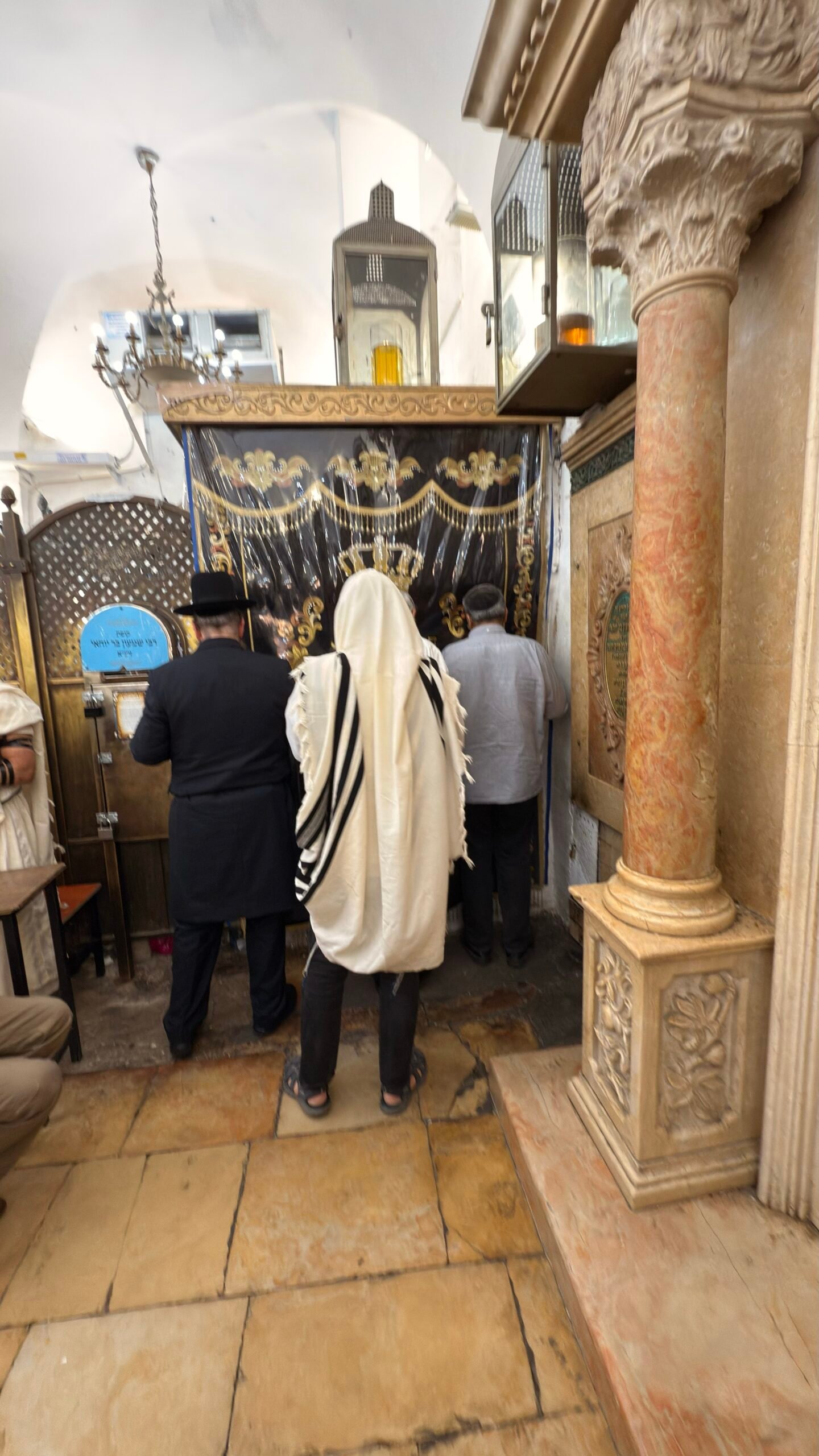
**He Who Brings Out an Evil Name: A Comprehensive Study on Character Defamation in Jewish Thought**
The subject of character defamation, especially as it is addressed within the framework of Jewish law and ethics, carries profound implications that resonate through history and into contemporary society. As we delve into the discourse presented in the Faithful Shepherd’s commentary on the Torah portion Ki Tetze, we uncover a rich tapestry of insights regarding the act of defaming an individual’s character. This exploration not only highlights the spiritual and moral ramifications of slander but also serves as a lens through which we can understand broader themes of reputation, integrity, and the sacredness of the human experience.
The Torah explicitly prescribes consequences for those who engage in the act of defamation. The verse, “And they shall fine him a hundred shekels of silver and give them to the father of the girl, because he has brought out an evil name upon a virgin of Yisrael” (Devarim 22:19), underscores the gravity with which the Torah treats the honor of individuals, particularly women. This mandate indicates that the act of defamation is not merely a social faux pas but a severe transgression that warrants tangible repercussions. The Faithful Shepherd’s interpretation clarifies that such punishment applies specifically after a marriage has taken place, illustrating the heightened stakes of honor and integrity within the context of marital relationships.
In Jewish tradition, a woman’s honor is often equated with her virtue and purity, and this connection is poignantly illustrated through the metaphorical depiction of a woman as akin to the ground. The Faithful Shepherd draws a parallel between the spies who disseminated false reports about the land of Israel and the act of defaming a woman’s character, emphasizing that those who engage in such slanderous behavior are effectively tarnishing the sanctity of both individual and collective identity. The punishment of the spies, who faced death for their audacious claims, serves to illustrate that not all acts of defamation are equivalent; the severity of the crime reflects the gravity of its impact on the community at large.
The narrative of Esther further complicates our understanding of reputation and character. The Faithful Shepherd asserts that despite the potential to view Esther as defiled due to her association with Ahasuerus, her inherent worthiness is affirmed through her divine selection as a vessel for the Holy Spirit, or Malchut. This perspective reframes the discussion of defamation, suggesting that the divine narrative transcends earthly perceptions of honor and reputation. The assertion by the Holy One, blessed be He, that “I am Hashem, that is My name, and My glory will I not give to another” (Yeshayah 42:8), elevates the conversation from mere social standing to one of spiritual significance.
In this vein, the Faithful Shepherd critiques those who limit their understanding of the Torah to mere surface interpretations, branding them as “poor in knowledge” and likening them to “riding upon an ass.” This metaphor serves as a poignant reminder that a shallow comprehension of the Torah only scratches the surface of its deeper, mystical teachings. The allegorical connection to the Tree of Knowledge of Good and Evil illustrates that while the Torah contains both good and evil, a true understanding requires a journey beyond the obvious and into the depths of spiritual wisdom.
The Faithful Shepherd further elaborates that the Holy One is not regarded as a King until He rides upon His horse, symbolizing the necessity for a deeper and more profound connection with the divine. This notion posits that true nobility and authority are not merely conferred by status or title but are achieved through adherence to divine principles and a genuine understanding of one’s role within the larger cosmic order. The parallel drawn to Israel, who can only be considered princes upon their return to the land of Yisrael, reinforces the idea that heritage, identity, and integrity are intertwined with the collective journey of the people.
An important aspect of this discourse is the recognition that blessings can arise from unexpected sources. The Faithful Shepherd cautions against undervaluing the words or actions of those perceived as commoners, emphasizing that even those who seem humble may possess profound insights and spiritual authority. In this context, Metatron is referenced as a figure who, despite being labeled as a commoner, holds a unique and significant role within the divine hierarchy. This acknowledgment complicates the relationship between status, reputation, and spiritual authority, suggesting that true wisdom and insight may often emerge from the most unexpected of sources.
As we reflect on the teachings of the Faithful Shepherd, we see that the exploration of defamation serves as a multifaceted meditation on the nature of reputation, honor, and their spiritual implications within Jewish thought. The narrative encourages us to recognize the weight that our words carry—not only in the earthly realm but also in the spiritual domain. The intricate relationship between character, divine purpose, and the consequences of slander underscores the critical importance of safeguarding one’s name and the reputations of others within the community.
In today’s world, where gossip and character assassination have become commonplace, the insights gleaned from Jewish tradition urge us to uphold honor, integrity, and a deeper understanding of the sacred nature of our words and actions. The teachings found within this discourse remind us of the responsibility we bear to foster a community grounded in respect, truth, and compassion. Ultimately, the Faithful Shepherd’s commentary serves as a timeless call to elevate our discourse, to seek out the mysteries of the Torah, and to engage in a continuous journey of understanding that honors both ourselves and those around us. Through this lens, we can aspire to cultivate a society that values integrity, recognizes the sanctity of reputation, and seeks to build a world where the words we speak reflect the highest ideals of truth and righteousness.
The Divine Mystery of Esther: Unveiling the Hidden
The narrative of Esther occupies a unique and significant place within the Hebrew Scriptures, standing as a complex tapestry woven with themes of identity, divine intervention, and the hidden presence of the Shechinah. The etymology of Esther, derived from the Hebrew term ‘seter,’ meaning ‘hidden’ or ‘mystery,’ resonates deeply with the intricate layers of meaning and symbolism embedded within her story. This essay seeks to explore the profound implications of this connection, particularly in the context of Esther’s role as a vessel for divine providence and protection, while also examining the broader theological dimensions that emerge from her narrative.
The Hidden Presence of the Shechinah
At the heart of the Esther narrative is the Shechinah, the feminine aspect of G-d’s presence, which plays a pivotal role in the unfolding story. The text suggests that Esther was hidden from King Ahasuerus, who unwittingly received a female demon in her place. This extraordinary detail illuminates a divine orchestration wherein the Shechinah deliberately intervened to protect Esther and ensure her safe return to Mordechai, her guardian and guide. The act of divine hiding is echoed in Psalm 32:7, where G-d is described as a hiding place, reinforcing the overarching theme of protection through concealment.
Mordechai, as a figure of wisdom and deep spiritual insight, stands in stark contrast to the superficiality of the court. He possesses an understanding of the explicit Name of G-d and the command of seventy languages—a knowledge that transcends mere academic learning and enters the realm of spiritual mechanics. His profound understanding enables him to navigate the treacherous political landscape of Persia with sagacity, revealing the complexity of human interactions and the divine threads woven into the fabric of reality.
The narrative’s exploration of Esther’s hiddenness extends beyond her physical concealment; it invites readers to engage with the subtleties of her character and the circumstances surrounding her rise to power. As a Jewish woman in a foreign court, Esther embodies the struggle of identity, caught between her heritage and the expectations of the Persian empire. Her name itself—a reflection of both her hiddenness and her eventual revelation—mirrors the complexity of her role in the Jewish story. Esther is not merely a passive character; she is a force of agency, navigating the intricacies of court politics with cleverness and courage while remaining faithful to her roots.
Mystical Teachings and Gender Dynamics
The sages of the Mishnah underscore the importance of dialogue between a husband and wife prior to intimacy, cautioning against the potential for demonic exchanges. This warning serves as a reflection of the underlying belief in the spiritual ramifications of such unions, particularly concerning women who might embody the duality of the Tree of Knowledge of Good and Evil. In contrast, women who are aligned with the realm of the Tree of Life, like Esther, are viewed as unblemished and pure. This dichotomy not only serves as a commentary on the spiritual state of humanity but also emphasizes the need for awareness and intention in relationships.
Esther’s role transcends the traditional gender dynamics prevalent in her time. Her ascent to queenhood and her active participation in saving her people challenges the patriarchal norms of the era, showcasing a woman who embraces her power and influence in a male-dominated society. The mystical interpretation of Esther’s experiences evokes a larger dialogue about the nature of holiness, the sanctity of women within Jewish thought, and the divine protection afforded to those who embody righteousness. Esther’s story serves as a counter-narrative to the often-silent roles women have played in religious texts, highlighting their agency and their significant contributions to the collective destiny of the Jewish people.
Moreover, the relationship between Esther and Mordechai is emblematic of a deeper spiritual partnership. Mordechai’s guidance and Esther’s willingness to act upon his counsel reflect a dynamic interplay of wisdom and courage. This partnership not only reinforces the importance of mentorship and familial support but also speaks to the broader theme of communal responsibility. In times of crisis, Esther and Mordechai exemplify the power of collaboration, demonstrating that individual actions, when aligned with divine will, can lead to profound communal transformation.
The Righteous and the Wicked: A Theological Discourse
The theological implications of Esther’s story extend into deeper discussions about the nature of righteousness and the complex interplay of good and evil. The dichotomy between the righteous and the wicked is drawn through the lens of the Tree of Knowledge and the Tree of Life. The narrative elucidates that a truly righteous individual, despite experiencing hardship, remains ultimately aligned with divine will. Conversely, those who appear to prosper while engaging in evil behaviors are depicted as having their goodness overshadowed by malevolence.
This distinction serves as a crucial element in understanding the moral fabric of the world as portrayed in the Esther narrative. It reflects a profound understanding of the human condition, presenting a reality where appearances can be deceiving, and where the true nature of individuals is revealed through their actions and intentions. The notion of brokenness, illustrated by the broken tablets of the Torah, serves as a poignant reminder of the fragility of divine covenant and the ongoing relationship between G-d and His people. The broken tablets symbolize not only the imperfection inherent in humanity but also the opportunity for renewal and redemption that follows.
This theme is particularly relevant in our contemporary world, where moral ambiguity often clouds judgment. The Esther narrative invites us to confront the complexities of human nature, urging us to strive for righteousness amid moral confusion. Just as Esther navigated her own moral dilemmas, we are called to discern our paths and act with integrity, even in challenging circumstances. This call to righteousness extends beyond individual actions, emphasizing the communal responsibility to uphold justice and support one another in times of need.
The Significance of Esther in Jewish Tradition
Esther’s role extends beyond her immediate narrative; she embodies the themes of resilience, courage, and faith. In a time of great peril for the Jewish people, Esther’s ascent from obscurity to royalty serves as an inspiration and a reminder of the capacity for individuals to effect change in dire circumstances. Her story resonates with the Jewish experience of exile and survival, reflecting the deep-seated belief in divine protection and the eventual triumph of justice.
Moreover, the celebration of Purim, which commemorates the events of Esther’s story, serves as a testament to the enduring legacy of her courage and the hidden miracles that unfold in everyday life. The practice of reading the Megillah (the Book of Esther) during Purim, dressed in costumes, and engaging in joyous festivities embodies the theme of hiddenness and revelation. It reminds the Jewish community of the layers of meaning that exist beneath the surface and the importance of recognizing the divine hand at work in all aspects of life.
The joy and revelry of Purim also reflect the transformative power of Esther’s story. It serves as a celebration of survival and a reaffirmation of Jewish identity, reminding the community of their resilience in the face of adversity. The festive atmosphere encourages a spirit of unity, as families and friends gather to share meals, exchange gifts, and engage in acts of charity. This communal aspect reinforces the idea that the narrative of Esther is not merely a historical account but a living testament of the Jewish spirit, one that continues to inspire and uplift generations.
**The Theological Significance of Malchut in Jewish Mysticism: Insights from the Teachings of Elijah**
In the rich tapestry of Jewish mysticism, particularly within the Kabbalistic tradition, the concept of Malchut, or sovereignty, holds profound significance. The teachings of Elijah, as articulated in various Kabbalistic texts, provide a unique and intricate understanding of Malchut’s role in relation to the patriarch Abraham and, by extension, the Jewish people. By examining the interplay between Malchut, the character of Abraham, and the unfolding of divine attributes, we gain deeper insights into the spiritual and ethical dimensions of Jewish thought, as well as the intricacies of divine-human interaction.
The opening declaration by Elijah, “Faithful Shepherd, the Holy One, blessed be He gave this bride of yours, namely Malchut, to Abraham to bring up for you,” lays the groundwork for understanding the intimate relationship between Abraham and Malchut. In Kabbalistic teachings, Malchut is understood not merely as a passive element but as an active participant in the divine narrative. It serves as the recipient of divine blessings and the embodiment of G-d’s presence in the world. The notion that Abraham is entrusted with Malchut underscores his pivotal role as a patriarch who not only engages with G-d’s commandments but also nurtures the qualities that define Jewish identity and spirituality.
The text posits that Abraham’s designation as the one who “kept her” speaks volumes regarding his character and moral integrity. This assertion highlights the idea that the ethical and moral principles inherent in the Torah were actively observed and embodied by him. The phrase “and kept My charge” (Beresheet 26:5) signifies Abraham’s unwavering commitment to uphold the divine covenant and to foster a lineage that would continue to reflect G-d’s attributes. This commitment is further illustrated through the metaphor of Abraham’s daughter, Bakol, who signifies the totality of Torah observance—an embodiment of the entire Jewish legal and ethical tradition, including the intricacies of laws such as the Eruv Tavshilin. Abraham’s role as a keeper of Malchut thus serves as both a personal and communal responsibility that extends through generations.
The teachings of Elijah further delve into the attributes of mercy that Abraham drew upon, illustrating the interconnectedness of divine attributes and human actions. The text emphasizes Abraham’s capacity to instill in Malchut these thirteen attributes of mercy, which he is said to have drawn from the divine name’s numerical values. This Kabbalistic interpretation resonates deeply with the overarching themes of love and compassion that define the Jewish mission. By nurturing Malchut, Abraham establishes a paradigm of kindness that extends beyond his household, opening his doors to the world and thus fulfilling the divine mandate to be a “light unto the nations.”
As the narrative progresses, it acknowledges the historical tribulations faced by the descendants of Abraham, particularly during their exile in Egypt. Elijah’s teaching asserts that G-d’s compassion is extended toward those who have shown kindness, indicating a reciprocal relationship between divine grace and human action. The invocation of the “Faithful Shepherd” highlights that G-d’s providence remains steadfast, particularly when His people endure suffering due to the iniquities that arise from their actions. This dynamic interplay between divine retribution and mercy underscores the complexity of the relationship between G-d and the Jewish people, suggesting that their trials are not merely punitive but also serve as a means of spiritual refinement and growth.
Furthermore, the allegorical representation of Malchut as a bride provided to Israel denotes the sanctity and responsibility vested in the Jewish people to uphold her virtues. The notion that Malchut was “given to Yisrael” articulates a divine expectation for the Jewish people to cultivate the attributes of kindness and mercy, fortifying their connection to the divine. The text’s reference to the “central pillar” encapsulates the idea that the Jewish people, rooted in the legacy of Abraham, are tasked with maintaining a balance between right and left—between judgment and compassion. This balance is crucial for the fulfillment of the divine will and the establishment of a just society.
Moreover, the exploration of Malchut’s relationship to the divine name Yud Hei Vav Hei illustrates the profound interconnectedness between G-d’s essence and the human experience. The transition from the “throne” of Yud Hei, which denotes a lack of completeness, to the “full cup” of Malchut reflects the evolution of divine presence in the world, culminating in a state of wholeness where blessings flow abundantly. This transition resonates with the Jewish ethos of striving for spiritual fulfillment and unity with the divine, emphasizing the importance of cultivating a relationship that reflects the highest ideals of Torah observance and ethical conduct.
The teachings of Elijah further underscore the importance of maintaining the integrity of Malchut, especially in light of historical grievances that have led to the suffering of the Jewish people. The invocation of the golden calf incident serves as a poignant reminder of the consequences that arise from straying from the path of righteousness. The warning against bringing an “evil name” upon Israel signifies the gravity of communal responsibility, as the actions of individuals can reflect upon the entire community and its divine mission. This communal aspect of Jewish identity emphasizes the significance of collective moral conduct and the implications it holds for the relationship between G-d and His people.
In this context, the dialogue between Moses and G-d about the people of Israel, particularly during the golden calf incident, serves as a critical moment in understanding the delicate relationship between divine authority and human agency. Moses’ plea, “Hashem, why does Your wrath burn against Your people” (Shemot 32:11), underscores the intense emotional and spiritual connection between the leader and his people. The response from G-d, framing the Israelites as “your people,” highlights the depth of responsibility and the bond that exists between Moses and the Jewish people. This interaction illustrates the profound theological concept that the fate of the community is inexorably linked to the actions and intentions of its leaders.
As the teachings unfold, we see the intricate tapestry of divine mercy interwoven with human actions. Elijah’s insights reveal that the relationship between Malchut and the Jewish people is not merely one of obligation but of love, care, and mutual responsibility. The ethical implications are immense; they suggest a model of leadership that prioritizes compassion and understanding, fostering an environment where individuals are encouraged to embody the values that reflect the divine attributes of kindness and justice.
In conclusion, the teachings of Elijah regarding Malchut illuminate profound theological and ethical dimensions within the context of Jewish mysticism. By connecting the legacy of Abraham to the nurturing of Malchut, we are reminded of the enduring responsibility that the Jewish people carry in upholding the principles of kindness, mercy, and justice. The interplay between divine attributes and human actions serves as a fundamental tenet of Jewish thought, guiding individuals towards a deeper understanding of their role in the unfolding narrative of redemption and spiritual elevation. Through the study of such teachings, one can glean valuable insights into the complexities of Jewish identity and the ever-present call to embody the divine qualities that underpin the covenantal relationship with G-d. As we reflect on the teachings of Elijah, we are invited to engage with our responsibilities as bearers of Malchut, striving to fulfill our divine potential and contribute positively to the world around us.
**Exploring the Depths of Torah Through the Lens of the Faithful Shepherd and Elijah**
In the rich tapestry of Jewish mysticism and religious thought, the figures of the Faithful Shepherd and Elijah represent profound spiritual concepts interwoven with the fabric of Torah law and human experience. The narrative surrounding their interaction serves as a conduit for understanding the intricate relationship between humanity, divine law, and the metaphysical dimensions of Jewish thought. The text begins with a poignant moment where the Faithful Shepherd rises to kiss Elijah, offering blessings that resonate with the ten attributes of G-d, the Sfirot, and the names of the divine. This opening establishes a sacred dialogue between the two figures, highlighting the significance of their roles within the narrative and the broader context of Jewish spirituality.
The Faithful Shepherd’s blessing upon Elijah is multifaceted, reflecting not only a personal acknowledgment of Elijah’s spiritual stature but also an affirmation of his role as a mediator between G-d and Israel. This connection is further deepened by the identification of Elijah with Pinchas, a figure of zealotry for divine precepts. The narrative draws on the verse from Numbers 25:11, which portrays Pinchas as “the son of Elazar, the son of Aaron the priest,” thus situating Elijah within a lineage of fervent commitment to G-d’s covenant. The mention of the verse from Proverbs, “a brother is born for adversity” (Mishlei 17:17), further contextualizes this relationship, emphasizing the importance of kinship, loyalty, and support in the pursuit of faith amidst challenges and trials. The bond between the Faithful Shepherd and Elijah suggests a model for spiritual mentorship, where wisdom is passed down through generations and nurtured in a communal environment.
The subsequent verses present a deeper exploration of the concept of seduction within the context of divine law, particularly focusing on the precept regarding a virgin girl. This precept not only serves to outline the legal ramifications of seduction but also acts as a critical lens through which we can view the dynamics of desire, law, and redemption within the Jewish tradition. The allegorical interpretation reveals that the man in the text represents the Holy One, blessed be He, while the virgin girl symbolizes Israel. This metaphorical framework illustrates the intimate bond between G-d and His chosen people, emphasizing the complexities and responsibilities inherent in such a sacred relationship.
The Torah’s stipulation that a man must marry the woman he has violated, as detailed in Deuteronomy 22:28-29, serves as a poignant reminder of the importance of accountability and restitution within the Jewish legal system. By mandating this union, the Torah seeks to elevate the act of seduction into a realm of mutual respect and dignity, transforming an act of transgression into an opportunity for healing and sanctification. This precept invites a broader conversation about the nature of human relationships, the complexities of desire, and the possibility of redemption through commitment and responsibility. It underscores the notion that every action has consequences, and the path toward rectifying wrongs involves not only personal introspection but also social responsibility.
The text further explores the concept of studying Torah as a means of spiritual elevation. It suggests that even an individual who engages with the sacred texts with ulterior motives can ultimately find themselves drawn into a genuine relationship with the divine. This notion resonates with the concept of gradual spiritual ascent, wherein initial motivations may be rooted in self-interest, yet can evolve into a sincere yearning for divine connection. The emphasis on practices such as Tefilin, Tzitzit, and prayer as methods of spiritual elevation reinforces the idea that physical acts of compliance with divine commandments can unlock deeper spiritual truths and facilitate a more profound understanding of one’s relationship with G-d.
As the text transitions to the theme of exile, it poignantly reflects on the Shechinah’s presence even in moments of distance from the divine. The assertion that G-d will never forsake His people, despite their transgressions, speaks to the enduring relationship between the divine and Israel. This fidelity in the face of adversity encapsulates the essence of the covenant, reinforcing the notion that redemption is always within reach, even amidst spiritual exile. The acknowledgment that the Shechinah remains with Israel, even in the depths of despair, serves as a powerful reminder of the divine compassion and mercy that undergirds the relationship between G-d and His people.
Furthermore, the exploration of the role of Metatron as an intermediary figure bridges the gap between the divine and the earthly. Metatron is seen as a manifestation of divine presence, guiding humanity in its quest for righteousness and spiritual fulfillment. His separation from the Tree of Knowledge represents a departure from duality—good and evil—allowing for a clearer understanding of the path toward holiness. This perspective invites reflection on the nature of temptation, the struggle against the evil inclination, and the potential for transformation through repentance and divine guidance.
The allegorical depiction of violated women within the text adds another layer of complexity to the discussion. It highlights the diverse nature of human relationships and the nuanced motivations that underlie them. There are women who are violated out of love, but who do not reciprocate, as well as those who fear engaging without the sanctity of marriage. These dynamics speak to the complexities of human emotions and the ethical considerations present in relationships. By mandating marriage in cases of violation, the Torah not only seeks to protect the dignity of the woman but also to promote a culture of respect and responsibility among individuals.
In conclusion, the interaction between the Faithful Shepherd and Elijah serves as a profound exploration of the complexities of human relationships within the framework of divine law, redemption, and spiritual ascent. The text not only elucidates the nature of the divine-human relationship but also emphasizes the importance of accountability, transformation, and the enduring presence of the Shechinah. As we engage with these teachings, we are reminded of the intricate dance between law and love, obligation and desire, and the ever-present hope for redemption and connection with the divine. Through the lens of these sacred texts, we are invited to reflect on our own lives, our relationships with others, and our relationship with G-d, ultimately seeking to embody the values of compassion, justice, and holiness that are central to the Jewish tradition.
The Allegorical Interpretation of Souls in Relation to the Torah: A Deeper Exploration
The Torah, revered as the foundational text of Judaism, serves not merely as a legal and ethical guide but also as a profound repository of spiritual wisdom and allegorical narratives. Within its intricate layers, the Torah employs allegory to illuminate spiritual truths that extend beyond the literal interpretation of its verses. This essay seeks to delve deeply into the allegorical representation of souls as articulated in classical Jewish texts, especially within the Kabbalistic tradition. It intricately examines the relationships between different types of souls, the implications of their moral choices, and the overarching spiritual journey of humanity. The primary focus will be on the Matron, the handmaid, and the common maid, archetypes that encapsulate the complexities of spiritual existence and the moral responsibilities inherent in human life.
At the center of this allegorical exploration is the concept of the soul as the Matron, a figure drawn from the Malchut of Atzilut, the highest of the mystical worlds in Kabbalistic thought. The term “Matron” signifies a soul that is intimately connected to divine essence, reflecting the ultimate reality of G-d. This relationship suggests a soul that embodies a deep understanding of the Torah’s mysteries and aligns itself with the divine will and purpose. The Matron serves as a guiding force, nurturing and elevating the spiritual state of the individual who embodies it. In this context, the Matron symbolizes the ideal spiritual state, representing the highest aspirations of the soul in its quest for divine communion.
In contrast, the handmaid represents a soul that emerges from the world of Briyah, which is situated at a lower spiritual level than Atzilut. This handmaid is characterized by her potential to serve the Matron, but she is also susceptible to the influences of the lower realms. The scriptural reference, “And if a man sells his daughter to be a maidservant” (Shemot 21:7), encapsulates the themes of submission, servitude, and the complex dynamics of the soul’s journey. In this allegory, the handmaid symbolizes the souls that have not yet attained the level of true spiritual autonomy and enlightenment. Instead, they exist in a state of dependency, reliant on the higher spiritual realms for guidance and elevation.
The common maid, drawn from the world of Asiyah, epitomizes the most corporeal and immediate aspects of human experience. This soul type embodies the mundane and often flawed nature of human existence, reflecting the trials and tribulations faced in the physical world. The common maid represents the soul that is most influenced by worldly temptations, distractions, and the myriad challenges inherent in mortal life. In this framework, each type of soul—Matron, handmaid, and common maid—illustrates a different aspect of the spiritual journey, revealing the intricate interplay between divinity and humanity.
The allegory of the soul’s incarnation further elucidates the consequences of past actions and choices. When a soul encounters difficulties, as illustrated by the verse, “the dove found no rest for the sole of her foot” (Beresheet 8:9), it signifies a state of restlessness resulting from previous transgressions. This metaphor serves to highlight the belief in reincarnation and the cyclical nature of the soul’s journey, suggesting that the experiences of previous lives have a direct impact on the present. The notion that the soul may reincarnate due to sins committed in prior lives underscores the interconnectedness of actions and spiritual consequences—a fundamental tenet in Jewish thought. This cyclical journey invites individuals to recognize that each incarnation provides opportunities for rectification, growth, and spiritual elevation.
Moreover, the text explores the dynamics of good and evil within the soul, likening the forces of iniquity to a demon that the soul must contend with throughout its journey. The transformation of this demon into an angel reflects the potential for redemption through sincere repentance, illustrating a powerful metaphor for the human condition. The verse stating, “and she shall be his wife; he may not put her away all his days” (Devarim 22:19), emphasizes the enduring bond between the soul and its moral obligations. This suggests that through sincere efforts at repentance and ethical living, one can transform the negative aspects of their being into positive forces, thereby realigning themselves with the divine order.
In exploring the concept of demons and angels, the text draws a stark contrast between those who embody wisdom, akin to the sages of the Mishnah, and those who succumb to ignorance and vice. The former are likened to ministering angels, possessing profound knowledge of the esoteric teachings of the Torah and the cosmos. These figures represent the pursuit of wisdom as a noble and divine endeavor. On the other hand, the latter group, depicted as ignorant beasts, highlights the consequences of neglecting spiritual growth and ethical responsibility. This dichotomy emphasizes the moral imperative of pursuing wisdom and righteousness, as one’s choices ultimately shape their spiritual destiny. The sages of the Mishnah serve as exemplars, illustrating how adherence to the Torah and its teachings can elevate an individual from a state of ignorance to one of enlightenment.
Central to this discussion is the concept of Malchut and its association with the divine hierarchy. Malchut, often referred to as the “King’s daughter,” symbolizes the divine presence in the world, acting as a conduit for spiritual energy and blessing. The notion of Malchut as a maidservant to the higher realms underscores the idea that the divine presence is continuously engaged with the world, seeking to uplift humanity. However, the potential for desecration of Malchut due to human iniquities serves as a sobering reminder of the responsibilities that accompany spiritual elevation. The text elucidates that true adherence to the Torah and its commandments should not be motivated by the pursuit of reward but by an intrinsic obligation to fulfill the divine will, akin to a child’s duty to their parent.
Furthermore, the discussion of the Malchut of Briyah emphasizes the intricate dynamics between the celestial and terrestrial realms. This Malchut, which serves as a maid to the Malchut of Atzilut, is susceptible to desecration due to the iniquities of humanity. The Faithful Shepherd teaches that not all demons are alike, and not all servants of the Shechinah are the same; even within the divine hierarchy, there exist foreign elements that may detract from the sanctity of Malchut. This complexity invites contemplation on the nature of holiness, purity, and the role of human actions in shaping the spiritual landscape.
The allegorical narrative culminates in the understanding that those who inherit the King’s daughter, the Malchut, do so only if they are recognized as the King’s son. This highlights the notion of identity and relationship in the spiritual realm; the children of the Holy One, blessed be He, are tasked with the sacred responsibility of upholding divine commandments. The emphasis placed on the covenantal relationship between G-d and Israel serves as a reminder of the significance of communal and individual accountability in the pursuit of holiness.
In conclusion, the allegorical interpretation of the soul within the context of the Torah provides a rich tapestry of spiritual insight. By examining the roles of the Matron, the handmaid, and the common maid, one gains a deeper understanding of the complexities of the soul’s journey through life.
The Complexity of Divine Servitude: A Study of the Shechinah and the Nature of Demons
The intricate tapestry of Jewish mysticism presents a profound exploration of the divine and the demonic, particularly through the lens of the Shechinah, the feminine aspect of G-d, and the myriad entities that serve her. The assertion that “not all demons are alike,” alongside the notion that “not all the servants of the Shechinah are alike,” invites a comprehensive examination of the hierarchy within the spiritual realms. This essay endeavors to unpack these themes, emphasizing the role of the Shechinah, the dynamics of servitude, the implications of idolatry, the nature of demonic influence, and the interplay of joy and unity in the divine narrative.
The Nature of the Shechinah
The Shechinah has long been regarded as the feminine aspect of G-d within Jewish thought, embodying the divine presence that interacts with the world. This concept extends beyond mere representation; the Shechinah actively governs and maintains the cosmos, serving as a bridge between the divine and the material world. The phrase “and His kingdom rules over all” (Tehilim 103:19) encapsulates her authority, signifying that her dominion permeates both the spiritual and physical realms. Within this framework, the Shechinah is not an isolated entity; she is surrounded by a diverse array of servants whose nature and origin impact their roles in the cosmic order.
The Hebrew maids, representing the Malchuyot of Briyah (the World of Creation) and Malchuyot of Asiyah (the World of Action), are integral to the workings of the Shechinah. These holy servants embody the purity and sanctity of creation, fulfilling divine mandates and contributing to the ongoing process of spiritual elevation. They exemplify the qualities of righteousness and dedication, serving the Shechinah in her nurturing and protective roles. In contrast to these faithful servants, the presence of foreign maidservants from the “other side” signifies the more nefarious elements that exist in opposition to divine order. These entities, often associated with Samael, the angel of death, represent a duality within the realm of servitude, illustrating that not all who serve the Shechinah do so from a place of righteousness.
The Dichotomy of Servants
The existence of both holy and unholy servants underlines the complexity of spiritual governance and the moral ambiguities inherent within it. While the Shechinah is a source of life, love, and sustenance, the foreign maidservants, characterized by their alignment with the “poison of death,” serve as a reminder of the ever-present potential for corruption and spiritual degradation. These entities, once servants of G-d, fell from grace when they allowed themselves to be elevated to the status of deities through the misguided worship of humanity. This transition from servitude to idolatry highlights a critical aspect of Jewish thought: the power of human agency in shaping spiritual realities and the consequences that accompany such actions.
Moses’ warning regarding these foreign maidservants serves as a cautionary tale, illustrating the dangers of misplaced devotion. The desire for worship led them to become idols, resulting in divine retribution. The promise that G-d will “cause the unclean spirit to pass out of the land” (Zecharyah 13:2) reinforces the idea that divine order will ultimately be restored, purging the world of those who have strayed from their intended purpose. Such themes resonate deeply within Jewish understanding of repentance and redemption, emphasizing that even those who have fallen can be redeemed, though divine justice demands accountability.
Furthermore, the dialectical relationship between the Shechinah and her servants elucidates the complexities of spiritual dynamics. The dichotomy of holy and unholy servants invites us to examine the role of free will and the ethical implications of servitude in the spiritual realm. The Shechinah, as a nurturing yet authoritative figure, embodies both compassion and justice. Her guardianship over creation is predicated on her ability to discern between righteous and unrighteous servants, ensuring that divine order prevails.
The Role of Idolatry
The phenomenon of idolatry is central to understanding the dynamics between the Shechinah and the foreign entities that oppose her. When people began to worship these foreign maidservants, they materialized in forms that became conduits for demonic influence. The practices of burning sacrifices and bowing to idols formed a bridge between the earthly and spiritual realms, allowing these entities to manifest and exert their influence on humanity. The historical accounts of the generations of the Flood and the Tower of Babel serve as stark reminders of the consequences of idolatry, which leads to estrangement from the divine and a distortion of spiritual truths.
The notion that “when mixed multitudes live in the world, Samael and his female descend into those images” encapsulates the idea that idolatry not only corrupts the individual but also perpetuates a cycle of spiritual degradation that ensnares entire communities. This cycle necessitates divine intervention, as the Shechinah’s sovereignty is challenged by the influences of the other side. The assertion that the Holy One, blessed be He, will ultimately remove these corrupting influences provides a hopeful resolution to the narrative of divine struggle against idolatry.
Moreover, the consequences of idolatry extend beyond individual transgressions; they have communal and historical ramifications. Idolatrous practices can lead to a collective spiritual blindness that distances communities from their divine purpose. The Shechinah, as the embodiment of divine presence, longs for her people to return to authentic worship, free from the taint of foreign influences. This longing echoes throughout the ages, and the promise of divine retribution against idolatry serves as a beacon of hope for those who seek to restore their connection to the divine.
The Interplay of Joy and Unity
At the heart of these discussions lies the concept of joy within the sacred union of Malchut and her bridegroom. The precept that a man must rejoice with his new wife for a year serves as a metaphor for the relationship between the divine and the earthly. Here, Malchut, often associated with the concept of the year, embodies the cyclical nature of life and divine sustenance. The twelve months, twelve oxen, and twelve stones all intertwine to create a holistic understanding of the divine order, reflecting the interconnectedness of all creation.
This joy is not merely for the groom; it signifies a collective celebration of life, unity, and divine presence. The groom’s obligation to “rejoice with” his wife emphasizes the communal aspect of joy in the divine narrative. In this context, joy becomes a transformative force that elevates both the individual and the collective, creating a harmonious existence that transcends earthly struggles. Such joy is not only a reflection of personal happiness but also an expression of divine love and unity.
Furthermore, the twelve maids that accompany the Shechinah can be seen as representations of the various attributes and qualities that contribute to the divine feminine. Each maid embodies a unique aspect of creation, collectively contributing to the nurturing and sustaining power of the Shechinah. The groom, in his role, must learn to appreciate and celebrate these attributes, thus fostering a deeper connection with the divine.
**The Return of G-d and His Shechinah: A Theological Exploration of Redemption and Prayer in Judaism**
In the intricate tapestry of Jewish thought, the themes of redemption and divine presence resonate deeply throughout sacred texts. The concept of returning G-d and His Shechinah—the divine presence—to their rightful place is not merely theological but is interwoven with the practical aspects of Jewish life, particularly within the framework of prayer. This essay will explore the profound implications of this return, as articulated through the teachings of the Mishnah sages and the significance of the Amidah prayer in the context of redemption, while also addressing the complex interplay between human actions, divine mercy, and communal responsibility.
The Mishnah sages articulate a profound truth when they assert that the two Messiahs, Messiah ben Joseph and Messiah ben David, cannot redeem Israel without Moses. This assertion emphasizes the need for a foundational figure who embodies the covenantal relationship between G-d and the Jewish people. Moses, as the quintessential servant of G-d, serves as a mediator—a role that remains crucial in Jewish eschatology. His teachings on the Amidah prayer illuminate a path toward understanding the relationship between humanity and the divine.
The Amidah, also known as the “Standing Prayer,” occupies a central place in Jewish liturgy. It is recited three times a day: during the morning (Shacharit), afternoon (Minchah), and evening (Arvit) services. The structure of the Amidah prayer, with its three segments—praises, petitions, and thanks—mirrors the progression of the soul’s journey towards divine connection. When Moses instructs that the individual praying should first approach G-d as a servant arranging praises before his master, he emphasizes the importance of humility and reverence in prayer. This initial stance allows one to recognize the greatness of G-d and the need for divine mercy, reinforcing the understanding that prayer is not simply a transactional exchange but a profound act of devotion and submission.
In the subsequent posture of a servant receiving wages, the individual acknowledges the reciprocity inherent in the relationship between G-d and His people. This recognition of divine generosity fosters a sense of gratitude and responsibility—an understanding that one’s prayers are not merely for personal benefit but serve the greater purpose of aligning oneself with G-d’s will. Finally, as a servant who has received his wages and is now on his way, the individual recognizes the continuity of this relationship beyond the act of prayer. The progression from praise to petition and finally to gratitude is not merely a reflection of personal spiritual growth but serves as a teleological movement toward redemption, underlining the cyclical nature of divine-human interaction.
In this context, the role of Metatron emerges as a pivotal figure in the heavenly hierarchy. As a messenger tasked with receiving the prayers of the faithful, Metatron’s function is to act as an intermediary who facilitates the connection between humanity and the divine. The sages teach that Metatron is the hire of the hired servant—a reflection of his role as a divine emissary. The intricacies of the Amidah prayer, which comprises eighteen blessings, represent the collective voice of Israel seeking to return G-d and His Shechinah to their place. The act of prayer, therefore, becomes a conduit for divine grace, invoking G-d’s presence into the world.
The exhortation from Devarim (24:15) to give a hired servant his hire in due time resonates with the underlying theme of responsibility within the divine-human relationship. The faithful servant, in his poverty and exile, invokes the need for timely prayer and divine mercy. The imagery of the poor highlights the existential plight of Israel, whose prayers are often a cry for help in a world where the Shechinah appears distant. The notion that prayer is an expression of the soul’s yearning for connection with the divine echoes the sentiments of Tehilim (102:1), where the prayer of the poor encapsulates the essence of spiritual vulnerability.
Moreover, the discussion surrounding the corners of the field and the gleanings serves to illuminate the spiritual obligation to care for the marginalized. The idea that the act of leaving portions of the harvest for the poor and the stranger is linked to the central pillar, or Zeir Anpin, emphasizes the interconnectedness of the divine and the earthly realms. The faithful shepherd’s assertion that he has undergone exile for the sake of Israel reinforces the notion that the Shechinah, too, experiences suffering and longing alongside the Jewish people. This shared experience of exile further deepens the bond between G-d and Israel, as both await the time of redemption.
The sages pose an important question regarding the performance of these precepts when G-d was present in His place. Their inquiry invites a reflection on the nature of divine presence and absence, suggesting that even in times when the Shechinah appears withdrawn, there remains an imperative to invoke mercy for those who are estranged. The metaphor of the wandering soul, akin to a bird that strays from its nest, portrays the divine longing for the return of the Shechinah to its rightful abode. This imagery encapsulates the essence of redemption—the communal aspiration to restore harmony between G-d and His creation. The faithful are called to recognize their role in this process of restoration, as every prayer uttered is a step toward bringing the Shechinah closer to its place.
The culmination of this theological exploration is found in the recognition that the act of repentance and the return of one’s soul to its rightful place is intrinsically linked to the return of G-d and His Shechinah. The sages affirm that through sincere repentance, individuals can bridge the gap between the divine and the human, thereby facilitating the process of redemption. The profound declaration that individuals who return their souls to their rightful place achieve the return of the Holy One underscores the interdependence of the divine and human realms.
Furthermore, the idea that the two Messiahs, who represent different aspects of redemption, require the faithful shepherd to facilitate their roles introduces an essential theological perspective. The interplay between their missions emphasizes the multifaceted nature of redemption—one that encompasses both spiritual and material dimensions. The Messianic era is envisioned not merely as a future state but as an ongoing process in which every act of prayer, kindness, and repentance contributes to the collective redemption of Israel.
In conclusion, the return of G-d and His Shechinah is a multifaceted concept that encompasses the themes of redemption, prayer, and communal responsibility. The teachings of the Mishnah sages provide a rich framework for understanding this relationship, revealing the dynamic interplay between humanity and the divine. As we engage in the Amidah prayer, we are reminded of our roles as servants who praise, receive, and ultimately return to the divine presence. Through this act of prayer, we participate in the sacred task of returning the Shechinah to its place, fostering hope for the redemption of Israel and the restoration of a harmonious relationship with G-d. The journey toward redemption is, therefore, not only a collective aspiration but also a deeply personal one—a call for each individual to engage in the sacred act of prayer, to return their soul, and to contribute to the divine restoration of the world.
**The Role of Metatron and the Shechinah in Jewish Mysticism: An Exploration of Prayer, Action, and Divine Recognition**
In the vast and intricate tapestry of Jewish mysticism, particularly within the Kabbalistic tradition, the figures of Metatron and the Shechinah hold profound significance. These entities are not merely abstract concepts but vital aspects of the divine relationship between humanity and the divine. They embody essential elements of prayer, divine recognition, and the moral responsibilities that individuals carry within their spiritual practices. This essay will delve into the intricate dialogue between Metatron, the celestial scribe, and the Holy One, blessed be He, focusing on the recognition of prayer and the presence of the Shechinah. Furthermore, it will explore the implications of action versus speech in the pursuit of wisdom and divine favor, examining the broader spiritual landscape that these themes inhabit.
The narrative begins with a significant moment: Metatron approaches the Holy One with a request for a token that can identify the prayer associated with the Shechinah, the divine feminine aspect of G-d. This request encapsulates a crucial principle in Jewish spirituality: the essence of prayer is not found solely in its verbal articulation but in the purity of the heart that offers the prayer. The Holy One responds with a directive that emphasizes the importance of altruism within prayer. He instructs Metatron to look for the girl who will willingly provide water when asked. This seemingly simple act of kindness becomes a profound metaphor for the spiritual state of the Shechinah—her presence is contingent upon selfless intentions that seek to fulfill divine desires rather than selfish needs.
The implication is clear: for the Shechinah to be present, the individual must approach prayer with a heart oriented towards giving, rather than receiving. This concept resonates deeply within Jewish thought. When the Shechinah is absent, it is a sign that the individual is filled with iniquities and that their intentions in prayer are self-serving. Such a state underscores a fundamental tenet of Jewish spirituality, which posits that genuine prayer must be infused with sincerity and a desire to connect with the divine. When one’s prayers are directed solely toward personal gain, they create a barrier between themselves and the divine presence.
The teachings of the sages of the Mishnah further illuminate this intricate relationship between action and the divine. They emphasize that one’s fear of sin is a precursor to wisdom, suggesting a hierarchical approach to spiritual development. This hierarchy prioritizes action—specifically the performance of commandments—over mere verbal expressions of faith. The assertion that “action is more valuable than speech” serves as a guiding principle for those seeking to deepen their connection with G-d. In this framework, wisdom is not viewed as an abstract intellectual pursuit, but as a lived experience grounded in moral integrity and ethical behavior.
This perspective aligns with the Kabbalistic understanding of the ten Sfirot—the ten attributes or emanations through which G-d interacts with the world. Each commandment is imbued with these divine attributes, serving as conduits for divine energy and expression. The metaphor of the ark of the covenant further illustrates this point; it is described as having three stories that correspond to different aspects of the community: the priests, the Levites, and Israel. This representation underscores the interconnectedness of all souls in their relationship with the divine, suggesting that the Shechinah dwells among them when they uphold the commandments with sincerity and integrity.
Moreover, the relationship between suffering and redemption is articulated through the lens of labor and divine mercy. The analogy of childbirth is particularly poignant in this context. Just as one must endure the pain of labor before the joy of new life, so too must the community of Israel experience trials and tribulations before attaining redemption. This cyclical understanding of suffering and mercy highlights a deep-seated belief in the transformative power of hardship, which ultimately leads to spiritual elevation and divine favor. The narrative suggests that suffering is not merely a punishment, but a necessary step in the process of spiritual growth and redemption.
The text also draws parallels to the last exile, indicating that divine intervention will mirror the past salvation experienced during the exodus from Egypt. This connection evokes a sense of hope and continuity within the Jewish tradition. The roles of the Messiah son of Joseph and the Messiah son of David emerge as essential figures within this eschatological framework, symbolizing the dual aspects of redemption and divine assistance. Their presence is likened to the wings of a dove, providing protection and guidance to Israel through the trials of exile. This imagery not only emphasizes the nurturing aspects of divine intervention but also suggests a collective responsibility among the Jewish people to embody the values associated with the Shechinah.
As we delve deeper into the spiritual significance of the Shechinah and Metatron, it becomes essential to recognize the implications of their interaction for contemporary practice. The teachings of Kabbalah remind us that each individual has a role to play in the unfolding of divine presence within the world. Engaging in acts of kindness, prioritizing the needs of others, and approaching prayer with an intention to serve rather than to be served all contribute to the manifestation of the Shechinah in our lives. In a world often characterized by individualism and self-interest, these teachings are a call to action—a reminder that the divine is accessible through our choices and behaviors.
In conclusion, the intricate relationship between Metatron, the Shechinah, and the principles of action, prayer, and divine recognition underscores a central theme in Jewish mysticism: that genuine engagement with the divine requires both heartfelt intent and ethical action. The teachings elucidate that wisdom, grounded in the fear of sin, is manifested through the performance of commandments, thereby fostering a profound connection with the divine presence. Through this dialogue, one can discern the layered complexities of Jewish thought, emphasizing the importance of aligning one’s will with divine purpose to truly embody the essence of the Shechinah.
Ultimately, the understanding of Metatron and the Shechinah serves as a guide for individuals seeking to navigate their spiritual journeys. By recognizing the significance of our intentions, the value of our actions, and the deep-rooted connections that bind us to one another and to the divine, we engage in a transformative process that leads us not only towards personal redemption but also towards collective healing and enlightenment within the Jewish community and beyond.
A Detailed Examination of the Laws Concerning Locusts and Their Profound Symbolic Significance in Jewish Thought
The intricate laws concerning locusts within Jewish tradition offer an intriguing lens through which to explore the intersection of kosher dietary laws, philosophical reflections, and the broader implications of communal responsibility in the pursuit of spiritual vitality. This exploration extends beyond a mere examination of the Halachic (Jewish legal) status of locusts and delves deep into their symbolic representations within the teachings of the Torah, the Mishnah, and Jewish Law. By engaging with these themes, we can uncover profound insights into the interconnectedness of dietary laws, the importance of community in the quest for knowledge, and the overarching aspirations for redemption that resonate through Jewish thought.
Halachic Status of Locusts: A Unique Perspective
In the realm of Jewish dietary law, locusts hold a unique and fascinating status, distinct from that of other animals consumed by the Jewish people. According to the sages of the Mishnah, locusts, along with fish, occupy a special niche in the classification of kosher creatures. Specifically, the consumption of locusts does not require the traditional method of slaughter known as shechitah, which is mandated for mammals and birds. This distinction emphasizes that locusts and fish, as creations of divine origin, are inherently kosher due to their very existence within the natural world.
The notion that the gathering and consumption of locusts suffices to deem them kosher reflects a profound understanding of the relationship between humanity and the divine. The act of gathering locusts, therefore, becomes more than just a physical act of sustenance; it symbolizes an active engagement with the sacred, a recognition of the divine presence in even the smallest of creatures. This perspective aligns with the biblical verse from the Torah, “and expired, and was gathered to his people” (Beresheet 49:33), which encapsulates the essence of this principle. Just as locusts can be gathered and consumed, so too can the teachings of the sages be disseminated, internalized, and treasured by the faithful.
This gathering symbolizes the active pursuit of knowledge and the communal responsibility to uphold and transmit the wisdom of the Torah across generations. The sages, through their rigorous study and interpretation of Jewish law, become vessels of divine teachings, preserving the legacy of the Torah for future generations. The significance of this gathering is not limited to the physical act of consuming locusts; it extends to the intellectual and spiritual nourishment derived from the study of Torah, underscoring the vital connection between dietary laws and the communal pursuit of knowledge.
The Symbolism of the Crocodile and the Sea: Navigating the Depths of Knowledge
As we delve deeper into the rich allegorical framework surrounding locusts, we encounter a compelling metaphor that compares the sages of the Mishnah to crocodiles—creatures that adeptly navigate the vast waters of Torah knowledge. This metaphor serves multiple purposes, illustrating the duality of strength and vulnerability inherent in the scholarly pursuit. Just as crocodiles are skilled in their aquatic environment, adeptly maneuvering through the challenges of their habitat, so too are the sages proficient in navigating the complexities of Jewish law and tradition.
This imagery also highlights the necessity of a supportive community for spiritual growth. Those engaged in the study of Torah must rely on one another for guidance, encouragement, and collaboration. The relationship between seasoned sages and younger students is akin to a natural order in which larger creatures consume smaller ones. This serves as a cautionary tale, emphasizing the importance of respect, humility, and ethical conduct in scholarly discourse. The comparison underscores the need for teachers to be well-prepared and knowledgeable before assuming the role of mentors, as teaching without sufficient understanding is likened to drowning in the depths of Torah—a vast ocean that can overwhelm those who are unprepared.
Moreover, the crocodile’s remarkable ability to navigate both the waters and the land symbolizes the necessity of adaptability in the pursuit of knowledge. Just as these creatures shift between environments, scholars must be equipped to traverse the boundaries of various disciplines and interpretations to unlock deeper meanings within Halachah. This adaptability is particularly crucial within the context of the diverse and multifaceted nature of the Torah, which requires scholars to engage with it in a variety of ways to extract its wisdom.
The Quest for Redemption: The Role of the Sages in Jewish Thought
As this discussion progresses, it culminates in an exploration of redemption—a central theme that is intricately woven into the fabric of Jewish thought. The “great abyss,” representing the depths of Halachah, emerges as a focal point for the quest for spiritual understanding and fulfillment. Figures such as Rav Hamnuna Saba are portrayed as brave seekers of truth, willing to delve into the complexities of Jewish law to uncover deeper meanings and prepare for the arrival of the Messiah.
However, the text also cautions against the hubris of those who attempt to pierce the depths of Halachah without proper preparation and permission. This admonition reflects the understanding that the journey toward enlightenment requires humility and respect for the wisdom inherent in the tradition. The duality of the two Messiahs—Messiah ben David and Messiah ben Joseph—falling into the abyss alongside the Shechinah serves to highlight the spiritual void present in the world, emphasizing the importance of knowledge, righteousness, and ethical conduct in the pursuit of redemption.
The narrative surrounding these Messiahs serves as a reminder to the Jewish people of their collective responsibility to repair the world and elevate the Shechinah from its fallen state. The sages, as guides for the community, are tasked with helping individuals navigate the complexities of Jewish law, ensuring that the spiritual and ethical teachings of the Torah are upheld and transmitted to future generations. This role is not merely a privilege; it is a weighty responsibility, as the sages are seen as custodians of divine wisdom.
The Interplay Between Knowledge, Community, and Divine Connection
As we reflect on the themes of locusts, crocodiles, and the sages, a deeper understanding emerges regarding the interplay between knowledge, community, and divine connection. The laws concerning locusts serve as a microcosm of the broader Jewish experience, where the act of gathering knowledge and engaging with Torah is fundamental to communal life. Just as locusts are gathered for sustenance, the teachings of the sages are gathered to nourish the spiritual lives of individuals and the community as a whole.
The emphasis on the importance of community in the pursuit of knowledge is a recurring theme within Jewish thought. The sages, through their teachings and interpretations, create a framework within which individuals can engage with the Torah and find meaning in their lives. This communal aspect of learning fosters a sense of belonging and interconnectedness, ensuring that the wisdom of the past is preserved and adapted for future generations.
Furthermore, the quest for redemption is intricately tied to the communal responsibility of the Jewish people. The teachings of the sages, as custodians of divine wisdom, serve as a guiding light on the path toward spiritual fulfillment. The reflection on redemption, particularly in the context of the Messianic figures, highlights the need for collective action and ethical conduct in order to bring about a brighter future.
**The Nature of the Fourth Klipah: A Jewish Mystical Perspective**
The concept of the Klipah, or spiritual husk, is a profound element within Jewish mysticism, particularly as articulated in Kabbalah. This construct serves to elucidate the multifaceted challenges that humanity encounters on its spiritual journey. Among the various Klipot, the Fourth Klipah, referred to as “the Deep,” is especially significant, representing a pit from which the Jewish people must emerge. This exploration seeks to delve deeply into the essence of the Fourth Klipah, its implications for the Jewish people, the historical context of exile, and the promise of eventual redemption that underpins the Kabbalistic worldview.
**The Symbolism of the Pit**
In the Torah, the narrative surrounding Joseph, particularly his being cast into a pit by his brothers, provides a rich metaphor for spiritual desolation and alienation. This episode, found in Beresheet (Genesis) 37:24, speaks to the experience of being trapped in a void, an emptiness devoid of Torah—a life-sustaining force likened to water. The metaphor of the pit encapsulates the spiritual barrenness that characterizes the Fourth Exile, marked by a generation lacking in Torah knowledge and moral clarity.
The phrase “the pit was empty” serves as a stark reflection of this condition. Without the teachings of the Torah, individuals are left vulnerable to the pernicious influences that surround them. The “snakes and scorpions” that fill this pit symbolize the malevolent forces in society that distort truth, undermine moral integrity, and lead individuals astray. These serpentine entities represent not only external adversaries but also internal struggles, reflecting the moral and spiritual confusion that can ensue when one is disconnected from the teachings of the Torah.
The notion of the Fourth Exile also implies a broader existential struggle for the Jewish people. The phrase “Her adversaries have become the chief” (Eichah 1:5) underscores a disconcerting reality in which those who oppose and undermine the Jewish ethos often ascend to positions of power. This inversion of moral order exacerbates the suffering of the Jewish people, creating a paradox where the righteous languish while the wicked seem to prosper. Such a dynamic not only challenges individual Jews but also poses existential questions about the fate of the Jewish community and its spiritual survival.
**Moses and the Leviathan: A Central Pillar**
Amidst the darkness of the Fourth Klipah, the figure of Moses emerges as the “Faithful Shepherd” and the “Central Pillar.” His role is vital, serving as a bridge between the divine and the human, the spiritual and the material. The Kabbalistic texts often identify Moses with the Leviathan, the master of all fishes in the sea of Torah. This symbolic representation highlights the profound connection between the Torah and the sustenance of creation. The Leviathan embodies the spiritual force that supports the world, akin to how the teachings of the Torah nourish the soul of the Jewish people.
The sages’ assertion that the Torah is maintained only by those willing to die for it speaks volumes about the immense value placed on Torah study and observance. In the context of the Fourth Klipah, Moses serves as a beacon of hope, descending into the depths of despair to guide the exiled Jewish souls back to their divine purpose. His actions and teachings represent a reclamation of spiritual knowledge, countering the poverty of understanding that defines the Fourth Exile.
Furthermore, Moses’ connection to the Leviathan illustrates the necessity of sacrifice and commitment to the Torah in overcoming the spiritual challenges posed by the Klipot. The imagery of the Leviathan also raises questions about the nature of the divine; it signifies that within the depths of despair and confusion, there exists the potential for redemption and enlightenment.
**The Cry of the Shechinah**
As the narrative unfolds, we encounter the poignant imagery of the Shechinah, the divine feminine presence, crying out in exile. The Shechinah’s longing for her children—the Jewish people—encapsulates the emotional and spiritual anguish experienced during this era. The metaphor of the betrothed maiden crying out for her savior symbolizes the collective yearning for redemption, echoing the promise that the Central Pillar, embodied in Moses, will ultimately return to unite with the Shechinah.
The Shechinah’s experience in exile can be further articulated through the metaphor of garments that appear dark and heavy, representing the burdens imposed by the Klipot. The darkness surrounding the Shechinah reflects the challenges of maintaining spiritual identity amidst the oppressive forces of the Klipah. In Shir Hashirim (Song of Songs) 1:6, the Shechinah laments, “Do not gaze upon me, because I am black,” which emphasizes the struggle to preserve one’s essence in the face of adversity. This lamentation is not merely a cry for help but also a recognition of the complex interplay between the divine and the human experience, revealing how the Shechinah endures suffering alongside her children.
The Shechinah’s cry serves as a rallying call for the Jewish people, reminding them of their intrinsic connection to the divine and the responsibilities that come with it. The mixed multitudes, who accompany the Jewish people, symbolize the challenges of preserving a distinct identity amidst external influences. The recognition that the maidservant does not separate from her mistress until the final redemption speaks to the enduring bond between the Jewish people and their spiritual heritage, even in the face of adversity.
**The Path Towards Redemption**
The overarching theme of the Fourth Klipah is ultimately one of hope and redemption. The narrative intricately weaves together the concepts of exile, spiritual poverty, and the promise of restoration that characterizes the Jewish mystical tradition. The teachings articulated within these mystical concepts serve as a reminder of the enduring strength of the Torah and the faith that sustains the Jewish people through their trials.
As we navigate the challenges of our contemporary reality, the lessons derived from the Fourth Klipah invite us to reflect on our spiritual practices and the importance of remaining connected to our heritage. The journey through the depths of the Klipah calls for a collective effort to reclaim and restore the divine light within our lives and communities. Through acts of kindness, Torah study, and communal engagement, we can strive to elevate ourselves and those around us, countering the darkness that often pervades our world.
The anticipation of the Messiah, who will herald the final redemption, serves as a guiding light for the Jewish people. This messianic hope is not merely a distant aspiration; it is an active force that inspires individuals and communities to live with purpose and integrity. The promise of redemption underscores the belief that despite the challenges posed by the Klipot, there exists the potential for transformation and renewal.
**Conclusion: A Testament to Resilience and Faith**
In conclusion, the Fourth Klipah serves as a profound reflection on the struggles faced by the Jewish people throughout history. The imagery of the pit, the symbolism of Moses as the Leviathan, and the Shechinah’s cry for redemption articulate the complex interplay between exile, spiritual poverty, and the hope for restoration. The enduring lessons found in these mystical concepts remind us of the resilience of the Jewish spirit, the transformative power of faith, and the unyielding pursuit of truth in the face of darkness.
The Shechinah: Divine Feminine and the Mystical Path of Kabbalah
The intricate relationship between the divine names and attributes within Jewish mysticism offers profound insights into the nature of the Shechinah, a concept that encompasses the feminine aspect of G-d within the Jewish tradition. The Shechinah is not merely a theological abstraction; it embodies the divine presence that dwells among humanity, creating a bridge between the transcendent and the immanent. This essay explores the Kabbalistic interpretation of the Tetragrammaton—Yud Hei Vav Hei—and its relationship to the patriarchs, while delving into the profound journey of understanding divine wisdom through the lens of the Shechinah.
The Tetragrammaton, consisting of four letters, serves as a cornerstone of Kabbalistic thought. Each letter conveys distinct attributes and dimensions of divinity. The letter Yud, the first of these letters, signifies the divine spark and is often associated with the transcendental aspect of G-d. It represents the initial point of creation, the source of all existence and the essence of divine thought. The subsequent letters—Hei, Vav, and Hei—correspond to the qualities embodied by the patriarchs: the first Hei symbolizes Chesed (loving-kindness) as exemplified by Abraham, who personifies unconditional love and generosity; the Vav represents Tiferet (beauty and harmony) in Jacob, who encapsulates the synthesis of divine attributes; and the second Hei reflects Gvurah (severity and strength) embodied by Isaac, who represents restraint and discipline. This arrangement establishes a complex hierarchical structure where Yud, positioned at the apex, signifies the ultimate divine source, while the letters below express the qualities that manifest in creation.
The lamentation found in Eichah (Lamentations) 4:16, which states, “The crown is fallen from our head,” serves as a poignant metaphor for the dissonance within the divine order. This simile likens a king to a crown that has been cast aside due to the anguish of bad news, encapsulating the profound loss of divine connection and the subsequent dislocation of the Shechinah from the earthly realm. The Shechinah, represented by Yud at the apex of Yud Hei Vav Hei, symbolizes divine estrangement when Yud reverts to the permutation of Hei Vav Hei Yud. This shift indicates a movement from exaltation, where the divine presence is fully accessible to humanity, to a state of disconnection, where the divine presence feels distant and concealed.
David’s assertion in Tehilim (Psalms) 118:22-23, “The stone which the builders rejected has become the headstone of the corner,” further elucidates the notion of redemption emerging from rejection. This idea resonates deeply within the framework of Kabbalah, wherein the stone, often identified with the Shechinah or Malchut, serves as a critical conduit for divine wisdom and insight. The significance of the stone transcends mere physicality; it embodies the divine presence that, despite being overlooked or dismissed by those who fail to recognize its value, ultimately becomes the cornerstone of spiritual understanding and communal redemption. This metaphor highlights the transformative power inherent in recognizing and valuing that which society may reject.
The narrative surrounding Moses and the rock serves as a central motif in understanding the mystical journey of the faithful shepherd. When Moses is instructed to “speak to the rock” in Bemidbar (Numbers) 20:8, it signifies the need to engage with the divine presence through words of wisdom and reconciliation, rather than through forceful action. This distinction highlights the unique role of Moses as a conduit for divine wisdom, emphasizing that his leadership was characterized not by coercive power but by nurturing a relationship with the divine that promotes understanding, healing, and transformation. The failure of other leaders to access the deeper wisdom within the rock illustrates the limitations of their approaches. They could only remove the outer shells (Klipot) without penetrating the layers to reach the rich spiritual insights hidden within.
The drops of water that emerge from Moses’ rock symbolize the profound insights of Kabbalah, which are often concealed beneath layers of externality and require a seasoned shepherd to unveil. This imagery serves as a reminder that wisdom is not merely a product of intellectual pursuit but a living, breathing entity that requires reverence and understanding. The connection between Moses and the Shechinah, represented as Malchut of Atzilut, emphasizes the holistic nature of spiritual wisdom, suggesting that the divine feminine is integral to the process of revelation and understanding.
Furthermore, the distinction between the “stone of the Name of Yud Hei Vav Hei” and the “figured stone” mentioned in Vayikra (Leviticus) underscores the necessity of approaching the divine with humility and respect. The stone that is “a figured stone” is devoid of the flowing waters of wisdom, symbolizing the danger of idolatry and superficiality in spiritual pursuits. In contrast, the rock that Moses encounters is alive with divine potential, capable of yielding wisdom and understanding when engaged with properly. The rejection of the King’s daughter, represented by Malchut, reveals the consequences of failing to honor the divine presence in its feminine form. The punishment that Moses faces for striking the rock instead of speaking to it serves as a cautionary tale about the importance of recognizing and respecting the Shechinah, as it is through this recognition that true wisdom and understanding can flow.
In recognizing the Shechinah as a vital aspect of our spiritual lives, we are invited to engage with the divine presence not merely as a distant concept but as a living reality that calls for our attention, reverence, and active participation in the ongoing unfolding of wisdom within our world. The Faithful Shepherd’s journey underscores the need for a shift in consciousness, where the divine feminine is honored and acknowledged as an essential partner in the pursuit of spiritual truth.
In conclusion, the Shechinah stands as a testament to the dynamic relationship between the divine and humanity, embodying the principles of wisdom, reconciliation, and the quest for deeper understanding. The journey of the faithful shepherd reflects the intricate layers of Kabbalistic thought that reveal the hidden secrets of the divine. By embracing the Shechinah and recognizing its significance in our spiritual journeys, we are not only fostering a more holistic understanding of G-d and the divine attributes but also cultivating a deeper connection to our own spiritual essence—a connection that ultimately enriches our lives and fosters a more profound sense of community and belonging within the tapestry of creation. Through this exploration of the Shechinah, we are reminded that every encounter with the divine, especially in its feminine form, is an opportunity to deepen our understanding, enhance our spirituality, and participate in the ongoing revelation of divine wisdom in our world.
The Profound Legacy of Moses: A Comprehensive Exploration of the Faithful Shepherd
In the rich tapestry of Jewish history and spiritual theology, there exist few figures as monumental and revered as Moses, often affectionately referred to as the Faithful Shepherd. The text at hand invites us to embark on a detailed and nuanced exploration of the intricate relationship between Moses and the divine presence, particularly as it is encapsulated in the sacred name Yud Hei Vav Hei. This tetragrammaton is not merely a title or designation; it serves as a profound conduit that connects the transcendent divine essence to the earthly realm. This connection is significant, as it intertwines the spiritual with the corporeal, revealing the deep interrelation between divine guidance and human experience. Through this examination, we will uncover not only Moses’ critical role as a leader but also his profound influence in shaping the identity, spirituality, and communal responsibilities of the Jewish people throughout the ages.
To commence this deep exploration of Moses, we must first delve into the meaning of the four letters Yud Hei Vav Hei. These letters represent G-d’s ineffable name and stand as symbols of the four archetypal faces of humanity, resonating deeply within the context of Jewish identity. They embody the diverse qualities inherent in humanity, reflecting the spiritual attributes associated with the twelve tribes of Israel. Each tribe, with its unique characteristics, plays a vital role in the broader narrative of the Jewish people, and the tribe of Levi, from which Moses hails, exemplifies a unique synthesis of these attributes. This tribe is designated for spiritual leadership and service to the community, which paints a vivid picture of the multifaceted nature of leadership and the profound responsibilities that accompany such a role. Moses, as a descendant of Levi, epitomizes the highest ideals of humanity and spiritual leadership, acting as a pivotal intermediary between the divine and the people of Israel.
As we delve deeper into the text, we encounter a wealth of biblical references that frame the relationship between Moses and the Faithful Shepherd within a broader theological narrative. The assertion that Moses is akin to a son in the royal household emphasizes his unique standing and closeness to the divine King. This familial metaphor not only enhances Moses’ stature but also positions him as a vital figure in the spiritual landscape of the Jewish people. His role transcends that of a mere leader; he is a beloved servant, entrusted with the sacred mission of guiding his people toward redemption and spiritual fulfillment. His unique relationship with G-d signifies a level of intimacy and trust that is unparalleled, allowing him to advocate for his people and intercede on their behalf.
A particularly poignant moment within the text arises when it addresses Moses’ impending death and burial—an enduring subject of intrigue, reverence, and theological reflection in Jewish thought. The phrase “no man knows his grave to this day” serves as a powerful reminder of the unique nature of Moses’ death and burial. Unlike others who may fear death or the unknown, Moses sought divine mercy to avoid a burial that could diminish his legacy. His burial in a state described as “in a dry and thirsty land” speaks volumes about the spiritual significance of place in Jewish thought. The wilderness, often viewed as a realm devoid of life and sustenance, symbolizes the myriad challenges and trials faced by the Jewish people throughout their tumultuous history. Yet it is within this context that Moses’ true greatness shines through, revealing the depth of his character and his unwavering dedication to his people.
The assertion that Moses’ burial reflects a state of unworthiness—being “not befitting him”—invites us to ponder profound questions regarding the nature of holiness and the relationship between the sacred and the profane. The text suggests that Moses’ death outside the land of Israel plays a pivotal role in the larger narrative of Jewish redemption. It is through his suffering and sacrifice that the people of Israel may ultimately rise from exile, illustrating the profound principle that redemption often requires hardship and sacrifice. This concept of resurrection and renewal resonates deeply within the Jewish tradition, encapsulating the belief in the enduring connection between the Jewish people and their ancestral land. Moses stands as a symbol of hope, embodying the idea that through struggle, redemption is ultimately attainable, and that spiritual growth often emerges from moments of profound challenge.
As the narrative unfolds, the text draws a parallel between Moses and Pinchas, highlighting the significance of their connection and suggesting that through this relationship, a pathway to redemption is established. Pinchas, known for his zeal and righteousness, is positioned as a figure who will aid in the eventual restoration of Israel. This relationship between the Faithful Shepherd and Pinchas emphasizes the importance of continuity in leadership and the transmission of spiritual authority across generations. The legacy of Moses does not end with his death; rather, it transcends time, influencing the trajectory of Jewish history and spiritual thought for centuries to come. The interplay between these two figures invites us to consider how leadership evolves and how the lessons of the past continue to shape the future.
Moreover, the text’s reference to the prophecy of Isaiah serves as a powerful reminder of the enduring legacy of Moses and the profound impact he has had on Jewish thought. The imagery of the “shining sun” is evocative and rich in meaning, illustrating how Moses’ light continues to illuminate the path for future generations. The metaphor of the sun, which despite its setting continues to shine upon the moon and stars, underscores the idea that spiritual wisdom and guidance transcend time and space, nurturing the Jewish people even in the darkest of times. This imagery serves as a poignant reminder that even in moments of despair, the teachings and legacy of Moses shine brightly, offering hope and direction amidst uncertainty.
As we embark on our exploration of the multifaceted teachings of the text, it is essential to consider how Moses’ legacy resonates in our contemporary world. The challenges faced by the Jewish community today, whether they be spiritual, social, or political, echo the trials of the past. The lessons derived from Moses’ life and leadership provide a framework through which we can navigate these complexities. His unwavering commitment to justice, compassion, and the pursuit of truth serves as a model for contemporary leadership and community engagement. In a world that often seems divided and tumultuous, Moses stands as a beacon of unity and strength, reminding us of the importance of collective responsibility and moral clarity.
Furthermore, the exploration of Moses’ burial outside the land of Israel speaks to a broader theological understanding of exile and belonging. It invites us to consider our own connections to place, community, and heritage. The Jewish tradition teaches that exile is not merely a physical state but a spiritual condition, one that can be transcended through faith, community, and the pursuit of righteousness. Moses’ journey, marked by his struggles and sacrifices, serves as a powerful reminder that our spiritual and communal journeys are intertwined, emphasizing the importance of maintaining our connections to our roots and traditions. This reflection on the nature of exile also invites us to engage with our own experiences of displacement and the search for belonging in a complex world.
As we engage with the profound teachings of the text, we are also reminded of the significance of prayer and communal worship in the Jewish tradition. The legacy of Moses is not only about leadership but also about fostering a sense of community and connection among the Jewish people. His teachings and actions encourage us to come together in times of hardship and joy, reinforcing the notion that we are stronger together.
**The Radiance of Redemption: An In-Depth Examination of the Symbolism of Light in Jewish Mysticism**
In the vast and intricate landscape of Jewish thought, particularly within the realm of Kabbalah and other mystical traditions, the concept of light stands as a crucial and multifaceted symbol. It embodies not only divine wisdom but also the essence of mercy, redemption, and the transformative power that can arise from deep spiritual understanding. The metaphor of light, particularly as represented by the sun, serves as an evocative illustration of the dynamic interplay between judgment and mercy—two fundamental aspects of divine interaction with humanity. This essay aims to delve into the rich symbolism of light as it relates to the notion of redemption, exploring its implications within the context of Jewish teachings and the spiritual journey of the individual.
At the outset, it is vital to consider the imagery presented in the sacred texts, where the sun is depicted as traveling through the winter months, secretly warming the streams beneath the icy surface. This evocative image resonates profoundly with the Jewish understanding of divine mercy, which often operates in subtle and understated ways. The winter season, characterized by cold and darkness, symbolizes a time of concealment—a period during which divine light may not be immediately visible. However, the warmth that the sun provides beneath the surface signifies that divine mercy is always present, nurturing life even in the most desolate conditions. This hidden warmth serves as a powerful reminder that even during periods of spiritual struggle, despair, or doubt, the divine presence is actively engaged in the world, fostering growth, renewal, and ultimately, hope.
As we transition into the more hopeful narrative surrounding the awaited time of redemption, the symbolism of light shifts to that of summer, wherein the sun’s rays are fully revealed, bathing the streams and springs in warmth and vitality. This transition is emblematic of the culmination of the spiritual journey—an emergence from the darkness of exile into the radiant light of divine favor and grace. The imagery of summer represents a time devoid of judgment, where the faithful are embraced and celebrated without the weight of their previous transgressions. This summer metaphor illuminates the overarching theme of redemption, emphasizing the transformative power of divine mercy that surpasses judgment. In this context, the warm rays of the sun symbolize not only the illumination of knowledge and understanding but also the encompassing love of the Creator, which invites all to partake in a future marked by joy, harmony, and fulfillment.
The teachings of Rabbi Shimon on the concept of Binah—the understanding and insight that illuminates the path toward redemption—further enrich our exploration of the symbolism of light. In Jewish mystical thought, Binah is often likened to the sun, radiating light that represents divine wisdom. The five lights associated with Binah correspond to the five Sfirot, attributes through which the divine interacts with the world. Within this framework, the image of Moses’s face shining like the sun embodies the profound illumination that arises from a direct encounter with divine wisdom. The pivotal moment at the burning bush, where the flames did not consume the bush, serves as a powerful metaphor for the coexistence of judgment and mercy. The bush, although enveloped in flames, remains untouched, symbolizing the potential for redemption and transformation that exists even within the confines of judgment and the complexities of human existence.
The dialogue between the Faithful Shepherd and Rabbi Shimon encapsulates a rich tapestry of symbolism, where visions, similes, and prophetic experiences are explored. The emphasis on the heart as the seat of understanding underscores the critical role of inner perception in discerning divine truth. In this mystical framework, visions are not merely passive experiences but are actively shaped by one’s spiritual readiness, emotional state, and willingness to engage deeply with the divine message. This notion resonates with contemporary understandings of emotional intelligence, where the heart is recognized as a vital component of insight and wisdom.
The exploration of light extends far beyond mere metaphor; it becomes a vital component of the spiritual journey itself. Rabbi Shimon’s discussion of the five Sfirot offers an opportunity to delve deeper into the interconnectedness of divine attributes and their manifestations in the world. The numerical values associated with these concepts imbue them with additional layers of meaning, as seen in the correlation between the vision of the bush and the 248 positive precepts of the Torah. This intricate relationship between the divine and the earthly realm emphasizes the importance of the Torah as a guiding light—a source of wisdom that illuminates the path toward divine connection and understanding. The very structure of the Torah reflects the divine order, providing a framework within which humanity can navigate the complexities of existence.
Moreover, the dialogue articulates the significance of prophetic experiences and the role of the individual in the divine narrative. The Faithful Shepherd’s acknowledgment of visions and similes serves to affirm the importance of personal experience in understanding divine truth. This notion further emphasizes that visions are not static; they are dynamic reflections of one’s spiritual journey, continuously evolving as the individual grows in their understanding and connection to the divine. The interplay between the divine and human experience highlights the belief that each person possesses the potential to engage with the divine and access profound insights, thereby participating in a collective spiritual awakening.
The exploration of the heart as a critical element in comprehending visions invites us to reflect on the importance of emotional and spiritual readiness in our pursuits of divine knowledge. In the Jewish tradition, the heart is revered as the center of emotions and intentions, emphasizing the necessity of cultivating a heart that is open and receptive to the teachings of the Torah. By nurturing our emotional and spiritual states, we can enhance our capacity to discern the divine messages that permeate our lives, ultimately guiding us toward deeper understanding and connection.
As we continue to unpack the rich symbolism of light within Jewish mysticism, it becomes evident that this theme encapsulates the multifaceted nature of spiritual experience. The journey from winter to summer, concealment to revelation, and judgment to mercy mirrors the soul’s quest for redemption and understanding. Within this framework, the teachings of the Faithful Shepherd and Rabbi Shimon remind us that the divine light shines upon us all, offering guidance and hope for a future where mercy prevails over judgment.
Moreover, the illumination of the Torah and the understanding of Binah serve as beacons for those striving to comprehend the mysteries of existence and the profound depths of divine love. The interplay of light and darkness, judgment and mercy, serves as a reminder that spiritual growth is often accompanied by challenges and struggles, yet it is through these very experiences that we can emerge into the fullness of divine grace.
In conclusion, the exploration of light as a metaphor for divine presence in Jewish mysticism invites us to reflect on our own spiritual journeys and the ways in which we can embody the qualities of the sun—bringing warmth, light, and mercy to those around us. By engaging deeply with the teachings of the Torah and through introspection, we can cultivate our inner light, becoming agents of divine mercy and ultimately contributing to the collective redemption of our world. The journey toward understanding the symbolism of light, and its implications for our lives, is an ongoing process that challenges us to seek deeper knowledge, develop compassion, and strive for a harmonious existence in alignment with divine will.
As we embrace the radiant light of wisdom and mercy, let us remember that we are all interconnected in this divine narrative, each contributing our unique light to the collective journey toward redemption.
**The Mystical Dimensions of Torah and Malchut in Kabbalistic Thought**
The exploration of Kabbalistic concepts as they relate to the Torah encapsulates profound mystical insights that extend beyond mere textual interpretation. Kabbalah, with its intricate layers and depth of understanding, invites practitioners to engage with the sacred texts of Judaism on a level that transcends mere academic study. The verses from Bemidbar (Numbers) and their subsequent analysis reveal essential aspects of divine interaction, human understanding, and the significance of the Shechinah (divine presence) within Jewish tradition. This essay seeks to delve deeply into these intricate themes, particularly focusing on the relationship between the divine, the Torah, and the mystical dimensions of Malchut. By doing so, we aim to illuminate the interplay between spirituality and practical mitzvot (commandments) in the lives of Jewish practitioners, thereby enriching our collective understanding of Kabbalistic thought and its relevance in contemporary life.
**The Revelation through the Torah**
The assertion that the Holy One, blessed be He, and His Shechinah are revealed through the Torah aligns with foundational beliefs in Judaism regarding the primacy of the Torah as a means of mediating divine knowledge. The Torah is not merely a collection of laws and narratives but is understood as the blueprint of creation itself, a living document that connects the human experience to the divine realm. The verse “make Myself known to him in a vision” (Bemidbar 12:6) highlights the notion of divine revelation as a temporary but transformative experience that grants the recipient insight into the divine will. Such revelations are described as visions, where the “supernal Ima” (the divine mother) represents the nurturing aspect of the divine, illustrating the multifaceted relationship between G-d and humanity.
In Kabbalistic tradition, knowledge (Da’at) is not merely intellectual but is seen as a profound spiritual experience that links the practitioner to the divine. It is through the pursuit of true knowledge that one can attain a deeper understanding of the self and the universe, ultimately leading to a more meaningful relationship with the divine. This understanding is further deepened by the connection between Da’at and the divine name Yud Hei, which symbolizes Zeir Anpin, the aspect of G-d that embodies the six emotional attributes within the divine structure. This connection serves to reinforce the idea that the pursuit of knowledge is fundamentally a quest for divine intimacy and understanding.
The distinction between vision and dream becomes essential in this context. While visions represent clarity and direct engagement with the divine, dreams symbolize a more concealed understanding involving Malchut, the final aspect of the divine emanation. Here, Malchut is illustrated as the “non-shining mirror,” reflecting the divine presence albeit in a veiled manner. This duality emphasizes the complexity of perceiving the divine, where clear sight (prophecy) contrasts with the obscured vision (dreams). The Kabbalistic interpretation suggests that dreams serve a vital purpose in spiritual growth, allowing individuals to process their experiences and connect with divinity on a deeper, albeit less direct, level.
Kabbalistic thought teaches us that dreams can reveal hidden truths and provide guidance for our waking lives. They serve as a bridge between the conscious mind and the deeper layers of the soul, enabling us to access wisdom that lies beyond our immediate understanding. In this way, dreams can be seen as a form of divine communication, inviting us to explore the mysteries of our existence and to seek the lessons embedded within our subconscious.
**The Significance of Stripes and the Letter Hei**
The notion of punishment and correction is vividly illustrated through the metaphor of stripes, particularly in the context of the sins committed against the letter Hei. The idea that G-d would strike Samael fifty times for his transgressions reflects an understanding of the consequences of idolatry and the elevation of the self above the divine order. This narrative serves as a cautionary tale about the dangers of hubris, reminding practitioners of the importance of humility and the need for self-awareness in the spiritual journey.
The Kabbalistic interpretation surrounding the forty stripes, minus one, emphasizes the unity of the divine and human experience. The sins of Adam, Eve, the serpent, and the land against the letter Hei signify a rupture in the divine flow of Malchut. The connection of the letter Hei to Malchut and its representation of the feminine divine underscores the integral role of women within the framework of Kabbalistic thought. It highlights how the feminine aspect is not merely passive but actively participates in the unfolding of divine revelation and creation.
In Kabbalistic teachings, the letter Hei is seen as a vessel that contains the potential for life and creativity. It represents the divine feminine, symbolizing the nurturing and sustaining aspects of existence. The importance of the letter Hei serves as a reminder of the need for balance between masculine and feminine energies within both the divine and human realms. This balance is crucial for the restoration of harmony in the world, as it allows for the flow of divine blessings and the fulfillment of G-d’s plan.
The message here is clear: transgressions against the divine order disrupt the balance of creation and have far-reaching consequences for humanity. The teaching underscores the responsibility that lies with each individual to maintain their connection to Malchut and to recognize the implications of their actions. The letter Hei, embodying the feminine aspect of divinity, serves as a reminder of the interconnectedness of all creation, emphasizing that every action reverberates throughout the spiritual realms.
**Levirate Marriage and the Unification of Souls**
The precept of levirate marriage (Yibbum) captures the essence of unity within Kabbalistic practice. This commandment is not merely a social obligation but a profound spiritual endeavor that necessitates the brother’s striving to unify his own desires with the divine will. The intricate link between the Hebrew letters and the process of redemption highlights the necessity for intentionality and purity of thought in spiritual matters.
Understanding the role of Yibbum requires a deeper exploration of the symbolism behind the Hebrew letters. The transformation of the letter Dalet into Resh through the act of spilling seed in vain serves as a powerful metaphor for the consequences of selfishness and disconnection from the divine. This act illustrates how the pursuit of personal pleasure can create barriers in spiritual matters and introduces the forces of Samael that disrupt divine harmony.
The righteous figures within these narratives, such as Boaz, epitomize the potential for redemption through self-control and adherence to divine commandments. Boaz’s actions reflect not only his commitment to fulfilling the mitzvah but also his conscious choice to elevate the act of Yibbum to a spiritual plane. He is not merely performing a duty; he is engaging in a sacred act that unites the spiritual with the physical, embodying the principles of chesed (loving-kindness) and tzedakah (justice).
The story of Boaz also illustrates the importance of intention in fulfilling mitzvot. His name, which can be interpreted as “strength in him,” signifies the inner strength required to resist personal temptation for the sake of fulfilling G-d’s commandments. This narrative serves as a model for contemporary practitioners, encouraging them to approach their spiritual and ethical obligations with a sense of purpose and integrity.
The Mystical Significance of Divine Names: An Exploration of the Mishnah and Kabbalistic Thought
The Mishnah, a foundational text of Jewish oral law, offers profound insights into the nature of the Divine, particularly in the interplay between the written and spoken forms of G-d’s name. The declaration that “the way I am spelled is not the way I am pronounced in this world; but spelled Yud Hei Vav Hei and pronounced Adonai” invites a deep examination of the relationship between the Divine essence and its manifestations in the world. This essay aims to explore this intricate idea within the context of Jewish mystical thought, specifically focusing on the teachings of Kabbalah, as well as its implications for understanding the Divine nature and the role of humanity in the redemption process.
At the heart of this discussion lies the assertion from Malachi 3:6, “I am Hashem; I do not change.” This verse asserts the unchanging essence of G-d, emphasizing that while the pronunciation of His name may vary based on context and need, the fundamental nature of the Divine remains constant. This paradoxical relationship between the written and spoken forms of G-d’s name reflects a deeper metaphysical truth about the nature of the Divine. The Mishnah elucidates that the change occurs not in the spelling of the name Yud Hei Vav Hei but in its pronunciation, which signifies its manifestation in the realm of Malchut, or sovereignty, known as “speech.” The distinction between the written and spoken forms is crucial, as it highlights the transcendent nature of the Divine beyond the limitations of human understanding and language.
The written name, Yud Hei Vav Hei, represents G-d’s ineffable essence, a name so sacred that it is traditionally not pronounced as it is written. Instead, the name Adonai is used in prayer and liturgy, acting as a bridge between the human experience and the Divine. This practice signifies a humility before the ineffable nature of G-d and an acknowledgment of the limitations of human language in fully capturing the essence of the Divine. The act of pronouncing Adonai instead of Yud Hei Vav Hei serves as a reminder that while G-d is accessible to us in our prayers and actions, His ultimate nature remains beyond our comprehension.
The text goes on to explain that the Shechinah, or Divine Presence, does not change when united with the Holy One, blessed be He. This concept can be understood within the framework of Kabbalistic teachings that regard the Shechinah as the feminine aspect of G-d, embodying the nurturing and compassionate attributes of the Divine. The idea that “I” refers to the Shechinah establishes a profound connection between G-d’s immanence in the world and His transcendent nature. The Shechinah embodies the Divine qualities of compassion, mercy, and closeness, allowing humanity to experience the Divine in a more intimate manner. When the Shechinah is present, it is as if the Divine is fully engaged with creation, while still retaining its essence as unchanging and eternal.
Moreover, the Mishnah posits the existence of Metatron, often seen as the celestial scribe and a bridge between the Divine and the earthly realm. Metatron represents the aspect of Divine communication and the mediator between G-d and humanity. His youthful nature symbolizes the freshness and vitality of the Divine message as it interacts with the world. The phrase “he shall return to the days of his youth” alludes to the cyclical nature of existence and the possibility of renewal, emphasizing that even in the state of exile, there exists a potential for redemption and return to one’s original state of purity and closeness to G-d. This renewal is not merely a return to the past but a transformative process that allows for growth and deeper understanding.
The Mishnah further delves into the concept of Chalitzah, a ritual that represents the release from obligations and ties that bind one to the past. Chalitzah serves as a metaphor for the spiritual journey of redemption, illustrating how the soul, represented by the spirit of the deceased, seeks to liberate itself from the confines of its previous existence. In this context, the act of loosening the shoe and spitting in the face symbolizes a severing of ties that no longer serve the individual’s spiritual journey. It is a passageway for the spirit to move towards fulfillment and ultimately reincarnation, signifying the continuous cycle of life and the pursuit of spiritual elevation. The teachings surrounding Chalitzah highlight the importance of actively engaging in the process of spiritual growth and liberation, encouraging individuals to confront their past and seek redemption.
A poignant teaching emerges from the Mishnah regarding the necessity of intention in one’s religious practice. The Faithful Shepherd’s prayer and acts of charity become a means of redeeming not only oneself but also the Shechinah from exile. This notion underscores the profound connection between the Divine and humanity, suggesting that the actions of individuals can directly influence the state of the Divine Presence in the world. The idea that “whoever is occupied with the Torah and charity and prays with the congregation, I regard him as if he redeemed Me and My children from among the heathen” emphasizes the relational aspect of faith and practice, urging individuals to engage in acts of kindness and devotion not for personal gain but for the sake of uplifting the Divine presence. This highlights a fundamental tenet of Jewish thought: that the Divine is not distant but invested in the actions of humanity.
The Mishnah also instructs that the redemption of the Shechinah is contingent upon the righteous actions of the community. This communal aspect of redemption reflects the deeply interconnected nature of Jewish thought, where individual actions contribute to the collective well-being and spiritual elevation of the entire people. The idea that “a prisoner cannot release himself from prison” speaks to the necessity of community and support in the process of spiritual liberation and redemption. Just as the Shechinah grieves for the exile of Israel, so too do individuals share the responsibility of uplifting the Divine presence through their actions and intentions. This communal responsibility fosters a sense of unity and purpose, reinforcing the belief that the collective spiritual journey is crucial for the fulfillment of individual destinies.
The Mishnah’s teachings also highlight the role of prayer and Torah study as powerful means of connecting with the Divine. Engaging with these sacred texts and practices is not merely an intellectual exercise; it is a spiritual endeavor that fosters a deeper relationship with G-d. The emphasis on studying Torah with the intention of uniting the Shechinah with the Holy One, blessed be He, suggests that the act of learning is intrinsically linked to the process of redemption. This understanding elevates the practice of Torah study to an act of profound significance, as it serves as a conduit for divine energy and a means of bringing healing and wholeness to the world.
In conclusion, the teachings of the Mishnah regarding the Divine name, the nature of G-d, and the role of humanity in the redemption process offer a rich and complex understanding of the interplay between the transcendent and the immanent. The distinction between the written and spoken forms of G-d’s name serves as a reminder of the limitations of human understanding in grasping the fullness of the Divine essence. Yet, it also highlights the potential for renewal and redemption through intentional acts of kindness, prayer, and Torah study. Ultimately, the mystical insights of the Mishnah encourage individuals to actively participate in the collective journey of redemption, fostering a deeper connection with the Divine and contributing to the restoration former fame Kingdom of Israel.
**Exploring the Faithful Shepherd and the Dynamics of Spiritual Leadership in Jewish Mysticism**
Jewish mysticism, with its rich historical roots and profound theological insights, serves as a fascinating tapestry interwoven with the teachings of revered figures and the intricate dynamics of spiritual leadership. Among these figures, Said Elijah and the heads of the Yeshivot, particularly the Faithful Shepherd, stand out as pivotal characters whose teachings delve deeply into the essence of spiritual kinship, the obligations of the faithful towards the Divine, and the metaphysical struggle against the forces of evil, notably represented by Amalek. This essay aims to explore the expansive implications of the Faithful Shepherd’s teachings, focusing on the nature of one’s relationship with the Holy One, blessed be He, the dynamics of spiritual leadership, and the ongoing metaphysical battle against Amalek. By examining these themes within the broader context of Jewish thought, we can appreciate their relevance and significance for both historical and contemporary Jewish life.
The Faithful Shepherd is emblematic of spiritual leadership, and his role within Jewish mysticism is underscored by the metaphor of sonship. In Jewish tradition, the connection between parent and child is not merely a biological relationship; it is sacred and imbued with deep meaning. This bond is foundational, characterized by love, obligation, and respect. The Faithful Shepherd’s worship of the Holy One is portrayed as transcending the boundaries of mere piety; it embodies an obligation that springs from a profound love and loyalty, which surpasses conventional understandings of servitude. This relationship serves as a testament to the notion that, for those who are children of the King, their actions towards the Divine are not merely acts of devotion but rather duties rooted in an intrinsic sense of reverence and familial ties.
The metaphor of sonship, as articulated by the Faithful Shepherd, is rich and multifaceted. It represents a powerful call to action that is grounded in love and commitment to the Divine. The Faithful Shepherd, in his fervent desire to be recognized as a son in the eyes of the Holy One, signifies a yearning for acceptance and validation from the Divine. This longing is not merely for acknowledgment; it encompasses a deeper desire for a reciprocal relationship where the faithful are acknowledged as active participants in the Divine narrative. The notion of redemption expressed by the Faithful Shepherd extends beyond the physical restoration of the world; it encompasses spiritual elevation, where the faithful strive not only to uplift themselves but also their ancestors, fellow Jews, and the entire Jewish nation. This reflects a deep theological understanding that one’s actions can resonate across generations, influencing not just the present but shaping the future.
In his poignant prayers and heartfelt supplications, the Faithful Shepherd implores that his intentions be perceived not as mere acts of devotion but as authentic endeavors to fulfill the will of his Creator. His plea serves as a reminder that in the eyes of the Merciful One, the willingness of the heart is paramount. The emotional weight of the Faithful Shepherd’s weeping and prostration symbolizes the depth of his connection to the Divine and the Shechinah, the feminine aspect of G-d’s presence. His desire to be viewed as a son striving to fulfill the wishes of his Divine parent underscores the profound emotional and spiritual bond that exists between humanity and the Divine. This emphasis on emotional sincerity highlights the importance of a heartfelt relationship with G-d, reinforcing the idea that true spirituality is not merely a set of rituals or obligations but a living, breathing connection.
Moreover, the Faithful Shepherd’s teachings on Amalek introduce a crucial dimension to the spiritual narrative, emphasizing the complexity of human existence and the eternal struggle between good and evil. Amalek, as the archetypal antagonist in Jewish thought, embodies not only physical enmity but also spiritual corruption. This representation of Amalek serves as a reminder of the darker aspects of human experience, which every individual must confront. The lineage of Amalek, intertwined with the names of Bilaam and Balak, serves as a poignant reminder of the persistent struggle against evil that each individual faces in their spiritual journey. The Faithful Shepherd elucidates that the battle against Amalek is not merely a historical or physical confrontation; rather, it represents a deeply spiritual struggle that demands vigilance, introspection, and active resistance against the forces that seek to lead individuals astray.
The connection between Yisrael and Amalek is further elucidated through the exploration of four distinct facets that characterize each entity. Yisrael, comprising the elements of Jacob and Rachel, and Israel and Leah, reflects the divine potential that resides within humanity. Each facet represents different aspects of the human experience and spiritual aspiration, illustrating the wonderfully complex nature of the Jewish soul. In contrast, Amalek represents the darker, more insidious forces of existence, characterized by deceit, temptation, and moral decay. The Faithful Shepherd’s assertion that Amalek’s essence can be found in the very letters of iniquity (Heb. *amal*) serves as a powerful reminder of the inherent challenges that individuals face as they strive for spiritual elevation. This connection emphasizes that the struggle against Amalek is both external and internal, necessitating that individuals confront their own inclinations toward sin and moral compromise.
Furthermore, the Faithful Shepherd’s teachings extend to the astrological implications of human actions, particularly his admonition against commencing endeavors on Mondays and Wednesdays. This guidance reflects a deep understanding of the cosmic forces that influence human behavior and the spiritual rhythm of existence. The Faithful Shepherd provides invaluable insights into the lunar cycles and their correlation with good and evil, demonstrating the interconnectedness of divine providence and earthly actions. The choice of days for initiating important undertakings aligns with a broader cosmological understanding, where the faithful are encouraged to navigate the spiritual landscape with wisdom and discernment. This aspect of the Faithful Shepherd’s teachings serves as a reminder of the importance of being attuned to the rhythms of the universe and the spiritual significance of timing in one’s endeavors.
The astrological dimensions introduced by the Faithful Shepherd illuminate the belief that celestial bodies have a profound influence on human affairs. The idea that certain days are auspicious or inauspicious reflects a historical awareness of the cosmic order and the spiritual significance attributed to time within Jewish thought. The Faithful Shepherd articulates that the lunar cycles represent duality—the moon embodies both good and evil—and that the Jewish people are tasked with aligning themselves with its positive aspects. This teaching serves as a reminder of the importance of timing and intention in spiritual practice, urging individuals to be mindful of the cosmic forces at play in their lives and to approach their actions with an awareness of the larger spiritual landscape.
In conclusion, the teachings of the Faithful Shepherd and the heads of the Yeshivot offer profound insights into the nature of spiritual leadership, the obligations of the faithful towards the Divine, and the continual battle against the forces of evil. The metaphor of sonship emphasizes the depth of the relationship between humanity and the Divine, urging individuals to engage in heartfelt devotion and active participation in the spiritual realm. As the Jewish people navigate the complexities of existence, the teachings serve as a guiding light, illuminating the path toward redemption, righteousness, and the ultimate fulfillment of their divine mission. The interplay of spiritual duty, familial obligation, and the struggle against evil encapsulates the essence of Jewish mystical thought, providing a comprehensive framework for understanding the dynamics of faith, responsibility, and the quest for divine connection.
**The Cosmic Dance of Shabbat and the Divine Feminine: An Exploration of Malchut and the Celestial Bodies in Jewish Mysticism**
In the intricate tapestry of Jewish thought, particularly within the realms of Kabbalah and Jewish mysticism, celestial bodies are not merely physical entities but are imbued with profound spiritual significance. Among these heavenly bodies, the moon and Saturn hold a unique position, particularly in relation to the sacred day of Shabbat. This essay delves into the esoteric meanings ascribed to these celestial bodies, focusing on the concept of Malchut, or the Divine Feminine, and her connection to the cosmic order and the giving of the Torah.
The text presents a vivid image of a star referred to as Cholam, positioned as a small dot over the moon, metaphorically described as the “King’s daughter” or “Queen Shabbat.” This imagery evokes a sense of reverence for the sanctity of Shabbat, a day set apart for rest and spiritual reflection, as articulated in Devarim 5:14, which commands that “your manservant and your maidservant may rest.” The association of Shabbat with the moon and Saturn suggests a deeper cosmic relationship, wherein both bodies symbolize the duality of light and darkness, rest and labor, creation and cessation.
In Kabbalistic tradition, the moon is often seen as a reflection of the divine light, embodying the qualities of receptivity and nurturing. This is significant, as it represents the feminine aspect of the divine. Malchut, as the embodiment of Shabbat and the moon, is perceived as the nurturing force that sustains creation. In contrast, Saturn, often associated with restriction and discipline, embodies the necessary boundaries that facilitate the growth and evolution of the soul. This duality underscores the importance of balance between these forces, which is essential in the spiritual journey of the individual and the community.
The text further elaborates on the creation of celestial bodies, noting that the sun and Mars, often associated with fiery aspects and the realm of Gehenom, were created on the second day of creation. In contrast, the moon and Saturn, which symbolize hunger and darkness, were created on the fourth day. This distinction highlights the Kabbalistic principle that the order of creation is not merely chronological but also metaphysical, implying that the spiritual implications of these celestial bodies transcend their physical existence. The creation of celestial bodies on specific days is not a trivial detail; it is a reflection of their inherent qualities and the roles they play in the divine cosmic order.
The sages of the Mishnah present a fascinating debate regarding the timing of the giving of the Torah, with one opinion stating it occurred on the third day and another asserting it transpired on the seventh day. This disagreement is emblematic of a deeper spiritual truth: the Torah, viewed as the Divine Feminine or Malchut, is intricately linked to both the third and seventh days, symbolizing the interconnectedness of these celestial and spiritual realms. The third day is seen as a day of creation marked by the emergence of divine order, while the seventh day, Shabbat, represents completion, rest, and the culmination of all creation. The interplay between these two days reflects the ongoing relationship between divine presence and human experience.
In Kabbalistic thought, Malchut is not merely a passive recipient of divine light but an active participant in the cosmic drama. She embodies the qualities of the three patriarchs: Chesed (loving-kindness), Gvurah (judgment), and Tiferet (beauty), which align with the branches of the letter Shin. The notion that Shabbat is composed of the letter Shin plus Bat (daughter) signifies that Malchut is indeed the daughter of the divine, affirming her critical role in the cosmic framework. The letter Shin, representing the divine fire, is thus intrinsically linked to the nurturing qualities of Malchut, emphasizing her role as both a source of sustenance and a reflection of divine will.
The text also introduces the concept of the Shechinah, the presence of G-d that emanates within the world, often equated with Malchut. The Shechinah represents the immanence of the divine in the everyday world, embodying both the feminine aspect of creation and the nurturing qualities associated with motherhood. This divine presence is described as a handmaid that, though bound by the iniquities of Israel, holds the power to bring forth blessings and illumination. The Shechinah’s dual nature as both a source of mercy and a reflection of judgment underscores the delicate balance within the spiritual hierarchy, where light and darkness coexist.
As we explore further, we encounter the rich symbolism associated with the moon, described as the clarifier of Halachah, representing mercy through the aspect of Chesed. The moon’s waxing and waning phases symbolize the cyclical nature of time, the ebb and flow of divine light, and the importance of renewal and restoration in the spiritual life. In contrast, Saturn serves as a harbinger of darkness, reflecting the consequences of sin and disobedience. The tension between these two celestial bodies echoes the broader themes of struggle and redemption present in Jewish theology, particularly as they relate to the collective experience of the Jewish people.
The imagery of the King’s daughter, bound by ropes, serves as a poignant metaphor for the spiritual state of the Shechinah, trapped due to the iniquities of Israel. This binding reflects the notion that the divine presence is often obscured by human actions, yet through repentance and adherence to the Torah, the light of Malchut can once again shine forth, illuminating the path to redemption. The metaphor also serves as a reminder of the interconnectedness of the Jewish people; when one part suffers, the whole is affected. The restoration of Malchut is thus a communal responsibility, emphasizing the importance of collective spiritual growth and ethical behavior.
Moreover, the teachings surrounding Malchut and the Shechinah remind us of the intrinsic worth of the feminine aspect within the divine. In a world often dominated by patriarchal narratives, the emphasis on Malchut as the Divine Feminine serves to elevate the feminine voice within religious discourse, acknowledging the essential role that women and feminine qualities play in the spiritual life. This recognition of Malchut’s significance invites a reexamination of gender roles within Judaism, encouraging a more inclusive understanding of the divine that honors both masculine and feminine attributes.
In conclusion, the cosmic interplay between Shabbat, the moon, and Saturn encapsulates a rich tapestry of Jewish thought that highlights the profound connections between the celestial and terrestrial realms. The teachings surrounding Malchut, as the Divine Feminine and embodiment of the Torah, reveal a deeper understanding of the sacredness of time, the significance of rest, and the perpetual quest for spiritual elevation. As we engage with these mystical concepts, we are invited to reflect on our own relationship with the divine, the importance of rest, and the transformative power of the Torah in guiding our lives. The interplay of light and darkness, mercy and judgment, encapsulates the complexities of the human experience, reminding us that every moment is an opportunity for growth and redemption. Through this exploration, we come to appreciate the intricate dance of the celestial bodies that not only illuminate the night sky but also serve as reminders of the eternal quest for spiritual enlightenment within the framework of Judaism.
**The Symbolism of Esau, Edom, and the Cosmic Struggles in the Kabbalistic Perspective**
The intricate layers of Kabbalistic thought present rich tapestries of symbolism that represent the eternal struggle between good and evil, light and darkness, as well as the divine versus the profane. Within this framework, the analysis of Esau the wicked, also known as Edom, and his female counterpart, Mars, provides profound insight into these metaphysical conflicts. The Kabbalistic narrative elucidates the connection between Esau and the themes of bloodshed and desolation in Israel, further highlighting the interplay between the divine attributes of Netzach (Victory) and Hod (Glory). These concepts are foundational to understanding the broader cosmic order in which they exist.
The characterization of Esau as Edom signifies more than mere bloodshed; it illustrates a deeper philosophical and spiritual conflict. Esau, the progenitor of Edom, embodies the raw, untamed aspects of human nature, often interpreted as a representation of the material world and its base instincts. In this light, bloodshed becomes a metaphor for the violence and chaos that can arise when humanity is disconnected from its spiritual roots. The text asserts that this bloodshed manifests within the context of the Queen, as echoed in the lamentation of Eichah (Lamentations) 1:13. The poignant articulation of desolation within the land reflects the broader existential crises faced by Israel, a nation grappling with its identity amidst external and internal strife.
The transformation of Hod into Davah, aligning with the notion of faintness, serves as a reminder of the fragility of the human spirit in the face of adversity. Hod represents humility and submission, while Netzach embodies endurance and victory. The interplay between these two attributes is essential for maintaining balance within the community and the individual’s spiritual journey. When one aspect dominates, the other may wither, leading to a state of spiritual disarray. This duality is further emphasized through the symbolism of Jachin and Boaz, which represent the pillars that support the edifice of the synagogue, or the community of Israel. The synagogue, as a place of gathering and worship, symbolizes the collective struggles and aspirations of the Jewish people, serving as a sanctuary for spiritual elevation amid worldly challenges.
The role of the evil handmaid, identified as Saturn, introduces a stark contrast to the divine attributes of Netzach and Hod. Saturn’s coldness and dryness symbolize not only a cosmic force but also the spiritual decay that occurs when individuals become ensnared by materialism and idolatry. The Torah’s assertion that a poor man is considered dead encapsulates this notion, as the absence of spiritual vitality corresponds to a state of existential poverty. The handmaid’s association with refuse and decay serves as a metaphor for the moral and spiritual degradation that accompanies disconnection from divine principles. The Kabbalistic tradition often emphasizes the importance of spiritual nourishment, suggesting that neglecting these needs can lead to a state of spiritual death.
The astrological symbolism embedded within the text further reveals the Kabbalistic understanding of cosmic duality. Just as there are twelve constellations representing the divine order of creation, the existence of twelve from the Evil Side illustrates the inherent balance within the universe. The assertion that “the Elohim has made the one as well as the other” (Kohelet 7:14) underscores the belief in a divine orchestration that allows for both light and darkness to coexist. This duality is not merely a philosophical abstraction; it serves as a reminder of the challenges faced by humanity in navigating the complexities of existence. The forefathers of impurity, as described, highlight the consequences of straying from the path of righteousness, leading to spiritual impurity that permeates the community.
The invocation of Elijah as a key figure in this narrative serves to highlight the themes of redemption and the constant striving for spiritual elevation. Rabbi Shimon’s plea for Elijah to descend and reveal Moses to the leaders of the Mishnah signifies the need for guidance and enlightenment in a world overshadowed by the wicked. Elijah, as a prophet, embodies the potential for transformation and the restoration of divine order. This call for divine intervention reflects a profound longing for the Shechinah, the feminine aspect of the divine, which embodies the nurturing and sustaining qualities of G-d’s presence.
As the narrative unfolds, we witness an intricate interplay between the celestial and terrestrial realms. The prayer for Malchut, the divine presence, to be enveloped by angels and elevated to its rightful place among the righteous signifies the ongoing tension between the forces of good and evil. Malchut, representing the Kingdom and the earthly manifestation of divine presence, is depicted as being in exile, longing for reunion with the holy. The six wings of the Seraphim, as they cover and protect Malchut, symbolize the safeguarding of divine attributes and the embodiment of holiness in a world fraught with challenges. This imagery of protection and elevation serves as a reminder of the potential for spiritual rebirth, urging individuals to seek connection with the divine.
The Kabbalistic exploration of Esau, Edom, and the cosmic struggle serves as an allegory for the human condition. It sheds light on the perennial quest for balance, redemption, and the restoration of divine harmony amidst a world marred by conflict and separation from the divine source. The intricate layers of meaning within this narrative invite us to engage with our own spiritual journey, urging us to seek the light of truth and the nurturing presence of the Shechinah in our lives. The teachings of the Kabbalah remind us that through the acknowledgment of our struggles and the pursuit of righteousness, we can transcend darkness and strive towards collective redemption, embodying the essence of our spiritual heritage.
In conclusion, the examination of Esau and the symbolism of Edom within Kabbalistic thought compels us to reflect on the dual nature of existence and the need for spiritual vigilance. The narrative serves as a guide, illuminating the path toward spiritual fulfillment and communal strength. As we navigate the complexities of life, we are called to embrace the light of divine wisdom and embody the attributes of Netzach and Hod, ensuring that we are stewards of righteousness in a world yearning for healing and restoration. The ongoing struggle between good and evil, as encapsulated in the figures of Esau and the cosmic forces, illustrates the importance of personal and communal responsibility in fostering a more harmonious existence. It is through this understanding and commitment to spiritual growth that we may contribute to the collective upliftment of humanity, nurturing the seeds of redemption within ourselves and our communities.
**The Significance of Hei in Atzilut: An Exploration of Malchut and Its Role in the Divine Schema**
In the rich tapestry of Jewish mysticism, particularly within Kabbalah, the name Yud Hei Vav Hei stands as a paragon of the Divine’s ineffable essence and multifaceted nature. Among its four letters, the second letter, Hei, occupies a position of profound significance, representing Malchut—the divine attribute that embodies kingship, the presence of the Divine, and the manifestation of spiritual ideals in the material world. This essay seeks to delve deeply into the significance of Hei in Atzilut, elucidating how Malchut supports existence, creates a conduit for divine energy, and reflects the intricate interconnectedness between the heavenly and the earthly realms.
At the heart of the Kabbalistic framework lies the understanding that Malchut, akin to a nurturing mother, serves as the foundation of creation, a principle that resonates across various theological discourses. Just as a body cannot function without its soul, so too does the universe depend on the sustaining presence of Malchut. This essential attribute channels the divine energy of the higher Sfirot, allowing for an expansion of divine presence into the physical realm. Each of the ten Sfirot under Malchut acts as a vessel for this divine influence, creating a structure through which the spiritual can permeate the material, supporting and sustaining the cosmos.
The metaphor of Hei as a sea is particularly evocative, illustrating the dynamic nature of divine energy. The image of a vast ocean implies an abundance of spiritual nourishment ready to fill vessels, which symbolizes the righteous individuals who serve as conduits for this divine flow. Just as the sea requires vessels to distribute its waters, Malchut depends on the virtuous actions of individuals, referred to as Yisrael, to channel its energies. This relationship emphasizes the reciprocal nature of divine interaction; when individuals embody virtues such as kindness, piety, and wisdom, they create an environment ripe for divine presence to manifest. The scriptural citation, “and such as had ability in them to stand in the king’s palace” (Daniel 1:4), underscores the importance of moral and spiritual integrity in maintaining the connection between the Divine and humanity.
The theme of Malchut as a nurturing force is further highlighted through its relationship with the Shechinah—the divine presence that dwells within the world. In the Kabbalistic worldview, the Shechinah is often depicted as a feminine presence, representing the aspect of G-d that is intimately connected to creation. The holy angels above and the righteous individuals below form a nexus that fosters divine interaction. When individuals of good qualities engage in prayer and spiritual practice, they create a conducive environment for Malchut to extend her influence and support the community. This is vividly illustrated in the Amidah prayer, which symbolizes the act of standing before the King. It serves as a vehicle through which individuals connect with the Divine, reinforcing the significance of intentionality and inner purity in spiritual practice.
A significant aspect of this connection between Malchut and the Shechinah is the role of leadership, embodied in the archetype of Moses, referred to as the faithful shepherd. Moses’ description as “very meek” (Bemidbar 12:3) encapsulates the essence of a leader who embodies humility and righteousness, qualities that are essential for facilitating divine interaction. His leadership transcends mere authority; it embodies the capacity to bridge the celestial and terrestrial realms. The verse, “from the place of His habitation He looks” (Tehilim 33:14), suggests that true leadership is an act of divine reflection, where the leader mirrors divine attributes to the community they serve. Within this framework, Moses acts as a conduit for the ten attributes, ensuring that the divine wisdom of the Torah is accessible to the people.
Malchut’s relationship with the observance of commandments, particularly during significant festivals such as Pesach, further illustrates its essential role in maintaining spiritual integrity. The prohibition against leaven during Pesach symbolizes a call for purity and spiritual vigilance. The text highlights that the deeds performed below have a direct impact on the divine reality above. By abstaining from Chametz, individuals align themselves with the divine will, allowing for their souls to ascend and remain sanctified. This connection between the physical act of removing leaven and the spiritual elevation of the soul exemplifies the Kabbalistic principle that earthly actions resonate profoundly within the heavenly realms.
Moreover, the metaphor of the faithful shepherd extends to the communal responsibilities that arise from this connection. The righteous individuals, acting as vessels for Malchut, foster a collective spiritual consciousness that uplifts the entire community. When righteousness prevails among the people, the divine presence is not only felt but actively engaged in their lives. The notion that “the deed below causes damage above” serves as a reminder of the interconnectedness between individual actions and their cosmic repercussions. This principle reinforces the importance of ethical conduct, communal support, and adherence to divine commandments in the pursuit of spiritual elevation.
In considering the implications of Malchut on the individual and the community, one must also reflect on the lessons derived from the observance of the mitzvot. The act of adhering to divine commandments, particularly during Pesach, functions as a microcosm of the larger spiritual journey. The meticulous attention to detail in avoiding Chametz serves not only as a religious obligation but as a transformative practice that elevates the soul and sanctifies the body. The text’s assertion that the one who keeps his body free from Chametz is safeguarded from the Evil Inclination highlights the profound interplay between physical actions and spiritual outcomes.
Furthermore, the relationship between Malchut and the observance of Tefilin, particularly the head and hand Tefilin, underscores the integral link between physical manifestations of faith and inner spiritual realities. In the Kabbalistic tradition, the knot of the hand Tefilin symbolizes the binding of one’s actions to divine intention. It is a reminder that the physicality of prayer, the sound of the Shofar, and the rituals observed serve as vehicles for divine communication, reinforcing the idea that earthly deeds have the power to penetrate the divine realm.
In conclusion, the exploration of Hei in Atzilut, particularly its embodiment in Malchut, offers profound insights into the intricate relationship between the divine and the material world. By recognizing Malchut as a sustaining force that supports existence, we come to appreciate the vital importance of righteous living, communal responsibility, and the observance of divine commandments. The relationship between Malchut, the Shechinah, and the righteous individuals of Yisrael reflects a dynamic interplay between the heavenly and earthly realms, emphasizing that our actions below have far-reaching implications above. Through the lens of Kabbalistic thought, we are invited to engage deeply with the divine, nurturing vessels that allow the waters of spiritual sustenance to flow and enrich our lives and those around us. The call to action is clear: to embody the virtues of Malchut and become active participants in the divine schema, ensuring that the light of the Divine continues to illuminate the world.
**Rosh Hashanah: A Comprehensive Exploration of the Jewish New Year**
Rosh Hashanah, literally translated as “the head of the year,” marks the Jewish New Year and serves as one of the most significant and solemn holidays in the Jewish calendar. Taking place on the first and second days of the Hebrew month of Tishrei, Rosh Hashanah is a time for reflection, introspection, and renewal. It is not a mere celebration of the passage of time, but a profound opportunity for individuals to engage deeply with their spiritual selves, assess their moral compass, and contemplate their relationships with G-d, others, and themselves. The holiday is imbued with rich traditions and rituals that underscore central themes of judgment, repentance, and the hope for a better future.
One of the most poignant narratives that encapsulate the essence of Rosh Hashanah is the story of the Akedah, the binding of Isaac. This biblical event, found in the Book of Genesis, recounts the moment when Abraham, in obedience to G-d’s command, prepares to sacrifice his beloved son, Isaac. The tension inherent in this narrative speaks to the heart of Rosh Hashanah, as it embodies the complex relationship between faith, obedience, and the bonds of love. Abraham’s willingness to submit to G-d’s will, despite the heart-wrenching implications, illustrates the profound nature of trust in the divine.
This narrative serves as a lens through which we can understand the holiday’s themes of judgment and mercy. The binding of Isaac is not merely a test of faith but also a demonstration of the interplay between divine attributes. In Jewish thought, G-d embodies both gevurot (judgment) and chassadim (mercy). Rosh Hashanah invites individuals to reflect on their own lives and to consider how they might balance these attributes within themselves. The holiday serves as a reminder that while G-d is just and demands accountability, He is also merciful and compassionate, providing opportunities for growth and redemption.
A central ritual during Rosh Hashanah is the sounding of the Shofar, a ram’s horn. The Shofar’s calls—T’kiah (a long, sustained note), Sh’varim (three short, broken notes), and T’ruah (nine staccato notes)—are not merely ceremonial sounds; they resonate deeply within the Jewish soul and evoke a range of emotions. The Shofar serves as a spiritual alarm, awakening individuals from their spiritual slumber, beckoning them to engage in self-examination, repentance, and renewal. Each blast is a reminder of the divine judgment that awaits humanity, urging each person to consider their deeds from the past year and to resolve to improve themselves in the year that lies ahead.
The significance of the Shofar is not limited to its sound; it symbolizes the binding of Isaac and the idea of sacrifice. The ram whose horn is used to make the Shofar is a direct reference to the ram caught in the thicket at the moment of the Akedah, and thus it serves as a reminder of G-d’s mercy in providing a substitute for Isaac. This connection illustrates the profound themes of sacrifice, mercy, and divine intervention that permeate the holiday.
In addition to the Shofar, another essential aspect of Rosh Hashanah is the concept of Metatron, often referred to as the ‘angel of the presence.’ In Jewish mysticism, Metatron serves as a bridge between humanity and the divine. He embodies the connection between the earthly realm and the higher spiritual realms, illustrating the complexities of servitude to G-d. The presence of Metatron emphasizes the necessity of aligning oneself with divine will, mirroring the relationship between a father and son, or a master and servant. During the holiday, the act of binding oneself through Tefilin serves as a reminder of this connection, reinforcing the importance of one’s obligations to G-d and the broader community.
The interplay between the Tree of Knowledge of Good and Evil and the Tree of Life is another significant theme that emerges during Rosh Hashanah. This duality serves as a metaphor for the ongoing struggle within each individual, illustrating the tension between higher aspirations and baser instincts. The Yetzer Hara (evil inclination) and the Yetzer Hatov (good inclination) are depicted through figures such as Metatron, representing the constant battle between good and evil that each person faces. Rosh Hashanah serves as a sacred time when individuals are called to elevate their consciousness, bind their negative inclinations, and actively choose goodness and righteousness. Through prayer, reflection, and the resonant sound of the Shofar, individuals are encouraged to align themselves with G-d’s will, thus embracing a path of ethical living and spiritual growth.
The rituals of Rosh Hashanah also serve to elevate the Jewish community as a whole. The holiday is marked by communal gatherings, where prayers and blessings are recited collectively, reinforcing the bonds of shared identity and purpose. The liturgy of Rosh Hashanah speaks not only to personal redemption but also to collective responsibility. The prayers, such as the Avinu Malkeinu, express a communal yearning for mercy and forgiveness, emphasizing the interconnectedness of the Jewish people. This collective seeking of divine favor highlights the importance of community in the Jewish experience, as individuals recognize their shared fate as they navigate the complexities of life together.
Furthermore, Rosh Hashanah extends its themes of reflection and renewal beyond the individual and the community to encompass the entire world. The concept of universal judgment is underscored in the liturgy, reminding us that G-d’s judgment is not limited to the Jewish people alone but extends to all of humanity. This global perspective invites a deeper understanding of the ethical implications of one’s actions and the interconnectedness of all beings. As individuals engage in self-reflection, they are called to recognize their role in the greater tapestry of creation and the moral obligations that accompany it.
In conclusion, Rosh Hashanah emerges as a multifaceted opportunity for spiritual renewal, ethical reflection, and communal bonding. It serves as a time to embrace the complexities of divine judgment while simultaneously recognizing the boundless potential for mercy and kindness. The intricate interplay between gevurot and chassadim, the binding of Tefilin, and the resonant sounds of the Shofar all reinforce the central tenets of Judaism: that life is a sacred journey of constant striving toward balance, righteousness, and communal harmony. As individuals partake in the rituals and prayers of this sacred holiday, they are called to renew their commitments—to themselves, to each other, and to G-d—while acknowledging the divine presence that permeates their lives and guides them on the path toward growth and redemption.
In the profound spirit of Rosh Hashanah, may every individual find the courage to confront their shortcomings, the wisdom to seek forgiveness, and the strength to embrace the challenges and opportunities of the new year. Let this holy time inspire each of us to cultivate our relationship with G-d, strengthen our ties with one another, and contribute positively to the world, all while recognizing the sanctity of life and the divine purpose that guides us.
The Divine Connection: Analyzing the Sacred Relationship Between Zeir Anpin and Malchut
In the intricate tapestry of Kabbalistic thought, the relationship between Zeir Anpin and Malchut embodies a profound spiritual dynamic that resonates deeply within the Jewish tradition. The call, namely from Zeir Anpin to Malchut, evokes the sacred principle that “Then (Heb. az = eight) shall you call, and Hashem shall answer” (Yeshayah 58:9). This statement serves as a foundation for understanding the spiritual significance of the number eight and its connections to the Jewish festivals and rituals that enrich the Jewish experience.
The Significance of ‘Az’ in the Kabbalistic Context
The term ‘az,’ which translates to ‘then’ or ‘at that time,’ is laden with multilayered meanings within Jewish thought. It symbolizes a culmination of spiritual processes, particularly through the lens of the Jewish festivals. The eight days of Sukkot, including the singular day of Shmini Atzeret, highlight an elevated state of spiritual awareness. Similarly, the seven days of Pesach, culminating in the unleavened bread (Matzah), illustrate a transformational journey toward redemption and spiritual elevation.
The unity of these elements is further enriched by the four species taken during Sukkot—the Lulav (palm branch), Etrog (citron), Hadas (myrtle), and Aravah (willow). Each of these species represents distinct qualities and attributes, yet together they form a holistic expression of faith and devotion. This synergy is numerically significant, as the total count of these four kinds, coupled with the seven particulars, yields the number eleven—the numerical value of the Divine name Hei Vav.
The Elevation of Malchut Through the Four Kinds
The act of raising Malchut through the four kinds to the level of Thought, which is Chochmah, is a pivotal aspect of this spiritual ascent. The phrase “I will go up (Heb. e’eleh) into the palm tree” (Shir Hashirim 7:10) encapsulates this notion of elevation. The word ‘e’eleh’ serves as an acronym for the initial letters of the four species, symbolizing their interconnectedness.
Moreover, the explicit Name Yud Hei Vav Hei, fully spelled with Alephs, represents the Chochmah of Zeir Anpin. This meticulous construction of the Divine Name, which comprises ten letters, further emphasizes the unity and wholeness of the Divine presence. The number fourteen arises from the collective sum of the four kinds and the ten letters, echoing the fourteen joints of the right hand of Zeir Anpin, which signifies the attribute of Chesed (loving-kindness). The act of taking the Lulav, then, is not merely a ritualistic gesture; it is an expression of the Divine attributes in action.
The Connection of Festivals and Their Spiritual Dimensions
The giving of the Torah, which occurs on Shavuot, is emblematic of the cyclic nature of Jewish spirituality. The concept of seven within seven—seven days in seven weeks—culminates in the number fourteen. This connection to the high hand (Heb. yad = fourteen) encapsulates the essence of the Central Column, a crucial tenet in Kabbalistic thought.
Rosh Hashanah, too, resonates with this numerical significance, where the sound of the Shofar, accompanied by its three distinct aspects—fire, air, and water—brings forth a total of fourteen sounds when combined with the ten distinct notes. This intricate interplay of numbers reveals the interconnectedness of the festivals and the underlying Divine principles that govern the Jewish calendar.
The Manifestation of Divine Attributes
In the context of the Shechinah, the Divine presence is characterized by various aspects depending on the festival. During Pesach, the Shechinah embodies the aspect of Chesed, signifying an outpouring of grace and mercy. Conversely, on Rosh Hashanah, she assumes the characteristic of Gvurah, representing strength and judgment. The giving of the Torah, situated within the context of Tiferet, embodies a balance of these attributes, illustrating the dynamic interplay between kindness, strength, and beauty in the Divine plan.
The tripartite framework of the three patriarchs—Chesed, Gvurah, and Tiferet—serves as the foundation for understanding the totality of spiritual experience. As we derive the number 45, corresponding to the essence of Yud Vav Dalet, Hei Aleph, Vav Aleph Vav, Hei Aleph, we acknowledge the complexity and richness of Jewish spirituality.
Conclusion
In conclusion, the exploration of the relationship between Zeir Anpin and Malchut through the lens of the four kinds and the numerical significance reveals a profound understanding of Kabbalistic thought. The festivals of Sukkot, Pesach, and Rosh Hashanah serve as gateways to the Divine, inviting us to engage with the sacred and to recognize the interconnectedness of all aspects of our spiritual lives. The ultimate message reverberates through time: Blessed is Hashem forever and ever; may Hashem reign forever and ever, guiding us through our spiritual journey and inspiring us to fulfill our divine purpose in this world.