
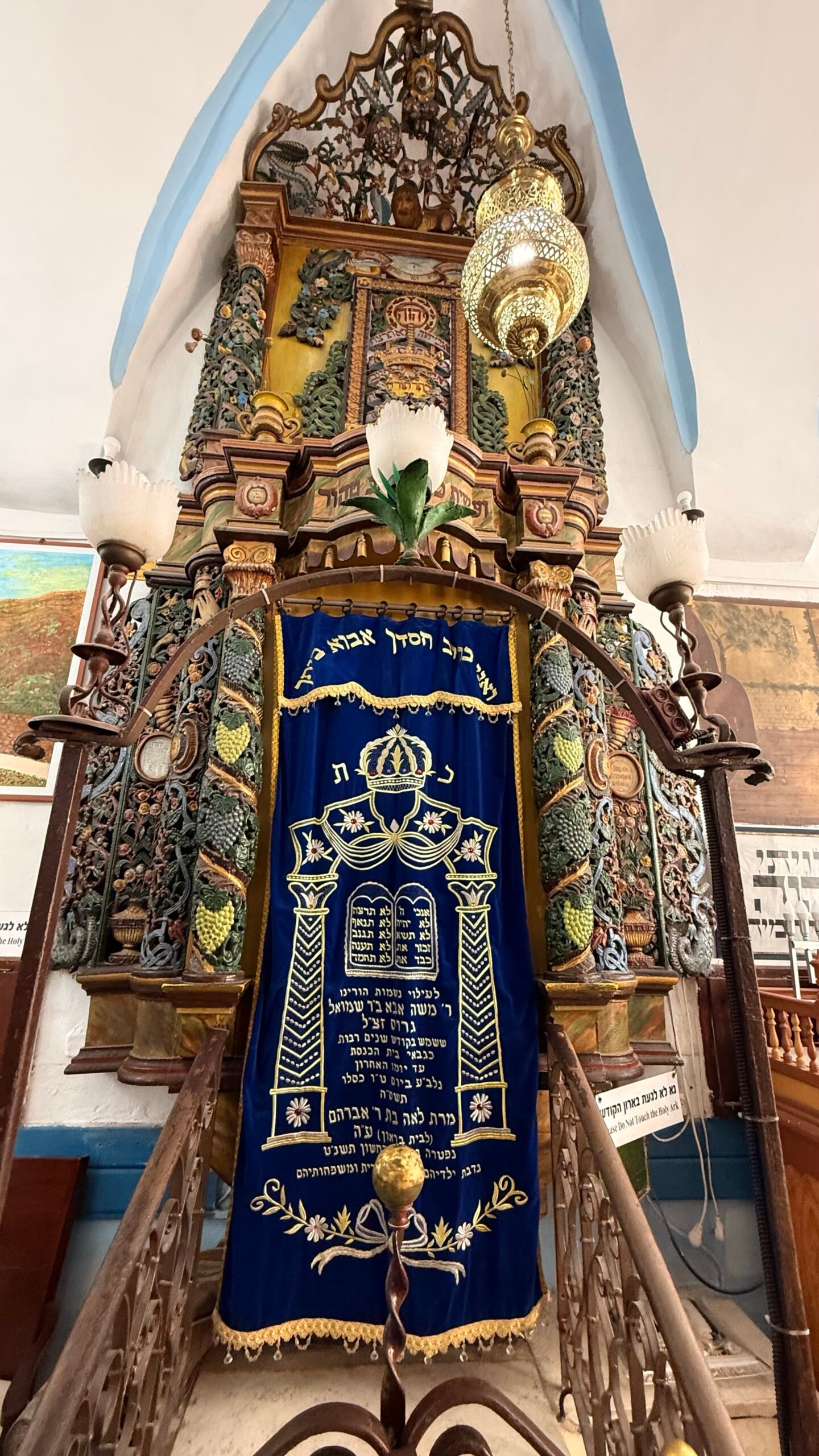
The Holy Siblings: Moses, Aaron, and Miriam
In the rich tapestry of Jewish history and theology, few figures stand as prominently as Moses, Aaron, and Miriam. These three siblings are not merely historical characters; they represent the embodiment of leadership, divine favor, and the multifaceted relationship between G-d and His chosen people, Yisrael. Their unique contributions to the spiritual journey of the Israelites, their roles in divine providence, and their significance in the transition of leadership from Moses to Joshua offer profound insights into the nature of faith, resilience, and the communal experience of the Jewish people. This essay seeks to delve deeper into the lives of these extraordinary individuals, illuminating their relationships and the lasting impact they had on the trajectory of Jewish history.
The narrative of the siblings begins with a fundamental understanding of G-d’s special treatment of Yisrael, as articulated by Rabbi Chizkiyah. According to the teachings, Yisrael is not merely a nation but a community endowed with a unique identity that stems from being designated as “holy firstborn sons.” This designation implies an intimate, familial relationship with the Divine, underscoring that Yisrael occupies a special place within God’s creation. The verse, “And let them make Me a sanctuary, that I may dwell among them” (Shemot 25:8), encapsulates G-d’s desire to reside among His people, establishing them in a sanctified state akin to the celestial realms. This divine presence is manifested through the seven clouds of glory that enveloped the Israelites during their journey through the wilderness, serving as a visible reminder of G-d’s protection, guidance, and nurturing care.
At the heart of this narrative stand the three holy siblings: Moses, Aaron, and Miriam. Each of them occupies a unique and indispensable role within the divine plan, and it is through their merit that the people of Yisrael are bestowed with extraordinary gifts. Moses, as the chief prophet and leader, is often regarded as the very embodiment of the law and the voice of G-d. His unparalleled ability to communicate with the Divine and to convey G-d’s will to the people is a testament to his unique status among the patriarchs. Aaron, his elder brother, serves as the High Priest and is described as the right arm of Moses, symbolizing support, strength, and the mediation of divine favor. Miriam, their sister, plays a crucial role as a prophetess and leader among women, representing the nurturing aspect of divine guidance and the importance of women’s voices in the spiritual life of the community.
The relationship between these three siblings is not merely familial but is also imbued with a sense of divine purpose. Rabbi Chizkiyah emphasizes the importance of their collective contributions to the spiritual health of Yisrael. He reflects on the metaphor of Aaron as the “right arm” of Yisrael, illustrating that without this arm, the community would be vulnerable, akin to a body without strength. This metaphor highlights the critical nature of Aaron’s presence in maintaining the spiritual and physical fortitude of the Israelites. The phrase “the way of Atarim” captures the essence of their journey—without Aaron, the people were like a body deprived of an arm, struggling to navigate the challenges ahead. As the Israelites confronted various adversaries, Aaron’s leadership served as a stabilizing force, ensuring that they remained united in purpose and spirit.
The death of Aaron marks a significant turning point in the narrative of Yisrael, a moment that is laden with emotional and spiritual implications. Rabbi Chizkiyah poignantly notes that the absence of the “right arm” leads to a metaphorical weakening of the community. This notion resonates deeply in the verse, “and they are gone without strength before the pursuer” (Eichah 1:6), encapsulating the despair that accompanies the loss of vital leadership. The profound emotional and spiritual bond between Moses, Aaron, and the people of Yisrael becomes evident as they face the trials of life in the wilderness without their guiding figures. The dynamics of leadership, guidance, and support become intertwined, illustrating the collective responsibility they held for the community’s well-being.
Moses’ life was characterized by the miraculous provision of manna, the heavenly bread that sustained the Israelites during their arduous journey through the desert. This sustenance, which descended from the heavens, symbolizes a direct relationship with G-d, who provided for His people in their time of need. The miraculous nature of the manna served not only as physical nourishment but also as a spiritual reminder of G-d’s constant presence and provision. However, the transition from manna to “the corn of the land” following Joshua’s leadership symbolizes a significant shift in the nature of divine sustenance and the relationship between G-d and Yisrael. The cessation of the heavenly bread upon Moses’ departure illustrates a departure from direct divine providence, as the Israelites begin to cultivate their connection to the land itself.
Rabbi Chizkiyah contrasts the leadership of Moses with that of Joshua, delineating the difference between the sun and the moon. During Moses’ lifetime, the Israelites were led by the sun, Zeir Anpin, a representation of divine authority and illumination. This metaphor captures the essence of Moses’ leadership: his ability to shine light upon the laws, morals, and values that would guide the Israelites in their covenantal relationship with G-d. He was the embodiment of clarity, vision, and divine instruction. With Joshua’s emergence as leader, however, the people are guided by the moon, Malchut, which symbolizes a transition into a more earthly existence that requires self-sufficiency and cultivation of the land. This transition underscores the evolving relationship between Yisrael and G-d, as they navigate their identity as a people who are now tasked with nurturing both their spiritual and physical sustenance.
The discussion surrounding the leadership of Moses, Aaron, and Miriam expands into the complexities of divine partnership, particularly the challenges faced by individuals in their spiritual journeys. Rabbi Eleazar brings forth poignant questions regarding the nature of relationships and the inherent difficulties in finding one’s true counterpart. The idea that one might need to depart for another to find their true partner reflects the intricate dance of fate and divine timing that governs human relationships. The tension between spiritual aspirations and earthly realities becomes a central theme, prompting reflections on the nature of love, partnership, and the pursuit of holiness in the mundane.
In conclusion, the lives and legacies of Moses, Aaron, and Miriam are woven into the very fabric of Jewish identity and spirituality. Their unique roles exemplify the divine favor bestowed upon Yisrael and serve as a model for understanding the relationship between leadership, community, and G-d. Their story continues to inspire and guide us, offering profound insights into the nature of faith, resilience, and the journey of the soul. As we reflect on their contributions, we are reminded of the importance of unity, support, and the deep connection to both the divine and the land. The lessons learned from their lives resonate through the ages, encouraging us to cultivate our relationships with each other and with the Divine as we navigate our own journeys through life.
**The Philosophical and Theological Implications of Death, Kingship, and Divine Presence in Jewish Thought**
The intricate relationship between death, divine will, and the unfolding of leadership is a recurrent theme in Jewish theology, as illustrated through the narratives of King Saul, David, and Moses. The assertion that “the death saves the man from seeing his wife belong to another” serves as a profound metaphor that encapsulates the dynamics of sovereignty, divine order, and the intrinsic relationship between life and death within the framework of Jewish thought. This essay will explore these themes in depth, examining the theological implications of death, leadership transitions, and divine guidance within the Jewish tradition.
To unpack this assertion, it is essential to recognize the significance of timing in the divine plan. King Saul’s reign is often viewed as a precursor to David’s kingship, marked by a divine decree that David’s ascendance had not yet arrived. The biblical narrative reveals that Saul was chosen by G-d to lead the Israelites, but his reign was marred by disobedience and moral failings. The notion that Saul was gathered up for his iniquities serves as a testament to the belief that divine justice operates within a predetermined timeline. The divine orchestration ensures that Saul, who represents the waning sun, does not witness the rise of David, the embodiment of the moon, thereby preventing his potential despair over the loss of kingship and authority.
This analogy extends to the narrative of Moses and Joshua, where the transition of leadership is portrayed through celestial imagery. Just as the sun and moon represent different aspects of divine guidance, so too do Moses and Joshua embody distinct phases in the spiritual evolution of the Israelite people. Moses, as the sun, symbolizes the peak of prophetic leadership, characterized by direct communication with God, the giving of the Torah, and the establishment of the covenant. In contrast, Joshua, the moon, signifies a new era of leadership that, while still illuminated by the past, must forge its own path as the Israelites enter the Promised Land.
The text suggests that Moses’ death occurs in alignment with Joshua’s readiness to lead, symbolizing the inevitable cycle of leadership transition within the divine schema. The sun, as a metaphor for Moses’ leadership, must set to allow the moon, represented by Joshua, to shine. This celestial metaphor underscores the importance of divine timing in leadership succession, suggesting that the transition is not merely a change of personnel but a necessary evolution in the spiritual journey of the people. The death of a leader at the right moment ensures that their legacy will continue to guide and inspire the next generation, allowing for the emergence of new possibilities while honoring the foundational principles laid by their predecessors.
Moreover, the question surrounding the abundance of instructions given to Moses as he nears death, rather than to Joshua, reveals deeper insights into the nature of divine communication and leadership. The idea that Moses would continue to illuminate G-d’s messages for Joshua, even in death, speaks to the enduring impact of righteous leadership and the transmission of wisdom. This continuity is likened to the sun’s hidden light that still serves to illuminate the moon. Thus, the transition of leadership is not merely a shift in power but a profound transfer of spiritual illumination and guidance. Moses’ instructions serve as a roadmap for Joshua, ensuring that the values, ethics, and divine commandments are preserved and upheld as the people move forward.
In the context of Shemot 33:15-16, Moses’ insistence that he would not proceed without G-d’s presence encapsulates the essential nature of divine companionship in leadership. Moses’ desire for the direct guidance of G-d, rather than the intermediary of an angel, signifies the depth of his relationship with the divine. This relationship is pivotal; it signifies the importance of having G-d’s presence as a pillar of strength and clarity in the face of uncertainty. The sun’s guidance, symbolic of divine authority, cannot coexist with the moon’s lesser light, reflective of human leadership, unless there is a clear delineation of roles and divine presence. Moses’ plea underscores the necessity of divine support in undertaking significant endeavors, particularly when leading a nation through uncharted territory.
The exploration of the souls emerging into the world, male and female, adds a layer of complexity to the understanding of divine interventions in human relationships. The dynamics of soulmates and the timing of their union reflect the belief that the divine orchestrates relationships in accordance with a cosmic schedule. The idea that an unworthy partner may be removed from the world to allow for the rightful union of soulmates exemplifies the belief in divine justice and the moral order that governs human interactions. This principle highlights the belief that every individual has a designated time and purpose, and deviations from this divine plan can lead to unforeseen consequences.
The assertion that sometimes ruin comes for want of judgment articulates the complexities of divine justice. This concept posits that even those who do not sin egregiously may face premature death when their time has not come, challenging the notion of fairness in divine judgment. The text suggests that divine retribution is intricately connected to the timing of events in the world; when the time of a rightful union arrives, the moral order necessitates the removal of obstacles, even if those obstacles have not committed heinous acts. This interplay between spiritual retribution and the divine plan underscores the notion that human life is not merely a product of individual actions but is intricately bound to the greater narrative of divine will and cosmic order.
In conclusion, the intersection of death, kingship, and divine presence encapsulates a rich tapestry of Jewish theological thought. The narratives of Saul, David, and Moses serve as profound illustrations of the divine orchestration of leadership transitions and the moral complexities inherent in human relationships. The insights gleaned from these texts illuminate the belief that divine timing, presence, and the pursuit of righteousness play crucial roles in the unfolding of human history. Through the lens of Jewish thought, the interplay of life and death, authority and humility, and divine presence continues to resonate, offering profound lessons on the nature of existence and the pursuit of spiritual truth. Ultimately, these teachings encourage a reflective understanding of our lives and relationships within the context of a larger, divinely guided narrative.
The Divine Wisdom of Transition: A Deep Dive into Death and Succession in Jewish Thought
The profound interrelation between life, death, and the divine orchestration of events is a recurring theme in Jewish texts, especially within the teachings of our sages. This rich tapestry of thought delves deep into the moral, spiritual, and psychological dimensions of existence, inviting us to contend with the ramifications of our earthly experiences. Within this intricate framework, one particularly poignant narrative stands out: Rabbi Elazar’s commentary on the fate of King Saul and the subsequent ascension of David as the rightful king of Israel. The interplay of human agency, divine intention, and the moral fabric of existence beckons a deeper exploration into the question of why death is not merely an end but rather a transformative process that serves the greater good of the community and the divine plan.
At the heart of this discussion lies the notion that death is an act of divine kindness. Rabbi Elazar posits that the Holy One, blessed be He, deliberately separates the deceased from the living out of compassion. The text articulates that when a man dies—especially in the context of marriage—it is done so that he will not have to witness his spouse enter into a union with another. This perspective urges us to consider the emotional and psychological repercussions of authority, companionship, and loss. The sanctity of marriage, and the bond formed therein, transcends mere social contract; it represents a profound spiritual connection that endures beyond time and space. Thus, the divine act of removing a soul from the earthly realm should not be seen as an arbitrary decision but rather as an act of mercy that protects the living from the anguish of witnessing betrayal, loss of authority, or the disintegration of bonds once thought indestructible.
The narrative of King Saul exemplifies this principle in a compelling and multifaceted manner. Although the kingship was destined for David, the timing of that transition was dictated by divine wisdom. Rabbi Elazar elucidates that Saul was allowed to gather his soul while still reigning, thus sparing him the humiliation of seeing a successor take over. This reflects a deep understanding of human dignity and the divine consideration for the feelings and honor of individuals, even amidst their failures. It suggests that the divine does not merely act in the realm of justice but encompasses compassion, understanding the emotional complexities of leadership and kinship. The manner in which G-d orchestrates these transitions highlights a fundamental belief in preserving dignity and honor, even in the face of adversity or moral failure. This begs the question: what lessons can we draw from Saul’s story about leadership, humility, and the nature of divine mercy?
Furthermore, this raises a significant theological inquiry: why did G-d not simply transfer the kingship from Saul to David without necessitating death? The answer lies nestled within the complex nature of divine governance and the human experience of loss. G-d’s decision to allow Saul to die before David’s ascension speaks to a profound respect for the human experience of authority and the pain often accompanying transitions. The metaphor of the sun and moon, as articulated in the text, symbolizes the natural order and the inevitability of succession. Just as the sun must set for the moon to rise, so too must one leader pass for another to assume their rightful place in the unfolding narrative of history.
Moreover, the relationship between Saul and David is emblematic of broader human experiences of loss, succession, and the intricacies of relational dynamics. Rabbi Elazar’s commentary serves as a poignant reminder of the necessity for humility when entering significant life changes, such as marriage or leadership roles. The plea for mercy when entering a marriage reflects a recognition of the fragility of human relationships and the potential for unforeseen circumstances that can alter the course of lives. It suggests that even in moments of joy, one must remain cognizant of the divine plan and the potential for change and loss. The acknowledgment of these dynamics encourages a deeper understanding of the human condition and the spiritual significance of our choices.
In the context of Moses and Joshua, the text recounts G-d’s directive to Moses that he must relinquish leadership and prepare Joshua to take charge, evoking a rich tapestry of themes related to mentorship, legacy, and divine purpose. The metaphor of the sun and moon resurfaces here, emphasizing the cyclical nature of leadership and the importance of recognizing when one’s time has come to an end. G-d’s command to Moses, coupled with the acknowledgment of the people’s future disobedience, underscores the complexity of divine justice and mercy. Moses is tasked with ensuring that the covenant between G-d and Israel remains intact, even as he must prepare for his own death. This moment transcends mere succession; it becomes a profound illustration of the continuity of divine purpose through human vessels.
The act of Moses preparing Joshua to lead serves as a powerful testament to the importance of mentorship and the passing of wisdom from one generation to the next. It emphasizes that leadership is not merely a position of authority but a responsibility that carries with it the weight of moral and ethical obligations. This transmission of leadership is a divine orchestration that ensures the continuity of purpose and mission, even in the face of human fallibility. The teachings derived from this narrative invite us to reflect on our own responsibilities to those we mentor and lead, urging us to be mindful of the legacy we leave behind.
Moreover, the interconnectedness of these narratives reveals a profound truth about the human experience: that death, while often perceived as a tragic end, can also be an opportunity for renewal and rebirth. Just as the cycle of life and death is mirrored in nature, so too does the spiritual realm reflect this cyclical transition. The sacred texts encourage us to embrace the inevitability of change, recognizing that each ending paves the way for a new beginning. This dynamic interplay between death and renewal fosters resilience and hope, urging us to find meaning even in the face of loss.
In conclusion, Rabbi Elazar’s discourse on death, succession, and divine kindness invites us to reflect on the nature of human existence and our relationship with the divine. It challenges us to consider how transitions in life—whether through death, leadership, or marriage—are intricately woven into the fabric of divine intention. The wisdom inherent in these teachings encourages a deeper understanding of our own lives, urging us to approach change with humility, gratitude, and a keen awareness of the greater plan at work. Through this lens, death is not simply an end; it is a necessary step in the unfolding journey of life, imbued with divine compassion and purpose. It calls upon us to cherish our relationships, honor the legacies we inherit, and approach each transition with the understanding that we, too, are part of a grand narrative that extends beyond our individual lives, connecting us to the eternal tapestry of existence.
As we navigate the complexities of our own lives, may we find inspiration in these teachings, allowing them to guide us in our endeavors and compel us to embrace the divine wisdom that permeates every transition. By doing so, we not only honor the past but also prepare ourselves for the future, ensuring that we remain open to the profound mysteries and blessings that lie ahead. The journey of life, death, and renewal is one that each of us must navigate, and through the lens of Jewish thought, we are reminded that we are never alone in this sacred dance but rather participants in a cosmic narrative that is ever-evolving and deeply connected.
The Significance of Leadership Transition in Jewish Thought: An In-Depth Analysis of the Verses Relating to Moses and Joshua
The transition of leadership from Moses to Joshua is one of the most significant moments in the Jewish narrative, encapsulated in the poignant verses from Deuteronomy that convey profound theological and spiritual insights. The statement made by the Holy One, blessed be He, “Behold, you shall sleep with your fathers,” to Moses serves as a powerful reminder of the inevitable passage of time and the cyclical nature of leadership within the Jewish tradition. This essay seeks to explore the multifaceted implications of these verses and the metaphorical representations of Moses and Joshua, particularly the celestial imagery of the sun and the moon that highlights the themes of spiritual continuity and the responsibilities of leadership.
The metaphorical juxtaposition of Moses and Joshua with celestial bodies is rich with meaning and significance. Moses is likened to the sun, representing the bright and illuminating force that guided the Israelites through their trials and tribulations. The sun, in its brilliance, signifies not only leadership but also the divine wisdom that Moses imparted to his people. Conversely, Joshua is compared to the moon, which, while dependent on the sun for light, still possesses the ability to reflect that light and provide guidance during the night. This relationship between the two figures illustrates a critical aspect of Jewish leadership: the idea that the essence and teachings of a leader transcend their physical existence. Just as the sun’s light enables the moon to shine, so too do Moses’s words and divine instructions empower Joshua to lead the Israelites into the Promised Land.
In this context, the verse “you shall sleep with your fathers” serves as a testament to the mortality of even the greatest leaders. It is a poignant reminder that all human beings, regardless of their accomplishments or spiritual stature, must ultimately face death. However, the subsequent teachings and guidance provided to Joshua signify that the impact of a true leader does not end with their physical departure. Instead, it continues to resonate within the hearts and minds of their successors and the community at large. This enduring influence reflects the Jewish belief in the continuity of tradition and the importance of mentorship, where wisdom is passed down through generations, allowing for growth and development within the community.
Moreover, the distinction between the commands “for you must go (tavo)” and “for you shall bring (tavi)” from Deuteronomy further elucidates the dual responsibilities placed upon Joshua as he steps into his role as leader. The former command, “tavo,” signifies Joshua’s entry into the land and establishment of a physical presence, while the latter, “tavi,” conveys the imperative of governance over the people of Israel. This bifurcation of roles emphasizes the comprehensive nature of leadership within the Jewish tradition, where spiritual, moral, and communal responsibilities are intricately intertwined. Joshua is not only tasked with leading the people geographically into the Promised Land but also with ensuring that they adhere to the covenant established with G-d, thus reinforcing the importance of moral and ethical conduct.
Rabbi Shimon’s commentary on the nature of praise and sanctity within the Jewish community adds yet another layer of depth to this analysis. He posits that the spiritual readiness of the community, particularly in their praise of G-d, holds significant implications for their collective sanctity. The idea that Malchut (the aspect of divine sovereignty) is ready to praise G-d after midnight symbolizes a transition from darkness to light, paralleling the shift from Moses to Joshua. Rabbi Shimon highlights the critical window of time following midnight, wherein the power of wickedness is diminished, and the potential for spiritual elevation is heightened. This notion of spiritual elevation is particularly relevant to the Jewish understanding of communal responsibility and collective spiritual growth.
In this context, the act of praising G-d becomes a communal endeavor that contributes to the divine union, emphasizing the importance of collective spirituality in fostering divine favor. The songs of praise and joy that were sung by the Israelites as they entered the Holy Land with the Ark of the Covenant symbolize the harmony and unity that should exist within the community. However, Rabbi Shimon also poignantly reflects on the fragility of this unity, expressing his lament, “Woe to me! Traitors have dealt treacherously.” This acknowledgment of human imperfection aligns with the Jewish ethos of teshuvah (repentance) and the necessity for constant vigilance in maintaining one’s spiritual integrity.
The historical context of Israel’s entry into the Holy Land, juxtaposed with the eventual betrayal of G-d’s covenant, underscores the cyclical nature of Jewish history marked by both triumph and tribulation. The celebration of entering the Promised Land is marred by the foresight of future challenges and the potential for betrayal. Rabbi Shimon’s words serve as a cautionary reminder that the covenant between G-d and the Israelites is one that requires active engagement and commitment. The implications of this covenant extend beyond individual leaders, emphasizing the responsibility of the entire community to uphold their spiritual and ethical obligations.
In conclusion, the transition from Moses to Joshua encapsulates essential themes of legacy, leadership, and communal spirituality within Jewish thought. The metaphor of the sun and moon vividly illustrates not only the continuity of divine guidance but also the responsibilities that come with leadership. The dual commands to “go” and “bring” highlight Joshua’s multifaceted role as both a leader and a guardian of the covenant. Rabbi Shimon’s insights into communal praise and spiritual readiness emphasize the collective aspect of spirituality, calling upon the Jewish people to engage actively in their relationship with the divine. This interplay of light and darkness, leadership and community, serves as a powerful reminder of the enduring nature of faith, the importance of spiritual readiness, and the necessity of vigilance against betrayal.
As we reflect on these texts and their implications, we are invited to consider our roles within our communities and the legacy we wish to impart to future generations. Ensuring that the light of our teachings continues to shine brightly is not only a responsibility of leadership but a collective endeavor that requires the active participation of all members of the community. In this way, we can honor the legacy of our leaders, embodying their teachings and ensuring that the values of justice, compassion, and holiness remain central to our lives as we navigate the complexities of our modern world.
**When Is She Ready to Praise the Holy One, Blessed Be He?**
In the intricate tapestry of Jewish spirituality, the time from midnight onward is imbued with profound significance, particularly concerning the act of praising the Holy One, Blessed Be He. This essay seeks to explore the multifaceted dimensions of this midnight hour as a period of spiritual awakening, during which the Congregation of Yisrael is called to express their gratitude and reverence through song. This exploration will reveal the interconnectedness between divine praise, personal sanctification, and the essence of righteousness, all of which are deeply rooted in the rich traditions of Judaism.
The inquiry, “When is she ready to praise the Holy One, Blessed Be He?” encapsulates a deeper spiritual question about readiness and the conditions necessary for true praise. This inquiry transcends the mere passage of time, suggesting a state of spiritual preparedness that one must cultivate to connect with the divine effectively. As the clock strikes midnight, a special spirit is roused, signifying the onset of a period where the forces of darkness, represented metaphorically by tyrannical litigants, lose their grip on the world. These adversaries symbolize not only external challenges but also the internal struggles that each individual faces, which can obstruct a complete and meaningful relationship with the divine.
In this mystical framework, the phrase “we heard songs” emerges as a powerful declaration of spiritual awakening. The word “songs,” or “zemirot,” carries significant meaning in this context, evoking notions of joy, celebration, and divine connection. This duality of meaning is notable; not only do these songs express emotional and spiritual exuberance, but they also act as a form of spiritual resistance against the forces that seek to undermine one’s faith and spiritual integrity. The connection drawn between song and pruning is particularly profound. Just as pruning involves the process of carefully removing excess to allow for new growth, the act of singing during the midnight hour serves to remove spiritual obstructions that hinder individuals from fully embracing their divine purpose and potential.
The concept of “glory to the righteous” further enriches this exploration. Within Kabbalistic thought, Malchut—representing divine sovereignty—yearns to unite with the Holy One, Blessed Be He. This union is characterized by holiness, sanctity, and the realization of divine will. The glory that emerges from this relationship is not merely a reflection of righteousness but an expression of deep desire—the longing to connect with the divine essence that permeates all existence. This understanding calls upon individuals to engage in self-reflection and to contemplate their spiritual state and the role of righteousness in fostering a profound connection with the Holy One.
However, this journey toward praise and sanctification is fraught with challenges, poignantly expressed in the lament, “woe to me.” The phrase “my leanness” (Heb. “razi”) speaks to a spiritual emptiness that arises from failing to uphold the sanctity of the divine relationship during moments of intimacy. The teachings of the Torah emphasize that the act of procreation should be approached with a profound sense of sanctity, as it carries the weight of divine potential. When individuals neglect to sanctify themselves during these sacred moments, they risk producing offspring that may also be spiritually blemished. This notion underscores the imperative of aligning one’s actions with divine will, ensuring that holiness permeates every aspect of life, including the most intimate relationships.
The teachings of the prophet Isaiah provide a compelling narrative that illustrates the importance of sanctification and its far-reaching implications. Isaiah gathered those who feared sin, imparting to them the holy way of being sanctified. His efforts were aimed at ensuring that the children born from these sanctified unions were not only set apart but also imbued with a sense of divine purpose. The statement, “Behold, I and the children whom Hashem has given me are for signs and for portents in Yisrael,” serves as a powerful affirmation of the transformative power of holiness in shaping the identity and destiny of the Jewish people. This assertion invites individuals to consider the broader implications of their spiritual choices, emphasizing the collective responsibility to cultivate a legacy of righteousness and holiness for future generations.
Moreover, the historical narrative of Yisrael entering the land of promise, accompanied by the holy ark of the covenant, serves as a poignant reminder of the joyous praises that resonate within the land. As the people traversed the terrain, they were enveloped in an atmosphere of joy, celebration, and divine connection, creating an enduring legacy of faith. The praises directed toward figures such as Moses symbolize a collective acknowledgment of divine guidance and the centrality of the Torah in their lives. Yet, amidst this joyous declaration, the somber reflection, “woe to me, traitors have dealt treacherously,” serves as a cautionary tale. It warns of the potential for betrayal against the Holy One and the dire consequences of falsehood and disconnection from divine providence. This duality—the celebration of spiritual connection alongside the acknowledgment of betrayal—highlights the complex nature of the human experience and the constant struggle to remain faithful to divine command.
In conclusion, the time from midnight onward stands as a sacred opportunity for the Congregation of Yisrael to engage in heartfelt praise of the Holy One, Blessed Be He. This moment represents a unique convergence of spiritual forces, where the potential for sanctification and divine union is not only present but palpable. As individuals strive for righteousness and actively embrace the sanctity of their actions—particularly during the intimate moments of life—they draw forth a holy spirit that elevates their own spiritual state while simultaneously impacting future generations. The teachings of Jewish mysticism serve as a potent reminder that in our pursuit of holiness and praise, we actively participate in the divine narrative, shaping not only our destiny but also that of our people.
Ultimately, this call to awaken the spirit within, to embrace the sacred, and to sing out praises that resonate across time and space encapsulates the essence of Jewish spirituality. It is an invitation to cultivate a deeper connection with the Holy One, Blessed Be He, fostering an environment in which righteousness flourishes and the legacy of holiness is sustained for generations to come. The midnight hour, in its stillness and sanctity, serves as a powerful reminder that our praises and actions have the potential to transform our lives, our communities, and our world.
The Testament of Stone and Song: An In-Depth Exploration of Joshua’s Memorial and Moses’ Lament
The narratives of the Torah are rich with themes of memory, covenant, and divine witness, as vividly illustrated through the actions of Joshua in placing a stone and the poignant song that Moses recited just before his passing. Both elements serve not only as memorials but also as instruments of testimony against Israel, encapsulating the enduring relationship between the Jewish people and G-d. This essay delves into the significance and implications of these two elements, examining how they reflect the covenantal responsibilities of Israel, the sanctity of sacred space, and the profound connection between memory and identity in the Jewish faith.
In Devarim 31:26, the directive to “Take this book of the Torah and put it in the side of the Ark of the Covenant of Hashem your Elohim” is laden with significance. The choice of the phrase “your Elohim” in contrast to “our Elohim” is not merely a linguistic variation; it reflects a deliberate theological stance that emphasizes individual and collective responsibilities of the Israelites. This differentiation serves as a reminder that each member of the community bears a personal accountability for their relationship with G-d while simultaneously being part of a larger collective obligation to uphold the covenantal relationship with the Divine. In this context, the Torah is not just a book of laws but a living document that requires active engagement and interpretation, resonating with the Jewish tradition of diverse readings and understandings of sacred texts.
The discussion surrounding the phrase “your Elohim” brings to light the significance of personal connection to the divine. Each Israelite is called to recognize their relationship with G-d as both unique and communal. This duality is foundational in Jewish theology, where the individual’s experience of faith is woven into the communal tapestry of the people. This is further underscored by Rabbi Aba’s commentary on the notion of “the place on which you do stand is holy ground” (Shemot 3:5). The land, which is described as Malchut (sovereignty), is not simply a geographical entity but a spiritual arena imbued with the divine presence and historical significance. The land of Israel is characterized as a site where the divine and human coexist, thus elevating its status to one of sacredness.
The stone that Joshua placed serves as a tangible reminder of this sacred covenant. It embodies the permanence of G-d’s promises and the call to fidelity from the people of Israel. This stone is not merely a physical marker; it is a testament, as indicated in Yehoshua 24:27: “Behold, this stone shall be a witness to us.” Here, the stone functions as a witness to the covenantal commitments that the Israelites made before entering the Promised Land. It encapsulates the collective memory of the Israelites, serving as an enduring reminder of their journey, struggles, and triumphs. This role of the stone is echoed in Devarim 31:26, where it states that the book of the Torah is a witness against Israel. This highlights the dual role of testimony; it affirms the covenant while simultaneously holding the people accountable for their actions.
The stone becomes a physical manifestation of the abstract concept of memory. Memory in Jewish tradition is not merely a passive recollection of the past but an active engagement with history that informs present actions and future decisions. The stone invites the Israelites and their descendants to reflect on their shared history and the commitments made at pivotal moments in their journey. It serves as a call to remember their covenant with G-d, urging them to remain faithful, even in times of uncertainty or disobedience.
The significance of the song that Moses recited is equally profound and serves as a complementary element to the stone. The song, described as a “poem,” is intended to serve a dual purpose: it is both a form of worship directed toward G-d and a mechanism of remembrance for the people of Israel. Rabbi Elazar’s interpretation of the verse “And Moses spoke… the words of this poem, until they were ended” (Devarim 31:30) underscores the meticulous nature of the message being conveyed. Each word was engraved with the name of the Holy One, illustrating the sacredness of the communication between Moses and G-d. This process of engraving signifies the gravity of the truths being imparted to the Israelites—a reminder of their covenantal obligations and the repercussions of transgression.
The song itself is constructed to resonate deeply within the hearts of the Israelites, embedding the laws and teachings of G-d into their collective consciousness. Rabbi Shimon’s discourse on the importance of Moses’ song within the broader context of biblical poetry highlights its role in connecting the people to G-d and unifying His Name. While the Song of Songs and David’s last psalm are revered, Moses’ song stands out as a unique testament to the collective history and spiritual journey of the Israelites. It serves as a prophetic foretelling of the challenges that lie ahead, thus preparing the people for the inevitable struggles and potential failures they may face.
This prophetic quality of the song serves to reinforce the idea that memory is essential for the sustenance of faith. It reminds the Israelites of their history, their relationship with G-d, and the consequences of turning away from divine commandments. The song becomes a tool for communal reflection, encouraging future generations to learn from the past and remain vigilant in their observance of the Torah. It serves as a powerful reminder that the covenant with G-d is not a one-time event but an ongoing relationship that requires continual commitment and vigilance.
The interplay between the stone and the song manifests a profound theological assertion: that memory and testimony are pivotal in the life of the Israelite community. The stone signifies the permanence of G-d’s covenant, while the song encapsulates the lived experience of faith, obedience, and the inevitable challenges of human frailty. Together, they create a narrative that transcends time, calling future generations to remember their roots, uphold their covenant with G-d, and recognize the sanctity of their shared history.
In conclusion, the stone placed by Joshua and the song sung by Moses before his death are intricately linked in their purpose and significance. They serve as enduring symbols of the covenant between G-d and the people of Israel, reminding them of their sacred responsibilities and the consequences of their choices. In the rich tapestry of Jewish tradition, these elements invite ongoing reflection on the importance of memory, testimony, and the unbroken bond with the divine. Through these acts, the legacy of faith continues to resonate, urging each generation to engage with their heritage and uphold the teachings of the Torah. The stone and the song, thus, are not mere historical artifacts; they are living components of a dynamic faith that continues to guide and inspire the Jewish people in their ongoing journey toward spiritual fulfillment and communal unity.
**An In-depth Exploration of “The Poem”: Rabbi Aba’s Teachings and Their Spiritual Significance**
Judaism, a rich tapestry of texts, traditions, and interpretations, provides profound insight into the relationship between the Divine and the human experience. Central to this exploration are the teachings of Rabbi Aba, particularly his commentary on the significance of the term “the poem” (Heb. shirah). Through his analysis, Rabbi Aba offers deep insights into the nature of song, the Divine, and the unique role of Moses within the spiritual hierarchy. This essay will take an expansive journey through Rabbi Aba’s teachings, focusing on the implications of the definite article (Heb. hei) in “the poem,” the relationship between Moses and other prophets, and the broader metaphysical dimensions of song and praise.
To begin with, Rabbi Aba’s inquiry into the use of “the poem” instead of a more general term like “a poem” serves as the foundation for a deeper exploration of religious language and its implications. The definite article in Hebrew, represented by the letter hei (ה), signifies specificity and uniqueness. By employing “the poem,” Rabbi Aba directs our attention to a particular poem recited by the Holy One, blessed be He, which is set apart from all other forms of expression. This notion is reinforced through the example of “The song of songs, which is Solomon’s” (Shir Hashirim 1:1), where the term “song” signifies a unique form of praise that transcends ordinary expressions of worship. The recognition of “the poem” as a distinct, divinely inspired creation underscores its significance in the spiritual life of the Jewish people, highlighting that it is not merely a literary work but a sacred expression of Divine will and intention.
As we delve deeper into Rabbi Aba’s teachings, we encounter the subsequent reference to the Psalm for the Shabbat day (Tehilim 92:1), which introduces the concept of Malchut, or Kingship, into the discussion. Shabbat, observed with reverence and joy, is not merely a day of rest; it embodies a spiritual dimension where the Divine presence is particularly accessible to the faithful. Rabbi Aba’s assertion that the Holy One recited a song specifically for Shabbat emphasizes the sanctity of the day and its connection to the Divine. In Kabbalistic thought, Shabbat is viewed as the culmination of the week—a time when the physical and spiritual realms converge, allowing for a greater awareness and experience of the Divine presence in our lives.
The aspect of Malchut is particularly noteworthy, as it embodies the nurturing and sustaining qualities of G-d that are especially manifest during Shabbat. The song recited for Shabbat serves as a reminder of the intimate connection between the Creator and the creation, highlighting the importance of recognizing and celebrating this relationship through acts of praise and gratitude. This perspective encourages us to approach Shabbat not merely as a day of cessation from work but as an opportunity to engage in a higher form of existence characterized by spiritual awareness and connection to the Divine.
As we continue to unpack Rabbi Aba’s insights, we find an important distinction between the masculine term “shir” and the feminine term “shirah.” This distinction carries significant implications within the framework of Kabbalistic thought, where male and female aspects symbolize different modes of spiritual expression and interaction with the Divine. The term “shir” is associated with Zeir Anpin, which embodies emotional attributes and male qualities, while “shirah,” as a representation of Malchut, signifies the aspect of the Divine that receives and nurtures. This interplay between masculine and feminine qualities emphasizes the holistic nature of the Divine, suggesting that both aspects are essential for a complete understanding of spiritual truth.
Rabbi Aba’s teachings also explore the unique relationship between Moses and the other prophets. His assertion that all prophets, in relation to Moses, are likened to “a monkey in the sight of men” speaks to the unparalleled connection Moses had with the Divine. While the other prophets recited “shir,” reflecting a passive reception of Divine inspiration, Moses engaged in a dynamic and active process of elevation, rising from below upwards through his recitation of “shirah.” This act of praise, initiated from the realm of Malchut, signifies a profound connection to the Divine that transcends the limitations often associated with prophetic experience. The emphasis on Moses’ active role in reciting “shirah” calls attention to the importance of intention and engagement in spiritual practice; it encourages individuals to strive for a personal connection to the Divine rather than relying solely on intermediaries.
Rabbi Shimon’s rebuttal to Rabbi Aba serves to further illuminate the hierarchical spiritual experiences within Judaism. His assertion that Moses was of a much higher grade than the other prophets reinforces the idea of spiritual ascent and the transformative power of genuine devotion. Rabbi Shimon emphasizes that while the other prophets descended from above downward, Moses ascended from below upwards. This distinction has significant implications for understanding spiritual growth and the pursuit of holiness within Jewish thought. The idea that one can elevate their spiritual experience through active engagement in praise and worship is a powerful motivator for the Jewish faithful, encouraging them to seek a closer relationship with the Holy One.
Furthermore, Rabbi Aba’s examination of the phrase “this poem shall testify” reveals an intricate interplay between language, judgment, and the Earth, which is identified with Malchut. This insight indicates that the poem serves as a witness against humanity, emphasizing the moral and ethical dimensions of the text. The notion that “the earth shall rise up against him” (Iyov 20:27) connects Malchut to the execution of Divine judgment, suggesting that the physical world is intertwined with spiritual accountability. This understanding of the relationship between the Divine and the earthly realm emphasizes the importance of ethical behavior and adherence to the commandments, as the actions of individuals resonate within the broader cosmic order.
As we consider Rabbi Aba’s teachings within the context of modern Jewish life, we are invited to reflect on our own spiritual journeys and the ways in which we engage with the Divine. The understanding that one can elevate their spiritual experience through active participation—through song, praise, and ethical living—serves as a powerful reminder of the potential for personal growth and transformation. In a world where the Divine may seem distant or abstract, the insights of Rabbi Aba encourage individuals to seek out opportunities for connection, whether through communal worship, personal meditation, or acts of kindness.
In conclusion, Rabbi Aba’s teachings on “the poem” and its implications present a rich field of inquiry into the nature of Divine expression, the role of Moses, and the significance of song as a mode of spiritual elevation. Through the lens of Kabbalistic thought, the distinctions between shir and shirah, as well as the dynamic relationship between the Divine and humanity, invite deeper contemplation on the sacred nature of language and the transformative power of praise. Ultimately, this exploration challenges us to recognize our own roles in the ongoing dialogue between the Divine and the earthly realm, encouraging a more profound engagement with the spiritual dimensions of our existence. By embodying the principles articulated in this profound teaching, we can aspire to create a life filled with meaning, purpose, and an ever-deepening connection to the Holy One, blessed be He.
**The Spiritual Significance of David’s Shirah: A Kabbalistic Perspective**
In the dynamic and ever-evolving landscape of Jewish spirituality, the act of recitation—especially in the sacred contexts of prayer and song (known collectively as shirah)—holds a depth of significance that transcends the mere articulation of words. The powerful verse, “And David spoke to Hashem the words of this song” (II Shmuel 22:1), serves as a poignant reference point for understanding the multifaceted spiritual journey of King David, a central figure in Jewish history whose legacy continues to resonate across generations. This exploration will delve deeply into the Kabbalistic interpretation of this verse, illuminating the transformative power of shirah as expressed by David in the twilight of his life and the profound implications it holds for our own spiritual practices and journeys.
At its very essence, the concept of reciting shirah from below upward embodies a fundamental principle within Kabbalistic thought. This practice mirrors a mystical ascent from Malchut, the lowest of the Sefirot (the divine attributes through which G-d interacts with the world), to Zeir Anpin, the configuration of Divine attributes that reveal G-d’s presence in the everyday experiences of life. This upward movement is not merely a physical act of speech; it represents a profound spiritual engagement that seeks to unify the myriad elements of creation within a framework of divine interaction. The act of reciting shirah thus becomes a means of elevating oneself, the community, and the world toward a higher spiritual reality, allowing for a deeper and more intimate connection with the Divine.
David’s recitation of shirah at the end of his days is particularly noteworthy and rich in meaning. This moment is not arbitrary; rather, it is the culmination of a life steeped in spiritual refinement, personal growth, and transformative experiences. Throughout his life, David faced numerous trials and tribulations that tested his faith, character, and unwavering commitment to G-d. The Talmudic aphorism “Do not believe in yourself until the day you die” serves as a poignant reminder that true humility and the recognition of one’s spiritual standing are ever-present challenges requiring constant vigilance. David, as a man of deep introspection and profound emotion, arrives at a state of rest and perfection, ready to articulate his gratitude and praise to Hashem in a manner reflective of his transformative spiritual journey.
The text emphasizes that David was able to articulate this shirah because “he was in the day that Hashem delivered him out of the hand of all his enemies.” This phrase highlights the intimate relationship between divine intervention and the capacity for authentic praise. When one is liberated from their struggles and hardships, their soul is free to ascend, express thanks, and engage in a deep and meaningful dialogue with the Divine. David’s declaration of praise is thus not just a personal reflection of his state of being; it is a communal expression of gratitude that resonates with the collective experience of the Jewish people. It serves as a powerful reminder that we are all interconnected in our spiritual journeys, bound by shared experiences of suffering, redemption, and divine grace.
Rabbi Shimon’s assertion that shirah is the most valuable form of expression underscores its central role in Jewish spiritual practice. The arrangement of praise to God, as articulated by Rabbi Shimon, is not arbitrary; it is a deliberate act of spiritual engineering. By raising glory upward and drawing blessings downward, one engages in a sacred interplay that necessitates the binding of faith. This practice ultimately seeks to unify the disparate aspects of existence and align them with the Divine will. The Kabbalistic tradition elucidates that just as Moses initiated this cycle of praise from below upward, David follows suit, employing a similar structure in his own shirah.
The recitation of shirah begins with the invocation to call upon Hashem, symbolizing a journey toward the Shechinah, the divine presence that dwells within the world. This act signifies the recognition of G-d’s immanence and the desire to elevate one’s consciousness toward a higher spiritual reality. The profound beauty of this dynamic is that through our sincere prayers and songs, we are not only acknowledging G-d’s greatness but also inviting divine presence into our lives and the world around us. This reciprocity between humanity and the Divine reveals the intricate tapestry of our spiritual relationship, one woven together through acts of devotion, love, and gratitude.
David’s transition from praising G-d to acknowledging His greatness encapsulates the essence of the Kabbalistic approach to worship. The movement from Zeir Anpin back down to Malchut serves as an invitation to draw blessings into the world. This emphasizes that the divine flow must be reciprocated through acknowledgment and gratitude. In this context, the Kabbalistic understanding of the Sefirot becomes essential; it illustrates how each attribute of G-d has its function and place, and how through our prayers and actions, we can influence the flow of divine energy into the world, allowing for the manifestation of blessings and healing.
The metaphor of binding everything into one bond alludes to the ultimate goal of spiritual practice: the unification of the Holy Name. When individuals engage in this form of praise, they not only honor G-d but also align themselves with the divine will, creating a conduit for blessings to manifest in every aspect of life. Rabbi Shimon’s teachings resonate with the notion that those who honor G-d in this manner will indeed be honored in return, reinforcing the reciprocal relationship between humanity and the divine. This principle serves as a reminder that our spiritual actions have the power to impact the world around us, and that through sincere devotion, we can create a harmonious balance between the earthly and the divine.
In the context of David’s life and his myriad experiences, we can understand that the act of reciting shirah is not merely about the words spoken but the intention and spiritual state behind those words. David’s life was filled with moments of deep joy and profound sorrow, and his shirah reflects the totality of his experiences. By expressing his praise at the end of his life, David embodies the spirit of teshuvah (repentance) and the recognition of G-d’s presence in every aspect of life. This moment becomes a testament to the transformative power of faith, which can elevate even the most challenging experiences into expressions of gratitude and divine connection.
Moreover, the Kabbalistic framework invites us to reflect on the implications of David’s shirah for our own spiritual practices. The call for individuals to arrange their praise in a specific way is a reminder of the importance of intention in prayer. Each act of worship, each expression of gratitude, becomes a thread in the fabric of divine connection. This understanding encourages individuals to approach their spiritual practices with mindfulness, recognizing that every prayer is an opportunity to elevate oneself and contribute to the healing and sanctification of the world.
The practice of engaging with shirah also emphasizes the communal aspect of worship, reminding us that we are part of a larger tapestry of faith and spirituality. In Jewish tradition, the collective act of singing praises to G-d not only uplifts the individual but also strengthens the community. This communal dimension is evident in the gatherings of worship, where the voices of many unite in harmony, creating a powerful resonance that elevates the entire congregation. Each voice adds to the collective expression of faith, reinforcing the sense of belonging and shared purpose, and reminding us of the interconnectedness of our spiritual journeys.
**Exploring the Depth of “They That Despise Me Shall Be Lightly Esteemed” and the Vital Role of Amen in Jewish Spirituality**
The profound biblical phrase “They that despise Me shall be lightly esteemed,” which appears in the book of I Samuel (2:30), holds a significant place in Jewish thought and theology. This verse serves as a solemn warning and a clarion call to delve deeper into the nature of one’s relationship with the Divine. It emphasizes the importance of reverence, acknowledgment, and the spiritual practices that connect the faithful to their Creator. Through the lens of rabbinic interpretation, particularly the insights of Rabbi Yehuda and Rabbi Shimon, we can uncover richer meanings inherent in this verse, particularly in the context of the essential Jewish practice of responding ‘Amen’ to blessings. This act, which may appear to be simple at first glance, is actually imbued with profound spiritual significance, acting as a conduit for divine blessings and a means of unifying the Holy Name.
Rabbi Yehuda’s interpretation of this particular phrase highlights the critical nature of glorifying the Divine. He articulates that individuals who fail to recognize and honor their Master through appropriate observance of blessings engage in a form of spiritual negligence. Such negligence, according to Rabbi Yehuda, ultimately leads to an individual being held in low esteem by G-d. This assertion reflects a key aspect of Jewish spirituality: that our actions and intentions bear significant weight in shaping our relationship with the Divine. The practice of responding ‘Amen’ transcends mere acknowledgment; it represents a heartfelt commitment to affirming G-d’s presence and blessings in our lives, establishing a dynamic interplay between the human and the Divine.
In fact, Rabbi Yehuda boldly posits that the individual who responds ‘Amen’ is even greater than the one who makes the blessing. This assertion underscores the importance of communal participation within the divine economy of blessings. When one answers ‘Amen’ with intention and focus, they are engaging in a sacred act that not only acknowledges the blessing but also actively draws blessings from the higher realms into the world below. Rabbi Shimon further expands on this understanding, illustrating how the act of saying ‘Amen’ serves as a bridge between the divine attributes represented by Binah (understanding), Zeir Anpin (the divine manifestation of qualities), and Malchut (sovereignty). This flow of blessings is not confined to the individual but extends to the entire community, thus illustrating the interconnected nature of Jewish spirituality.
The significance of the communal aspect cannot be overstated. When the people of Israel collectively engage in the practice of responding to blessings with ‘Amen,’ they open the gates to divine favor and abundance. The metaphor of “opening the gates” is evocative, suggesting that the collective voice of the faithful calls upon divine mercy and intervention during times of need. This becomes especially poignant when the community faces challenges or adversities. The communal act of prayer and affirming blessings creates a powerful synergy that resonates in the spiritual realms, amplifying the voices of the faithful and forging pathways for blessings to flow into their lives.
The implications of this practice stretch far beyond the immediate rewards of divine favor in this world. Rabbi Yehuda outlines the duality of the rewards for those who diligently observe the practice of responding ‘Amen.’ In this life, the faithful are assured that their prayers will be amplified and their needs addressed. When besieged by enemies or facing tribulations, their cries reach the heavens, and the gates of blessings swing wide to allow divine intervention. The faithful are encouraged to see themselves as active participants in this divine dialogue, where their responses and intentions have tangible effects on their lives and the world surrounding them.
Moreover, the text speaks to the ultimate reward awaiting those who have faithfully practiced saying ‘Amen’ throughout their lives. It presents a vision of the afterlife where the soul continues to engage in this sacred practice. Upon departing from this earthly existence, the individual who has actively participated in blessings is recognized and honored by their soul, which ascends and proclaims, “open the gates.” This cyclical nature of acknowledgment reinforces the idea that the relationship with the Divine is not merely transactional but rather an ongoing dialogue that is nurtured by reverence and active participation.
As we contemplate the significance of ‘Amen,’ we are reminded of its linguistic roots in Hebrew. The word ‘Amen,’ derived from the root ‘אמן,’ conveys notions of faithfulness, truth, and stability. It is a powerful affirmation of belief and trust in G-d’s promises. In a world filled with uncertainty and doubt, the act of responding ‘Amen’ serves as a grounding force, anchoring the faithful in their commitment to a relationship with the Divine. Each utterance of ‘Amen’ becomes a declaration of faith, a recognition of G-d’s sovereignty, and an active engagement in the unfolding of divine blessings within the community.
Furthermore, the teachings surrounding ‘Amen’ invite us to reflect on the broader implications of our spiritual practices. In a contemporary world that often prioritizes individualism, the communal aspect of responding ‘Amen’ serves as a potent reminder of our interconnectedness. The blessings that flow as a result of collective acknowledgment enrich not only the individual but also the entire community. This shared experience fosters a sense of belonging and unity, reinforcing the idea that our spiritual journeys are intertwined and that we bear collective responsibility for uplifting one another.
Delving deeper into the theological implications, we must consider how the phrase “They that despise Me shall be lightly esteemed” serves as a critical reflection of G-d’s expectations of humanity. This verse can be interpreted as a divine warning: a reminder that neglecting the sacred bonds of reverence can lead to spiritual estrangement. It challenges us to confront our personal attitudes towards prayer, blessings, and the Divine. Are we, as individuals and as a community, truly engaging with our spirituality, or are we treating it as a mere formality? This self-reflective inquiry can lead us to a renewed sense of purpose in our spiritual lives.
In a broader societal context, the dialogue around the significance of ‘Amen’ can also extend to discussions about community values and ethics. The act of collectively responding ‘Amen’ is not just about affirming blessings; it also represents a commitment to uphold the values and teachings of our tradition. It encourages us to reflect on how our actions in daily life align with the spiritual truths we profess. Do we act with kindness, compassion, and integrity? Are we fostering an environment where everyone feels encouraged to celebrate the blessings in their lives? Through these reflections, the practice of responding ‘Amen’ becomes a catalyst for personal and communal transformation.
As we navigate the complexities of modern life, the teachings surrounding the phrase “They that despise Me shall be lightly esteemed” and the practice of responding ‘Amen’ offer us profound insights into the nature of our spirituality. They remind us of the importance of honoring our relationship with the Divine through reverence, intentionality, and communal participation. The act of responding ‘Amen’ becomes a sacred ritual that binds us to the divine, ensuring that we are not only receivers of blessings but also active participants in the ongoing flow of divine grace in the world.
In conclusion, through our engagement in this practice, we are empowered to open the gates of blessings—not only for ourselves but for our communities, creating a ripple effect of joy, abundance, and spiritual fulfillment.
**The Profound Significance of “Amen” in Jewish Thought: A Comprehensive Exploration of the Teachings of Rabbi Yosi and Rabbi Aba**
In the realm of Jewish spirituality, the word “Amen” holds a place of profound significance, transcending its role as a simple verbal affirmation. It serves as a powerful link between humanity and the divine, acting as a conduit for blessings and spiritual sustenance. The teachings of esteemed sages, such as Rabbi Yosi and Rabbi Aba, illuminate the intricate layers of meaning embedded within this seemingly unassuming word. Rabbi Aba’s assertion that “Amen is called the spring of the flowing river, which is Binah” invites us to delve into the rich tapestry of Jewish mysticism, revealing the deep interconnections between divine wisdom, creation, and the role of humanity in acknowledging and receiving blessings.
To fully appreciate the depth of “Amen,” we must first explore the key concepts of Binah and Malchut within Kabbalistic thought. Binah, often translated as “understanding,” represents one of the ten sefirot in the Kabbalistic framework, serving as the source of intellectual insight and divine comprehension. It is within this realm that the primordial forces of creation are contemplated, giving rise to the divine blueprint that governs the universe. Malchut, on the other hand, embodies the manifestation of these divine attributes within the physical realm. It is the sphere where spiritual energy converges with earthly existence, allowing for the materialization of divine blessings and guidance.
When Rabbi Aba likens “Amen” to the “spring of the flowing river,” he encapsulates the profound spiritual dynamics at play in the relationship between Binah and Malchut. The imagery of a river suggests an endless flow of divine sustenance, originating from the wellspring of Binah and cascading down to nourish the world below. Reciting “Amen” becomes an active engagement in this divine process, a recognition of our role in the ongoing flow of blessings from the higher realms into our earthly lives. This understanding invites us to approach each utterance of “Amen” as a sacred act, one that transforms the mundane into the miraculous and opens the gates of divine abundance.
The statement “Amen means sustenance for everyone” encapsulates the essence of this affirmation, emphasizing our inherent interconnectedness within the web of creation. When we recite “Amen,” we do not merely affirm a blessing; we participate in a spiritual exchange that acknowledges our dependence on divine sustenance. This sustenance extends beyond mere material provisions; it encompasses spiritual nourishment, guidance, and support that enable us to navigate the complexities of life with grace and purpose. “Amen” becomes a declaration of faith, a recognition of the blessings that surround us, and a commitment to remain open to the divine flow of grace.
Rabbi Shimon’s explication of the letters that compose “Amen” further enriches our understanding of this vital affirmation. The Aleph, representing the depth of the well, symbolizes the source from which all blessings emanate. In Hebrew, Aleph is associated with the concept of unity, reflecting the oneness of G-d as the ultimate source of all existence. The open Mem signifies Yesod (foundation), a channel through which divine blessings are transmitted into our lives. Yesod acts as a bridge between the higher spiritual realms and the material world, facilitating the flow of divine energy that sustains creation.
The dynamic interplay of letters within “Amen”—Aleph, open Mem, and extended final Nun—reveals profound Kabbalistic teachings, illustrating the spiritual principles that govern our engagement with the divine. The extended final Nun encompasses both masculine (represented by Vav) and feminine (represented by Nun) energies, signifying the harmonious balance necessary for blessings to flow freely. This inclusivity serves as a reminder that the divine sustenance represented by “Amen” is an invitation for all creation to partake in the sacred act of blessing, transcending boundaries of individuality and ego.
Moreover, the teachings of Rabbi Aba underscore the importance of intention and mindfulness when reciting “Amen.” The assertion that neglecting to meditate on “Amen” can lead to dire consequences highlights the critical role this word plays in our spiritual lives. The verse from Malachi, “And they that despise Me shall be lightly esteemed,” starkly illustrates the repercussions of failing to honor this essential affirmation. Those who disregard the significance of “Amen” not only close themselves off from the blessings of the divine but also risk being distanced from the spiritual light that accompanies sincere faith and acknowledgment.
Rabbi Aba’s teachings emphasize that our engagement with “Amen” is not merely a passive act; it is an active expression of our spiritual consciousness and commitment to the divine. The spiritual ramifications extend beyond the earthly realm, as Rabbi Aba elaborates on the consequences faced by those who do not engage with “Amen” wholeheartedly. The notion that their entrance into the afterlife may be barred, with a proclamation echoing, “close the gates before so-and-so,” serves as a sobering reminder of the gravity of our choices in relation to spiritual practice. The act of saying “Amen” becomes more than a response; it transforms into a vital link that connects us to the divine flow of life, shaping our spiritual destiny.
In the broader context of Jewish mystical tradition, the concept of gates—both those of the Garden of Eden and Gehenom—serves as a metaphor for the choices we make in our spiritual journey. The teaching that each gate in the Garden of Eden corresponds to a gate in Gehenom reinforces the idea that our actions and intentions directly influence our spiritual fate. For instance, the lowest chamber of Gehenom, often described as Hell and Destruction, is reserved for those who display contempt toward the sacred. In this context, the contempt shown towards the word “Amen” not only reflects a disregard for divine blessings but also distances one from the light and grace that accompany sincere faith and acknowledgment.
The Kabbalistic understanding of “Amen” invites us to reflect deeply on our spiritual practices and engagement with our faith. It urges us to approach each blessing and prayer with intention, recognizing the profound connection between our words and the divine flow of blessings. Each utterance of “Amen” becomes a sacred act, an affirmation of our faith, and a conscious participation in the divine narrative of creation.
In conclusion, the teachings of Rabbi Yosi and Rabbi Aba present “Amen” as much more than a simple affirmation; they unveil it as a deep and multifaceted concept woven into the fabric of Jewish spirituality. The word encapsulates the flow of divine blessings from Binah to Malchut, serving as a powerful reminder of the interconnectedness of all realms. By engaging with “Amen” wholeheartedly, we not only open ourselves to the blessings of the divine but also affirm our commitment to the spiritual journey that binds us to both the transcendent and immanent aspects of existence. In a world often fraught with uncertainty, the sincerity of our “Amen” can serve as a beacon of faith, guiding us toward the sustenance and grace that await us in the divine flow of life.
Thus, as we reflect on the teachings surrounding “Amen,” may we cultivate a deeper awareness of its significance in our lives, allowing it to inspire us to embrace the blessings that flow from the divine wellspring of Binah. Let us foster a sense of connection, gratitude, and spiritual fulfillment in our everyday lives.
The Nature of Gehenom and Its Correspondence with the Garden of Eden: An In-Depth Exploration
In the rich tapestry of Jewish eschatological thought, the concepts of Gehenom, commonly referred to as Hell, and the Garden of Eden represent two distinct yet profoundly interconnected realms that symbolize the ultimate consequences of human behavior and ethical choices. Gehenom serves as a space of punishment and purification for those deemed wicked, while the Garden of Eden is portrayed as a realm of spiritual reward, divine closeness, and eternal bliss. The intricate relationship between these two realms offers profound insights into the moral universe articulated through Jewish tradition. The belief that the wicked ascend through various compartments in Gehenom—each corresponding to gates leading to the Garden of Eden—serves as a powerful metaphor for the consequences of human actions and the potential for redemption, thereby reflecting the complexities of the human experience and the divine justice that governs it.
The Structure of Gehenom: A Multifaceted Approach to Spiritual Rectification
Gehenom is depicted as a complex, multi-tiered structure, comprising various compartments, each serving a unique purpose in the process of spiritual rectification for the wicked. The teachings found in Jewish mystical writings, particularly those of the Kabbalistic tradition, convey that the structure of Gehenom is designed to reflect the divine justice meted out to those who have transgressed against G-d’s commandments. Each compartment within Gehenom is not simply a site of punishment; rather, it is a carefully constructed environment that facilitates the soul’s purification, allowing it to confront its misdeeds and ultimately aspire toward redemption.
According to various sources, the final compartment of Gehenom, often referred to as the “land of gloom” (Heb. efatah), stands out for its harrowing description as a double compartment that signifies an intensified state of punishment. The teachings surrounding this compartment are particularly poignant, emphasizing the gravity of the sins committed by individuals who have shown a lack of reverence for the sanctification of G-d’s name through the act of saying Amen. This compartment serves as a place where the soul experiences the culmination of its misdeeds, wherein despair and hopelessness are palpable, leaving an indelible mark on the spiritual journey of the individual.
Moreover, the lowest level of Gehenom, known as Avadon, is described as a place of total and utter despair from which there is no return. This compartment is particularly significant as it represents the ultimate manifestation of spiritual destruction. It is here that the souls of those who have forsaken the sanctity of faith and have failed to embrace the act of saying Amen are consigned to a fate devoid of hope. The teachings reflect that this state is irreversible, reinforcing the notion that one’s actions in life have lasting repercussions. The phrase, “As the cloud is consumed and vanishes away, so he who goes down to Sheol shall come up no more,” encapsulates the despair that characterizes this lowest realm of existence. This serves as a cautionary tale about the spiritual danger of neglecting one’s faith and highlights the importance of remaining connected to the divine.
The Correspondence with the Garden of Eden: A Pathway to Redemption
The gates in Gehenom are not mere arbitrary barriers; rather, they are intricately aligned with the gates in the Garden of Eden, establishing a direct relationship between sin and the opportunity for redemption. Each gate in Gehenom corresponds to a respective gate in the Garden, thereby creating a moral and spiritual dialogue between these two realms. This correspondence is not only geographical but also serves as a powerful moral metaphor. When the wicked are taken out of Gehenom, they pass through these gates, which bear names that reflect their counterparts in the Garden of Eden. This alignment emphasizes the overarching theme of duality that permeates Jewish thought: for every misdeed, there exists a pathway toward rectification and the potential return to divine grace.
The gates of the Garden of Eden, known as “gate for gate,” indicate that upon witnessing a gate in Gehenom, one can discern the nature of its corresponding gate in the Garden. This duality of gates symbolizes the moral dichotomy present in the human experience: choices made in life can lead to either the heights of spiritual reward or the depths of moral failure. It highlights the importance of intention and action in spiritual life, reminding believers that their choices have profound implications not just for themselves but for their communities and their relationship with G-d. Additionally, this correspondence between the gates serves a didactic purpose, teaching individuals about the consequences of their actions and the potential for redemption.
The notion that one can ascend through the levels of Gehenom reflects the belief that even those who have erred may find pathways to redemption if they embrace their spiritual responsibilities. These gates become symbols of hope, offering a tangible reminder that while sin may lead one into darkness, there always exists a pathway back to the light. The teachings surrounding the gates serve to remind individuals that their journey through life is not merely defined by their failures but also by their capacity for growth and transformation.
The Importance of Saying Amen: A Spiritual Affirmation
The act of saying Amen holds profound significance in Jewish tradition, serving as an affirmation of faith and a means of sanctifying G-d’s name. Rabbi Yosi’s commentary highlights the importance of this seemingly simple utterance, illustrating that those who neglect this sacred act face severe consequences, descending through the compartments of Gehenom until they find themselves at the gates of Avadon. Conversely, those who understand and meditate on the significance of Amen find themselves ascending through the levels of Gehenom, ultimately rising toward the delights of the World to Come.
The act of saying Amen is not merely a ritualistic response; it embodies a deeper spiritual commitment. It is an affirmation of faith that connects the individual to the divine and to the community. The failure to engage in this sacred practice is seen as a grave offense, one that may lead to severe spiritual repercussions. The teachings emphasize that those who sanctify the Name of the Holy One, blessed be He, through the act of saying Amen are rewarded by ascending through the levels of Gehenom, signifying that even the most wayward souls can find redemption through sincere repentance and the acknowledgment of G-d’s sovereignty.
The notion of ascent through Gehenom symbolizes the potential for repentance and transformation. It suggests that even those who have committed grievous sins may find pathways to redemption if they embrace their spiritual responsibilities. This imagery of ascending levels serves as an encouraging reminder that the journey toward spiritual fulfillment is ongoing and attainable, contingent upon one’s willingness to engage meaningfully with their faith. The process of purification, while arduous, is ultimately redemptive, allowing the soul to reconcile with its divine source.
The Moral and Spiritual Implications of Gehenom and the Garden of Eden
The theological implications of Gehenom and the Garden of Eden extend beyond mere punishment and reward; they invite individuals to reflect on the moral choices they make throughout their lives. The teachings surrounding these realms underscore the importance of ethical behavior, social justice, and spiritual mindfulness. They encourage believers to engage actively in their faith, understanding that their actions resonate within the broader context of the divine narrative.
**The Song of the Well: A Spiritual Journey Through Faith and Redemption**
In the rich tapestry of Jewish spirituality, the intertwining of the physical and spiritual realms forms a central theme that reverberates through the ages. One of the most evocative illustrations of this relationship is found in the concept of the “Song of the Well.” This profound motif not only highlights the blessings that flow from divine sources but also underscores the unique and pivotal role that the children of Israel play within the cosmic narrative of existence. Through their expressions of faith, the Jewish people are beckoned to engage in a divine dialogue, a dialogue that ultimately guides them toward the paths of redemption and restoration.
The teachings surrounding the “Song of the Well” elucidate how the act of singing, or “shirah,” becomes a vital channel through which blessings can be drawn from the celestial heights of the heavens, cascading down into the earthly domain. Rabbi Elazar, a prominent figure in Jewish teachings, articulates that the children of Israel are destined to recite this song in a dual manner: from below, upward, and from above, downward. This dynamic interplay between humanity and the divine reveals the essence of a reciprocal relationship, wherein the act of singing not only calls forth blessings but also reinforces the inherent connection between the people of Israel and G-d.
This connection takes on heightened significance within the context of the anticipated time of redemption—a moment when the entirety of creation will come together in a harmonious proclamation of G-d’s singularity and sovereignty. The scriptural references to the act of singing in future tense, as found in the book of Bemidbar (Numbers) 21:17, emphasize that this song transcends the boundaries of time, hinting at an eschatological fulfillment that encompasses both past and future. The future singing serves as a powerful embodiment of hope, reminding the faithful that their voices can rise upward, appealing for divine favor and intervention, heralding a time when the world will be imbued with peace and righteousness.
The phrase “Spring up, O well” is particularly poignant, as it invokes the concept of Malchut, often referred to as “the well,” which symbolizes the feminine aspect of divinity. This aspect yearns to reunite with her counterpart, Zeir Anpin, representing the divine masculine. This powerful imagery illustrates a spiritual ascent from the depths of yearning to the heights of divine union, shedding light on the transformative power of faith expressed through song. The notion that the well is both a source of physical sustenance and a metaphor for spiritual nourishment speaks volumes about the dual aspects of existence—both the tangible and the intangible.
Moreover, the depiction of the well being “dug out” by the princes—who represent the patriarchs—underscores the collaborative effort required to manifest blessings and divine presence in the world. The patriarchs embody the divine attributes of kindness (Chesed), strength (Gvurah), and beauty (Tiferet), and their actions signify a profound commitment to nurturing the spiritual sustenance needed for the community. Their digging of the well becomes a symbol of untiring labor, a reminder that blessings must be actively sought and cultivated. This collaboration among the patriarchs illustrates the importance of communal investment in spiritual endeavors and highlights the interconnectedness of all individuals within the community.
Rabbi Yosi, another respected voice in Jewish tradition, elucidates that the future recitation of a complete poem, encompassing all other songs, speaks to a collective spiritual awakening. This vision of unity and wholeness is further echoed in the Psalms, where gratitude and acknowledgment of G-d’s deeds are central themes. The anticipation of a time when “Hashem shall be one, and His Name One” (Zechariah 14:9) evokes a profound vision of divine harmony, where the diverse expressions of faith converge into a singular declaration of G-d’s sovereignty. This harmonious unity serves as a powerful reminder that the Jewish people, despite their differences, share a common purpose and destiny.
The joy expressed in Tehilim (Psalms) 126:2, where the people are said to be filled with laughter and joy, serves as a testament to the transformative power of redemption. The realization of divine goodness can evoke deep emotional responses, lifting the spirits of the community and reminding them of the blessings they have received. The communal act of singing together reinforces this shared experience of joy, creating bonds that transcend individual struggles and fostering a sense of collective identity.
Additionally, the “Song of the Well” emphasizes the vital role of the community in the pursuit of spiritual elevation and redemption. Each individual voice contributes to the collective song, shaping a narrative that transcends personal experience and resonates within the broader context of Jewish history and identity. This communal aspect of the song reinforces the notion that redemption is not merely an individual journey but a collaborative endeavor that requires the participation of all members of the community.
In Jewish tradition, singing is often intertwined with joyous occasions, rituals, and communal gatherings. It serves as a means of expressing gratitude, hope, and shared experiences. The “Song of the Well” embodies this tradition, inviting the children of Israel to come together in unity and purpose, lifting their voices in harmony to acknowledge the blessings they have received and to seek further divine favor. This collective act of singing fosters a sense of belonging and connection among the faithful, reinforcing the idea that they are part of a larger narrative that extends beyond themselves.
Furthermore, the concept of the well itself carries rich symbolism within Jewish thought. Wells are often seen as sources of sustenance and life, representing the divine flow of blessings that nourish the spirit and soul. The well, in this context, symbolizes both the yearning for spiritual fulfillment and the abundance of divine grace that sustains the Jewish people throughout their history. The act of singing to the well signifies the acknowledgment of this sustenance, reminding the faithful to be grateful for the blessings received and to strive for a deeper connection with the divine source.
Ultimately, the “Song of the Well” encapsulates a rich tapestry of spiritual significance, blending themes of faith, unity, and redemption. Through the act of singing, the children of Israel not only draw blessings from above but also contribute to the cosmic harmony that binds all creation together. This profound relationship between the earthly and the divine serves as a reminder of our spiritual responsibilities and the power of faith to transcend boundaries, leading to a future where divine presence is felt and acknowledged by all.
This teaching resonates deeply within the Jewish tradition, inviting each individual to partake in the ongoing song of creation, weaving their voices into the grand symphony of existence, blessed by Hashem forever and ever. Amen and Amen. The “Song of the Well” stands as a testament to the enduring faith of the Jewish people, a call to unity, and a reminder of the transformative power of song—a power that can elevate the soul, bind the community, and draw forth divine blessings that sustain and uplift all of creation. Through their collective voices, the children of Israel embody the hope for redemption, singing not just for themselves but for the entire world, heralding a future where divine presence reigns supreme, and the song of faith echoes through the ages.
As we reflect upon the significance of the “Song of the Well,” we are reminded that our voices matter. Each note sung in faith, each expression of gratitude, and each plea for divine favor contributes to the collective song of humanity—a song that seeks harmony, healing, and hope.