Chapter 1: The Illuminating Narrative of Chanukkah
Introduction
In the rich tapestry of Jewish tradition, Chanukkah emerges not merely as a festival of lights, but as a profound narrative that intertwines themes of faith, resilience, and an unwavering trust in Hashem. This chapter aims to explore the multifaceted dimensions of Chanukkah, emphasizing its significance beyond mere ritualistic observance. The act of lighting the menorah each evening serves as a powerful symbol of hope and divine intervention, inviting participants to reflect on the enduring relationship between the Jewish people and their Creator. Through this exploration, we will uncover how the celebration of Chanukkah encapsulates a broader narrative of triumph over adversity, illuminating the path toward redemption and spiritual renewal.
Historical Context of Chanukkah
To fully appreciate the significance of Chanukkah, it is essential to understand its historical context. The festival commemorates the Maccabean Revolt against the Seleucid Empire in the second century BCE. The Jewish people, facing oppression and forced Hellenization, rose up to reclaim their religious freedom and sovereignty. The victory of the Maccabees, despite overwhelming odds, serves as a testament to the power of faith and resilience. This historical backdrop not only enriches the narrative of Chanukkah but also reinforces the themes of divine intervention and the importance of maintaining one’s identity in the face of adversity.
The Miracle of the Oil
Central to the Chanukkah narrative is the miracle of the oil, which further deepens the festival’s spiritual significance. After the Maccabees successfully reclaimed the Temple, they sought to rededicate it by lighting the menorah. However, they found only a single cruse of oil, enough to last for just one day. Miraculously, this small amount of oil burned for eight days, allowing the Jewish people to prepare more oil and sustain the light of the menorah. This miracle serves as a powerful metaphor for the enduring light of faith that can shine even in the darkest of times. The act of kindling the menorah each night symbolizes the belief that trust in Hashem can lead to unexpected blessings and divine intervention.
Themes of Faith and Resilience
The themes of faith and resilience are woven throughout the Chanukkah narrative, reflecting the broader Jewish experience. The Maccabees’ struggle against oppression exemplifies the unwavering spirit of a people determined to uphold their beliefs and traditions. This resilience is mirrored in the act of lighting the menorah, which serves as a reminder of the importance of maintaining one’s faith in the face of challenges. Each flickering flame represents not only the miracle of the oil but also the enduring strength of the Jewish spirit. As families gather to celebrate Chanukkah, they are reminded of their collective history and the power of faith to overcome adversity.
The Role of Community in Chanukkah Celebrations
Chanukkah is not merely an individual observance; it is a communal celebration that fosters a sense of belonging and shared identity. The lighting of the menorah often takes place in the presence of family and friends, creating an atmosphere of joy and togetherness. This communal aspect is essential to the festival’s significance, as it reinforces the idea that faith and resilience are best expressed in the context of community. The act of sharing blessings, singing songs, and engaging in traditional games such as dreidel further strengthens communal bonds and fosters a spirit of unity. In this way, Chanukkah serves as a reminder of the importance of collective faith and the power of community in nurturing resilience.
The Symbolism of Light
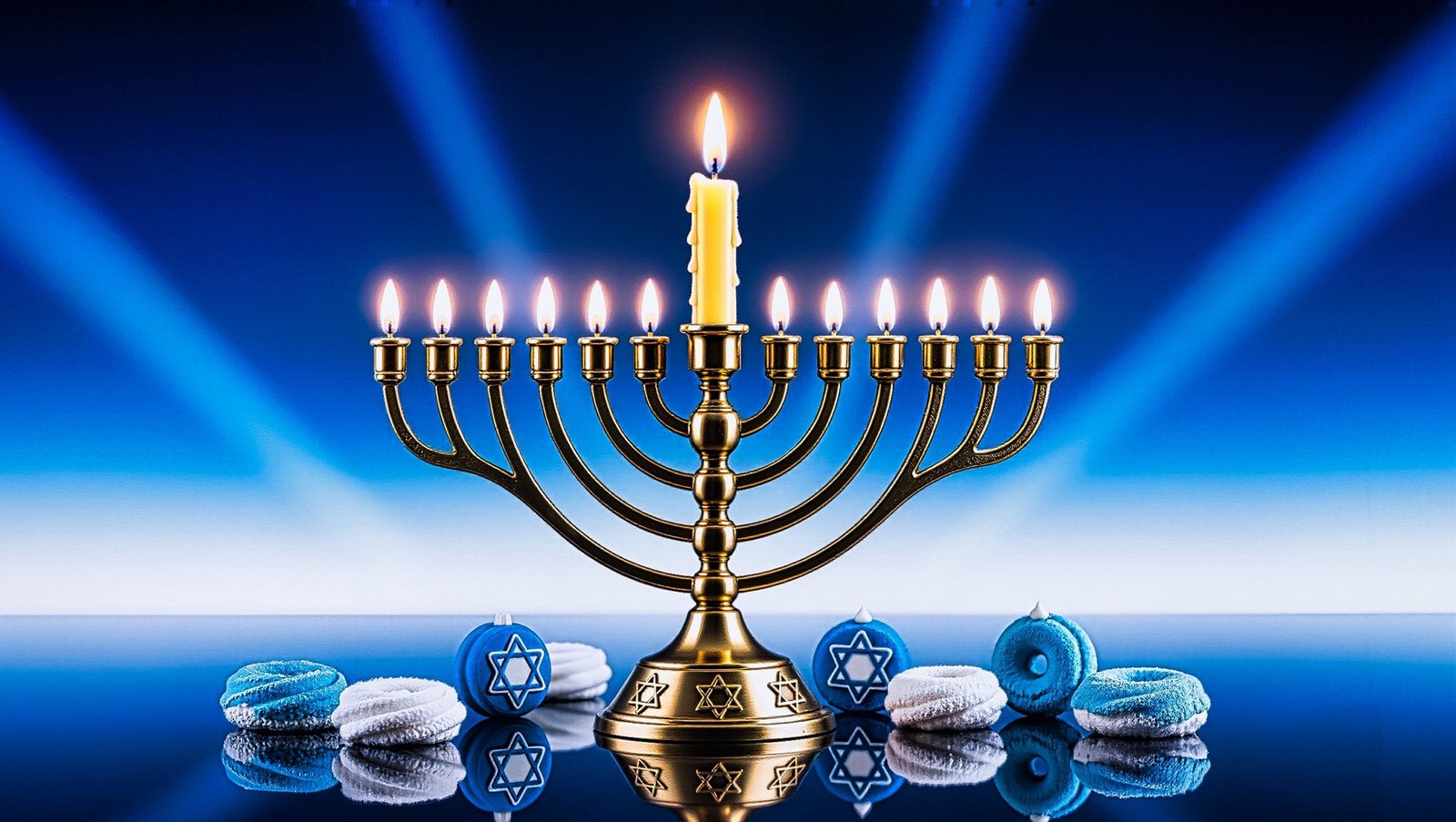
Light holds profound symbolism in Jewish tradition, representing divine presence, knowledge, and spiritual enlightenment. The menorah, with its eight branches, serves as a powerful symbol of this light, illuminating the darkness of ignorance and despair. Each night of Chanukkah, as an additional candle is lit, the growing light signifies the increasing strength of faith and hope. This symbolism extends beyond the physical act of lighting candles; it invites participants to reflect on their own spiritual journeys and the ways in which they can bring light into the world. The festival encourages individuals to cultivate their inner light, fostering a deeper connection with Hashem and a commitment to living out their faith in everyday life.
Chanukkah as a Time for Reflection and Renewal
Chanukkah is not only a time for celebration but also a period of reflection and renewal. As families gather to light the menorah, they are invited to contemplate the significance of the festival and its relevance to their lives. This introspective aspect of Chanukkah encourages individuals to assess their own faith journeys and consider how they can embody the values of resilience and trust in Hashem. The festival serves as a reminder that, like the Maccabees, individuals can draw strength from their faith to overcome personal challenges and contribute positively to their communities. This process of reflection and renewal is integral to the Chanukkah experience, fostering spiritual growth and a deeper understanding of one’s relationship with the Divine.
The Contemporary Relevance of Chanukkah
In today’s world, the themes of Chanukkah resonate with individuals facing various forms of adversity. The festival’s emphasis on faith, resilience, and community serves as a source of inspiration for those navigating personal struggles or societal challenges. The story of the Maccabees reminds us that even in the face of overwhelming odds, it is possible to rise up and reclaim one’s identity and beliefs. As individuals gather to celebrate Chanukkah, they are reminded of the importance of standing firm in their convictions and supporting one another in times of difficulty. The contemporary relevance of Chanukkah underscores the timeless nature of its themes, inviting individuals to draw strength from their faith and the collective spirit of their communities.
Conclusion
In conclusion, Chanukkah emerges as a profound narrative that intertwines themes of faith, resilience, and an unwavering trust in Hashem. The festival serves as a powerful reminder of the enduring light of faith that can illuminate even the darkest of times. Through the historical context of the Maccabean Revolt, the miracle of the oil, and the communal aspects of the celebration, Chanukkah invites individuals to engage in a multifaceted exploration of their spiritual journeys. As families gather to light the menorah, they are reminded of the importance of faith, community, and the transformative power of trust in the Divine. Ultimately, Chanukkah stands as a testament to the resilience of the Jewish spirit and the enduring relationship between the Jewish people and Hashem, illuminating the path toward triumph, redemption, and spiritual renewal.
Chapter 2: Historical Context
Introduction
At the heart of Chanukkah lies a compelling historical narrative that transcends mere celebration; it encapsulates the struggle for identity, faith, and resilience in the face of oppression. The story of the Maccabees, a small yet fiercely devoted group of Jewish warriors, serves as a testament to the human spirit’s capacity to overcome overwhelming odds. This chapter delves into the historical context surrounding the Maccabean revolt against Hellenistic oppression, exploring the socio-political landscape of the time, the significance of the Maccabees’ victory, and the enduring legacy of their faith. Through this exploration, we will uncover how the events of this period not only shaped Jewish identity but also provided a profound spiritual awakening that resonates through generations.
The Hellenistic Era and Jewish Identity
The Rise of Hellenism
The Hellenistic period, which began with the conquests of Alexander the Great in the fourth century BCE, marked a significant transformation in the ancient world. As Greek culture spread across the territories conquered by Alexander, it brought with it a new set of values, philosophies, and practices that often clashed with the traditions of local populations. In Judea, the influence of Hellenism was particularly pronounced, leading to a cultural and religious crisis among the Jewish people. The adoption of Greek language, customs, and religious practices posed a direct challenge to the Jewish way of life, which was deeply rooted in the worship of Hashem and adherence to the Torah.
The Impact on Jewish Society
The encroachment of Hellenistic culture led to a division within Jewish society. On one side were those who embraced Hellenism, seeking to modernize and integrate into the broader cultural milieu. This faction, often referred to as the Hellenizers, viewed the adoption of Greek customs as a pathway to progress and enlightenment. On the other side were the traditionalists, who resisted these changes, viewing them as a threat to their religious identity and heritage. This internal conflict set the stage for the Maccabean revolt, as tensions escalated between those who sought to preserve Jewish traditions and those who sought to assimilate into Hellenistic culture.
The Maccabean Revolt
The Catalyst for Rebellion
The Maccabean revolt was ignited by a series of oppressive measures enacted by the Seleucid Empire, which ruled over Judea during this period. Under King Antiochus IV Epiphanes, the Jewish people faced severe restrictions on their religious practices, including the prohibition of circumcision and the desecration of the Temple. The culmination of these oppressive actions came with the installation of an altar to Zeus within the Temple, an act that was seen as a direct affront to the Jewish faith. This desecration galvanized the Jewish population, leading to the emergence of the Maccabees, a group of guerrilla fighters led by Mattathias and his sons, particularly Judah Maccabee.
The Struggle for Freedom
The Maccabees, though vastly outnumbered and lacking advanced weaponry, relied on their unwavering faith and commitment to their cause. Their initial victories were marked by strategic brilliance and an intimate knowledge of the terrain, allowing them to engage in guerrilla warfare against the Seleucid forces. The revolt was not merely a military campaign; it was a spiritual awakening that inspired the Jewish people to reclaim their identity and heritage. The Maccabees’ triumph at the Battle of Modiin and subsequent victories laid the groundwork for a broader uprising that would ultimately lead to the rededication of the Temple.
The Rededication of the Temple
A Symbol of Resilience
The successful reclamation of the Temple in 164 BCE marked a pivotal moment in Jewish history. The rededication of the Temple was not simply a physical restoration of a sacred space; it symbolized the resilience of the Jewish people in the face of adversity. The Maccabees’ victory was celebrated with great fervor, as it represented a triumph of faith over oppression. The act of lighting the menorah in the Temple, which had been extinguished during the period of desecration, became a powerful symbol of hope and renewal.
The Miracle of the Oil
The miracle of the oil, which is central to the celebration of Chanukkah, further underscores the significance of this historical event. According to tradition, when the Maccabees reclaimed the Temple, they found only a single cruse of oil, sufficient for just one day. Miraculously, this oil burned for eight days, allowing time for the preparation of new oil. This extraordinary event serves as a reminder of divine intervention and the power of faith. The miracle of the oil is not merely a tale of physical sustenance; it encapsulates a profound lesson about the potential for the impossible to become possible when one places their trust in Hashem.
The Legacy of the Maccabees
A Model of Faith and Resistance
The legacy of the Maccabees extends far beyond their military achievements. They emerged as symbols of faith, courage, and resistance against oppression. Their story has inspired generations of Jews to stand firm in their beliefs and to fight against injustice. The Maccabees’ unwavering commitment to their faith serves as a model for contemporary struggles, reminding individuals that the strength of conviction can lead to transformative change.
The Enduring Celebration of Chanukkah
The celebration of Chanukkah, which commemorates the victory of the Maccabees and the miracle of the oil, has evolved into a significant cultural and religious observance within the Jewish community. The rituals associated with Chanukkah, such as lighting the menorah, reciting prayers, and engaging in acts of charity, serve to reinforce the themes of resilience, faith, and hope. The festival not only commemorates historical events but also fosters a sense of unity and identity among Jewish people worldwide.
Conclusion
The historical narrative of the Maccabees is a powerful testament to the enduring spirit of the Jewish people. Their struggle against Hellenistic oppression, culminating in the rededication of the Temple and the miracle of the oil, serves as a profound reminder of the potential for faith to inspire resilience and achieve the seemingly impossible. As we reflect on the lessons of Chanukkah, we are reminded that the power of belief and the strength of community can illuminate even the darkest of times. The legacy of the Maccabees continues to resonate, encouraging individuals to embrace their faith and stand firm in the face of adversity, ensuring that the light of their spirit endures for generations to come.
Chapter 3: Symbolism of Light
Introduction
In a world often overshadowed by uncertainty and despair, the symbolism of light emerges as a powerful motif that transcends cultural and religious boundaries. Among various traditions, the menorah stands as a profound emblem of hope, faith, and resilience. This chapter delves into the multifaceted symbolism of light as represented by the menorah, exploring its significance in Jewish tradition and its broader implications for humanity. The menorah’s light serves not only as a physical illumination but also as a spiritual guide, illuminating our paths and fostering a sense of community and belonging. Through the act of lighting the menorah, individuals and families transform their homes into sanctuaries of faith, connecting deeply with their heritage while embracing the essence of divine providence.
The Menorah: A Historical Overview
Origins and Significance
The menorah, a seven-branched candelabrum, has its roots in the ancient Temple in Jerusalem, where it served as a sacred object of worship. Its design, as described in the Torah, reflects a divine blueprint, symbolizing the light of G-d illuminating the world. The menorah’s presence in the Temple was not merely decorative; it represented the divine light that guided the Israelites through their trials and tribulations. The act of lighting the menorah during the festival of Hanukkah further emphasizes its role as a symbol of resistance against oppression and a celebration of spiritual triumph.
The Menorah in Contemporary Practice
In contemporary Jewish practice, the menorah takes on various forms, most notably during Hanukkah when the nine-branched menorah, or hanukkiah, is used to commemorate the miracle of the oil. Each candle lit during this festival serves as a reminder of the enduring spirit of the Jewish people and their commitment to preserving their faith in the face of adversity. The ritual of lighting the menorah transforms homes into sanctuaries of faith, fostering a sense of community and connection among families and friends.
The Symbolism of Light
Light as a Metaphor for Hope
The symbolism of light in the context of the menorah extends beyond its physical illumination. Each candle lit represents a declaration of hope, a commitment to focus on the light rather than the shadows that may loom over our lives. In times of personal and communal crises, the menorah’s light serves as a beacon of hope, reminding us that even in the darkest moments, there exists the potential for renewal and redemption. The act of lighting the menorah becomes a ritual of resilience, encouraging individuals to cultivate hope in the face of despair.
Light as a Source of Faith
Faith, much like light, has the power to illuminate our paths and guide us through uncertainty. The menorah’s flames evoke a sense of warmth and security, reminding us of the divine presence that accompanies us on our journeys. In Jewish tradition, light is often associated with the Shekhinah, the feminine aspect of G-d’s presence in the world. The menorah, therefore, becomes a symbol of the intimate relationship between the divine and humanity, inviting individuals to seek solace and strength in their faith.
The Ritual of Lighting the Menorah
Creating a Sacred Space
The ritual of lighting the menorah transforms ordinary spaces into sacred environments. As families gather to light the candles, they create a sanctuary of faith, allowing for reflection, prayer, and connection. This communal act fosters a sense of belonging, reinforcing the idea that individuals are not alone in their struggles. The menorah becomes a focal point for shared experiences, encouraging dialogue and the exchange of stories that strengthen familial and communal bonds.
The Significance of Each Candle
Each candle lit during the Hanukkah celebration holds profound significance. The first candle represents the initial spark of hope, while subsequent candles symbolize the growing strength of faith and resilience. As the days progress, the increasing light serves as a reminder of the cumulative power of hope and the importance of nurturing one’s spiritual journey. The act of lighting the menorah becomes a transformative experience, inviting individuals to reflect on their personal narratives and the collective history of their people.
The Menorah as a Guiding Light
Navigating Personal and Communal Crises
In times of personal and communal crises, the menorah’s light serves as a guiding beacon, illuminating the path forward. The flickering flames evoke a sense of warmth and security, reminding individuals that they are not alone in their struggles. The menorah’s light encourages introspection and resilience, inviting individuals to confront their fears and uncertainties with courage and faith. This guiding light fosters a sense of hope, empowering individuals to navigate the valleys of darkness with the assurance that divine providence is ever-present.
The Role of Community in Illuminating Paths
The communal aspect of lighting the menorah further enhances its symbolism as a guiding light. As families and communities come together to celebrate Hanukkah, they create a collective source of illumination that transcends individual struggles. The shared experience of lighting the menorah fosters a sense of unity and solidarity, reminding individuals that they are part of a larger narrative that extends beyond their personal experiences. This communal light serves as a powerful reminder of the strength that emerges from collective faith and resilience.
Conclusion
The symbolism of light, as embodied by the menorah, serves as a profound reminder of hope, faith, and resilience in a world often shrouded in darkness. Each candle lit during the Hanukkah celebration becomes a declaration of commitment to focus on the light rather than the shadows, cultivating hope in the face of despair. The menorah transforms homes into sanctuaries of faith, allowing individuals to connect deeply with their heritage while embracing the essence of divine providence. As the flickering flames illuminate our paths, they evoke a sense of warmth and security, guiding us through the valleys of darkness and reminding us that the light of Hashem is ever-present. In this way, the menorah stands not only as a symbol of Jewish tradition but also as a universal emblem of hope and resilience for all humanity.
Chapter 4: Communal Trust
Introduction
The concept of trust is a cornerstone of human relationships and societal cohesion. In the context of religious communities, trust takes on a profound significance, serving as a binding agent that unites individuals in their shared beliefs and practices. This chapter explores the interplay between light and trust, particularly as articulated in Jewish teachings and traditions. The Talmud’s assertion that “the light of a righteous person illuminates” serves as a foundational premise for understanding how spiritual illumination can foster communal trust. This chapter will delve into the implications of this illumination, particularly during the festival of Chanukkah, and how it reflects the collective commitment to faith, hope, and perseverance.
The Nature of Illumination
Spiritual Radiance
The metaphor of light is deeply embedded in Jewish thought, symbolizing purity, knowledge, and divine presence. The illumination described in the Talmud transcends mere physical light; it embodies a spiritual radiance that emanates from individuals whose hearts are anchored in faith. This spiritual illumination is not only a personal experience but also a communal one, as it has the potential to influence and uplift those around us. When individuals trust in Hashem, they become conduits of His light, allowing it to shine brightly in their communities. This illumination fosters an environment where trust can flourish, as individuals feel supported and encouraged by the collective faith of their peers.
The Role of Trust in Community Dynamics
Trust is a fundamental element in the formation and maintenance of any community. It serves as the glue that binds individuals together, allowing them to collaborate, support one another, and work towards common goals. In a religious context, trust is often rooted in shared beliefs and values, which create a sense of belonging and identity. The act of placing trust in Hashem not only strengthens individual faith but also reinforces communal bonds. When members of a community collectively trust in a higher power, they create a shared narrative that enhances their sense of purpose and belonging.
Chanukkah: A Festival of Light and Trust
Historical Context
Chanukkah, the Festival of Lights, commemorates the Maccabees’ victory over the Seleucid Empire and the rededication of the Second Temple in Jerusalem. This historical event is not merely a tale of military triumph; it represents a profound struggle for religious freedom and the preservation of Jewish identity. The Maccabees’ victory was fueled by their unwavering faith in Hashem, which served as a source of strength and resilience in the face of adversity. This historical context provides a backdrop for understanding the significance of communal trust during Chanukkah.
The Lighting of the Menorah
The central ritual of Chanukkah is the lighting of the menorah, which serves as a powerful symbol of faith and communal trust. Each night, families gather to light the menorah, reciting blessings and sharing in the joy of the festival. This collective act of lighting the menorah evokes a sense of solidarity among families and communities, reinforcing the notion that trust in Hashem is magnified when shared. The menorah’s flames represent not only the miracle of the oil that lasted eight days but also the enduring light of faith that illuminates the darkness of despair and uncertainty.
The Collective Act of Lighting the Menorah
A Tapestry of Light
As families and communities come together to light the menorah, they create a tapestry of light that reflects their collective commitment to faith, hope, and perseverance. This communal act serves as a reminder that, just as the Maccabees rallied together in their fight for religious freedom, contemporary communities are called to unite in their faith. The flames of the menorah symbolize the strength that emerges from collective trust, illuminating the path forward even in challenging times.
Reinforcing Communal Bonds
The act of lighting the menorah fosters an environment where trust can thrive. As families gather to participate in this sacred practice, they reinforce their connections to one another and to their shared beliefs. This communal experience cultivates a sense of belonging and encourages individuals to support one another in their spiritual journeys. The menorah serves as a focal point for reflection, gratitude, and hope, reminding participants of the power of their collective faith.
The Transformative Power of Faith
Faith as a Catalyst for Change
The essence of Chanukkah extends beyond the historical narrative; it embodies the transformative power of faith. When individuals place their trust in Hashem, they open themselves to the possibility of change and renewal. This transformative potential is particularly evident during Chanukkah, as the act of lighting the menorah serves as a catalyst for personal and communal growth. The illumination of the menorah symbolizes the hope that emerges from faith, inspiring individuals to confront challenges with courage and resilience.
The Ripple Effect of Communal Trust
The impact of communal trust extends beyond the immediate community, creating a ripple effect that can influence broader societal dynamics. When individuals come together in faith, they contribute to a culture of trust that can inspire others to join in their journey. This collective commitment to faith and trust can foster a sense of responsibility towards one another, encouraging individuals to uplift and support their peers. The illumination of the menorah serves as a beacon of hope, inviting others to partake in the light of faith and trust.
Conclusion
The interplay between light and trust is beautifully captured in the teachings of our sages, particularly during the festival of Chanukkah. The Talmud’s assertion that “the light of a righteous person illuminates” serves as a reminder of the spiritual radiance that emanates from a heart anchored in faith. As individuals place their trust in Hashem, they become conduits of His light, shining brightly in the world around them. The act of lighting the menorah each night not only commemorates a historical victory but also reinforces the importance of communal trust. Just as the Maccabees rallied together in their fight for religious freedom, contemporary communities are called to unite in their faith. Through the collective act of lighting the menorah, individuals create a tapestry of light that reflects their shared commitment to faith, hope, and perseverance. In this way, the festival of Chanukkah serves as a powerful reminder of the transformative power of communal trust and the enduring light of faith that illuminates our lives.
Chapter 5: Miracles in the Mundane
Introduction
The concept of miracles often evokes images of the extraordinary—events that defy natural laws and inspire awe. However, the essence of miracles can also be found in the mundane aspects of daily life, where the divine subtly interweaves with the ordinary. This chapter explores the symbolism of the Chanukkah lights, particularly the miracle of the oil that sustained the menorah in the Temple, as a profound reminder of the potential for divine miracles in our everyday existence. By examining how faith can transform our perception of reality, we will uncover the myriad ways in which we can recognize and engage with the blessings that surround us, even when they are obscured by the challenges of life.
The Symbolism of the Chanukkah Lights
Historical Context
The celebration of Chanukkah commemorates the rededication of the Second Temple in Jerusalem following the Maccabean Revolt against the Seleucid Empire. Central to this celebration is the lighting of the menorah, which symbolizes the miracle of the oil that lasted for eight days, despite there being only enough oil for one day. This event is not merely a historical anecdote; it serves as a powerful symbol of resilience, faith, and the presence of the divine in the lives of the Jewish people.
The Miracle of the Oil
The miracle of the oil is often interpreted as a testament to the enduring spirit of the Jewish people. The small quantity of oil that miraculously lasted for eight days represents the idea that even the most limited resources can be transformed into abundance through divine intervention. This narrative invites us to reflect on our own lives, encouraging us to recognize that what may appear to be insufficient or ordinary can, in fact, be a vessel for extraordinary outcomes. The menorah, therefore, becomes a symbol of hope, illuminating the darkness of despair and reminding us that miracles can emerge from the most unexpected places.
Recognizing the Divine in Daily Life
The Lens of Faith
Faith serves as a lens through which we perceive the world. When we trust in Hashem wholeheartedly, we cultivate an awareness of the divine presence that permeates our daily experiences. This perspective allows us to recognize the countless blessings that often go unnoticed, hidden in the shadows of our routine existence. By adopting a mindset of gratitude and openness, we can begin to see the miraculous in the mundane.
The Role of Awareness
Awareness is a crucial component in recognizing miracles within the ordinary. In our fast-paced lives, it is easy to become desensitized to the beauty and wonder that surrounds us. However, by practicing mindfulness and being present in each moment, we can cultivate a deeper appreciation for the small miracles that occur daily. Whether it is the warmth of a loved one’s embrace, the beauty of nature, or the simple act of kindness from a stranger, these moments can serve as reminders of the divine presence in our lives.
Transforming Challenges into Opportunities
The Power of Perspective
Challenges are an inevitable part of life, and how we choose to perceive them can significantly impact our experiences. When viewed through the prism of faith, challenges can become opportunities for growth and transformation. The story of the Chanukkah lights exemplifies this notion; the Maccabees faced overwhelming odds, yet their faith and determination led to a miraculous victory. Similarly, when we approach our difficulties with a mindset of faith, we can find strength and resilience that may have otherwise remained dormant.
Embracing the Journey
The journey of life is often fraught with obstacles, but it is essential to embrace these experiences as integral parts of our personal growth. By recognizing that our struggles can lead to profound insights and transformations, we can cultivate a sense of purpose and meaning in our lives. The menorah, with its flickering lights, symbolizes the journey of faith—each flame representing a moment of clarity, hope, and divine connection amidst the darkness.
The Interplay of Light and Darkness
The Symbolism of Light
Light has long been associated with divinity, knowledge, and enlightenment. In the context of Chanukkah, the lights of the menorah serve as a powerful reminder of the triumph of light over darkness. This symbolism extends beyond the physical act of lighting candles; it invites us to reflect on the inner light that resides within each of us. By nurturing this light through faith and gratitude, we can illuminate our lives and the lives of those around us.
Navigating Darkness
Darkness, in contrast, often represents despair, uncertainty, and fear. However, it is essential to recognize that darkness can also serve as a backdrop against which light shines more brightly. The interplay of light and darkness in our lives can deepen our understanding of the miraculous. When we confront our fears and uncertainties with faith, we can emerge stronger and more resilient, allowing the light of our experiences to guide us forward.
Cultivating a Mindset of Gratitude
The Importance of Gratitude
Gratitude is a powerful practice that can transform our perception of reality. By consciously acknowledging the blessings in our lives, we cultivate a sense of abundance that allows us to recognize the miracles that often go unnoticed. This practice aligns with the teachings of Chanukkah, where the act of lighting the menorah is accompanied by prayers of thanksgiving and recognition of divine intervention.
Practical Applications
Incorporating gratitude into our daily routines can enhance our ability to perceive the miraculous in the mundane. Simple practices, such as keeping a gratitude journal or engaging in daily reflections, can help us cultivate a mindset that is attuned to the blessings that surround us. By actively seeking out moments of gratitude, we can foster a deeper connection to the divine and enhance our overall well-being.
Conclusion
The symbolism of the Chanukkah lights serves as a poignant reminder that miracles can be found within the mundane aspects of our lives. By embracing faith, cultivating awareness, and adopting a mindset of gratitude, we can transform our perception of reality and recognize the countless blessings that surround us. The journey of life, with its challenges and triumphs, becomes an opportunity for growth and transformation when viewed through the lens of faith. As we navigate the complexities of our existence, let us remain attuned to the divine presence that illuminates our path, allowing us to experience the extraordinary within the ordinary. In doing so, we honor the legacy of the Chanukkah lights and the enduring spirit of faith that continues to inspire us today.
Chapter 6: Nurturing Our Relationship with Hashem
Introduction
The festival of Chanukkah, with its radiant lights and profound symbolism, serves as a powerful reminder of the importance of nurturing our relationship with Hashem. As we gather around the menorah, the flickering flames invite us to engage in deep reflection on the nature of our trust in the Divine. This chapter explores the multifaceted dimensions of our relationship with Hashem, emphasizing the necessity of nurturing this bond through prayer, study, and acts of kindness. By examining the interplay between faith and trust, we can better understand how to cultivate a relationship that is not merely transactional but deeply rooted in love and devotion.
The Symbolism of Chanukkah Lights
The Menorah as a Beacon of Faith
The menorah, with its eight branches and central shamash, serves as a potent symbol of faith and resilience. Each night, as we light an additional candle, we are reminded of the miracles that transpired during the Maccabean revolt and the enduring light of Jewish tradition. The act of kindling the menorah is not merely a ritual; it is an invitation to reflect on our own spiritual journeys and the ways in which we can deepen our connection with Hashem. The light of the menorah illuminates the darkness, symbolizing the hope and faith that can guide us through life’s challenges.
Trust as a Foundation of Our Relationship
At the heart of our relationship with Hashem lies trust. Trust is not a passive state but an active engagement that requires us to confront our doubts and fears. The lights of Chanukkah challenge us to examine the depths of our faith and to consider how we can cultivate a relationship with the Divine that is characterized by unwavering trust. This trust is not blind; rather, it is informed by our experiences, our understanding of the world, and our reflections on the teachings of our tradition. As we nurture this trust, we create a solid foundation upon which our relationship with Hashem can flourish.
The Role of Prayer in Nurturing Our Relationship
The Power of Prayer
Prayer serves as a vital conduit through which we can express our thoughts, feelings, and desires to Hashem. It is an opportunity to engage in a dialogue with the Divine, allowing us to articulate our hopes and fears while seeking guidance and support. The act of praying is transformative; it encourages us to step outside of ourselves and connect with something greater. Through prayer, we can cultivate a sense of intimacy with Hashem, reinforcing our trust and deepening our relationship.
Different Forms of Prayer
There are various forms of prayer within Jewish tradition, each offering unique opportunities for connection. Personal prayers, recited in our own words, allow us to express our innermost thoughts and feelings. In contrast, communal prayers foster a sense of belonging and shared purpose. The structured prayers of the Siddur provide a framework for our spiritual practice, guiding us through moments of gratitude, supplication, and reflection. By engaging in diverse forms of prayer, we can nurture our relationship with Hashem in ways that resonate with our individual spiritual journeys.
The Importance of Study
Torah Study as a Means of Connection
The study of Torah is a fundamental aspect of Jewish life, serving as a means of connecting with Hashem and understanding His will. Through the exploration of sacred texts, we gain insight into the nature of the Divine and the ethical principles that guide our lives. Torah study invites us to engage with the teachings of our tradition, fostering a deeper understanding of our relationship with Hashem. As we immerse ourselves in the wisdom of our ancestors, we cultivate a sense of reverence and appreciation for the Divine.
The Role of Intellectual Engagement
Intellectual engagement with our faith is essential for nurturing our relationship with Hashem. By grappling with complex theological concepts and ethical dilemmas, we deepen our understanding of our beliefs and values. This process of inquiry encourages us to ask questions, seek answers, and explore the nuances of our faith. As we engage in thoughtful study, we not only strengthen our intellectual foundations but also enhance our emotional and spiritual connections to Hashem.
Acts of Kindness as Expressions of Faith
The Connection Between Kindness and Spiritual Growth
Acts of kindness, or chesed, are fundamental expressions of our faith and devotion to Hashem. Engaging in acts of kindness not only benefits others but also nurtures our own spiritual growth. When we extend compassion and support to those in need, we embody the values of our tradition and align ourselves with the Divine will. These acts serve as tangible expressions of our trust in Hashem, reinforcing our belief that we are part of a larger, interconnected community.
Creating a Cycle of Kindness
Nurturing our relationship with Hashem through acts of kindness creates a positive feedback loop. As we engage in chesed, we experience the joy and fulfillment that comes from helping others. This sense of purpose strengthens our faith and encourages us to continue our efforts. In turn, our acts of kindness inspire others to engage in similar behaviors, fostering a culture of compassion and support within our communities. By actively participating in this cycle of kindness, we deepen our connection to Hashem and to one another.
Navigating Times of Uncertainty
The Role of Faith in Difficult Times
Life is often fraught with uncertainty and challenges, and it is during these times that our relationship with Hashem is put to the test. When faced with adversity, it is essential to lean into our faith and trust in the Divine plan. The lights of Chanukkah remind us that even in the darkest moments, there is the potential for light and hope. By nurturing our relationship with Hashem through prayer, study, and acts of kindness, we can find strength and resilience in the face of life’s difficulties.
Transforming Challenges into Opportunities for Growth
When we actively engage in nurturing our relationship with Hashem, we can transform our understanding of challenges. Rather than viewing them as burdens, we can see them as opportunities for spiritual growth and development. Each obstacle we encounter can serve as a stepping stone on our journey toward greater faith and understanding. By reframing our perspective, we can approach life’s complexities with grace and strength, trusting that Hashem is guiding us toward our ultimate purpose.
Conclusion
Nurturing our relationship with Hashem is a lifelong journey that requires intentionality and commitment. The light of Chanukkah serves as a powerful reminder of the importance of trust, love, and devotion in our spiritual lives. Through prayer, study, and acts of kindness, we can cultivate a profound bond with the Divine that enriches our lives and guides us through the complexities of existence. As we engage in this nurturing process, we find ourselves enveloped in a warm cocoon of divine light, illuminating our paths and empowering us to navigate the challenges that lie ahead. In doing so, we not only deepen our own faith but also contribute to the collective spiritual growth of our communities, fostering a world that reflects the values of compassion, understanding, and love.
Chapter 7: Family and Community
Introduction
As we gather to celebrate Chanukkah, the Festival of Lights, we are reminded of the profound significance of family and community within the Jewish tradition. This festival, rich in history and symbolism, serves as a focal point for the expression of collective identity and shared values. The act of lighting the menorah, spinning the dreidel, and enjoying traditional foods such as latkes transcends mere celebration; it fosters a sense of togetherness that is essential for the continuity of Jewish culture. This chapter explores the intricate relationship between family, community, and the celebration of Chanukkah, emphasizing how these elements intertwine to create a vibrant tapestry of Jewish identity.
The Significance of Chanukkah
Historical Context
Chanukkah commemorates the rededication of the Second Temple in Jerusalem following the Maccabean Revolt against the Seleucid Empire in the second century BCE. This historical event is not merely a backdrop for the festival; it serves as a powerful reminder of the resilience and determination of the Jewish people in the face of oppression. The miracle of the oil, which lasted for eight days despite there being only enough for one, symbolizes hope and divine intervention. This narrative is central to the Chanukkah celebration, providing a foundation upon which family and community bonds are strengthened.
Symbolism of the Menorah
The menorah, a nine-branched candelabrum, is the most recognizable symbol of Chanukkah. Positioned prominently in our windows, it serves as a beacon of faith and resilience. Each night, as we light an additional candle, we not only commemorate the miracle of the oil but also reflect on the sacrifices made by our ancestors. The act of lighting the menorah becomes a communal experience, inviting neighbors and passersby to witness our celebration. This visibility reinforces the importance of community, as it encourages dialogue and connection among individuals, fostering a sense of belonging.
Family Traditions and Storytelling
The Role of Family in Chanukkah Celebrations
Family plays a pivotal role in the observance of Chanukkah. The festival is often marked by gatherings that bring together multiple generations, allowing for the transmission of traditions and stories. These gatherings serve as a platform for sharing personal narratives that resonate with the broader historical context of Chanukkah. As families come together to light the menorah, they engage in storytelling that connects their individual experiences with the collective memory of the Jewish people. This intergenerational exchange is vital for preserving cultural heritage and instilling a sense of identity in younger generations.
The Importance of Storytelling
Storytelling is a fundamental aspect of Jewish culture, and during Chanukkah, it takes on a particularly significant role. Families recount the story of the Maccabees, the miracle of the oil, and personal anecdotes that highlight the values of courage, faith, and perseverance. These narratives not only educate younger family members about their heritage but also reinforce the moral lessons embedded within the Chanukkah story. By sharing these tales, families create a shared understanding of their identity, fostering a sense of unity and purpose.
Community Engagement and Collective Identity
The Role of Community in Chanukkah Celebrations
While family gatherings are central to Chanukkah, the role of the community cannot be overlooked. Community celebrations, such as public menorah lightings and communal meals, provide opportunities for individuals to come together and celebrate their shared faith. These events foster a sense of belonging and solidarity, reinforcing the idea that Jewish identity is not solely an individual experience but a collective one. The communal aspect of Chanukkah celebrations highlights the importance of support networks within the Jewish community, allowing individuals to draw strength from one another.
Building Collective Resilience
The celebration of Chanukkah serves as a reminder of the resilience of the Jewish people throughout history. By coming together as a community, individuals are reminded of their shared struggles and triumphs. This collective resilience is particularly poignant during Chanukkah, as the festival commemorates a time when the Jewish people overcame adversity. The act of lighting the menorah in unison becomes a powerful symbol of hope and perseverance, reinforcing the idea that together, the community can overcome challenges and thrive.
The Sweet Taste of Tradition
Culinary Traditions of Chanukkah
Food plays an integral role in the celebration of Chanukkah, with traditional dishes such as latkes and sufganiyot taking center stage. The preparation and sharing of these foods are often communal activities that bring families and friends together. The act of frying latkes in oil serves as a delicious reminder of the miracle of the oil, while the sweet taste of sufganiyot symbolizes the joy of the festival. These culinary traditions not only nourish the body but also serve as a means of connecting individuals to their heritage and to one another.
The Role of Food in Fostering Community
The sharing of food during Chanukkah extends beyond the family unit, as communal meals and potlucks become opportunities for broader community engagement. These gatherings allow individuals to come together, share their culinary traditions, and celebrate their shared identity. The act of breaking bread together fosters a sense of camaraderie and belonging, reinforcing the idea that community is built on shared experiences and mutual support. In this way, the culinary traditions of Chanukkah serve as a vehicle for strengthening community bonds.
Reflection and Gratitude
Honoring Ancestral Sacrifices
As we celebrate Chanukkah, it is essential to reflect on the sacrifices made by our ancestors. The festival serves as a poignant reminder of the struggles faced by those who came before us, who fought to preserve their faith and identity. This reflection instills within us a deep sense of gratitude for the freedoms we enjoy today. By acknowledging the sacrifices of our ancestors, we reinforce our commitment to uphold their legacy and continue the traditions that define our identity.
Responsibility to Uphold Traditions
With the privilege of celebrating Chanukkah comes the responsibility to ensure that its traditions are passed down to future generations. This responsibility is not solely the duty of parents but extends to the entire community. By actively engaging in the celebration of Chanukkah and sharing its significance with others, we contribute to the preservation of our cultural heritage. This collective effort to uphold traditions fosters a sense of continuity and belonging, ensuring that the rich tapestry of Jewish identity remains vibrant and alive.
Conclusion
In conclusion, the celebration of Chanukkah serves as a powerful reminder of the importance of family and community within the Jewish tradition. As we gather to light the menorah, share stories, and enjoy traditional foods, we are not merely commemorating a historical event; we are weaving together the narratives of our ancestors with our own, creating a rich and vibrant fabric of Jewish identity. The festival fosters a sense of togetherness that transcends individual experiences, reinforcing the idea that our identities are shaped by our connections to one another. As we reflect on the sacrifices made by those who came before us, we are reminded of our responsibility to uphold our traditions and ensure that the spirit of Chanukkah continues to illuminate our lives for generations to come.
Chapter 8
Introspection and Personal Growth
Introduction
The festival of Chanukkah, celebrated by Jewish communities around the world, is often characterized by the lighting of the menorah, the recitation of prayers, and the enjoyment of traditional foods. However, beyond its cultural and religious significance, Chanukkah serves as a profound opportunity for introspection and personal growth. In an age marked by rapid technological advancements and the relentless pace of modern life, individuals frequently find themselves distracted, losing sight of their spiritual aspirations. This chapter examines the role of Chanukkah as a catalyst for self-reflection, encouraging individuals to strengthen their trust in Hashem and to embark on a journey of personal transformation.
The Significance of Chanukkah
Chanukkah, also known as the Festival of Lights, commemorates the rededication of the Second Temple in Jerusalem and the miracle of the oil that lasted eight days. This historical event is not merely a celebration of past victories but serves as a reminder of the enduring spirit of faith and resilience. The rituals associated with Chanukkah, particularly the lighting of the menorah, are imbued with deep symbolism. Each candle represents a facet of the human experience, illuminating the darkness that often envelops our lives.
The Call for Introspection
The Modern Context
In contemporary society, individuals are often overwhelmed by the demands of daily life. The incessant noise of social media, the pressures of work, and the myriad responsibilities can lead to a disconnection from one’s spiritual self. The festival of Chanukkah offers a reprieve from this chaos, inviting individuals to pause and engage in meaningful introspection.
The Role of Light
The act of lighting the menorah serves as a powerful metaphor for self-examination. Each flame represents not only the miracle of Chanukkah but also the potential for personal illumination. As the candles burn brightly, they encourage individuals to reflect on their lives, their choices, and their relationship with Hashem. This process of introspection is essential for personal growth, as it allows individuals to confront their fears, doubts, and aspirations.
The Process of Introspection
Self-Examination
Introspection involves a deep and honest evaluation of one’s thoughts, feelings, and behaviors. During Chanukkah, individuals are encouraged to take stock of their spiritual journey. This self-examination can be facilitated through various practices, such as journaling, meditation, or prayer. By articulating their thoughts and emotions, individuals can gain clarity about their spiritual goals and the obstacles that may hinder their progress.
Seeking Clarity and Purpose
The lights of the menorah illuminate not only physical spaces but also the inner recesses of the mind and soul. This illumination prompts individuals to seek clarity and purpose in their lives. Questions arise: What are my spiritual aspirations? How can I deepen my trust in Hashem? What changes do I need to make to align my actions with my beliefs? Engaging with these questions can lead to profound insights and a renewed sense of direction.
The Impact of Introspection on Personal Growth
Transformation Through Reflection
The process of introspection during Chanukkah can lead to significant personal transformation. As individuals confront their inner struggles and aspirations, they often emerge with a clearer understanding of themselves and their relationship with the divine. This transformation is not merely an intellectual exercise; it has the potential to affect one’s behavior, relationships, and overall outlook on life.
Renewed Commitment to Spirituality
Emerging from the festival of Chanukkah with a renewed sense of purpose can reinvigorate one’s spiritual journey. Individuals may find themselves more committed to their faith, more engaged in communal activities, and more willing to embrace the teachings of Judaism. This renewed commitment can manifest in various ways, such as increased participation in religious services, a deeper engagement with Jewish texts, or a more profound dedication to acts of kindness and charity.
Practical Applications of Introspection
Rituals and Practices
To facilitate introspection during Chanukkah, individuals can incorporate specific rituals and practices into their celebrations. Lighting the menorah can be accompanied by moments of silence for reflection, allowing individuals to contemplate their spiritual journey. Additionally, sharing personal reflections with family and friends during the festival can foster a sense of community and support, enhancing the introspective experience.
Setting Intentions
As part of the introspective process, individuals can set intentions for the coming year. These intentions can serve as guiding principles, helping individuals to remain focused on their spiritual goals. By articulating specific intentions, individuals can create a roadmap for their personal growth, ensuring that they remain aligned with their values and aspirations.
Challenges to Introspection
Overcoming Distractions
While Chanukkah provides a unique opportunity for introspection, individuals may still face challenges in fully engaging with the process. The distractions of modern life can impede one’s ability to reflect deeply. It is essential to create a conducive environment for introspection, free from the noise and demands of daily life. This may involve setting aside dedicated time for reflection, minimizing distractions, and creating a peaceful space for contemplation.
Confronting Resistance
Introspection can be uncomfortable, as it often involves confronting difficult emotions and truths. Individuals may experience resistance to this process, fearing the vulnerability that comes with self-examination. Acknowledging this resistance is a crucial step in overcoming it. Embracing the discomfort of introspection can lead to significant breakthroughs and personal growth.
Conclusion
The festival of Chanukkah serves as a powerful reminder of the importance of introspection and personal growth. In a world that often prioritizes external achievements over internal reflection, Chanukkah invites individuals to pause, reflect, and reconnect with their faith. The lights of the menorah illuminate not only our physical spaces but also our inner selves, prompting us to seek clarity and purpose in our lives. Through the process of introspection, individuals can embark on a transformative journey, emerging from the festival with renewed vigor and a deeper commitment to their spiritual path. As we celebrate Chanukkah, let us embrace the opportunity for self-examination and personal growth, allowing the light of faith to guide us on our journey.
Chapter 9: Conclusion
Introduction
As we gather to celebrate the festival of Chanukkah, it is essential to reflect on the deeper meanings embedded within this cherished tradition. Chanukkah, often referred to as the Festival of Lights, serves as a poignant reminder of the enduring power of faith, resilience, and the human spirit. This chapter aims to synthesize the teachings of light and trust that emerge from the Chanukkah narrative, emphasizing the importance of intention in our rituals and the transformative potential of our faith in Hashem. By kindling the flames of the menorah with purpose, we not only honor the legacy of the Maccabees but also reaffirm our commitment to living a life illuminated by divine guidance.
The Symbolism of Light in Chanukkah
The Menorah as a Beacon of Hope
The menorah, with its eight branches and central shamash, symbolizes the miraculous events surrounding the Maccabean revolt and the rededication of the Second Temple. Each candle represents a day of the miracle of the oil, which lasted for eight days despite the limited supply. This symbolism extends beyond mere historical remembrance; it serves as a beacon of hope in a world often shrouded in darkness. The act of lighting the menorah invites us to reflect on the light we can bring into our lives and the lives of others.
The Inner Light: A Reflection of Faith
The flames of the menorah also represent the inner light that resides within each individual. As we light the candles, we are reminded of our capacity to illuminate our surroundings through acts of kindness, compassion, and understanding. This inner light is a manifestation of our faith in Hashem, guiding us through challenges and uncertainties. By nurturing this light, we become active participants in the divine narrative, contributing to a world that yearns for hope and guidance.
The Role of Intention in Ritual
The Power of Intentionality
In Jewish tradition, the act of performing a mitzvah is imbued with profound significance when approached with intention. The ritual of lighting the menorah is no exception. Each candle lit during Chanukkah is an opportunity to set an intention, to focus our thoughts and prayers on the values we wish to embody. This intentionality transforms a simple act into a powerful expression of our beliefs and aspirations.
Cultivating a Mindful Practice
To fully embrace the teachings of Chanukkah, we must cultivate a mindful practice that encourages us to engage with the ritual on a deeper level. This involves not only the physical act of lighting the menorah but also the mental and emotional preparation that accompanies it. By taking a moment to reflect on our intentions before lighting each candle, we create a sacred space that allows us to connect with the divine and with ourselves. This practice fosters a sense of awareness and gratitude, reminding us of the blessings in our lives and the light we can share with others.
Trusting in Hashem
The Foundation of Faith
At the heart of the Chanukkah story lies a profound lesson about trust. The Maccabees, faced with overwhelming odds, placed their faith in Hashem, believing that divine intervention would guide them to victory. This unwavering trust serves as a model for our own lives, encouraging us to surrender our fears and uncertainties to a higher power. When we trust in Hashem, we acknowledge that we are not alone in our struggles; we are supported by a divine presence that seeks to illuminate our path.
Active Agents of Divine Light
Embracing our role as active agents of divine light requires us to internalize the lesson of trust. It is not enough to passively participate in rituals; we must actively engage with our faith and allow it to shape our actions and decisions. By placing our trust in Hashem, we become conduits of light, spreading hope and inspiration to those around us. This active engagement transforms our faith from a personal belief into a collective force for good, fostering a sense of community and shared purpose.
Honoring the Legacy of the Maccabees
Lessons from History
The legacy of the Maccabees extends beyond their military victories; it encompasses their unwavering commitment to their faith and values. As we celebrate Chanukkah, we honor their courage and resilience, drawing inspiration from their example. The Maccabees remind us that the struggle for light and truth is ongoing, and that we, too, must be willing to stand up for our beliefs in the face of adversity.
Reaffirming Our Commitment
In honoring the Maccabees, we reaffirm our commitment to a life anchored in faith. This commitment requires us to actively seek out opportunities to embody the values of justice, compassion, and integrity in our daily lives. By doing so, we not only honor their legacy but also contribute to a world that reflects the light of our shared humanity.
Illuminating the Path for Ourselves and Others
The Ripple Effect of Light
As we kindle the flames of the menorah, we are reminded of the ripple effect of our actions. Each act of kindness, each moment of trust, creates a wave of light that extends beyond ourselves, touching the lives of those around us. This interconnectedness underscores the importance of our individual contributions to the collective well-being of our communities.
Creating a Culture of Light
To truly illuminate the path for ourselves and others, we must strive to create a culture of light within our communities. This involves fostering an environment where faith, trust, and intentionality are valued and celebrated. By encouraging open dialogue, supporting one another in our spiritual journeys, and engaging in acts of service, we can cultivate a community that reflects the teachings of Chanukkah and embodies the spirit of the Maccabees.
Conclusion
As we conclude this exploration of the teachings of light and trust within the context of Chanukkah, we are reminded of the profound impact that our rituals and beliefs can have on our lives and the lives of those around us. By kindling the flames of the menorah with intention, we not only illuminate our hearts and souls but also reaffirm our commitment to a life anchored in faith. In doing so, we honor the legacy of the Maccabees and embrace our role as active agents of divine light in a world yearning for hope and guidance.
As we celebrate Chanukkah, let us carry these lessons with us, allowing the light of our faith to guide us in our daily lives. May we continue to kindle the flames of hope, trust, and love, illuminating the path for ourselves and for future generations. In a world that often feels dark and uncertain, let us be the bearers of light, embodying the teachings of Chanukkah and inspiring others to join us on this sacred journey.
Berenbaum, M. (1993). *The world must know: The history of the Holocaust as told in the United States Holocaust Memorial Museum*. Little, Brown and Company.
Cohen, A. (2005). *The Jewish holiday of Chanukkah: A historical and cultural perspective*. Jewish Publication Society.
Drazin, I. (2010). *The miracle of Chanukkah: A guide to the holiday’s significance and traditions*. Gefen Publishing House.
Elbogen, I. (1993). *Jewish liturgy: A comprehensive history*. Jewish Publication Society.
Friedman, H. (2012). *The light of Chanukkah: Understanding the festival of lights*. Ktav Publishing House.
Goldstein, J. (2008). *The menorah: A history of the Jewish symbol*. University Press of America.
Hoffman, A. (2015). *Chanukkah: The festival of lights and its significance in Jewish tradition*. Urim Publications.
Katz, S. (2007). *The Jewish calendar: A guide to the festivals and holidays*. Schocken Books.
Levine, A. (2011). *Faith and light: The spiritual significance of Chanukkah*. Jewish Lights Publishing.
Schwartz, A. (2014). *Miracles and faith: The essence of Chanukkah in Jewish thought*. Academic Studies Press.