
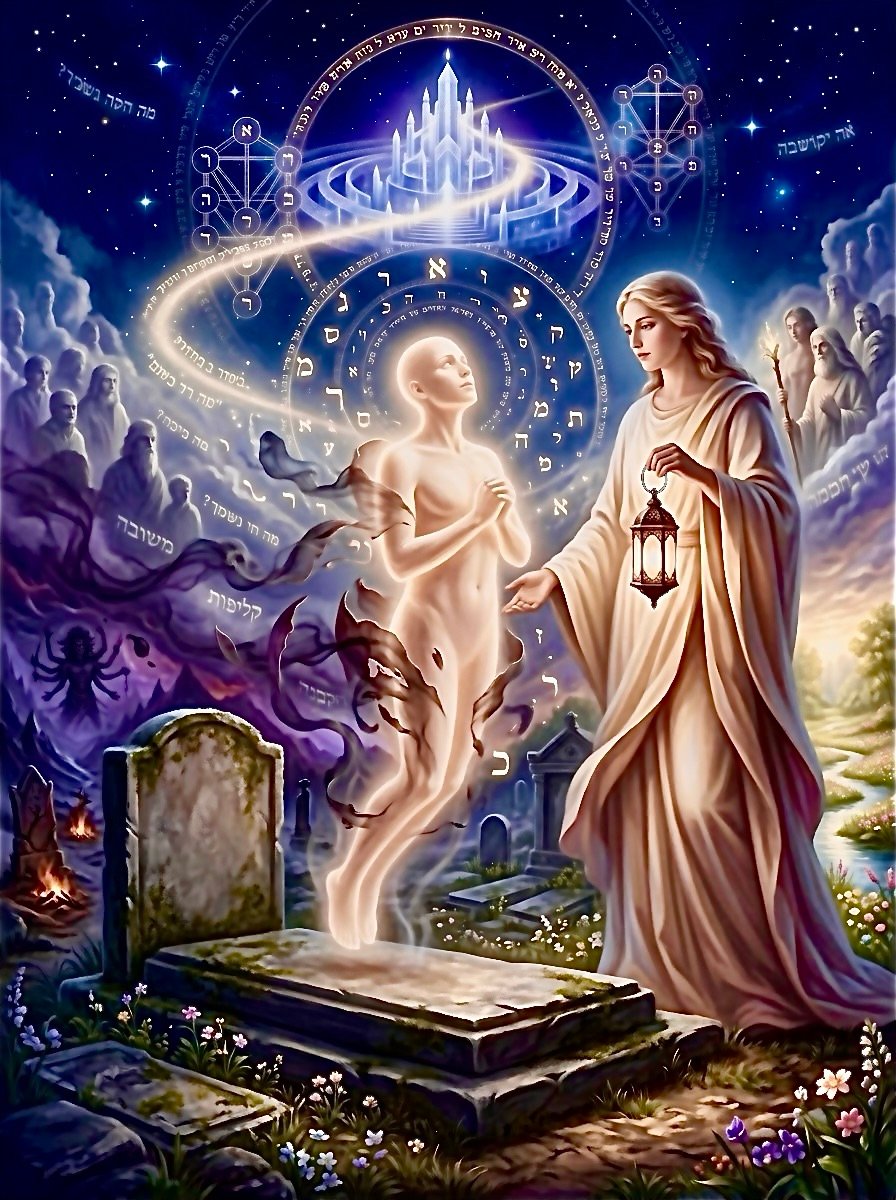
**Beating in the Grave: A Personal Journey into Life, Death, and the Soul’s Essence**
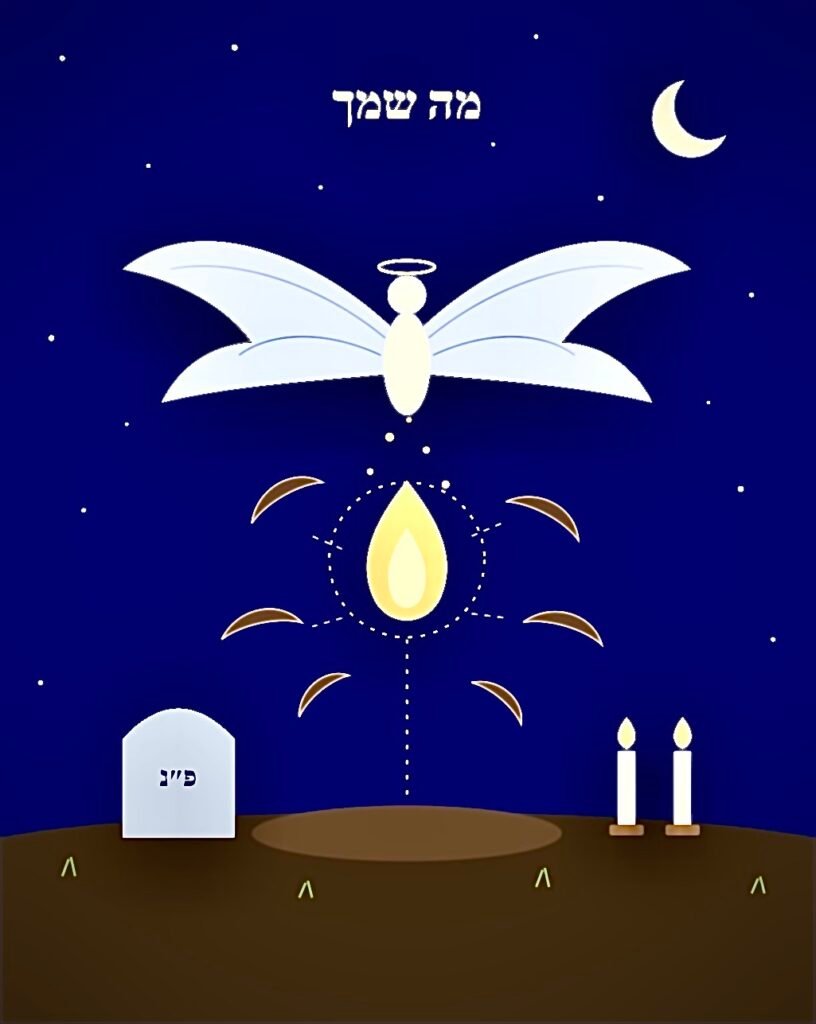
In the heart of Jewish mysticism lies a haunting concept known as “beating in the grave.” This idea invites us to reflect on the fate of our souls after we leave this earthly realm. It’s a profound inquiry into one of life’s most pressing questions: What happens to us after we die? The teachings of *Pikei Rebi Eliezer* suggest that when a soul departs from this world, it encounters an angel who asks a simple yet poignant question: “What is your name?” At first glance, this question may seem trivial, but it opens the door to a much deeper understanding of our identity, our choices, and our ultimate purpose.
Names are powerful. They carry our identity, our history, and often our dreams. When the angel asks for a name, it isn’t just about a label; it’s about who we truly are at our core. The idea that a soul might forget its name resonates with many of us. In the hustle and bustle of life, it’s easy to lose sight of our true selves, to become entangled in our responsibilities, our mistakes, and our regrets. Forgetting our name symbolizes a disconnection from our essence, from the divine spark that resides within each of us.
Our journey begins with Adam HaRishon, the first human being, whose story is intertwined with all future souls. Adam held within him the potential of every person who would come after him. However, when he sinned, the consequences rippled through the ages, creating a fracture in our spiritual connection with the Divine. This schism led to the emergence of the Klipot, realms of spiritual impurity that can obscure our true nature. The notion that each of us carries a piece of Adam’s legacy, and that our souls may be burdened by his original sin, is a humbling reminder of our shared humanity and our struggles.
The Klipot represent the challenges we face in our lives. Just as Adam’s actions led to a breakdown in spiritual connection, our own decisions can lead us down paths that stray from our true purpose. It’s easy to get lost in the chaos of daily life, feeling weighed down by guilt, shame, or even apathy. The teachings suggest that our spiritual journeys are marked by these struggles, but they also emphasize the possibility of redemption.
Repentance, or teshuvah, offers a way back. It’s a chance to confront our shortcomings, to acknowledge our mistakes, and to seek forgiveness. This process of returning to our true selves is not just about erasing past wrongs; it’s about growth, healing, and ultimately reclaiming our divine essence. Each act of kindness, each moment of reflection, brings us closer to shedding the layers of impurity that may have accumulated over time.
Yet, it is crucial to understand that the imperfections we carry are part of our human experience. Death, in many ways, acts as a liberator, allowing us to shed these burdens and emerge anew. It’s a transformative moment, where the soul, free from the constraints of sin and regret, can ascend to a higher spiritual plane. This concept can be both comforting and daunting. It prompts us to consider how we want to live our lives, knowing that our choices have lasting impacts not just on ourselves, but also on those around us.
The angel’s question—“What is your name?”—challenges us to reflect on our identities and our legacies. Who are we at our core? Are we living authentically, or are we merely occupying space and time? In a world filled with distractions and pressures, it’s easy to forget our true selves. This inquiry invites us to engage in a journey of self-discovery, to peel back the layers of societal expectations and reconnect with our inner truths.
As we ponder the implications of life and death, we are reminded that our existence is not just a series of moments leading to an endpoint. Instead, it’s a journey filled with opportunities for connection, growth, and transformation. Our earthly lives are a chapter in a much larger story, one that continues beyond our physical presence. Each moment we live, each relationship we nurture, and each act of kindness we perform reflects our spiritual essence and contributes to the collective human experience.
In essence, the exploration of “beating in the grave” invites us to embrace the full spectrum of our humanity. It encourages us to acknowledge our flaws and imperfections while also recognizing our potential for growth and redemption. Through this lens, we can begin to understand that life is a precious gift, filled with opportunities to learn, to love, and to connect with others.
Ultimately, the teachings remind us that even amidst the shadows of sin, there is always a path toward light. The angel’s question serves as a guiding beacon, urging us to awaken to our true identities, to embrace our inherent divinity, and to embark on the sacred journey of life with intention and purpose. As we navigate our paths, let us remember to honor our names and the stories they tell, for they are reflections of our souls—unique, beautiful, and forever intertwined with the divine.
**The Holy One: A Journey of the Soul Through Life and Beyond**
In the intricate and often chaotic fabric of our lives, the Holy One emerges as a guiding force—a presence that connects us to something greater than ourselves. This divine essence is not just a distant concept; it’s deeply involved in our everyday experiences, shaping our journeys through joy, pain, love, and loss. For many, the Holy One represents the source of life, the comfort in death, and a beacon of hope as we navigate the complexities of our existence.
At the heart of our spiritual journey is the idea of the klipah, often described as a “shell” or “husk.” This notion symbolizes the emotional and spiritual burdens we carry throughout our lives—our flaws, our regrets, and the weight of our choices. Many believe that this spiritual heaviness can be traced back to the very first humans, Adam and Chava (Eve), whose choices brought a certain darkness into the world, an echo of which we all feel in our own lives. This klipah clings to us, influencing our thoughts and actions and often leading us away from our true selves.
When we pass from this life, an extraordinary transformation occurs. Our physical bodies return to the earth, but our souls embark on a profound journey of purification. According to spiritual teachings, at the moment of death, angels descend to guide us. This moment, sometimes referred to as the “Beating in the Grave,” is not about punishment; rather, it’s about shedding the klipah that has accumulated over a lifetime. Picture this: as our souls hover between worlds, angels gently shake away the burdens we’ve carried, freeing us from the weight of our past actions.
For those who have lived with kindness, integrity, and a genuine effort to connect with the divine, this process is often gentle. Their lives have been filled with moments of humility, perseverance through hardship, and adherence to the values they hold dear. As a result, they experience a lighter touch during this purification—a comforting reminder that their efforts to cultivate goodness will ease their transition into the next realm.
In contrast, those who have strayed far from the path of righteousness may face a much harsher awakening. For them, the klipah has become a heavy cloak, burdening their souls with regret and unfulfilled potential. The intensity of their purification reflects the choices they made during their lives. It’s a stark reminder that our actions matter, and they shape the experiences we will face in the afterlife.
Interestingly, spiritual teachings suggest that those who pass away on a Friday, right before the sacred time of Shabbat, may find themselves spared from the full extent of this purification. The holiness of Shabbat carries a divine power that can gently lift away the klipah without the need for painful shaking. This insight highlights the beauty of timing and intention in our spiritual journeys, reminding us that even in death, there is grace to be found.
As we navigate our lives, we may find ourselves caught in a duality, embodying both light and darkness. Each of us carries the potential for redemption or self-destruction. The journey toward inner peace and understanding calls us to confront the klipah within us. It encourages us to engage in self-reflection, to seek out our flaws, and to strive for growth and improvement. When we make these efforts, we not only lighten our own burdens but also prepare ourselves for a smoother transition when our time comes.
Awareness is a powerful ally on this journey. Recognizing the klipah that exists within us allows us to take proactive steps toward healing and growth. It encourages us to align our actions with our highest values and seek a deeper connection with the Holy One. This connection goes beyond rituals and practices; it is a heartfelt relationship, a conversation with the divine that unfolds in our daily lives.
The journey of the soul—from birth to death and beyond—is a beautiful and complex narrative. It serves as a reminder that while we may feel burdened by our klipah, there is always the possibility of transformation. The Holy One invites us to engage fully with our spiritual essence, to seek understanding, and to strive for goodness in every aspect of our lives. In doing so, we not only honor our own souls but also contribute to the greater tapestry of humanity.
We are not alone in this journey. Each of us is part of a shared human experience, a community where our actions and choices resonate with one another. When one person strives for righteousness, it creates a ripple effect, lifting up those around them. This interconnectedness emphasizes that our spiritual journeys are not solitary; they are woven into the lives of others, creating a collective quest for growth and improvement.
Ultimately, the Holy One calls us to recognize the significance of our lives and the impact of our choices. By embracing our journeys with intention and mindfulness, we can foster a deeper connection to the divine and contribute positively to the world around us. Life, death, and the afterlife are not merely cycles of existence; they are rich opportunities for growth, transformation, and the realization of our highest selves.
In this sacred journey, we find the essence of what it means to be human, connected to one another and to the divine. By seeking spiritual awareness and striving for goodness, we embark on a path that transforms not only our own lives but also the lives of those around us. In the end, the pursuit of redemption and understanding remains a lifelong endeavor, guiding us through the complexities of existence and into the embrace of the eternal.
The Cosmic Dance of Souls: A Kabbalistic Perspective on Divine Names and the Nature of Existence
In the rich tapestry of Kabbalistic thought, the interplay between divine names, the essence of our souls, and the material world reveals a profound understanding of our existence. As we explore Chapter 20 of this mystical tradition, we uncover a narrative that weaves together the significance of names, the nature of our souls, and the eternal struggle between good and evil that plays out in our lives. This exploration invites us to reflect on our own spiritual journeys and the deeper meanings that lie within our everyday experiences.
The Power of Names: An Invocation of Identity
At the heart of Kabbalistic wisdom is the understanding that names carry a unique and transformative power. This idea resonates strongly in the biblical story of Bereishit, where Adam names the animals and, in doing so, invokes their very essence. By naming them, he connects with their spirit and purpose. It’s a beautiful reminder that names are not just labels; they encapsulate the identities and energies of the beings they represent.
When we think about it, how often do we take the time to truly consider the names we give to things or people? Each name holds a story, a memory, and a connection to something deeper. In Kabbalistic tradition, names are seen as living expressions of divine light. When we speak a name, we are not merely identifying; we are participating in a sacred act of creation. This understanding encourages us to approach naming—with ourselves, each other, and the world around us—with reverence and intention.
The Duality of Existence: Navigating Good and Evil
Kabbalistic teachings present us with a profound sense of duality in our existence. We find ourselves constantly navigating the delicate balance between holiness and the klipot, or the forces of chaos and negativity that surround us. Life can often feel like a battlefield, where moments of joy and love are interspersed with challenges, doubts, and fears. This duality isn’t just an abstract concept; it resonates deeply within our hearts and minds as we grapple with our own moral choices every day.
In this cosmic dance, our souls are born into a world filled with both light and shadow. The klipot represent the distractions and impurities that cloud our judgment and pull us away from our true essence. However, Kabbalistic wisdom teaches us that these struggles are not obstacles but opportunities for growth. Each challenge we face can lead us to greater understanding and connection with the divine.
The Journey of the Soul: Reincarnation and Growth
The Kabbalistic view of reincarnation adds another layer to our understanding of the soul’s journey. Our souls often take multiple lifetimes to learn, grow, and ultimately return to their divine source. This journey is not a solitary one; it is deeply intertwined with the experiences of others. Each of us plays a part in a grand narrative, and our actions ripple through the fabric of existence, affecting those around us in profound ways.
Imagine the challenges you have faced in your life. These moments of hardship can feel overwhelming, but Kabbalistic teachings remind us that they are part of a larger design. Each difficulty offers us a chance to refine our character and elevate our souls. The process of rectifying our souls—shedding the layers of negativity and striving for spiritual elevation—takes time and effort, but it is a path filled with hope and possibility.
As we navigate our lives, we are encouraged to embrace the lessons learned from both our successes and our failures. Each experience contributes to our spiritual growth, allowing us to become more compassionate, understanding, and connected to the divine.
The Role of the Righteous: Beacons of Light
In this journey, the righteous among us—those who strive to live with integrity, kindness, and love—play a crucial role. Their actions serve as beacons of light in a world that can often feel dark and uncertain. When we witness acts of compassion or selflessness, we are reminded of the incredible potential within all of us to uplift one another.
The Kabbalistic concept of “holy sparks” illustrates this beautifully. Every positive action, no matter how small, has the power to elevate the divine sparks trapped within the klipot. Each time we choose kindness over indifference or love over hate, we contribute to a larger movement of healing and restoration. It is a reminder that we are all interconnected, and our choices matter.
Moreover, the righteous inspire us to tap into our own potential. Their light encourages us to be better versions of ourselves, to seek out opportunities for goodness, and to recognize the divine within each person we encounter. In a world often clouded by negativity, we can choose to be the light that guides others toward hope and healing.
The Inevitability of Judgment: The Consequences of Jealousy
However, the path to spiritual elevation is not without its pitfalls. Jealousy, envy, and the pursuit of material desires can quickly lead us astray. These negative emotions can corrode our spirits, creating barriers between us and the divine. In Kabbalistic thought, the consequences of such feelings are significant. They can lead to a sense of spiritual decay, much like the rotting of bones.
Yet, this is not a hopeless situation. Kabbalistic teachings remind us that we can always choose to turn back, to repent, and to realign ourselves with our higher purpose. The process of recognizing our flaws and working to overcome them is an integral part of our journey. It requires humility, introspection, and a commitment to growth.
In our daily lives, we can cultivate awareness of our emotions and their impact on our relationships. Instead of allowing jealousy to fester, we can choose gratitude and appreciation for what we have. This shift in perspective not only benefits our own souls but also creates a more harmonious environment for those around us.
The Interplay of Light and Darkness: The 370 Lights
At the core of Kabbalistic thought lies the interplay of light and darkness, symbolized by the concept of the “370 lights.” These lights represent the divine illumination that permeates the spiritual realms, guiding us through the complexities of our existence. When we engage in acts of kindness, learning, and prayer, we tap into this divine light, allowing it to flow through us and into the world.
This process is not just about personal enlightenment; it’s about creating a ripple effect that touches the lives of others. Each act of goodness contributes to a collective elevation of consciousness, reminding us that we are all part of a larger community. When we choose to shine our light, we empower those around us to do the same, fostering a culture of compassion and connection.
In conclusion, the Kabbalistic exploration of divine names, the nature of souls, and the ongoing struggle between good and evil offers us a profound lens through which to understand our own lives. It invites us to reflect on the power of our words, the significance of our choices, and the interconnectedness of our journeys. As we navigate the complexities of existence, let us embrace the light within ourselves and strive to uplift one another, transforming our world into a more compassionate and harmonious place.