
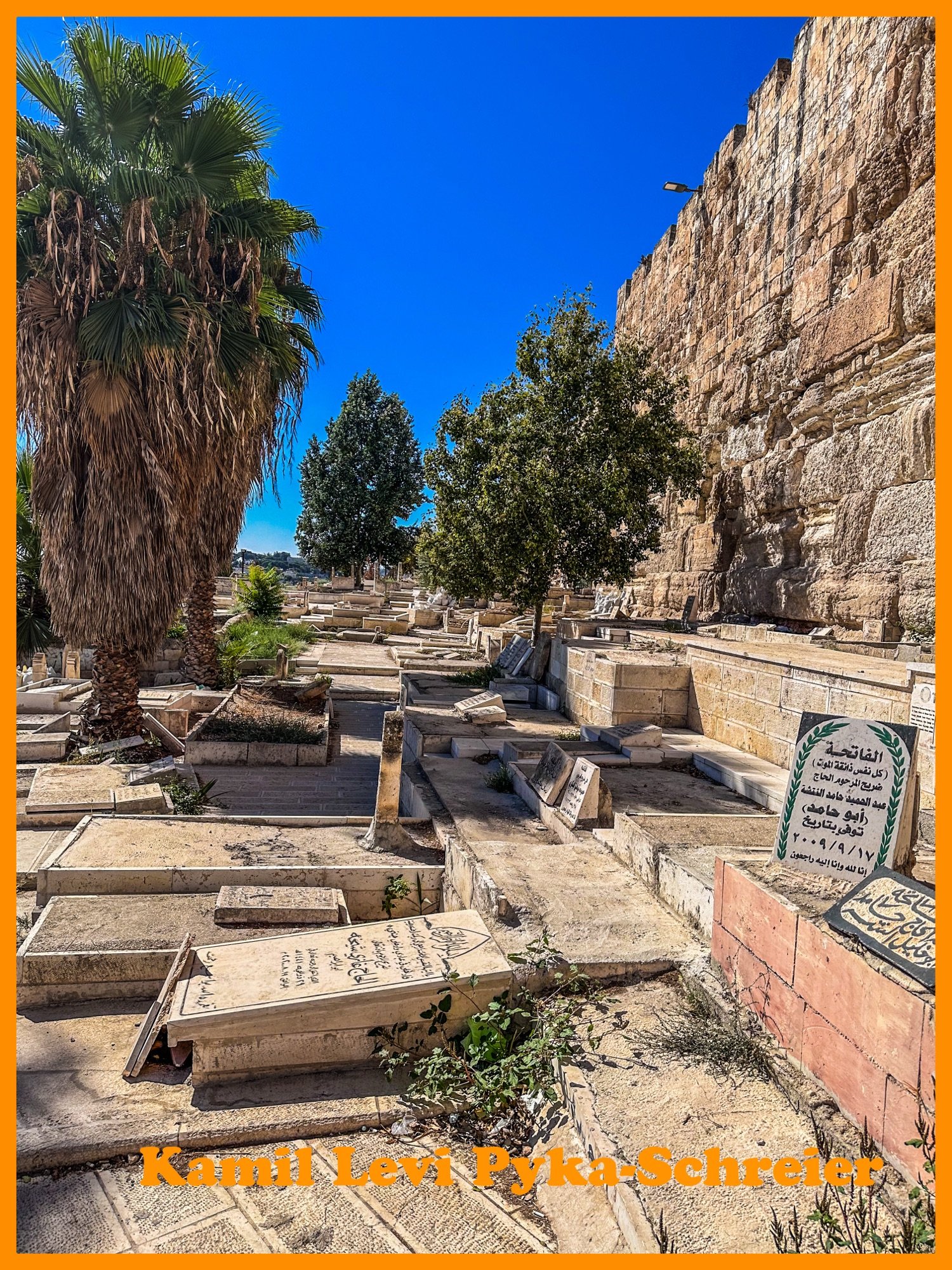
**Kedoshim: The Sabbath of the Eighth King**
The concept of Keooshim, or the “Sabbath of the Eighth King,” emerges as a profound and intricate exploration of time, creation, and the divine structure of existence within the rich tapestry of Kabbalistic thought. Rooted in the teachings of Rabbi Chaim Vital, as illuminated by the Arizal, this idea challenges our conventional perceptions of the Sabbath and the cosmic order that governs our universe. It serves as an invitation to delve deeply into the complexities of spiritual understanding, revealing not only the plural nature of the term “Sabbaths” but also the critical significance of the eighth king in the unfolding narrative of divine history.
To fully grasp the essence of Keooshim, one must first engage with the duality inherent in the term “Sabbaths.” In the Torah, the command to “keep My Sabbaths” (Shemos 31:13) employs a plural form, suggesting a multi-faceted understanding of this sacred day. Rabbi Chaim Vital elucidates that the concept of “Sabbaths” corresponds to a deeper spiritual reality, where each Sabbath signifies not merely a day of rest, but a unique and essential phase in the divine rhythm of creation. This perspective invites us to reconsider our relationship with time, rest, and the sacred, urging us to recognize that every Sabbath encapsulates a spiritual journey, a moment of divine connection, and an opportunity for renewal.
In Kabbalistic philosophy, the framework of time is primarily structured around the concept of a seven-millennium cycle, wherein the world is envisioned as a grand week. This grand cosmic week consists of six millennia of human history, which correspond to the six days of labor, culminating in the seventh millennium—a time of rest and divine reward akin to the Sabbath itself. This cyclical approach not only mirrors the rhythms of human existence but also reflects the agricultural sabbatical year, where the land lies fallow after six years of cultivation. Both cycles, whether pertaining to the human condition or the natural world, reveal a profound interconnectedness, emphasizing the divine order that governs all aspects of existence.
Moreover, the Arizal expands this understanding by positing that our current seven-millennium period is not merely an isolated cycle but part of a larger cosmic pattern. This pattern will ultimately lead to a fiftieth jubilee year—a time of ultimate rectification and restoration. This view challenges the conventional notion that we are in the second cycle of creation, suggesting instead that the true nature of our existence is far more complex and layered. The implications of this perspective resonate deeply with those who seek to understand their place within the divine plan, highlighting the importance of awareness and intention in our spiritual pursuits.
At the heart of this exploration lies the concept of the sefirot, the ten attributes through which the divine emanates into the world. The Arizal elucidates that these sefirot were not fully rectified in their initial emanation, leading to a state of chaos, or Tohu. This primordial world, marked by the reign of the first seven kings of Edom, symbolizes the unrefined and unrectified aspects of creation. Each king, embodying the qualities of strict judgment, ultimately met a fate of demise, representing the fragility of an immature creation unable to withstand the full brilliance of divine light. The notion of death in this context is not merely a physical cessation but rather a metaphor for the inability to sustain the divine energies that underpin existence.
In stark contrast, the eighth king, Hadar, signifies a pivotal shift towards rectification and stability. Unlike his predecessors, whose reigns were marked by their swift demise, Hadar’s existence embodies continuity, potential, and the promise of a perfected creation. This transition from the chaotic reign of the first seven kings to the enduring presence of the eighth king reflects a profound spiritual evolution, where the rectification of the sefirot allows for a more harmonious interaction with the divine light. Hadar, as the representative of the final rectification, serves as a beacon of hope, illustrating that even in the midst of chaos, redemption and renewal are attainable.
Understanding the relationship between intellect and emotion becomes pivotal in this discourse. The perfection of the emotional sefirot is deeply intertwined with the rectification of the intellectual ones. This signifies that true understanding and emotional response must be rooted in a higher comprehension of divine wisdom. The unrefined sefirot, in their isolated existence, were unable to inter-relate or absorb the creative energy that flowed from the divine. The rectification process, therefore, involves creating a balanced interaction among the sefirot, allowing each one to contribute to a more robust and enduring spiritual framework that can withstand the intensity of divine light.
This intricate interplay between the sefirot further emphasizes the necessity of integrating intellect and emotion in our spiritual lives. The more we cultivate an understanding of the divine wisdom inherent in the sefirot, the more we can develop our emotional responses to align with this higher knowledge. This alignment is crucial for achieving a state of balance that fosters spiritual growth and connection with the divine.
In this light, Keooshim emerges as a vital concept that offers a lens through which we can view the unfolding of divine history and the profound implications of our spiritual practices. The plural “Sabbaths” serves as an invitation to explore the multifaceted nature of time, creation, and divinity, urging us to recognize that each Sabbath is a unique opportunity for reflection, rectification, and rejuvenation in our spiritual journey. The act of observing the Sabbath transforms into a sacred ritual, where we are called to engage with the divine rhythm of the universe, cultivating moments of serenity that allow us to reconnect with our spiritual essence.
Ultimately, the teachings surrounding Keooshim encourage us to embrace the complexities of our existence and the divine order that orchestrates it. The reign of the eighth king, symbolizing the ultimate rectification and the potential for a perfected world, serves as a reminder that the journey towards spiritual fulfillment is an ongoing process. It is a path deeply rooted in the interplay of intellect and emotion, judgment and mercy, and the conscious effort to align ourselves with the divine flow of creation. Through this understanding, we can cultivate a deeper appreciation for the sacredness of time, the significance of the Sabbath, and the path toward spiritual enlightenment.
Thus, Kedoshim stands as a beacon of hope and a guide for those seeking to navigate the intricate realms of divine wisdom and human experience. It beckons us to recognize that each moment, each Sabbath, and each opportunity for rectification is imbued with potential—a potential that, when embraced, can lead to the ultimate realization of our divine purpose. In the dance of creation and the unfolding of history, we are reminded that our choices, our awareness, and our spiritual commitments hold the power to shape not only our individual destinies but also the collective journey of humanity towards redemption and unity with the Divine. As we engage with the teachings of Kedoshim, we find a pathway illuminated by sacred wisdom, beckoning us toward a deeper understanding of ourselves and our place in the vast cosmos of creation.
The Mystical Symphony of Creation: A Journey Through the Orchard of Divine Emanation
In the grand and intricate tapestry of existence, the emergence of creation can be likened to the unfolding of a magnificent orchard, a boundless expanse where each fruit represents the countless dimensions of reality, intricately woven together by divine intention and purpose. At the very core of this bountiful orchard lies the apple—a powerful symbol of knowledge, temptation, and the profound mysteries of the universe. To delve into the essence of these apples from this divine orchard is to embark on a transformative journey through the mystical realms of Kabbalah, where the sefirot illuminate the path of understanding, guiding us through the rich narratives of creation, destruction, and the eventual rectification that leads to spiritual elevation and enlightenment.
As we step into this orchard, lush and vibrant, we are immediately enveloped by an atmosphere of serenity and abundance. This fertile ground serves as a metaphor for the cosmos itself, a sacred space where divine energies manifest and interact in a harmonious dance. Each apple hanging from the branches represents a unique facet of creation, imbued with the potential for knowledge and enlightenment. As we traverse this sacred space, we encounter the narrative of the eighth king, Hadar, who emerged with a rectified essence. Hadar embodies the sefirah of Yesod—the foundation of connectivity, interrelation, and the bridge that unites the spiritual with the physical. Unlike his predecessors, who were fraught with egocentricity and a relentless desire to dominate their surroundings, Hadar represented a harmonious integration of the various sefirot, signifying a pivotal moment in the cosmic narrative. His emergence marks the transition from the chaotic world of Tohu to the more harmonious realm of Tikun, where the threads of existence weave together in a tapestry of balance and unity.
To fully appreciate the significance of this transition, we must first reflect on the world of Tohu. Tohu, characterized by chaos and fragmentation, was a state of being where the sefirot existed in isolation, each a manifestation of Malchut—the aspect of sovereignty and ego. The sefirot of Tohu clashed against one another, leading to a catastrophic shattering that reverberated throughout the cosmos. This shattering, however, was not merely a failure of divine design but rather an opportunity for rebirth and renewal, as the remnants of these shattered vessels carried immense potential energy, awaiting the delicate process of integration and rectification.
The apples in this orchard serve as poignant symbols of the fruits of this labor—a blend of sweetness and complexity, echoing the dual nature of existence. Each apple, ripe with the wisdom of past experiences, reminds us that our journey through life is one of perpetual growth and transformation. The first three sefirot were rectified in the aftermath of this shattering, leading to the emergence of the second set of seven—the midot or emotional attributes—each one meticulously crafted to embody the lessons learned from the first. This process of rectification is akin to the careful tending of an orchard, where the soil of our experiences is nurtured to yield a bountiful harvest.
Within this rectification, we find a wealth of wisdom that can be applied to our own lives. The apples of the orchard are not merely products of chance but the result of a divine symphony, composed through the intricate interplay of light and shadow. The significance of the two Sabbaths mentioned within this mystical framework is paramount. The first Sabbath, heralding the emanation of Hadar, represents a time of profound realization and spiritual awakening—the moment when the interconnectedness of all things began to unfold. In this sacred time, the seeds of wisdom were sown, nurturing the potential for a future filled with harmony, understanding, and a deeper connection to the divine.
Contrastingly, the second Sabbath, birthed from the rectified Malchut, signifies the culmination of this process, where the fruits of creation are finally ready to be harvested. Each apple in this second harvest is imbued with the lessons of the past, representing not just individual growth but collective evolution. The transition from Tohu to Tikun reflects the shift from isolation to connection, from chaos to order, highlighting the divine intention embedded within the fabric of creation.
The journey through this enchanted orchard invites us to reflect upon our own lives, encouraging us to embrace the interconnectedness that Yesod embodies. In a world often dominated by the clamor of individualism and self-aggrandizement, the apples serve as poignant reminders of the beauty found in relationships, community, and the shared experience of existence. The rectification of the sefirot teaches us that true fulfillment arises not from the desire to dominate but from our ability to connect, empathize, and grow alongside one another. It is within this interconnectedness that we uncover the profound truths of our existence and the divine purpose that guides us.
As we contemplate the apples in this divine orchard, we are beckoned to engage in the process of sweetening—transforming the bitter and sour aspects of our existence into something nourishing and life-affirming. This alchemical process, akin to the distillation of the finest wines, allows us to reclaim the energy of the past, integrating it into our present, thus paving the way for a more profound future. The apples symbolize not only the sweetness of divine wisdom but also the resilience of the human spirit, capable of rising from the ashes of despair to embrace the light of hope and renewal.
Each bite of an apple from this orchard becomes a sacred act—a communion with the divine, a reminder of the interconnectedness of all life. The journey of growth, from seed to fruit, mirrors our own spiritual evolution. Just as the apple tree must endure the harshness of winter to bear fruit in the spring, so too must we navigate our own trials and tribulations. In this way, the orchard becomes a sanctuary of transformation, a place where we can reflect on our experiences and glean insights that nourish our souls and elevate our spirits.
As we wander through this orchard, we may encounter not just apples but a variety of other fruits, each with its own symbolism and significance. The oranges may represent the zest of life, the lemons the challenges we face, while the pomegranates symbolize the richness of our heritage and the seeds of potential within us. Each fruit serves as a reminder that life is multifaceted, and it is through embracing the full spectrum of our experiences that we truly grow and evolve.
In conclusion, the apples from the orchard stand as a testament to the intricate dance of creation, destruction, and rectification that defines our existence. They remind us of the profound lessons embedded within the mystical frameworks of Kabbalah, urging us to cultivate our own orchards of wisdom, connection, and love. As we savor the fruits of our labor, may we remain ever mindful of the interconnected nature of all beings, recognizing that through our relationships, we enrich not only our own lives but also the greater tapestry of existence that binds us all together. Let us celebrate the apples from the orchard, for they are more than mere fruits; they are the embodiment of our shared journey toward enlightenment and unity. They invite us to partake in the divine symphony of life that resonates through the ages, a harmonious blend of our individual journeys woven together into a collective narrative of growth, understanding, and love.
A Reflection on Spiritual Nourishment and Ethical Living
In the sun-drenched expanses of orchards, where the air is perfumed with the sweet fragrance of ripening fruit, apples dangle like radiant jewels from their branches. These delightful fruits symbolize not merely the bounty of nature but also serve as profound metaphors for spiritual nourishment and ethical living. The act of harvesting apples transcends the mere physical gathering of fruit; it invites us to contemplate the deeper meanings intricately woven into the fabric of existence. Through the lens of Kabbalistic thought, we find a rich tapestry of insights that illuminate our understanding of life, spirituality, and morality.
Kabbalah, the mystical tradition within Judaism, offers a sophisticated framework for exploring the interconnectedness of all things. Central to this exploration is the concept of the sefirot, the ten attributes or emanations through which the Divine interacts with the world. Each sefirah embodies unique qualities, energies, and divine attributes that resonate with our own lives and experiences. As we venture into the orchard of spirituality, we discover that each apple we encounter represents a sefirah, symbolizing distinct aspects of our spiritual journey. Just as the apple’s ripeness signifies its readiness to nourish, the sefirot represent stages of spiritual development, each contributing to our quest for self-realization and divine connection.
The orchard itself can be likened to the world of Tikun, the realm of rectification and repair. This world emerges as a response to the primordial chaos of Tohu, where the divine light fragmented and fell into disarray. In this context, the apples symbolize the rectified sparks of divine energy that have been elevated from the depths of brokenness into a state of wholeness. Each bite of an apple serves as a reminder of our capacity to elevate the mundane into the sacred, transforming our everyday actions into opportunities for spiritual growth and connection with the Divine.
Furthermore, the act of gazing upon these apples embodies the Kabbalistic principle of sight as a projection of the soul. When we look upon something beautiful and good—like the gleaming surface of a ripe apple—we engage in a spiritual exchange that transcends the physical realm. The goodness of the apple, with its vibrant color, crisp texture, and rich flavor, can uplift our spirits and connect us to the divine essence inherent in all creation. This interaction fosters a reciprocal relationship between the observer and the observed, where the beauty of the apple enriches our souls, allowing us to draw closer to the divine.
Conversely, the teachings of Kabbalah warn against turning our gaze toward that which is unworthy or corrupt. In doing so, we risk absorbing negative energies into our own souls, thereby diminishing our spiritual essence. The admonition against idol worship in sacred texts serves as a powerful reminder of the importance of maintaining our focus on the good and the holy. It underscores the idea that our perceptions shape our reality; what we choose to behold can either elevate us or lead us astray.
This leads us to the ethical dimensions of our interactions with the world. The sages of our tradition emphasize the importance of living a life grounded in integrity and respect for others. The ethical principle that “he who steals the slightest amount from his friend is like one who has stolen their soul” carries profound implications. Stealing causes not only material harm but also a spiritual blemish that reverberates throughout the fabric of existence. Just as an orchard requires careful tending to flourish, our ethical choices cultivate an environment conducive to spiritual growth. When we nurture our values and uphold righteousness, we create a space where the fruits of our labor can thrive.
In essence, the apples from the orchard beckon us to engage in a continuous process of spiritual elevation and ethical refinement. They serve as a reminder that every action we take, no matter how small, contributes to the larger tapestry of existence. By consciously choosing to uplift ourselves and those around us, we participate in the sacred act of rectification, aligning ourselves with the divine purpose of creation. Each apple we harvest becomes a symbol of our commitment to this higher calling, urging us to seek out goodness, beauty, and truth in our lives.
As we reflect upon the journey of the apples from their branches to our hands, let us embrace the wisdom they impart. Each apple is not merely a fruit; it is a vessel of divine light waiting to be consumed. By savoring its sweetness, we partake in the cosmic dance of creation, allowing the essence of the orchard to infuse our lives with meaning and purpose. This act of consumption transforms us, as we draw upon the energies of the apple to nourish our bodies and souls.
Moreover, the symbolism of the apple extends beyond its physical attributes. It embodies the cyclical nature of life itself, reflecting the seasons of growth, decay, and renewal. Just as the trees in the orchard cycle through periods of dormancy and vibrant fruitfulness, so do we experience the ebb and flow of our spiritual journeys. Each season brings its own lessons and opportunities for growth, reminding us that in the process of living, we are constantly evolving.
In the grand narrative of existence, the apples from the orchard challenge us to consider the legacy we leave behind. They invite us to reflect on how our actions impact not only our immediate surroundings but also the broader tapestry of humanity. Are we cultivating a world where goodness flourishes? Are we nurturing the seeds of compassion, kindness, and justice? As we harvest the apples of our lives, we must also cultivate the fruits of our moral choices, ensuring that they contribute positively to the world around us.
As we venture forth from the orchard, let us carry with us the lessons learned from the apples—of nurturing, elevating, and living ethically. Let us strive to be custodians of a deeper truth, one that calls us to elevate our souls, embody ethical living, and ultimately fulfill our roles in the grand design of existence. In doing so, we not only enrich our own lives but also participate in the divine symphony of creation, harmonizing our voices with the eternal song of the universe. Thus, the harvest become not merely sustenance for our bodies, but also a source of profound spiritual nourishment, guiding us toward a life of purpose, connection, and transcendence.
The Mystical Significance of Seshim: A Deep Dive into Divine Restitution
In the intricate tapestry of Jewish mystical thought, particularly within the teachings of Kabbalah, the concept of “seshim” emerges as a profound exploration of the interplay between human actions and their celestial repercussions. This notion transcends mere legal or ethical considerations, weaving itself into the very fabric of spiritual existence and revealing the far-reaching consequences of our daily choices. Theft, restitution, and the divine dynamics that govern our moral and spiritual lives become crucial focal points for understanding the intricate relationship between the physical and the spiritual realms.
At the heart of this discourse lies the understanding of Z’eir Anpin and Ima, representing the masculine and feminine aspects of divine emanation, respectively. In Kabbalistic cosmology, Z’eir Anpin, often associated with the lower seven sephirot, embodies attributes such as compassion, strength, and beauty, while Ima, or the Supernal Mother, signifies nurturing and wisdom. The Yesod of Ima envelops Z’eir Anpin, extending its influence down to the upper realms of Tiferet. This sefirah, often associated with beauty and balance, embodies the qualities of mercy and empathy (rachamim)—essential attributes for fostering harmonious relationships among humanity.
When theft occurs—whether in a clandestine fashion or overtly—the emotional and spiritual integrity of Tiferet is compromised, leading to a blemish in both its concealed and revealed states. This blemish does not merely signify a personal moral failing; it reverberates through the spiritual realms, impairing the flow of divine compassion that is crucial for the sustenance of both individual souls and the collective consciousness of humanity. The act of stealing, therefore, is not simply a violation of social law but represents a deeper spiritual transgression that disrupts the divine order.
One of the critical insights found within Kabbalistic teachings is that acts of theft are fundamentally at odds with the principle of empathy. When an individual steals, they must consciously or subconsciously disregard the feelings and well-being of the victim. This breach creates a rift in the divine flow of compassion that should ideally govern human interactions. The implications of such a breach extend far beyond the immediate material loss inflicted upon the victim, resonating through the very fabric of the spiritual worlds and impacting the flow of divine mercy and empathy that permeates creation.
The consequences of theft extend into the spiritual dimension in ways that may not be immediately apparent. When a person engages in stealing in this world, they inadvertently empower the forces of evil in the higher realms to claim souls that are meant to be born with a greater potential for mercy and empathy. This phenomenon, often described as “supernal kidnapping” or “crib-robbing,” signifies a profound spiritual theft, wherein the forces of evil are granted the ability to siphon off souls from the divine reservoir of potential. These souls, as they enter this world, are tainted by the absence of these critical divine qualities, leading to a diminished capacity for empathy and compassion.
The ramifications of such spiritual theft are significant. A world populated by individuals lacking in empathy and mercy becomes a breeding ground for strife, conflict, and disconnection. The overall infusion of divine consciousness and goodness into the world is stifled, leading to a collective spiritual setback that affects not only the individual but also society at large. This understanding underscores the importance of ethical conduct and the moral imperative for individuals to engage in acts that promote compassion and kindness.
In response to this spiritual imbalance, the mystical tradition elucidates the concept of double restitution as a necessary corrective measure for the thief. The Torah mandates that when one steals, they must restore double the amount taken. This requirement serves a dual purpose: it acts as reparation to the victim while simultaneously functioning as a means of rectifying the spiritual imbalance caused by the act of theft. The numerical value of the Hebrew word for “double” (lefel) corresponds to that of “light,” symbolizing the restoration of divine illumination that has been diminished due to the act of theft.
By engaging in the act of restitution, the thief embarks on a path of atonement that allows for the reestablishment of empathy and mercy within their own soul and, by extension, within the broader cosmic order. This process of rectification is not merely a transactional exchange; it is a profound spiritual undertaking that requires the individual to confront their actions, acknowledge their impact, and strive for redemption. The act of restoring what was taken is a step toward healing not only the damaged relationship with the victim but also the fractured connection between the individual and the divine.
Moreover, the spiritual dynamics at play highlight a profound interconnectedness between the earthly and the divine. The act of stealing serves to obstruct not only the upward ascent of souls but also the essential flow of divine energy necessary for the nurturing of those souls. The imagery of “male” and “female” waters within Kabbalistic thought—representing the arousal from above and the arousal from below—illustrates this dynamic beautifully. When a soul completes its task on earth, it is meant to ascend through the spiritual realms, returning to its source in Malchut, the Divine Kingdom. However, when theft occurs, the forces of evil are empowered to intervene, effectively preventing this upward movement and blocking the concomitant downward “male” response that is essential for the spiritual nourishment of the souls.
This understanding emphasizes the gravity of theft and its spiritual implications. The sages, in their wisdom, articulated this connection through the metaphorical expression, “he who stabs his friend in the eye is as if he stole his soul.” This phrase encapsulates the spiritual consequence of theft, emphasizing that the act of appropriating material goods is intrinsically linked to the theft of spiritual essence. It serves to remind us that our actions in this realm resonate profoundly in the spiritual realms above, and that the moral choices we make have far-reaching implications.
As we reflect upon the teachings surrounding seshim, we are reminded of the sacred responsibility we hold in our interactions with one another. The moral and spiritual imperatives set forth in these teachings call us to cultivate a heightened awareness of our actions and their consequences. In a world rife with temptation and moral ambiguity, the call for empathy and compassion stands as a guiding principle, urging us to transcend the base instincts of selfishness and greed. The teachings advocate for a life dedicated to kindness, integrity, and the pursuit of justice, establishing a foundation for a more harmonious existence.
In conclusion, the mystical significance of seshim serves as a powerful reminder of the interconnectedness of our actions, both in the physical and spiritual realms. The teachings of Kabbalah invite us to engage in a profound self-examination and to restore the divine balance that has been disrupted by acts of theft and insensitivity. By embracing the values of mercy and empathy, we not only elevate our own souls but also contribute to the greater cosmic harmony, allowing the light of divine consciousness to flow freely into our world. In doing so, we reaffirm our commitment to a life imbued with compassion, ensuring that we remain active participants in the sacred dance of creation. The journey toward spiritual rectification becomes not merely an individual endeavor but a collective aspiration to foster a world where empathy and kindness reign supreme, illuminating the path for generations to come.
**The Spiritual Harvest of Apples from the Orei: A Comprehensive Exploration of Preparation, Divine Consciousness, and the Essence of Shabbat**
In the realm of Jewish spirituality and practice, few themes resonate as profoundly as the importance of spiritual preparation, particularly with regard to the sacred observance of Shabbat. This weekly day of rest, imbued with sanctity and divine presence, offers not just a break from labor but also an opportunity for profound spiritual elevation and connection to the divine. The concept encapsulated in the adage “he who toils on the days before the Sabbath will eat on the Sabbath” serves as a guiding principle, emphasizing the intricate relationship between our earthly efforts and the heavenly rewards that await us. This principle invites us to delve deeply into the mystical nuances of preparation, reward, and the elevation of the soul, particularly through the lens of Torah study, the observance of commandments, and the cultivation of a sincere heart.
The metaphor of “apples from the Orei” symbolizes the fruits of one’s labor—both materially and spiritually. Just as an orchard yields its apples after being diligently tended, so too does one reap the spiritual rewards of Shabbat through the labor of self-refinement and committed engagement with Torah throughout the week. The mystical teachings suggest that the elevation experienced on Shabbat is directly proportional to the preparations made in the days leading up to this sacred time. This is a period when the mundane is transcended, and the gates of divine consciousness swing open, allowing every Jew to ascend to a higher spiritual plane. Thus, the preparation for Shabbat becomes a sacred practice in itself, a means of aligning our hearts and minds with the divine energies that will flow into our lives during this holy time.
At its core, the connection between labor, reward, and Shabbat is beautifully articulated through the observance of commandments, particularly the imperative of paying a worker on time. This commandment, as noted in the Torah, transcends mere legal obligation; it embodies profound spiritual significance. When one fulfills the commandment of timely payment, they cultivate a connection to the divine, enhancing their own spiritual self. The Talmud teaches, “he lifts up his soul to you,” which indicates that the act of honoring one’s commitments elevates not only the worker but also the employer. In this exchange of integrity and kindness, the employer is rewarded with an additional measure of soul that sustains them on Shabbat—a time when the spiritual realm is more accessible.
The spiritual ascent experienced on Shabbat is not a mere happenstance; it is a manifestation of the preparatory work undertaken during the week. Every mitzvah performed, every moment dedicated to Torah study, and every effort to refine one’s character contributes to the vessel’s capacity to receive divine light on the Sabbath. Without this preparation, one risks remaining spiritually unfulfilled, akin to a vessel unready to be filled. The teachings remind us that spiritual growth is a process that requires intentionality and dedication, highlighting the importance of engaging with our heritage and traditions as a means of connecting to the divine.
Rabbi Chaim Vital’s anecdote about the Arizal, one of the most revered mystics in Jewish history, provides a poignant illustration of the gravity with which these teachings were embraced by the sages. The Arizal’s commitment to ensuring that his workers were paid before engaging in prayer underscores the profound intertwining of action and spirituality in Jewish life. His reluctance to pray until he had fulfilled this mitzvah illustrates a worldview where honoring one’s commitments—particularly those concerning interpersonal relationships—is a prerequisite for approaching the divine in prayer. The urgency he felt to pay his workers before praying encapsulates the essence of living a life attuned to the commandments and their spiritual ramifications.
This teaching encourages us to reflect on the broader implications of our actions. It reminds us that our relationships with others are not merely transactional; they are imbued with spiritual significance that can elevate our own souls. Every act of kindness, every moment of integrity, and every effort to honor our commitments contributes to the divine tapestry of existence. This perspective transforms our understanding of labor and obligation, seeing them as opportunities for spiritual growth and connection rather than mere duties to fulfill.
Delving deeper into the mystical dimensions of these teachings, we encounter the prohibition of shatnez, the mixing of wool and linen. This commandment, rooted in the spiritual hierarchy, invites contemplation on the very fabric of existence. The narrative of Cain and Abel serves as a poignant backdrop, illustrating the spiritual pitfalls that arise from the mixing of intentions and actions. Cain, a farmer, brings forth an offering of flax, while Abel, a shepherd, presents a lamb from his flock. The rejection of Cain’s offering by G-d highlights the importance of purity in our intentions and actions, especially in the realm of spiritual offerings.
The teachings surrounding shatnez and its connection to the story of Cain and Abel resonate with the idea that intentions matter deeply in our spiritual lives. Cain’s offering, rooted in the ephemeral and transitory nature of flax, stands in stark contrast to Abel’s offering, which signifies a deeper connection to the divine through the nurturing of life. This rejection serves as a reminder that spiritual elevation is not merely about the act of offering but also about the heart and intention behind the offering. The spiritual journey requires sincerity, depth, and a commitment to aligning our actions with our values, ensuring that we do not lose sight of the spiritual essence that underlies our practices.
Moreover, the prohibition against mixing wool and linen can be seen as a metaphor for the complex interplay between different aspects of our lives. Just as wool and linen represent two distinct realms of creation, so do our spiritual and material lives. The challenge lies in harmonizing these aspects without allowing them to become confused or conflated. The teachings encourage us to maintain clarity in our intentions, ensuring that our spiritual pursuits do not become entangled with the superficial or the mundane. This clarity is essential in preparing ourselves to fully embrace the spiritual gifts that Shabbat offers.
As we approach Shabbat, it becomes increasingly vital to recognize the spiritual energy that envelops this time. The preparation for Shabbat is not limited to the physical aspects of cooking and cleaning; it extends into the emotional and spiritual realms. Engaging in Torah study, performing acts of kindness, and refining our character during the week are all forms of preparation that enhance our ability to absorb the elevated consciousness that descends on Shabbat. The atmosphere of Shabbat, imbued with sanctity, invites us to reflect on our week and cultivate gratitude for the divine gifts we receive.
In this light, the rituals and practices associated with Shabbat take on new significance. The lighting of candles, the recitation of blessings, the sharing of meals—each of these acts serves as a reminder of our connection to the divine and to one another. They provide a framework for experiencing the joy and peace that Shabbat brings, allowing us to step away from the chaos of everyday life and enter into a space of spiritual renewal. The communal aspect of Shabbat further amplifies this experience, as families and friends gather to celebrate, share, and uplift one another in a collective expression of gratitude and reverence.
In conclusion, the notion of “Harvest from the Orei” serves as a rich metaphor for the interplay between labor, preparation, and divine consciousness, particularly as it pertains to the sacred time of Shabbat.
The Divine Dynamics of the 52-Name: An In-Depth Exploration of Kabbalistic Mysticism
In the rich and intricate tapestry of Kabbalistic thought, the interplay between numerical values and divine names serves as a profound portal into the nature of existence and the complex relationships that underlie the cosmos. Among the myriad names attributed to the Divine, the 52-Name stands out not only for its numerical significance but also for its deep metaphysical implications, particularly in relation to the sefirah of Yesod. Yesod, which translates to “foundation,” functions as a vital conduit connecting the higher realms of divine consciousness with the material world. This essay endeavors to delve deeply into the mystical significance of the 52-Name, exploring its implications for understanding the dynamics of Divine energy, while particularly focusing on the archetypal narrative of Cain and Abel—an allegory rife with lessons about the balance of masculine and feminine energies and the dire consequences of their disruption.
The 52-Name, derived from the Hebrew letters that constitute its form, encapsulates the essence of the Divine Feminine as it manifests within Malchut, the lowest sefirah in the Kabbalistic tree of life. Malchut symbolizes the material world and the vessel that receives and nurtures Divine light. It plays a crucial role in drawing down spiritual energy from the higher realms to infuse the physical world with purpose, meaning, and vitality. Within this context, the terms “feminine water” and “male water” emerge as powerful metaphors for the two types of divine arousal—the former representing the flow of energy from below, while the latter signifies the influx from above. This dynamic interplay illustrates the Kabbalistic principle that the feminine aspect innately yearns for the masculine to facilitate the flow of Divine consciousness into the world, thereby enabling the actualization of spiritual potential within the material realm.
However, the tale of Cain and Abel transcends a mere biblical narrative; it serves as both a rich story and a cautionary tale regarding the perils that accompany the disruption of this sacred equilibrium. In the biblical account, Cain’s offering of flaxseed symbolizes a significant transgression: the attempt to sever the connection between the feminine and masculine principles. By seeking to return the energy of Malchut entirely to Z’eir Anpin—the intermediary Divine aspect—Cain inadvertently depletes the vitality necessary for the manifestation of Divine consciousness in the material realm. This act is not merely a physical offering but a profound spiritual transgression that reverberates throughout the fabric of existence, leading to estrangement, imbalance, and ultimately, chaos.
The implications of Cain’s actions extend far beyond the immediate context of the narrative. They serve as a metaphor for the broader human struggle to maintain the balance between the material and spiritual dimensions of life. Cain’s desire to remove “feminine water” and return it to its source reflects a misguided aspiration to transcend the mundane reality of the world rather than to elevate it. In striving to elevate himself by forsaking the Divine mission of Malchut, Cain symbolizes the human tendency to prioritize abstract ideals over tangible reality—a pursuit that often leads to spiritual desolation and disconnection from the Divine flow.
In contrast, Abel’s offering of a lamb represents a profound rectification of Cain’s error. Abel’s choice of wool—a symbol of life, vitality, and nurturing—indicates a return to the source of sustaining energy that allows for the connection between Z’eir Anpin and Nukva, the feminine principle. This act is laden with symbolic meaning; by offering the choicest of his flock, Abel seeks to restore the divine influx through the channel of Yesod, thereby replenishing the spirit of Malchut that had been compromised by Cain’s actions. Abel thus embodies the ideal of harmonizing the masculine and feminine energies, recognizing that true spiritual elevation requires engagement with and nurturing of the material world rather than a rejection of it.
The Kabbalistic dialogue between Cain and Abel illuminates the complex relationship between the sefirot and the flow of Divine energy throughout creation. Yesod, often referred to as the foundation, acts as a vital conduit through which the higher realms impart their vitality to the lower realms. The significance of this sefirah is underscored by the understanding that the male sexual organ, which corresponds anatomically to Yesod, embodies life, growth, and quasi-independent movement—characteristics essential for the transmission of Divine energy. This perspective illuminates the importance of maintaining a vibrant connection between the masculine and feminine principles to ensure the flourishing of both the spiritual and material realms.
Moreover, the mystical interpretation of the offerings reveals a deeper understanding of the natural order and its alignment with spiritual principles. Abel’s offering is not merely an agricultural act; it signifies a profound engagement with the Divine will. By aligning himself with the principles of supernal da’at—knowledge that transcends rational thought—Abel seeks to restore the equilibrium that Cain disrupted. This restoration is essential for the harmonious functioning of the created order, wherein the Divine Feminine and Masculine can collaborate to elevate the material into the spiritual realm.
One of the most poignant aspects of this narrative is the recognition that both Cain and Abel represent different facets of human experience. Cain, with his flawed understanding of Divine service, embodies the pursuit of self-interest and the desire to transcend rather than engage with the earthly realm. Abel, on the other hand, epitomizes the ideal of selflessness, recognizing that true connection with the Divine comes from a willingness to engage with the material world in a manner that uplifts both oneself and the greater cosmic order.
The consequences of Cain’s actions are far-reaching, resulting in a fracture within the spiritual fabric of existence. The loss of Malchut’s vitality—the very essence that allows for the manifestation of Divine consciousness in the world—threatens to plunge creation into chaos. Abel’s rectification, therefore, becomes not merely an act of atonement but a necessary step towards restoring the Divine balance that sustains the universe. By offering a lamb, Abel invokes the flow of supernal da’at from Arich Anpin, enabling Z’eir Anpin to impart strength and vitality back to Nukva, thereby replenishing the spirit of Malchut.
This dynamic interplay is further enriched by the understanding that the flow of Divine consciousness from the higher realms into the lower realms is not a linear process but rather a cyclical one. The energies of the sefirot interact in a continuous dance, with each sefirah influencing and being influenced by those above and below it. This cyclical nature of Divine energy underscores the importance of maintaining a balanced relationship between the masculine and feminine principles, as each is necessary for the other to thrive. Furthermore, this interplay illustrates the intricate web of relationships that bind all aspects of creation together, emphasizing the holistic nature of existence in Kabbalistic thought.
Ultimately, the story of Cain and Abel serves as a microcosm of the broader human experience—the struggle to navigate the complexities of existence while striving to maintain a connection with the Divine. The 52-Name, as a representation of the Divine Feminine, calls upon us to engage with the material world in a manner that elevates both our spiritual consciousness and our earthly existence. It beckons us to recognize that our actions have profound repercussions not only for ourselves but for the entire cosmic order.
A Mystical Exploration of Creation and Connection
The humble apple, a fruit that graces our tables and fills our orchards, is imbued with profound symbolism that transcends mere sustenance. It serves as a reminder of nature’s bounty and reflects deeper spiritual truths interwoven into the fabric of existence. This essay seeks to explore the mystical significance of apples, delving into their physical attributes, their representation in Kabbalistic thought, and their embodiment of the sacred interplay between masculine and feminine energies. Through this exploration, we will uncover the rich tapestry of meaning that connects us to the divine and to one another, inviting a deeper appreciation for the seemingly ordinary apple.
A Microcosm of Creation
The rows of apple trees laden with fruit, stands as a testament to the beauty and intricacy of creation itself. Each tree, a manifestation of divine energy, symbolizes the interconnectedness of all living beings. In Kabbalistic tradition, the act of creation is viewed as an ongoing unfolding of divine will, a process that invites us to witness the grandeur of existence. The orchard, therefore, is not merely a collection of trees; it is a sacred space where the material and spiritual realms converge, allowing for the flow of divine energy to manifest in tangible forms—most notably, in the apples that hang from the branches.
Imagine walking through an orchard during the peak of harvest season. The air is filled with the sweet, intoxicating scent of ripening fruit, and the vibrant colors of the apples—crimson reds, sunny yellows, and deep greens—create a breathtaking mosaic against the backdrop of lush greenery. Each apple is not just a fruit; it is a unique expression of the earth’s nurturing embrace, a product of sunlight, rain, and the unseen interactions of soil and root. The very act of cultivation becomes a metaphor for spiritual growth. The care and attention bestowed upon each tree mirror the divine care that nurtures our own souls, fostering a deeper understanding of our place in the universe.
The orchard represents a sanctuary where nature unfolds its mysteries, inviting us to pause, reflect, and connect with the rhythms of life. Each apple that we pluck from the tree invites us to consider the intricate processes that have led to its creation. This connection between the orchard and the essence of life encourages us to appreciate the beauty and complexity of creation, prompting us to engage with the world around us in a more profound and meaningful way.
The Symbolism of the Apple: Malchut and Yesod
In exploring the mystical dimensions of apples, we must consider their representation within the Kabbalistic framework, particularly in relation to the sefirot—emanations through which divine energy flows into the world. The apple resonates with the concepts of malchut (sovereignty or kingship) and yesod (foundation). Malchut embodies the feminine principle, representing receptivity, nurturing, and the manifestation of divine will. It is the aspect of creation that facilitates the birth of new life, whether that be physical, emotional, or spiritual.
Conversely, yesod serves as the foundation upon which this nurturing occurs, acting as a channel for divine energy to flow into the world. The interplay between these two sefirot is akin to the relationship between the apple tree and the fruit it bears. The tree provides the necessary conditions for growth, while the apple represents the culmination of that growth—a tangible expression of divine will. In this light, the apple is not merely a delicious fruit; it is a symbol of the fruitful results that arise when masculine and feminine energies are harmoniously balanced.
Furthermore, the apple’s round shape can be seen as a representation of wholeness and unity. It embodies the cyclical nature of life, where beginnings and endings are intertwined. Just as the seasons change, so too do the cycles of life, and the apple stands as a reminder of the beauty inherent in these transitions. Each bite into the crisp flesh of an apple can evoke a sense of connection to the earth and to the divine cycles that govern our existence.
As we delve further into the symbolism of the apple, we can see how it reflects the journey of the soul. The apple, with its firm skin and juicy interior, serves as a metaphor for the layers of our being. Just as we must peel back the outer layer to reveal the sweetness within, so too must we engage in self-discovery to uncover the depths of our souls. This process can be challenging and requires us to confront our fears, insecurities, and doubts. However, like the apple that grows stronger and more vibrant with care, our souls flourish when nurtured with love, intention, and spiritual practice.
The Euphemism of “Lying Down”: A Sacred Union
As we delve deeper into the symbolism of apples, we encounter the phrase “lying down,” which evokes a euphemism for marital relations. This phrase transcends the physical act, representing the sacred union between masculine and feminine energies that exists at the heart of creation. In Kabbalistic thought, this union is not merely a physical act; it is a profound spiritual connection that leads to the creation of new life.
In the context of the harvest, this metaphor extends to the relationship between the trees and the fruit they produce. Just as male and female energies unite to create new life, the trees draw upon the earth and sky, intertwining their roots and branches in a dance of cosmic partnership. This sacred coupling is reflective of the divine interplay that governs all existence, reminding us of the importance of balance and harmony in our own lives.
The act of “lying down” also invites us to consider the deeper implications of relationships in our lives. It speaks to the necessity of connection, intimacy, and the giving and receiving of love. This sacred union is essential not only for the creation of life but also for the nurturing of our souls and the cultivation of our spiritual journeys. The apple, therefore, serves as a symbol of this dynamic interplay, representing the potential for growth and evolution when male and female energies are harmoniously balanced.
Moreover, the act of lying down together can also symbolize the merging of dualities—the conscious and the unconscious, the known and the unknown. In this context, the apple can be seen as a bridge that connects these two realms, inviting us to explore the depths of our desires, fears, and aspirations. It encourages us to embrace our vulnerability and to allow ourselves to be seen in our entirety. Just as the apple tree stands tall and proud, so too must we cultivate the courage to stand in our truth, inviting others to join us in the sacred dance of connection.
The Thirteen Attributes of Mercy and the Covenant
The apple’s symbolism extends further into the realm of covenant and divine mercy. In Kabbalistic tradition, the act of circumcision is associated with the thirteen covenants made concerning it, each signifying a deeper connection to the Thirteen Attributes of Mercy. These attributes are pathways through which individuals can access divine compassion and grace, allowing them to engage with the divine in a more meaningful way.
The relationship between the apple and the covenant is not merely allegorical; it is deeply rooted in the essence of creation. The apple, as a symbol of life and sustenance, invites us to reflect on our own roles in the grand tapestry of existence.
**Apples from the Depths of Spirituality: A Kabbalistic Exploration**
In the intricate tapestry of Kabbalistic thought, the allegorical representation of apples serves as a profound metaphor that embodies the interplay of divine elements and the spiritual journey of the soul. This exploration is not merely an examination of a fruit; it is an invitation to delve into the complex layers of meaning inherent in creation and existence, drawing from the wisdom of a tradition steeped in mysticism. When we consider the foundational elements of Kabbalistic philosophy, we encounter three archetypal forces—fire, water, and air—that shape our understanding of the cosmos. Yet, intriguingly, the grounding element of earth is notably absent from our current exploration. This omission signifies that we are still traversing the abstract realms of spiritual development rather than engaging with the tangible manifestations of physical reality.
The apple emerges not only as a simple fruit but as a rich symbol of enlightenment, knowledge, and divine inspiration. In its vibrant skin and succulent flesh lies an invitation for introspection and contemplation, acting as a mirror that reflects the inner workings of the soul and its aspirations toward the divine. Within Kabbalistic teachings, the apple resonates deeply with the concept of the “Holy Ancient One,” or Arich Anpin—a term that encapsulates the essence of primordial wisdom and the archetype of the spiritual grandfather. This connection to Arich Anpin is far from a mere historical or theological reference; it evokes a lineage of spiritual inheritance that transcends time and space, offering us a glimpse into the eternal cycles of creation that govern our existence.
As we delve deeper into the mystical significance of the apple, we uncover a nuanced relationship between the supernal realms and the material world. Just as Abel’s offering—symbolized by the wool of sheep—was accepted by the Divine, the apple can be interpreted as an offering of the heart, representing the soul’s yearning for connection with its divine source. This offering, imbued with sincerity and intention, possesses the transformative power to awaken the “supernal da’at” or knowledge, thereby allowing a conduit for divine energy to flow into the lower realms. This process is particularly relevant to Zeir Anpin, the emotional aspect of the divine structure, which derives its vitality from the upper realms.
The contrast between Abel and Cain’s offerings further illuminates the profound spiritual significance of the apple. Abel’s offering was marked by a purity and alignment with spiritual truths, which elicited divine favor. In contrast, Cain’s offering, which was withdrawn from the sacred process, signifies a disconnect from the divine flow. This poignant dichotomy serves as a reminder of the paramount importance of intention and consciousness in our spiritual endeavors. The act of offering an apple, therefore, evolves into a metaphor for the elevation of consciousness—an invitation to align oneself with the divine will, fostering harmony between the masculine and feminine energies within the cosmic order.
In contemplating the symbolism of the apple, it becomes increasingly evident that its significance transcends the realm of mere sustenance; it encapsulates the potential for spiritual elevation and transformation. In Kabbalistic thought, the process of “repair” or “tikkun” is essential for rectifying the imbalances encountered on our spiritual journey. The imagery of G-d forgiving and elevating the feminine waters, as articulated in the sacred texts, underscores the transformative power of repentance and the possibility of redemption. Through the act of mending one’s ways, as the teachings advocate, individuals can reclaim lost energies and restore balance within the divine structure, enabling a more profound connection with the divine source.
This transformative journey is beautifully echoed in the cyclical nature of the apple’s growth and harvest. From the moment a seed is planted in the earth, it undergoes a metamorphosis, drawing nourishment from the soil, sunlight, and water. This process of growth mirrors the spiritual journey of the individual, who, through nurturing their inner self and aligning with divine principles, can cultivate wisdom and insight. The apple tree, in its steadfastness and vitality, becomes a symbol of resilience and the promise of renewal—a reminder that spiritual growth often requires patience and perseverance.
As we further explore the implications of the apple in Kabbalistic thought, we encounter the rich tapestry of meanings associated with the act of consumption. Eating an apple can be seen as an act of integration, where the spiritual essence of the fruit becomes part of the individual, nourishing not only the body but also the soul. This notion aligns with the Kabbalistic understanding of the interconnectedness of all creation—how the spiritual and material realms are intricately woven together. The act of consuming an apple thus transforms into a sacred ritual, a moment of communion between the divine and the human, where one acknowledges the divine presence in every aspect of existence.
Moreover, the apple’s cyclical nature also alludes to the recurring themes of life, death, and rebirth that permeate Kabbalistic teachings. Just as the apple tree sheds its leaves in autumn, only to bloom anew in spring, so too do individuals experience cycles of spiritual awakening and renewal. This cyclical understanding invites us to embrace the transient nature of life and the importance of surrendering to the divine flow. It teaches us that even in moments of apparent loss or stagnation, there exists the promise of regeneration and new beginnings.
In this light, the apple transcends its role as a mere fruit and emerges as a profound metaphor for the soul’s journey—an emblem of the quest for wisdom, connection, and divine purpose. The absence of the element of earth in this exploration speaks to the ongoing process of spiritual development, where the aspirant navigates the abstract realms of thought and emotion, striving to manifest these insights in the material world. The apple, therefore, serves as a reminder of the delicate interplay between the spiritual and the physical, urging us to elevate our consciousness and engage in the sacred dance of creation.
In conclusion, the exploration of apples within the Kabbalistic framework invites us to reflect upon the profound connections that link the divine to the material, the abstract to the concrete. The apple emerges not only as a symbol of knowledge and enlightenment but as a vessel for spiritual transformation. As we journey through the complexities of existence, may we embrace the lessons embodied in this sacred fruit, allowing it to guide us toward greater understanding, connection, and fulfillment of our divine mission in the world. In doing so, we honor the timeless wisdom of the Kabbalistic tradition and its enduring relevance in our quest for meaning and enlightenment. Through the lens of the apple, we are reminded of the beauty inherent in our spiritual journeys, the potential for growth, and the promise of redemption that awaits us all.