
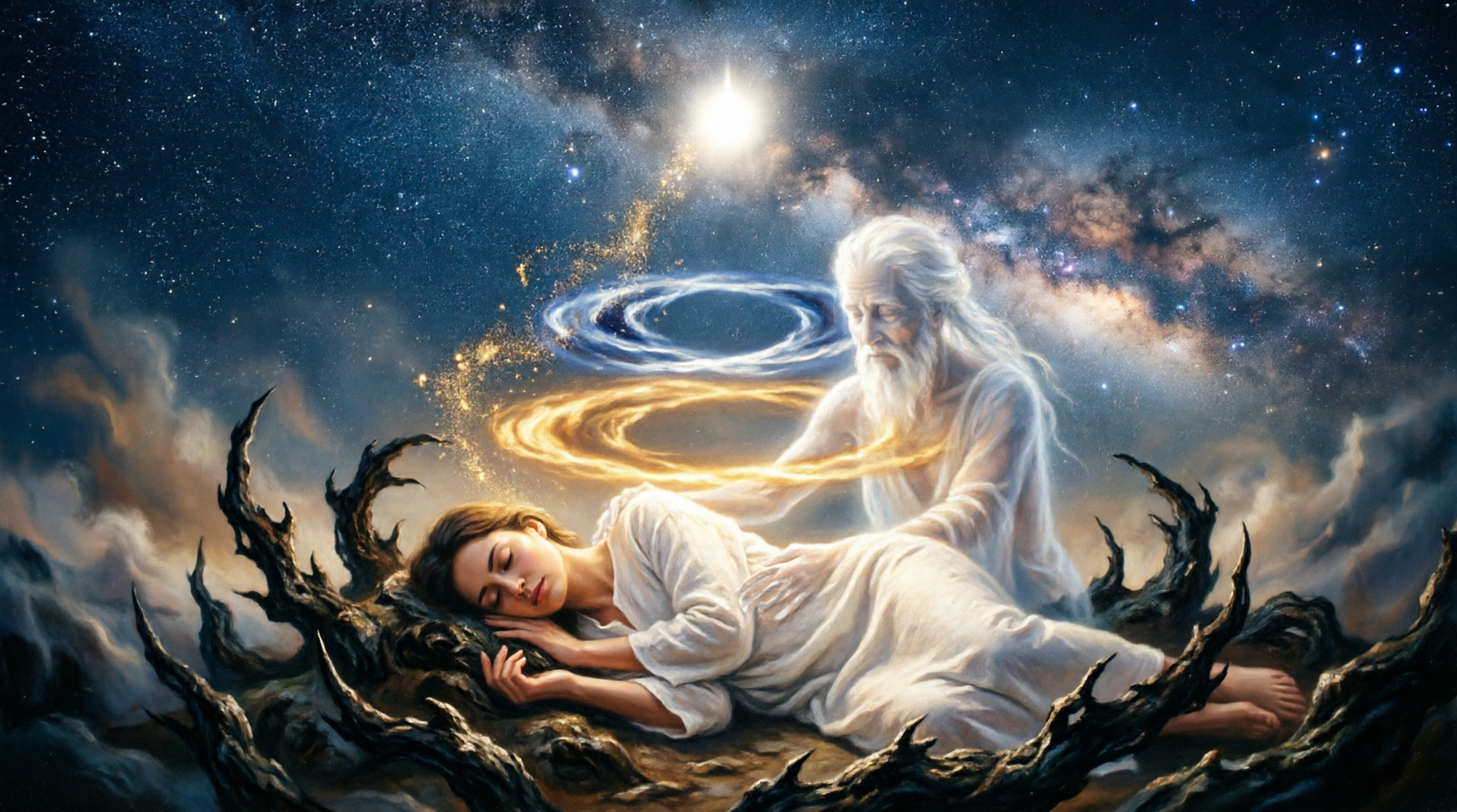
The Mystical Journey of Souls: Reincarnation, Ibur, and Redemption in Jewish Thought
In the heart of Jewish mysticism lies a captivating exploration of the soul’s journey, a journey filled with profound significance and deep emotional resonance. This journey encompasses the concepts of reincarnation, *ibur* (the spiritual infusion of a righteous soul into a living person), and the rectification of souls. Each of these ideas serves as a reminder of our interconnectedness and the ways in which our lives are influenced by those who came before us. At the center of this narrative is Adam HaRishon, the first human, whose choices set in motion a chain of events that reverberate through time and shape the destiny of all souls.
The Nature of Ibur
Imagine a moment when you feel an inexplicable connection to someone who has passed away, as if their essence is guiding you. This is the essence of *ibur*. In Jewish thought, this phenomenon occurs when the soul of a righteous person who has died enters the body of a living individual. It’s not just a mystical idea; it’s a heartfelt reminder that we are not alone in our struggles. The righteous soul, having completed its physical journey, can still impart wisdom and strength, helping us navigate the challenges of our lives.
When a person performs a mitzvah, an act of kindness or a commandment that aligns with the values of the departed soul, a bond is forged. It’s as if the soul is whispering encouragement, urging the living to rise to their potential. This relationship is deeply personal. It invites us to consider how our actions resonate not just in our lives but also in the lives of those who have left this world. The weight of this connection can inspire us to act with greater compassion and purpose, knowing that we are part of a larger narrative that spans generations.
The responsibility that comes with *ibur* is profound. When a righteous soul resides within someone, that person becomes a vessel for their teachings and virtues. Their actions can uplift the soul, allowing it to achieve a sense of peace and fulfillment. In this way, our choices in life take on an added dimension; they are not just about us but about the legacy we carry and the souls we represent.
The Impact of Adam HaRishon’s Choices
To understand the journey of souls, we must first reflect on the story of Adam HaRishon. His actions in the Garden of Eden, particularly his choice to eat from the Tree of Knowledge, had far-reaching consequences. According to Jewish mysticism, this sin didn’t just affect Adam; it sent ripples throughout the fabric of creation, scattering divine sparks and leaving a mark on the souls that would follow.
The narrative of Adam reminds us that our choices matter. They can lead to joy and enlightenment, but they can also bring about challenges and suffering. As Adam’s soul became fragmented, so too did the souls of his descendants. Each soul that emerged from him carried with it the potential for greatness, but also the burden of rectifying past mistakes. This idea of spiritual fragmentation highlights the reality that we are all on a shared journey of healing, bound by the legacies we inherit.
The Journey of Rectification
The journey of soul rectification is a deeply human experience, marked by struggle, growth, and the pursuit of redemption. Each time a soul reincarnates, it is given another chance to address past missteps and to reclaim the divine sparks of holiness that were lost. This process is not just a spiritual exercise; it reflects the very essence of what it means to be human. We all face challenges, make mistakes, and yearn for growth and understanding.
Imagine living multiple lifetimes, each one presenting new opportunities to learn and grow. Each reincarnation is a chapter in a larger story, filled with lessons that shape our character and deepen our understanding of ourselves and others. In this context, every act of kindness, every moment of self-reflection, and every effort to improve becomes a step toward personal and collective healing.
The implications of this journey are profound. Our actions not only impact our own souls but also the souls of those around us. When we engage in acts of goodness and strive for righteousness, we contribute to a greater tapestry of healing, not just for ourselves but for the entire community of souls. This interconnectedness invites us to consider how our lives can serve as a source of inspiration and support for others, highlighting the beauty of our shared humanity.
The Role of the Klipot
In this intricate narrative, we encounter the *Klipot*, the barriers that obscure spiritual light and holiness. These husks represent the challenges we face in our daily lives—the distractions, temptations, and struggles that can lead us away from our true purpose.
Navigating the *Klipot* is a universal experience. We all encounter moments when we feel lost or overwhelmed, and it’s in these moments that the struggle becomes a crucial part of our growth. The *Klipot* test our resolve and encourage us to dig deep within ourselves, challenging us to confront our desires and fears. This struggle is not just an external battle; it is a deeply personal journey that shapes our character and strengthens our spirit.
Even in moments of darkness, the Shechinah—the divine presence—accompanies us, reminding us that we are never truly alone. This companionship provides comfort and resilience, encouraging us to persevere in our quest for spiritual elevation. It’s a testament to the idea that, no matter how challenging our circumstances may be, there is always a pathway toward light and redemption.
The Interplay of Souls: Collective and Individual Journeys
Ultimately, the journey of the soul is one of both individuality and collectivity. Each person’s path is unique, yet we are all interconnected, woven together in a rich tapestry of shared experiences. The concept of *ibur* beautifully illustrates this interconnectedness. The righteous souls who enter the living individuals create a bond that transcends time, reminding us that we are part of a larger story that extends beyond our own lives.
As we engage with one another, we contribute to a collective journey of growth and healing. The choices we make, the kindness we extend, and the love we share resonate far beyond our immediate surroundings. In this sense, our lives become part of a continuous cycle of redemption, where each act of goodness has the power to uplift not just ourselves, but also those who walk alongside us.
In conclusion, the mystical concepts of reincarnation, *ibur*, and the rectification of souls invite us to reflect on our own lives and the legacies we carry. They remind us that every moment is an opportunity for growth, every challenge is a chance for learning, and every act of kindness can ripple through time, touching the lives of countless souls. By embracing this journey with an open heart, we can contribute to a world filled with light, love, and the promise of redemption for all.
The Journey of TRONKDN: A Soul’s Quest for Redemption and Growth
In the rich tapestry of our shared human experiences, few concepts resonate as deeply as that of reincarnation. It beckons us to ponder our existence, our choices, and the paths we take in life. At the heart of this exploration is the intriguing figure known as TRONKDN, a name that sparks curiosity and invites reflection. To understand TRONKDN is to embark on a journey through the essence of the human spirit, or the Nefesh, and its many lives and lessons. This journey compels us to think about how our past actions shape our present and influence our future, ultimately guiding us toward spiritual growth and redemption.
The Nefesh: Our Soul’s Foundation
In many spiritual traditions, the Nefesh symbolizes the core of our being—the part of us that connects deeply with our physical existence and the world around us. It’s not just a static entity; it’s vibrant and evolving, shaped by our experiences, decisions, and the lessons we learn along the way. The Nefesh carries the weight of our past—the joys, the regrets, the moments of kindness and the times we have faltered. It is a reminder that we are all on a journey to grow and improve, to rectify our missteps and strive for a higher purpose.
TRONKDN embodies this beautiful, often tumultuous journey of the Nefesh. Imagine navigating life with the knowledge that each experience, whether joyous or painful, contributes to your soul’s evolution. Each choice you make not only impacts your own journey but resonates with the collective consciousness of humanity. This idea reminds us that we are interconnected, each of us playing a part in a much larger story.
The Power of Togetherness: Ibur
As we journey through life, we are often accompanied by others—friends, family, mentors—who shape our experiences and influence our growth. In the spiritual sense, this concept is known as *ibur*, which refers to the collective aspect of our soul’s journey. It suggests that our Nefesh is not alone; it is intertwined with others, each of us contributing to a shared experience of healing and growth.
When one person performs a good deed, it’s as if they are sending ripples through the fabric of the Nefesh, allowing everyone to benefit from that act of kindness. This interconnectedness emphasizes that while we each have our own paths to walk, we are also part of a larger community. Our actions—both good and bad—affect those around us, reminding us of the importance of accountability and compassion in our lives.
Conversely, when we stumble or sin, it serves as a reminder that we are all imperfect beings navigating a complex world. In those moments, the rest of the Nefesh stands with us, offering support and understanding, reinforcing the idea that we are never truly alone in our struggles.
Life, Death, and Rebirth: An Ongoing Cycle
The cycle of life and death is central to our understanding of TRONKDN. Death, often perceived as an end, is, in reality, a transformative process. When we pass from this world, our Nefesh experiences a kind of suffering—a culmination of the challenges and trials we faced during our lifetime. However, this suffering is not in vain; it serves as a vital part of our spiritual journey. It allows our soul to shed its imperfections and prepare for its next incarnation, equipped with the wisdom gained from past experiences.
Consider the beauty of this cycle: each life is an opportunity for growth, a chance to confront our past and emerge stronger. TRONKDN symbolizes this hope and renewal, reminding us that no matter how heavy our past burdens may be, we always have the potential for redemption and transformation. Each lifetime gives us the chance to learn, to love, and to strive towards our highest selves.
New Beginnings Through Yibum
The concept of *yibum*, or levirate marriage, adds another layer to our understanding of TRONKDN. In situations where a man passes away without leaving behind heirs, it becomes the responsibility of his brother to marry the widow and carry on the family legacy. This act is much more than a duty; it represents a profound opportunity for the Nefesh to reincarnate and fulfill its purpose.
Through this union, the soul gets a fresh start, allowing it to embrace new experiences while honoring its past. This idea of new beginnings underscores the importance of relationships and shared responsibilities in our quest for spiritual fulfillment. It tells us that our growth is often linked to those around us, reinforcing the notion that we are all connected in this journey of life.
Conclusion: Embracing the Quest for Growth
As we reflect on the journey of TRONKDN, we are reminded of the profound nature of our human experience. The intricate relationship between our Nefesh, its reincarnations, and our collective existence highlights the importance of living with intention and kindness. Each choice we make carries weight; every act of compassion and understanding contributes to a larger narrative of growth and redemption.
Ultimately, TRONKDN invites us to look inward and examine our lives. It encourages us to recognize the significance of our actions and the interconnectedness of our souls. In embracing this understanding, we can navigate life’s complexities with greater awareness and empathy, seeking not only our own growth but also the upliftment of those around us.
In this shared journey of existence, we learn that every act of kindness, every moment of self-reflection, and each decision to pursue a higher purpose is a step closer to enlightenment. While the path may be fraught with challenges, it is also filled with the promise of renewal and transformation, leading us toward the divine essence that resides within us all.
**The Mystical Journey of the Soul: A Personal Exploration of Nefesh, Ruach, and Neshamah**
In the vast landscape of human experience, the concept of the soul resonates deeply, acting as a bridge between our earthly existence and something far greater than ourselves. Within the rich traditions of Jewish mysticism, especially in Kabbalistic teachings, the soul is viewed as a complex entity made up of three distinct layers: the Nefesh, Ruach, and Neshamah. Each of these facets of the soul plays a unique role and undergoes its own journey, particularly during our nightly rest. As we explore these layers, we not only gain insight into the spiritual processes that connect us to the divine but also discover the personal significance of our spiritual growth and the transformative power of introspection.
The Nefesh: Our Vital Life Force
Let’s start with the Nefesh, which can be thought of as the essence of our physical being. It is the part of the soul that connects us to our basic instincts, emotions, and desires. Think of the Nefesh as the vibrant energy that drives us to eat when we’re hungry, seek shelter when we’re cold, and form connections with those we love. It is our raw, instinctual self, deeply rooted in the material world, and it encourages us to engage fully with life’s experiences.
As night falls and we lay down to sleep, the Nefesh embarks on a journey of its own. It begins to detach from the physical body, seeking to ascend beyond the limits of everyday life. This nightly voyage is not just a physical detachment but a spiritual opportunity for renewal and reflection. Imagine it as a caterpillar that dreams of becoming a butterfly, yearning to transcend its limitations and explore higher realms of existence. In the quiet of the night, the Nefesh seeks connection with something greater, opening the door to spiritual growth and understanding.
The Ruach: Our Emotional and Intellectual Self
Accompanying the Nefesh on its journey is the Ruach, which represents our emotional and intellectual faculties. This aspect of the soul acts as a bridge, linking our instinctual drives with our higher aspirations. Within the Ruach, we find our thoughts, feelings, and moral consciousness—those complexities that define our humanity.
As we drift into sleep, the Ruach engages in a dance with the Nefesh, allowing us to process our experiences and emotions. It’s during this time that we might dream, reflecting on our lives and contemplating our choices. This interplay between the Nefesh and Ruach can lead to profound insights. Perhaps you’ve woken up from a dream that illuminated a personal challenge or revealed an inner truth. These moments of clarity are the gifts of our nightly journeys, inviting us to understand ourselves more deeply.
The Neshamah: The Divine Spark Within
At the pinnacle of this tripartite structure is the Neshamah, the divine spark that resides within each of us. Unlike the Nefesh and Ruach, which deal with our physical and emotional realities, the Neshamah connects us directly to the divine. It is the source of inspiration, creativity, and a sense of purpose in our lives. The Neshamah reminds us that we are not just physical beings; we are spiritual entities with a higher calling.
When dawn breaks and we awaken from our slumber, it is our Neshamah that re-enters the body, bringing with it the lessons learned during the night. This re-integration isn’t merely a return to our daily routines; it’s a renewal, a chance to carry the insights gained during sleep into our waking lives. Think of it as a rebirth—a moment when we can emerge with fresh perspectives and renewed energy, ready to embrace the day ahead.
The Process of Rectification: A Journey of Healing
In Kabbalistic thought, the concept of rectification is essential. Each night, as our souls ascend, they undergo a process of transformation that prepares them for their return to the physical realm. This journey serves as a time for healing, where we can confront our past actions, seek forgiveness, and let go of emotional burdens. It’s a bit like cleaning out a cluttered attic—the process may be uncomfortable, but it ultimately leads to clarity and space for new growth.
During this time, we may dream of unresolved issues or face fears that have lingered in our hearts. These dreams are not random; they are invitations to reflect and heal. By engaging with our inner selves during sleep, we create opportunities for growth that can positively impact our waking lives. The act of rectification is a powerful reminder that we have the ability to shape our destinies, to learn from our mistakes, and to become better versions of ourselves.
The Interplay of Sleep and Spiritual Elevation
Moreover, the nature of our sleep significantly influences the depth of our spiritual journeys. If we approach our days with mindfulness and engage in righteous actions, we create a conducive environment for our souls to ascend at night. Conversely, if we are burdened by negativity or unresolved conflicts, our ascension may be hindered.
Sleep, then, becomes a sacred time for personal and spiritual growth. It’s when we can engage with our innermost thoughts, confront unresolved issues, and invite healing into our lives. Simple rituals, like taking a moment to reflect on the day or setting intentions for our dreams, can serve as powerful gateways for this transformation. These practices create a sacred space, allowing our souls to embark on their nightly journeys with purpose and clarity.
The Return: A Chariot for the Soul
As we awaken each morning, our souls return to our bodies, bringing with them a treasure trove of insights and spiritual wealth. While we may not always remember the details of our nightly experiences, their effects linger, shaping our attitudes and deepening our connections with ourselves and others. In this way, our bodies serve as chariots for our souls, with the Nefesh and Ruach harmonizing under the guidance of the Neshamah. This triadic relationship fosters a holistic sense of self, allowing us to navigate the complexities of life with grace and wisdom.
Furthermore, the spiritual journey of the soul is not just an individual affair; it intertwines with the collective consciousness of humanity. Each person’s journey contributes to a larger tapestry of spiritual elevation, impacting the world around us. When we refine our own souls, we inadvertently assist in elevating the collective spirit, creating a ripple effect that fosters healing and transformation in our communities.
The Practical Application: Embracing Our Journeys
As we navigate our daily lives, it’s vital to remember the interconnectedness of our journeys. By embracing our spiritual growth and engaging with our inner selves, we can cultivate a deeper understanding of our purpose and foster meaningful connections with others. We can strive to live ethically, practice mindfulness, and approach our experiences with curiosity and openness.
In conclusion, the journey of the soul—comprising the Nefesh, Ruach, and Neshamah—is a rich and intricate process that invites us to explore our innermost selves. Through the interplay of sleep and spiritual elevation, we can embark on a journey of healing, growth, and transformation. By nurturing our souls, we not only enrich our own lives but also contribute to humanity’s collective journey.