
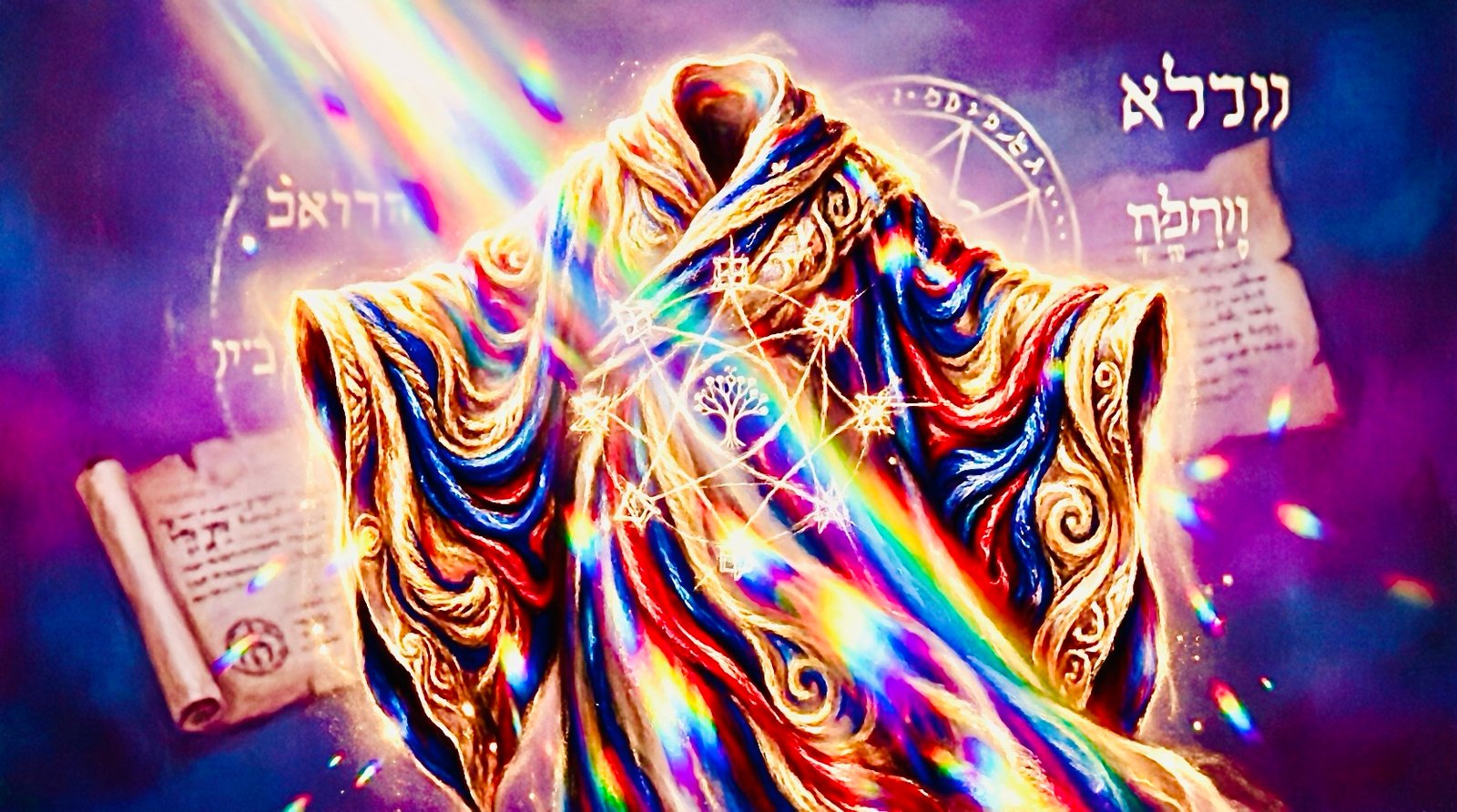
**Clothing for the Soul: A Journey into Spiritual Adornment**

Imagine for a moment that your soul is like a beautiful tapestry, intricately woven with threads of your experiences, your values, and your connections to others. Just as we dress our bodies in clothing that reflects our personality and style, our souls also wear garments—spiritual ones—that reveal who we are at our core. This idea of “clothing for the soul” is not just a poetic metaphor; it carries deep meaning in many spiritual traditions, especially in the mystical teachings of the Zohar.
The Importance of Spiritual Clothing
Let’s think about what clothing does for us in our everyday lives. It protects us from the elements, expresses our individuality, and even makes us feel confident. Similarly, our spiritual garments serve as a protective layer for our souls, helping us navigate the ups and downs of life. They guard us against negativity and remind us of our higher purpose, allowing us to shine even in challenging circumstances.
Take the story of Yosef HaTzaddik, for example. His life is a testament to the importance of spiritual clothing. Yosef faced immense trials—betrayal by his brothers, false accusations, and imprisonment. Despite these hardships, he remained steadfast in his values and faith. In one of the most poignant moments of his journey, we learn that he lost ten vital sparks of holiness—like losing pieces of his soul—when he encountered temptation. This serves as a powerful lesson: the garments we choose to wear—morally, spiritually, and emotionally—are crucial to our well-being and the integrity of our souls.
The Dance of Divine Pairings
Central to the idea of spiritual clothing is the concept of divine pairings—an intricate dance between masculine and feminine energies that together create a harmonious balance in the universe. According to Kabbalistic teachings, these pairings not only shape our spiritual garments but also guide the flow of divine energy into our lives.
Let’s take a closer look at these divine pairings, using them as a framework for understanding our own spiritual journeys:
1. **Yisroel with Rachel**: This pairing represents a time of abundance and spiritual nourishment. Think of it as a moment when you feel completely connected to your higher self, surrounded by love and support. During this time, our spiritual clothing is vibrant and full of light, helping us thrive.
2. **Ya’akov with Rachel**: Here, we find a nurturing quality that reminds us of the importance of protection and care. Imagine waking up each morning, filled with determination and purpose, ready to face the day. This is when we gather strength and resilience, ensuring our spiritual garments are fortified against life’s challenges.
3. **Ya’akov with Leah**: This pairing occurs during the quiet hours of the night, symbolizing a deeper connection to our inner wisdom. It’s a time for introspection, allowing us to stretch our understanding and grow. The garments we weave during this time are rich with insight, guiding us through life’s complexities.
4. **Yisroel with Leah**: In the bustle of the afternoon, this union emphasizes grounding ourselves in reality while reaching for the spiritual. It’s about finding balance—knowing when to aspire for greatness and when to stay rooted in the present. The clothing we acquire here helps us navigate our daily responsibilities with grace.
5. **Ya’akov with Leah**: Finally, during the evening prayers, this pairing connects us to a sense of peace and tranquility. It’s like wrapping yourself in a warm blanket after a long day—comforting and protective. The garments we don in this moment provide us with a sense of safety, allowing our souls to rest and recharge.
Each of these pairings illustrates how our spiritual garments are influenced by our connections—both to the divine and to one another. They remind us that we are not alone in our journeys; we are part of a larger tapestry of existence that is woven together by love, support, and shared experiences.
The Lasting Impact of Our Choices
One of the most profound aspects of our spiritual clothing is that it is permanent. The Zohar teaches us that these garments cling to our souls, remaining with us even after we leave this world. This idea invites us to consider the legacy of our actions and choices. Just as our clothing can reflect our style and personality, our spiritual garments embody the virtues we cultivate throughout our lives.
Think about it: every act of kindness, every moment of integrity, and every connection we nurture adds a beautiful stitch to the tapestry of our souls. Conversely, moments of negativity or disconnection can fray the edges of our garments. This awareness encourages us to be intentional in our choices, ensuring that we adorn our souls with qualities that uplift and inspire not only ourselves but also those around us.
Conclusion: The Call to Mindful Adornment
As we reflect on the idea of “Clothing for the Soul,” we are reminded of the power we hold to choose how we adorn ourselves spiritually. It’s a call to be mindful of the garments we wear and the energy we project into the world. By embracing virtues like love, compassion, and integrity, we can create beautiful spiritual clothing that reflects our true selves.
In our daily lives, let us remember that we are always in the process of dressing our souls. Each choice we make, each relationship we nurture, and each moment we stand in our truth contributes to the vibrant tapestry of our existence. May we strive to wear our spiritual garments with pride, allowing our inner light to shine brightly and inspire others to do the same. After all, we are not just clothing our souls; we are weaving a collective legacy that will resonate through time, connecting us all in the beautiful, intricate dance of life.
The Geros of Ah: A Journey Through Spiritual Martyrdom in Kabbalistic Thought
In the rich and intricate world of Kabbalah, the connection between the divine and our everyday lives is often explored through deep metaphors and layered symbolism. One of the most compelling ideas in this mystical tradition is the concept of the Geros—spiritual beings that act as bridges to divine energies. They embody the essence of the Ten Martyrs, extraordinary individuals who gave their lives for their faith during a time of intense persecution. These martyrs are not just figures from the past; they represent profound spiritual truths that resonate with people today. This essay aims to delve into the significance of the Geros, exploring their connection to the Ten Martyrs and their vital role in the Kabbalistic understanding of the human experience.
The Martyrs: Heroes of the Faith
At the core of this discussion is the understanding that the Geros are deeply intertwined with the Ten Martyrs—ten brave souls who faced unimaginable suffering for their beliefs. This tragic chapter in Jewish history is not merely a story of loss; it is a testament to the strength of faith. Each martyr embodies a unique aspect of divine energy, contributing to a larger cosmic order. The Geros can be thought of as two distinct groups: five associated with Abba (the father) and five with Imma (the mother). Each of these groups corresponds to different attributes in the Kabbalistic tree of life, painting a picture of spiritual balance and complexity.
Take Rebi Akiva, for example, a towering figure in Jewish thought known for his wisdom and compassion. His connection to Chesed (kindness) reveals a profound duality—his soul’s root traces back to Kayin (Cain), suggesting that even within our darkest moments, there is potential for transformation. Each of the other martyrs—Rebi Shimon ben Gamliel, Rebi Yesheyvav HSofer, Rebi Vishmael ben Elisha Kohen Gadol, and Rebi Yehudah ben Babba—represents different attributes of divine qualities, such as Gevuros (severity) and Tiferet (beauty). Together, they form a rich tapestry of strengths and weaknesses that reflect the complexity of human experience.
The Clothing of the Soul
The idea of soul clothing is a fascinating one in Kabbalistic thought. It suggests that each Geros is not just a spiritual abstraction but a being wrapped in layers of divine energy reflecting its unique qualities and mission. Imagine divine light descending into our world, taking on various forms much like sunlight breaking through a prism to create a beautiful spectrum of colors. The martyrdom of these righteous individuals is transformative; it allows the divine light to shine more freely, illuminating the lives of those who come after them.
The Geros teach us that martyrdom is not just about suffering; it is about severing ties to darkness and allowing divine light to flow freely. They become symbols of spiritual resilience and transcendence, reminding us that our struggles can lead to greater illumination. Their lives and deaths encourage us to engage in the ongoing fight against spiritual adversity and to seek a deeper connection with the divine.
Rebi Shimon Bar Yochai: A Beacon of Wisdom
Within this rich tradition, Rebi Shimon bar Yochai stands out as a monumental figure. His teachings, particularly those shared with his students, reveal layers of mystical insight into the Torah. His ten students, linked to the attributes of Chassadim (benevolence), represent a different side of the spiritual journey. Unlike the Ten Martyrs, these students do not need to sacrifice themselves to access the divine light; they embody it through their purity and dedication to learning.
The dynamic between Rebi Shimon and his students is a beautiful illustration of the balance between suffering and enlightenment. While the martyrs exemplify the struggle against darkness, the students reflect the ascent toward illumination. Through their commitment to learning and teaching, they draw down the divine wisdom contained within the Torah, illuminating the path for others.
Rebi Shimon’s teachings offer profound insights into the soul’s journey, showcasing the interplay of light and darkness within each of us. His wisdom serves as a guide, helping us navigate life’s challenges with grace and understanding. His students inherit this legacy, embodying ideals of compassion and enlightenment, and reminding us that even in our darkest hours, we can seek and find light.
The Legacy of the Geros: Inspiration for Our Lives
As we consider the Geros from the “braias” of Ah, we become part of a rich narrative that connects martyrdom, divine attributes, and the timeless quest for enlightenment. The sacrifices of the Ten Martyrs are not just historical accounts; they serve as powerful symbols of resilience and hope. Each Geros stands as a testament to the human spirit’s ability to endure and transcend suffering. Their stories inspire us to confront our own challenges, encouraging us to seek out the divine purpose in our trials.
The teachings of Rebi Shimon and his students further illuminate our paths, urging us to cultivate compassion, wisdom, and a deep connection to the divine. Their legacy is not just a relic of the past but a call to action for us today. It reminds us that in our struggles, we can find strength and purpose, transforming adversity into opportunities for growth.
Conclusion: Embracing the Light Within
In conclusion, our exploration of the Geros from the “braias” of Ah reveals profound connections between life, death, and the ways in which the divine interacts with our world. The sacrifices of the Ten Martyrs transcend their historical context, serving as powerful reminders of the resilience of the human spirit. They exemplify the potential for transformation within each of us, teaching us that even in our darkest moments, we can seek the light.
As we navigate the complexities of our lives, may the teachings of the Geros inspire us to rise above our struggles, illuminating our paths with the light of divine wisdom. In a world often filled with challenges, their legacy serves as a beacon of hope, guiding us toward a future where faith, understanding, and compassion can flourish. The dance of light and darkness continues, and through our engagement with these ancient truths, we can find the courage to embrace our own journeys toward spiritual illumination.
The Legacy of Hakadosh: A Journey Through Jewish Wisdom
When we think of the profound impact that Jewish scholarship has had on our lives, one name stands out: Rabbi Yehudah HaNasi, affectionately known as Hakadosh. He was not just a scholar; he was a visionary who transformed the landscape of Jewish thought by redacting the Mishnah around the year 186 CE. The Mishnah is more than a text; it’s a vibrant collection of oral traditions and teachings that have been passed down through generations, serving as a guiding light for Jewish law, ethics, and spirituality. Hakadosh’s work in compiling these teachings was monumental, but it was his deep connection with his students that truly enriched this legacy. Scholars like Rabbi Chiya, Rabbi Oshia, Bar Kappara, and Levi bar Sisi were not just his pupils; they were extensions of his wisdom, embodying the kindness and strength that he instilled in them. Their teachings continue to resonate today, inviting us to explore the depths of Jewish life and spirituality.
Hakadosh’s influence runs deep and can be seen in the way his students carried his teachings into the world. Each student was like a unique vessel through which Hakadosh’s light and knowledge flowed. This is beautifully symbolized by the idea of ten drops of divine kindness (Chassadim) and strength (Gevuros) that emanated from him. The imagery of these drops serves as a reminder of how interconnected we all are in our quest for understanding, compassion, and strength in our daily lives. Their interpretations and expansions on Hakadosh’s foundational texts have fostered a rich intellectual legacy that continues to inspire those who seek wisdom and guidance.
The Spiritual Pairing of Ya’akov and Leah
Now, let’s delve into a fascinating aspect of Jewish mysticism: the Kabbalistic pairing of Ya’akov (Jacob) and Leah. This pairing opens up a world of meaning, illustrating how our relationships—both human and divine—are imbued with spiritual significance. According to Kabbalistic thought, the connection between Ya’akov and Leah signifies a moment of transformation, especially as it unfolds after midnight. Leah, often seen as a symbol of judgment, experiences a profound transformation, one that sweetens her attributes. This moment reveals a fundamental truth: even in times of strict judgment, it is possible for mercy to break through, especially in those early hours when the world is quiet and ripe for reflection.
The depth of this pairing goes beyond mere narrative; it serves as a lens through which we can understand the complexities of our spiritual lives. The interplay of kindness and strength found in their relationship reflects a holistic view of existence, one that invites us to embrace both sides of our nature. This dynamic is not just theoretical; it mirrors the struggles we face in navigating our own relationships and challenges. The concept of ten drops—five representing kindness and five representing strength—highlights the idea that we can strive for balance in our own lives.
The Significance of the Spilled Seed Drops
As we dive deeper into the teachings surrounding these pairings, we encounter the notion of the “spilled seed drops.” These drops emerge from the male’s own desire, signifying a unique level of spiritual engagement. Unlike traditional views where the female arouses the male, the idea here is that the male’s desire for connection and unity is a powerful force in its own right. This distinction emphasizes the importance of intention in our spiritual practices and relationships.
These drops, arising from a genuine yearning for connection, symbolize the direct expression of one’s soul seeking unity with the divine. They serve as a reminder that our desires and intentions play a crucial role in the spiritual journey we undertake. The Kabbalistic teachings suggest that these drops are imbued with a special spiritual potency, reinforcing the importance of conscious engagement with the divine. This isn’t just about physical relationships; it’s about the deeper connections we nurture in our lives.
Embracing a Holistic Perspective
To fully appreciate the depth of these teachings, we must embrace a holistic perspective on spirituality. The interplay between Ya’akov and Leah, along with other pairings, reveals that the quest for unity—both within ourselves and with the divine—is crucial for our spiritual growth. This synthesis of kindness and strength is not just a theoretical concept; it is a practical guide for how we can live our lives with integrity and purpose.
This understanding also highlights the roles we all play in the cosmic order. Each pairing represents a unique moment in the spiritual continuum and serves as a vessel for the transmission of divine energy. This interconnectedness reminds us that we are not alone in our journeys; our actions and relationships resonate far beyond our immediate surroundings. By actively engaging with our spiritual heritage and drawing from the teachings of Hakadosh and his students, we can find guidance and inspiration in our daily lives.
Conclusion: A Living Legacy
In conclusion, the legacy of Hakadosh is not just an academic pursuit; it’s a living, breathing part of our heritage that continues to shape our understanding of Jewish spirituality. His teachings, embodied in the Mishnah and the wisdom of his students, offer us profound insights into the complexities of human relationships and the divine. The Kabbalistic interpretations of the pairings of Ya’akov and Leah invite us to explore the delicate balance of mercy and judgment, urging us to seek unity in our lives. As we reflect on these teachings, we recognize that the wisdom of Hakadosh is not confined to the pages of history but is a vibrant source of inspiration for our own journeys, encouraging us to engage with the world around us with compassion, strength, and a deep sense of purpose.
**The Mystical Tapestry of the Soul: Understanding Clothing and Emanation in Kabbalistic Thought**
In the rich and intricate world of Kabbalistic tradition, the soul is often likened to a beautifully woven tapestry, each thread representing a unique aspect of our spiritual journey. The concept of “clothing” in relation to the soul, especially when we consider the divine emanations, invites us to reflect on our own experiences and connections with the divine. At the heart of this exploration is the idea that the “clothing” of the soul—particularly in the context of a mystical framework known as Zehr Nistrah—offers profound insights into who we are and how we relate to the world around us.
Let’s begin by picturing the essence of our soul as something deeply personal and precious. In Kabbalistic thought, the “clothing” of the soul is not just a decorative layer; it represents the divine light that envelops us. Imagine these layers as drops of water, each one filled with divine energy and wisdom. These drops originate from a sacred place—the elevated realm of Da’as, which can be thought of as a source of profound knowledge and understanding. Each drop is a unique expression of divine light, and just like each of us carries our own story, these drops carry the essence of our individual souls.
What makes this idea even more captivating is that while these drops come from the same divine source, the souls they embody have different roots and paths. Think of it as a family tree: each branch represents a soul that has its unique journey and purpose. While we may be connected through a shared divine light, our experiences, challenges, and triumphs are what make us who we are. This diversity enriches our collective journey, reminding us that we all play a part in a larger, interconnected narrative.
The metaphor of clothing also speaks to the relationship between our inner selves and how we present ourselves to the world. The drops of light represent both our inner essence and the outer expression of that essence. Just as we choose what to wear based on our mood or the occasion, the layers of our spiritual clothing reflect our inner state. They remind us that our spiritual journey is not just about the private, introspective moments but also about how we engage with the world around us.
As we delve deeper into Kabbalistic teachings, we encounter the concept of the “Remnant of Yisroel.” This term carries a deep sense of hope and resilience, particularly during challenging times. It speaks to those souls who, despite facing adversity, hold onto their connection with the divine. This idea resonates with anyone who has ever felt lost or overwhelmed; it’s a reminder that even in our darkest moments, there is a spark of light within us that can guide us through.
When we reflect on the final generation described in Kabbalistic thought, we see a profound moment in our shared spiritual history. These souls are believed to arrive during a time of great challenge and transformation. Their presence signifies more than just a point in time; it represents a collective awakening—a call to reconnect with our spiritual roots and purpose. This is a reminder that we are not just passive observers in our lives; we are active participants in a divine unfolding.
The teachings about these souls encourage us to engage in acts of repentance and introspection. They challenge us to seek a deeper connection with the divine and to awaken the spiritual potential that lies within each of us. The drops that emerge in this final generation invite us to reflect on our own journeys and the importance of striving for growth and transformation, even when faced with obstacles.
As we consider the interplay of drops, clothing, and souls in Kabbalistic thought, we begin to see a rich narrative that speaks to our own lives. It invites us to recognize and appreciate the unique threads that make up our spiritual tapestry. We are reminded that while we each have individual paths, we are also part of a larger story woven together by divine hands. This interconnectedness fosters a sense of community and belonging, encouraging us to support one another on our journeys.
In a world that often feels chaotic and uncertain, the exploration of our spiritual identities becomes even more vital. The idea that we are all part of this grand tapestry encourages us to embrace our uniqueness while also recognizing our shared humanity. It calls us to seek connection, understanding, and compassion, reminding us that we are not alone in our struggles.
Ultimately, Kabbalistic teachings about the clothing of souls and the emanation of divine light offer profound insights into our existence. The layers of our spiritual clothing reflect our inner essence and our interactions with the world. By engaging with these teachings, we can find hope and inspiration, awakening our spiritual potential and fulfilling our roles in the intricate fabric of creation. As we navigate our own paths, let us remember that our journeys are not just about individual growth; they are about the connections we forge and the light we share with one another, guiding us toward a more unified and meaningful existence.