
**The Mystique of Soul Mates: A Journey Through Reincarnation and Relationships**
In our shared human experience, the idea of soul mates resonates deeply with many of us. It’s a concept that evokes images of two people who are perfectly matched, destined to share their lives in a significant and transformative way. But this notion goes beyond just a romantic ideal; it invites us to explore the deeper, often mystical dimensions of love, connection, and the journeys our souls undertake across time.
Imagine the first time you meet someone and instantly feel a connection, as if you’ve known them forever. It’s as if they understand you in a way no one else does. This is often how soul mates are described—two souls that have journeyed together through lifetimes, each encounter enriching their bond. In some spiritual traditions, particularly those influenced by Kabbalistic teachings, the idea of soul mates is intricately linked to reincarnation, suggesting that our connections can span many lifetimes, filled with lessons, challenges, and, ultimately, growth.
When a soul comes into this world for the first time, it often finds its counterpart—its soul mate—born at the same time. This pairing is unique; there’s a natural ease and understanding between them. They are companions on a shared adventure, navigating life’s ups and downs side by side. They might laugh together, support one another through challenges, and share dreams as they walk through life. This initial connection is often beautiful and uncomplicated, reflecting the purity of their bond.
However, life isn’t always a smooth ride. As we journey through existence, we inevitably make mistakes, and some of these may require us to return to the physical world to learn, grow, and rectify our past actions. When we engage in harmful behaviors or create unresolved issues, we may find ourselves facing the necessity of reincarnation. In such cases, our soul mate may also come back to support us through this process. Yet, this reunion can often be complicated. The deep connection that once felt so effortless may now be fraught with tension and misunderstandings, as both individuals grapple with the weight of their past actions and the lessons they need to learn.
This is where the idea of “second pairings” comes into play. While soul mates are meant to be each other’s greatest allies, the journey of love can sometimes lead to conflict. In this context, the tumultuous nature of a relationship can be seen as an opportunity for growth. True love isn’t just about harmony; it’s about facing challenges together, allowing both partners to evolve and gain a deeper understanding of themselves and each other. This journey can be incredibly rewarding, as it often leads to healing and a stronger bond.
Additionally, the discussion of soul mates raises intriguing questions about gender and the nature of reincarnation. In some interpretations, men may reincarnate to confront their past misdeeds, while women might experience a different form of purification without the same cycle of rebirth. This distinction prompts us to reflect on the roles and experiences of women in spiritual narratives, highlighting the diverse paths we all take in our journeys.
The concept of “soul brothers” or “soul companions” further enriches this exploration. These connections may appear in various forms—friends, siblings, or even rivals. Sometimes, these relationships can be marked by intense emotions, suggesting that unresolved issues from previous lifetimes may manifest as conflict in this one. The relationships we form, even those filled with tension, can serve as profound teachers, pushing us to confront our past and seek healing.
Ultimately, the idea of soul mates invites us to rethink our understanding of love. It teaches us that soul mates are not just those who bring joy and tranquility into our lives but also those who challenge us, helping us grow and evolve. Love isn’t always easy; it often requires patience, understanding, and a willingness to face our fears and vulnerabilities.
In this exploration, we are reminded that our connections with others are deeply intertwined. Our relationships can be mirrors reflecting our innermost selves, urging us to confront our flaws and embrace our strengths. Soul mates can guide us through the journey of self-discovery, encouraging us to become the best versions of ourselves.
As we navigate the complexities of love and relationships, it’s essential to remember that the essence of a soul mate lies not only in moments of blissful connection but also in the shared struggles that ultimately lead to growth and healing. Our souls are on a journey of exploration—one that is enriched by the bonds we form along the way.
In the end, the mystique of soul mates teaches us that love is a powerful force that transcends time and space. It encourages us to embrace both the joys and challenges of our relationships, recognizing that each connection is an opportunity for profound transformation. So, as we walk through this life, may we remain open to the lessons our soul mates bring, and may we cherish the beautiful, messy, and transformative journey of love we share with them.
The Dynamics of Spiritual Kinship: Understanding SeesỊạ and Our Connection to One Another
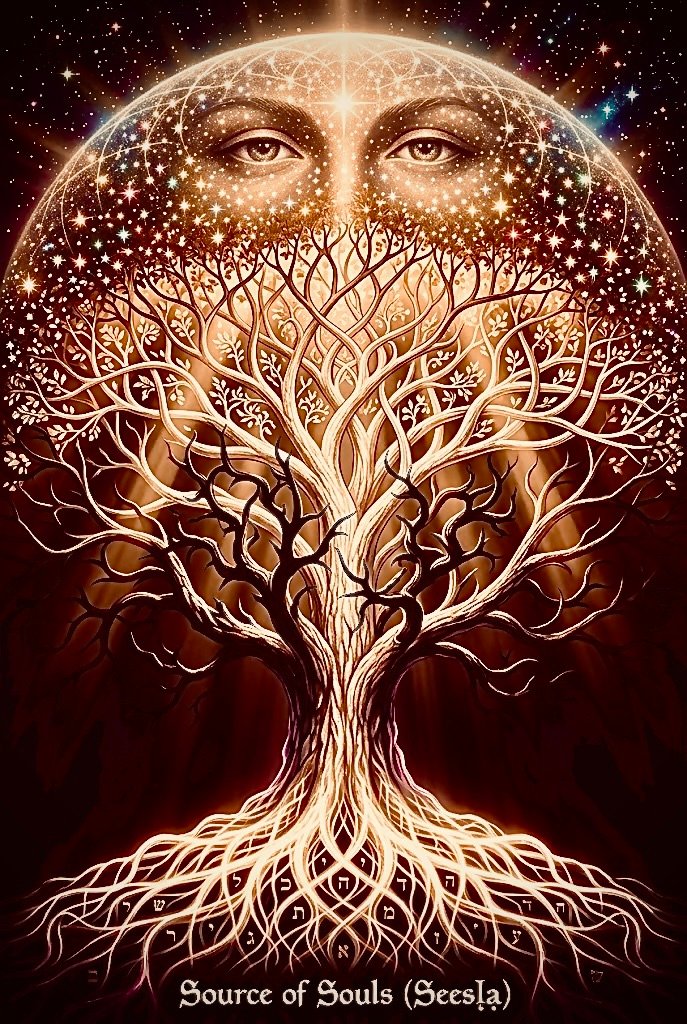
In the rich and complex journey of life, the idea of the soul often takes center stage in the ways we think, feel, and relate to one another. At the heart of this exploration is the concept of “SeesỊạ,” which represents the spiritual root from which all our individual souls emerge. As we navigate our lives, we often find ourselves in a delicate dance of admiration and rivalry with others, marked by our aspirations and struggles. This relationship between our souls—how they intertwine in love and sometimes in jealousy—can teach us a great deal about our human experience and the quest for spiritual growth.
To truly grasp the meaning of SeesỊạ, we must recognize the duality of our existence. Each of us carries within us a divine essence, a spark that yearns to grow and flourish. This yearning isn’t just about personal ambition; it’s about a deep desire to fulfill a purpose and to elevate our existence. In our pursuit of growth, however, we can sometimes fall into the trap of comparing ourselves to others. We might see someone else’s achievements and feel a pang of jealousy, thinking that their success somehow diminishes our own. This rivalry, while natural, can cloud our understanding of the deeper connections we share with one another.
But there’s a light at the end of the tunnel. When we begin to cultivate spiritual awareness, we can connect with a greater wisdom that reminds us of our shared journey. In those moments of clarity, we realize that although our paths may seem different, we are all branches of the same spiritual tree. Each of us plays a role in the collective story of humanity, and understanding this can help us move beyond jealousy to embrace compassion and unity. It’s a beautiful realization that we’re in this together, sharing the joys and challenges of life.
Interestingly, those who have passed on, especially the righteous among them, seem to carry a fervent wish to help those of us still living. Their connection to us is driven not by jealousy but by an unwavering desire to see us thrive. They understand that our growth contributes to their own spiritual elevation. This interplay between the living and the departed is profound, suggesting that even in death, our souls remain intertwined, each longing for the other to succeed.
In ancient wisdom, we find a poignant reminder that once our time in this world is over, we can no longer impact it directly. As articulated in the teachings of Koheles 9:10, “no deed nor planning… in the grave” can influence the living. This highlights the importance of our actions while we are here. The souls of the righteous are deeply invested in our journeys, rooting for us as we navigate the ups and downs of life. Their elevation is tied to the good deeds we perform, creating a beautiful cycle of support and encouragement.
This brings us to the idea of separating good from evil, a process known as “Birur.” The story of Kayin and Hevel serves as a reminder of how intertwined our souls can become, mixing good and evil in ways that challenge our understanding of righteousness. Just as a silversmith refines metal to reveal its pure essence, we too must work to discern the goodness within ourselves and others, all while addressing the complexities of our shared existence. The goal is to elevate and purify our spirits, not just for ourselves but for the collective good of all.
As we reflect on these ideas, we can see that every action we take resonates within the broader tapestry of life. The righteous among us strive to help lift up the fallen, and in doing so, they contribute to the rectification of all souls connected to theirs. It’s a reminder that we are not alone in our struggles; our journeys are interconnected, and our actions ripple through the lives of those around us.
Reincarnation also plays a significant role in this spiritual narrative. The belief that souls return to continue their journey underscores the idea that we are all part of a larger cycle of growth and transformation. Figures like Moshe Rabbeinu are seen as returning guides, reminding us that leadership and spiritual guidance are ongoing journeys. It’s a beautiful notion that even in different lifetimes, we remain connected to one another, learning and evolving together.
The wisdom of SeesỊạ encourages us to rethink how we view our relationships with one another. Instead of seeing ourselves as competitors, we can embrace the idea that we are part of a larger family, each with unique roles to play. When we realize that our spiritual journeys are intertwined, we can cultivate a spirit of collaboration and support. We can celebrate each other’s successes, knowing that when one person thrives, we all benefit.
Moreover, this exploration prompts us to reconsider our definitions of good and evil. Each of us carries both within us, and our journeys are not always straightforward. The righteous may stumble, while those deemed wicked may show unexpected kindness. This fluidity reminds us that growth is a process filled with twists and turns, and everyone has the potential for redemption and transformation.
In closing, the concept of SeesỊạ and the dynamics of spiritual kinship highlight the intricate web of connections that bind us all together. It teaches us that our lives are not solitary paths but part of a collective journey toward growth and understanding. Through our actions, we honor those who have come before us, contributing to a shared legacy of love and support. As we navigate our relationships and aspirations, let’s strive for unity, recognizing that our individual journeys are woven into a larger story—one that celebrates our shared humanity and the rich potential for connection that resides within us all. By embracing our roles as custodians of love and compassion, we can heal the divides created by jealousy and competition, nurturing a spirit of collective growth and enlightenment that benefits everyone.
**Chasing Sparks of Goodness: A Journey of Redemption**
In the rich landscape of Jewish mystical thought, the Zohar offers a profound and sometimes surprising perspective on the nature of good and evil. At its core, it teaches us that every person—no matter how lost or wicked they may seem—holds the potential for goodness within. This belief leads to a remarkable idea: that a righteous person should actively pursue the wicked, not to condemn them, but to help bring forth the goodness that lies dormant within them.
Imagine a world where the righteous run after those deemed wicked, not with disdain, but with a heart full of compassion and hope. The Zohar compares this pursuit to one running after their own life, emphasizing the urgency and significance of such efforts. This isn’t just a lofty ideal; it’s a call to action rooted in the belief that within every person, even those who have strayed far from the path of righteousness, there are sparks of goodness waiting to be ignited. The righteous, in their kindness, can help lift these sparks to the surface, reclaiming not just the lost goodness of others but also their own.
Think about it: what if the very qualities we find irritating or sinful in others are simply manifestations of their struggles? The Zohar invites us to consider that perhaps the wicked are carrying within them pieces of goodness that we, the righteous, have lost along the way. By reaching out to those who seem farthest from the light, we can engage in a beautiful spiritual exchange. Through friendship, love, and acts of kindness, we might draw out the good in them—transforming both them and ourselves in the process.
This perspective shifts the narrative around good and evil. It encourages us to see beyond the surface, to recognize that everyone has their own battles, and that redemption is a journey not taken alone. The Zohar suggests that in befriending the wicked, the righteous can foster healing—not just for the other person, but for themselves as well. It becomes a shared journey toward wholeness, where each interaction serves as an opportunity for growth and enlightenment.
The teachings of the Zohar also extend into the realm of the afterlife, suggesting that our actions here on Earth ripple through the cosmos. The righteous, through their selfless deeds, secure not only their own spiritual fulfillment but also play a role in uplifting others. On the other hand, those who choose to live in ways that harm themselves and others may find themselves facing the consequences of their actions. There’s a poetic justice to this belief—it underscores the interconnectedness of our souls and the impact we have on one another.
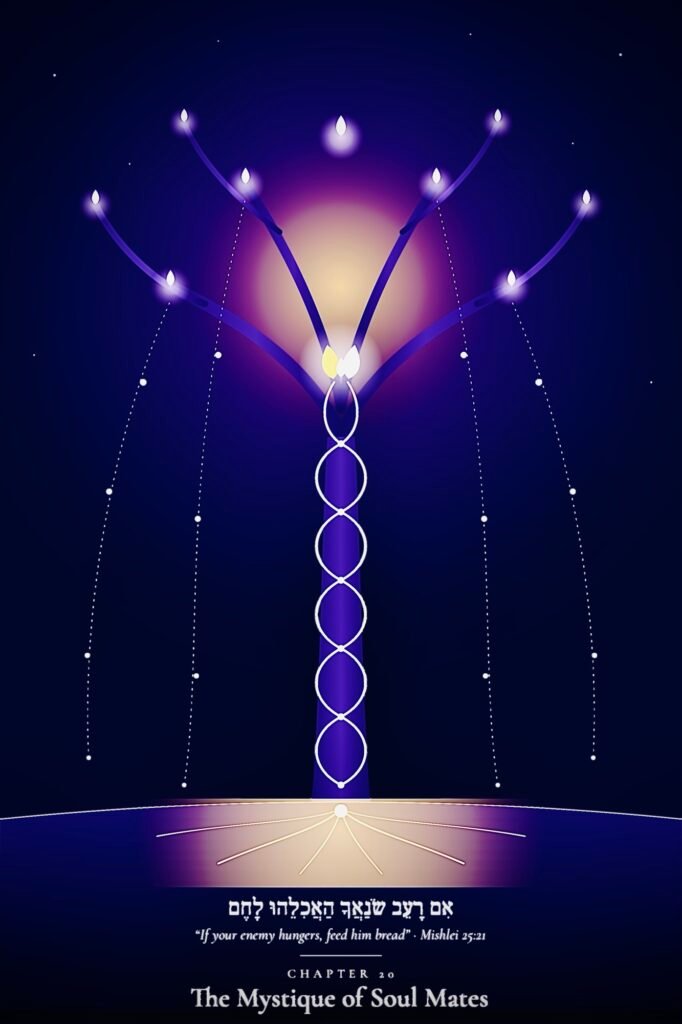
Consider the verses from Proverbs that say, “If your enemy hungers, feed him bread.” This isn’t just a command; it’s a heartfelt invitation to respond to the needs of our adversaries with compassion. By nurturing the good within even the most difficult individuals, we fulfill a divine purpose and engage in a transformative act that fosters healing. This act of feeding the “bread of Torah and mitzvot” becomes nourishment for the soul, quenching a thirst for goodness that many might not even realize they have.
The Zohar’s teachings challenge us to rethink our relationships with those we might dismiss as morally flawed. Instead of labeling them as lost causes, we are encouraged to see them as fellow travelers on the journey of life. In pursuing the wicked, we are not just trying to reform others; we are also embarking on a path of self-discovery. We uncover the hidden pieces of goodness within ourselves, realizing that our own wholeness is intricately tied to the wellbeing of others.
In conclusion, the Zohar invites us to embrace a broader, more compassionate understanding of righteousness. It encourages us to chase after the wicked—not out of judgment, but out of a deep desire to uplift the collective spirit. Through acts of love, kindness, and mitzvot, we participate in a beautiful dance of souls, where goodness is exchanged and the path to redemption opens for all. In this pursuit, we not only seek to help others but also embark on a journey toward our own wholeness, weaving together a divine tapestry that connects us all in our shared humanity.