Methods of Departure: A Human Journey Toward Spiritual Ascent and Redemption in Jewish Mysticism
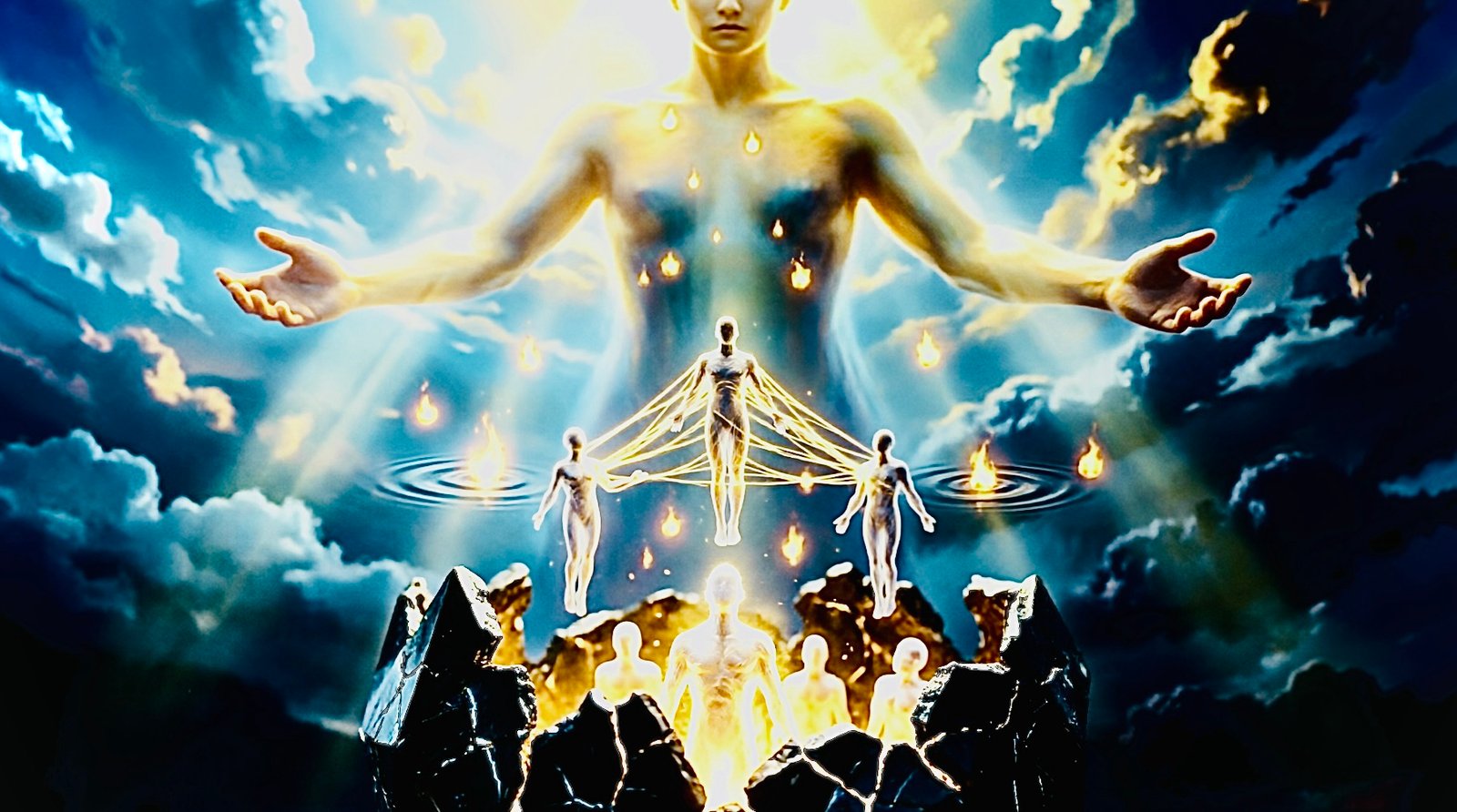
The journey of the soul is a profound and deeply personal experience, one that resonates with the human condition and our quest for meaning and connection. Within the rich and intricate world of Jewish mysticism, particularly through Kabbalistic thought, we discover insights that illuminate how souls can break free from the Klipos—those spiritual shells that often represent feelings of isolation and disconnection from the divine. This essay aims to explore the various ways in which souls can embark on a transformative journey toward holiness and redemption. At the heart of this exploration is the understanding that the elevation of individual souls is not merely an isolated event; it is part of a larger tapestry that weaves together the spiritual lives of many, transcending the boundaries of time and space.
The Power of Prayer and Shared Connection
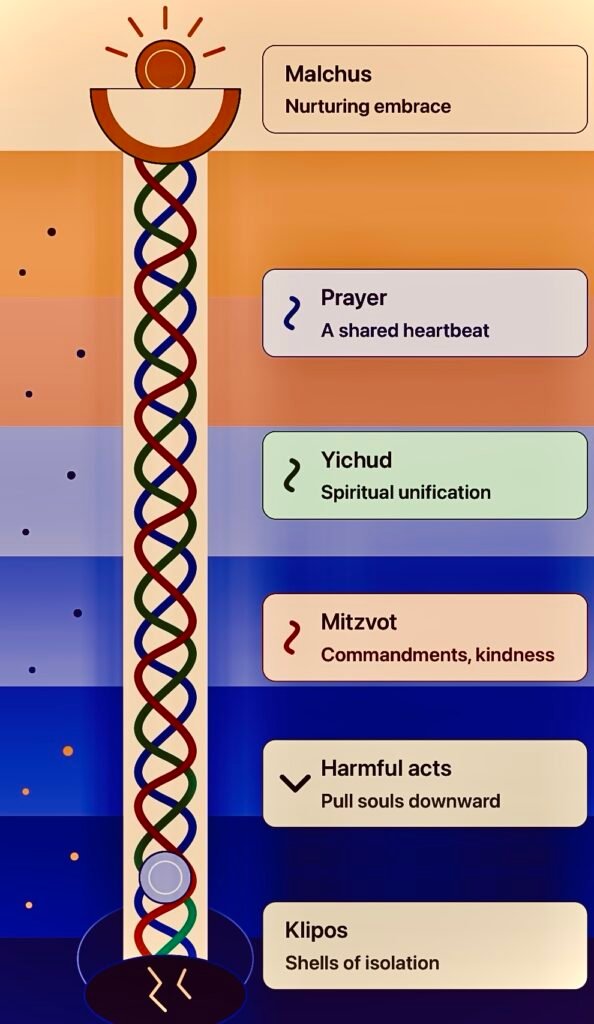
At the core of the methods for freeing souls from the Klipos lies the transformative power of prayer. Prayer is more than just words recited; it is an intimate conversation with the divine. When we pray—whether in the solitude of our thoughts or in the warmth of a community gathering—we tap into a profound spiritual energy that resonates not only within ourselves but throughout the universe. This energy becomes a lifeline for souls trapped in the Klipos, offering them a chance to ascend toward holiness.
Think of the act of praying as a collective heartbeat—a rhythm that connects us to one another and to something greater than ourselves. When we pour our hearts into prayer, we engage in a communal effort to lift those who may be struggling. Each prayer offers hope, healing, and a sense of belonging, reminding us that we are not alone in our struggles. This idea is beautifully encapsulated in the concept of **ibur**, which speaks to the notion of reincarnation or spiritual renewal. It suggests that souls can find redemption through the prayers and positive actions of the living, creating a cycle of healing that benefits all.
Moreover, the mystical practice of **Yichud**, or spiritual unification, plays a crucial role in this journey. When a righteous individual achieves a state of Yichud, they create a sacred space where divine light flows freely. In this moment, they not only elevate themselves but also become conduits of grace for others. It’s a beautiful reminder of how interconnected we all are; our spiritual journeys are inextricably linked, and the actions of one person can illuminate the path for many.
The Impact of Mitzvot and Acts of Kindness
In addition to the power of prayer, the performance of **mitzvot**, or commandments, serves as another vital method for freeing souls from the Klipos. Each mitzvah we perform, whether it’s a small act of kindness or a more formal commandment, generates a ripple of positive energy that can uplift not only ourselves but also those around us. Imagine the warmth of a smile shared with a stranger or the impact of a thoughtful gesture—these small actions create waves of goodness that can touch hearts and souls in ways we may never fully understand.
When we engage in mitzvot, we participate in a process of spiritual cleansing. Each act of compassion and charity becomes a step toward rectification, not just for ourselves but for others who may be struggling. It’s as if we become part of a larger tapestry of humanity, where our individual threads of goodness weave together to create something beautiful and transformative. This interconnectedness serves as a powerful reminder that our choices matter. The way we treat one another can either pull souls down into despair or lift them toward hope and redemption.
Conversely, it’s essential to recognize that negative actions can lead to a descent into the Klipos. Our choices have consequences, and the spiritual ramifications extend beyond just ourselves. This reality calls for mindfulness in our daily lives, urging us to act with intention and compassion. The weight of our actions is a reminder that we are part of something greater, and our responsibility to one another is profound.
The Journey of Rectification and the Nurturing Role of Malchus
The path of rectification is another essential aspect of this journey, intricately tied to a divine realm known as **Malchus**. In Kabbalistic thought, Malchus represents the aspect of divine sovereignty and the manifestation of G-d’s presence in our material world. When a soul is ready to break free from the Klipos, it enters the nurturing embrace of the Malchus—a safe haven where healing and growth can occur.
In this sacred space, souls undergo a transformative process, shedding their past blemishes and preparing for a new beginning. The Malchus acts as a maternal figure, providing sustenance and support, guiding these souls through the complexities of their spiritual journeys. Imagine a seed planted in fertile soil, nurtured by the sun and rain. Just as that seed requires care to grow and flourish, so too do souls need the loving embrace of the Malchus to transform and heal.
This nurturing process is not passive; it requires active participation from both the divine and the individual souls. Each soul must confront its past, learn, and embrace the transformative power of grace. It’s a collaborative effort, highlighting the interconnectedness of all spiritual beings. The journey of rectification, therefore, becomes a shared experience—one where the divine and the individual work hand in hand toward healing and redemption.
The Interconnectedness of Souls and Our Shared Responsibility
The theme of interconnectedness is woven throughout Jewish tradition, emphasizing that one soul can significantly impact the destiny of another. Imagine it as a chain reaction, where one act of goodness can inspire another, creating a network of spiritual support. Each righteous soul becomes a guiding light, illuminating the pathway for others and creating a ripple effect of hope and healing.
This profound interconnectedness reminds us that we are not just solitary beings navigating our spiritual journeys. We are part of a larger community, intertwined with the fates of others. The choices we make can create a wave of positivity that uplifts those around us, while negative actions can ensnare others in darkness. As we embark on our own paths toward spiritual ascent, we must remember the impact we have on one another.
In conclusion, the journey of the soul toward redemption and holiness is a deeply human experience, filled with opportunities for connection, growth, and healing. Through the power of prayer, the performance of mitzvot, and the nurturing embrace of Malchus, we can help one another break free from the Klipos and embark on a journey toward light and love. In this shared endeavor, we find not only our individual paths to redemption but also a beautiful tapestry of interconnected souls, each contributing to the divine symphony of existence. Let us embrace this journey together, knowing that our actions, prayers, and intentions have the power to uplift and transform, creating a world filled with hope and possibility.