
The Cycle of Returning: A Journey of Reincarnation and Spiritual Growth
The concept of reincarnation has a way of capturing our imagination and stirring our curiosity. It’s a profound idea that suggests our souls are not just here for a single lifetime but are on a continuous journey, returning to the earthly realm in different forms. This notion invites us to think of ourselves as dynamic beings, ever-evolving and ever-learning as we navigate the complexities of existence. To explore reincarnation is to dive deep into the rich tapestry of life, uncovering the lessons we learn and the growth we experience along the way. It speaks to our innate desire for improvement, healing, and ultimately finding our way back to a deeper connection with the divine.
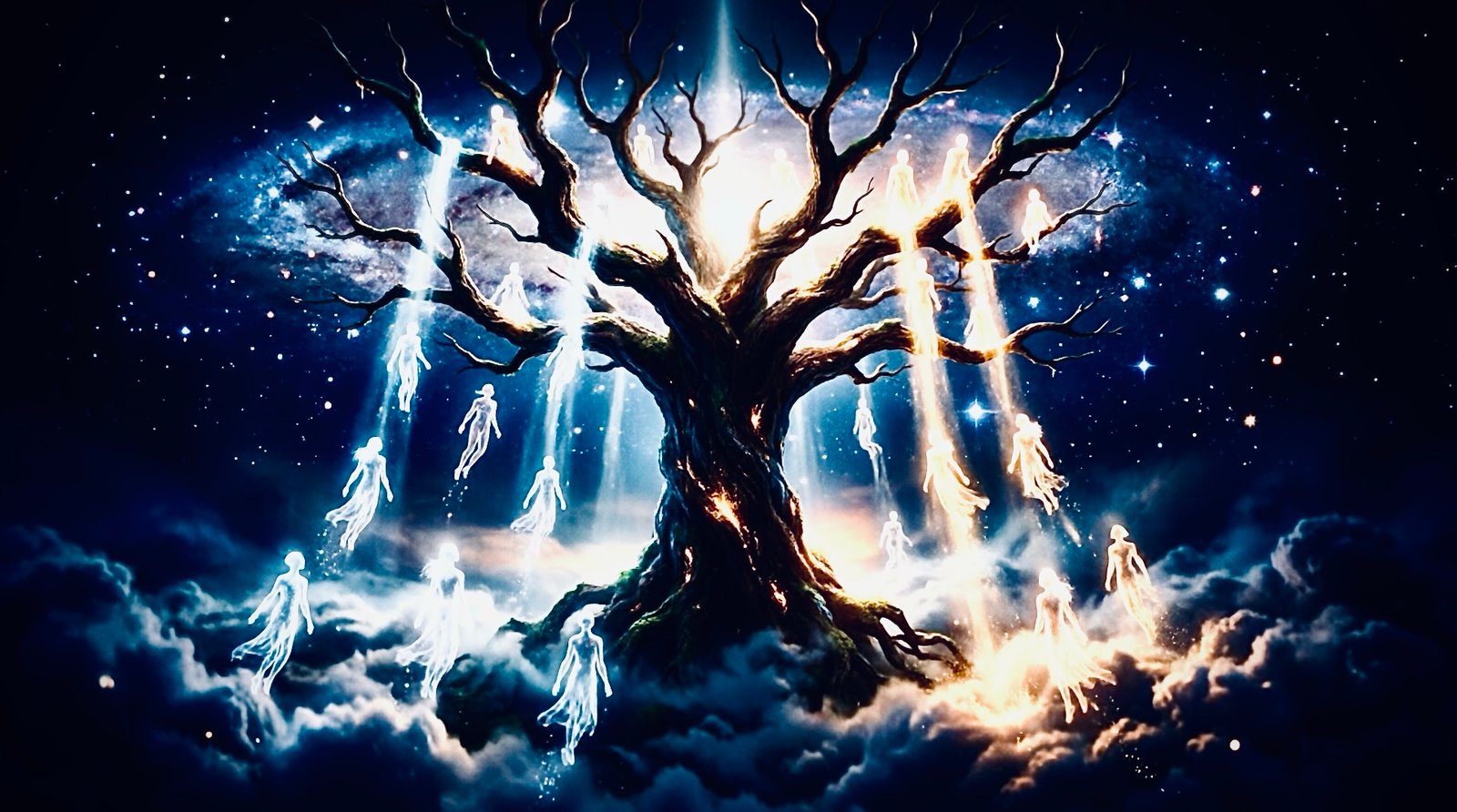
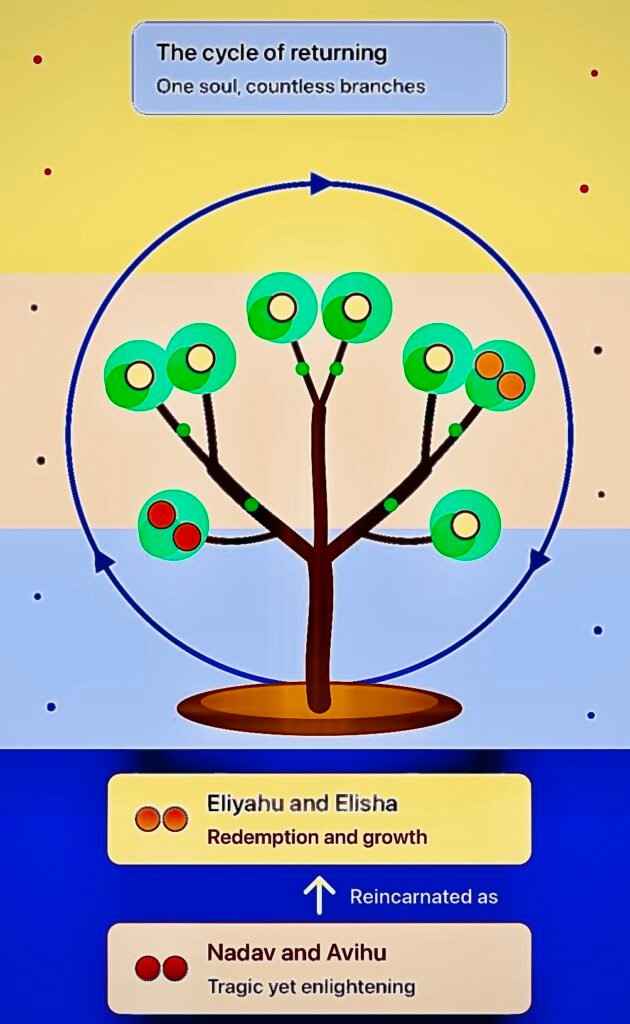
At its core, reincarnation is about understanding that our souls are eternal, fragments of a greater divine essence. Imagine our souls as a vast tree with countless branches, each branch representing a different life experience, lesson, and opportunity for growth. As we journey through life, we encounter challenges and milestones that shape us. These experiences are not simply random occurrences; they are essential parts of a larger picture that guide us toward becoming the best versions of ourselves. Instead of viewing life as a series of punishments and rewards, we can see it as a compassionate journey designed to help us learn and evolve.
Many spiritual traditions around the world embrace the belief that we reincarnate to address our past mistakes and flaws. This idea suggests that when we don’t quite get it right in one life, we have the chance to return—not as a form of punishment, but as a way to learn, grow, and find redemption. The thought that we have multiple opportunities to learn from our experiences can be incredibly comforting. It reminds us that we are not defined by our failures but are instead given the chance to heal and transform, which resonates deeply within us all.
Within this framework, stories from spiritual texts, such as those of Nadav and Avihu, paint powerful pictures of the soul’s journey. These figures are more than just names in a book; they symbolize the struggles, triumphs, and lessons we all encounter on our paths. Their narrative is compelling because it reflects the essence of our human experience—how we can make mistakes but also find the courage to rise above them and grow.
Nadav and Avihu’s story is both tragic and enlightening. They were revered for their dedication but also reminded us of the consequences of straying from divine intentions. Their mistakes serve as a powerful lesson, illustrating that our journeys are not without challenges and that our choices matter. Yet, their legacy doesn’t end in failure; rather, it opens a door to understanding how even those who falter can find redemption.
Their reincarnations into figures like Eliyahu and Elisha highlight a beautiful truth: our souls are interconnected, and every experience we have contributes to a larger narrative. Elisha’s story, for example, is one of growth and transformation. His journey illustrates that our past does not define us; instead, it can serve as the foundation for our evolution. When we embrace our journeys with sincerity and humility, we can overcome obstacles and achieve a higher state of being.
In reflecting on these stories, we find encouragement in our own lives. Just like Nadav, Avihu, and Elisha, we all face moments of doubt, struggle, and even failure. Yet, we also possess the potential for transformation and healing. Elisha’s journey reminds us that we can learn from our past and strive to become better individuals. Every setback can be a stepping stone toward growth, and every challenge can teach us invaluable lessons.
This exploration of reincarnation and spiritual growth prompts us to look inward and reflect on our own journeys. It encourages us to recognize that our lives are not isolated events but part of an ongoing story that weaves through time. Every joyful moment and every painful experience contributes to our personal growth and understanding of the world around us.
As we contemplate the cyclical nature of returning souls, we discover that reincarnation is not just about coming back to rectify past mistakes. It’s a call to embrace our shared humanity, to cultivate compassion, and to engage in the process of becoming better versions of ourselves. Each life provides us with a unique opportunity to learn, to love, and to connect with others on a deeper level.
Ultimately, the philosophy of returning souls invites us to embrace the idea that life is a journey filled with growth and potential. It encourages us to view our experiences through a lens of hope and possibility, acknowledging that we are all in this together. As we navigate the highs and lows of life, we are invited to honor the timeless cycle of returning, recognizing that our individual journeys contribute to a collective path toward enlightenment.
In conclusion, understanding the cycle of reincarnation helps us appreciate the beauty of life’s journey. It reminds us that we are not defined by our mistakes but are continually given chances to grow, learn, and evolve. As we reflect on the stories of those who came before us, we can draw inspiration from their journeys, finding strength in our own. Each of us is part of a larger tapestry, and together, we can support one another on our paths toward healing and transformation. Through this shared journey, we can foster a legacy of love, understanding, and spiritual evolution that resonates through time, inspiring future generations to embark on their own quests for growth and connection.