

The Levels of Repentance: A Journey of the Heart and Soul
Repentance is a concept that often feels heavy, laden with guilt and regret. But at its core, it represents a profound opportunity for transformation and redemption. Known as Teshuvah in Hebrew, this journey of the heart is not simply about acknowledging our wrongs; it’s about reconnecting with our true selves, our values, and our purpose in life. Particularly within Kabbalistic teachings, repentance intertwines with the idea of reincarnation, creating a rich tapestry of spiritual growth that stretches across lifetimes. In this exploration, we’ll dive into the emotional and spiritual dimensions of repentance, breaking down the levels of Teshuvah to understand how they can guide us on our quest for renewal.
Understanding Repentance: A Return to the Self
At its essence, repentance is about returning—a return to who we truly are, beyond our mistakes and shortcomings. It’s a journey of rediscovery, a chance to peel back the layers of our lives and reconnect with our inner light. In Kabbalistic thought, this process is often associated with the divine feminine aspect, Binah, which nurtures understanding and growth. Repentance becomes a way to confront our actions, understand their impact, and seek a deeper connection to the divine source of love and compassion.
On the flip side, reincarnation offers a second chance for souls that have strayed. It’s a belief that resonates deeply within Kabbalah, suggesting that if we don’t fully engage with our past mistakes in this lifetime, we may be given another opportunity in a future one. This cyclical view of life emphasizes that every choice we make matters, and it encourages us to take responsibility for our actions while holding onto the hope of redemption.
The Soul’s Journey: Layers of Existence
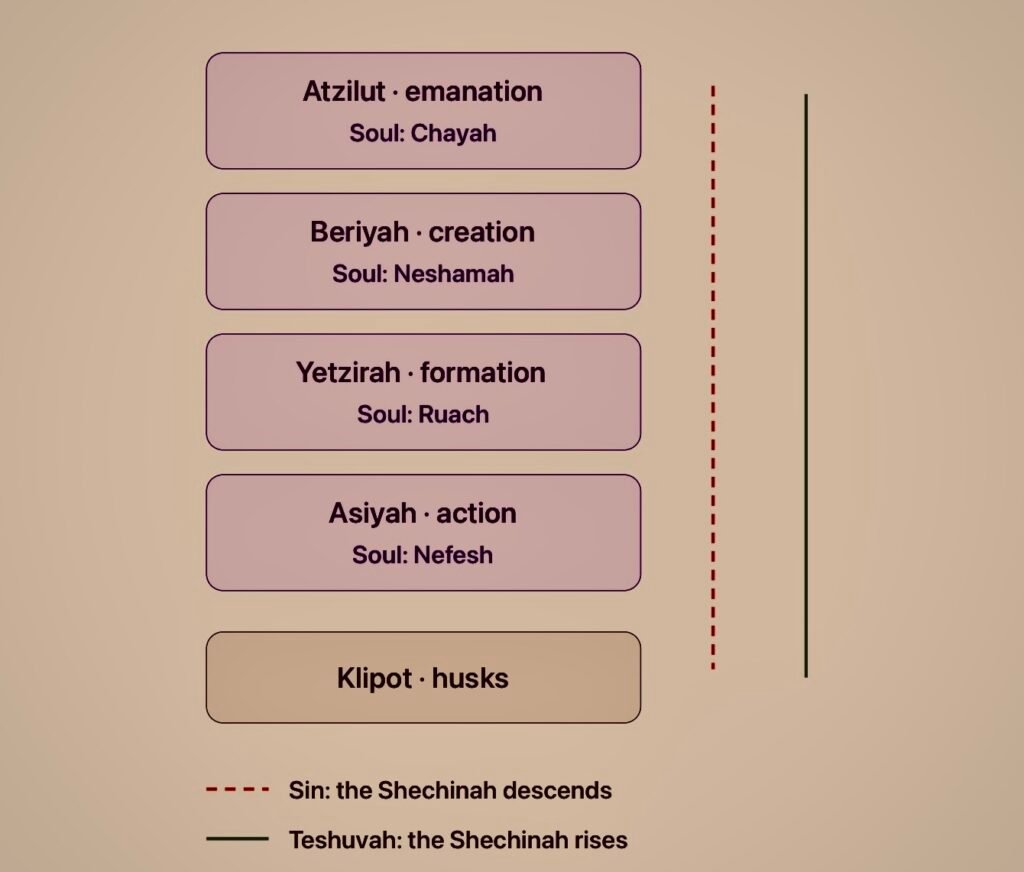
Kabbalistic wisdom teaches us that the soul is multifaceted, composed of different layers that guide its journey. These layers include the **Nefesh**, **Ruach**, **Neshamah**, and **Chayah**, each representing different aspects of our spiritual existence.
– The **Nefesh** is the part of us that is grounded in the physical world, navigating daily life and making choices. It’s where our actions take shape.
– The **Ruach** embodies our emotional and social selves—our connections, feelings, and relationships with others.
– The **Neshamah** represents our higher intellect and spiritual insights, allowing us to connect with the divine.
– Finally, the **Chayah** transcends our earthly experiences, offering a glimpse into the unity we share with the universe and the divine.
As we move through life, our soul interacts with these layers, providing us with countless opportunities to repent and grow. The journey of repentance is deeply personal; it reflects our unique experiences, choices, and the lessons we carry from past lives. The **21 levels of repentance** serve as a roadmap for this journey, guiding us as we strive for healing, understanding, and connection.
The Levels of Repentance: A Personal Journey
1. **Awareness of Sin**: The first step in this journey is simply recognizing when we’ve strayed from our values. This awareness can feel uncomfortable, but it’s essential. It’s about taking a moment to pause and reflect on our actions and the impact they have had on ourselves and others. This acknowledgment is the beginning of change.
2. **Regret**: Once we recognize our missteps, a natural feeling of regret often follows. It’s not just about guilt; it’s a heartfelt understanding of the pain we may have caused. This regret can be a powerful motivator, pushing us to seek genuine change and healing.
3. **Desire for Change**: With regret comes a longing to do better. This desire is the spark that ignites our journey. It’s the recognition that we can choose a different path—one that aligns with our true selves and values. This desire fuels our commitment to personal growth.
4. **Verbal Confession**: Speaking about our mistakes can be liberating. It’s a way to externalize our internal struggles, to share our experiences with others, and to take responsibility for our actions. This verbal acknowledgment serves as a cathartic release, allowing us to step into a space of honesty and vulnerability.
5. **Commitment to Improvement**: This level requires us to make a genuine promise to ourselves to change our behavior. It’s about actively seeking ways to embody the values we aspire to live by. This commitment may involve setting specific goals or intentions that guide us on our path.
6. **Seeking Forgiveness from Others**: A crucial part of repentance is reaching out to those we’ve hurt and seeking their forgiveness. This step requires humility and courage. It’s about acknowledging the impact of our actions and showing a willingness to mend broken relationships. Apologizing can be a powerful act of healing for both parties.
7. **Restitution**: Making amends goes beyond words. It involves taking tangible steps to rectify the harm we’ve caused. This could mean offering reparations, acts of kindness, or simply being of service to others. These actions reinforce our commitment to change and demonstrate our sincerity in seeking redemption.
8. **Abandoning Sin**: True repentance involves a promise to let go of harmful behaviors. This requires strength and determination, as it often means breaking free from patterns that have become ingrained in our lives. It’s an act of liberation—freeing ourselves from the chains of the past.
9. **Embracing New Habits**: As we let go of old patterns, we create space for new, healthier habits to emerge. This level is about consciously choosing actions that align with our values and aspirations. It’s a time of growth, where we cultivate positive behaviors that nurture our souls.
10. **Self-Reflection**: Engaging in regular self-reflection allows us to assess our progress. It’s an opportunity to check in with ourselves, to evaluate whether our actions align with our intentions, and to make necessary adjustments. This practice fosters a deeper understanding of our inner landscape.
11. **Gratitude and Humility**: Recognizing the lessons learned from our mistakes can lead to a profound sense of gratitude. Embracing humility helps us appreciate the growth that arises from our experiences, fostering a spirit of compassion toward ourselves and others.
12. **Seeking Guidance**: Sometimes, we need support on our journey. This level encourages us to seek guidance from mentors, spiritual leaders, or trusted friends who can offer insights and encouragement. Their perspectives can illuminate our path and provide valuable wisdom.
13. **Emotional Healing**: Repentance is not just a mental exercise; it often involves deep emotional work. This level encourages us to confront and process any lingering feelings of shame, guilt, or anger. Engaging in practices like therapy, journaling, or meditation can facilitate this healing.
14. **Spreading Kindness**: A beautiful way to embody repentance is by actively spreading kindness and compassion in the world. This level encourages us to engage in acts of service and generosity, turning our focus outward and positively impacting the lives of others.
15. **Community Involvement**: Engaging with our community can deepen our sense of connection and purpose.
The Divine Presence and Our Journey of Exile: A Personal Reflection on Spirituality
The idea of exile, especially when tied to the Divine Presence—often referred to as the Shechinah—has deep roots in Jewish thought and mysticism. At its core, this concept speaks to the complex relationship between our actions, particularly when we stray from the path of righteousness, and the spiritual connection we share with the Divine. It’s a theme that resonates through the ages, touching on repentance, redemption, and the different layers of existence we navigate. To understand this, we can explore the framework of the four worlds: Asiyah, Yetzirah, Beriyah, and Atzilut. Each of these worlds represents a unique aspect of our spiritual journey, from the tangible and material to the ethereal and divine.
Case 1: The Consequences of Sin in Asiyah
Let’s begin with Asiyah, the world of action, where our everyday choices and behaviors take shape. In this realm, when we commit a wrongdoing—perhaps by neglecting a positive commandment—we create a gap in our connection to the Divine. This doesn’t just affect us spiritually; it can lead to a feeling of being spiritually adrift or disconnected from our true source. The Divine Presence can feel like it’s descended into a place of negativity, often referred to as Klipos, which symbolizes spiritual impurity.
Imagine the weight of this realization: our actions have consequences that extend beyond ourselves. A small misstep may cause the Divine Presence to retreat just a little, while a more serious transgression might plunge it deep into the realm of darkness. This metaphorical exile signifies a separation, a feeling of spiritual emptiness that can leave us feeling lost and alone in a world that seems devoid of divine guidance.
However, there’s hope. The process of repentance, known as teshuvah, offers us a pathway to reconnect. When we sincerely seek forgiveness and strive to make amends, we can bring the Divine Presence back into our lives. In cases of minor infractions, this can happen almost immediately. It’s a reminder that the Divine is always ready to embrace us, waiting for us to take that first step toward reconciliation.
Repentance isn’t just about saying “I’m sorry”; it’s a heartfelt transformation that reflects our desire to change. It’s about acknowledging our mistakes and committing ourselves to live differently. This journey of returning home to our spiritual essence is filled with grace, allowing us to rediscover the light that exists within us and the world around us.
Case 2: The Spiritual Journey in Yetzirah
Now, let’s consider the world of Yetzirah, the realm of formation. In this space, when we sin, the consequences are more subtle. Instead of a direct plunge into spiritual darkness, our connection to the Divine becomes obscured. It’s like walking through a fog; the essence of holiness is still there, but it’s hard to see and feel.
In Yetzirah, our actions may not lead to an outright exile of the Divine Presence, but they can create a barrier that clouds our spiritual clarity. The act of repentance here requires a different approach. The sanctifying light of Yom Kippur, the Day of Atonement, becomes essential. This sacred time is an opportunity for collective reflection and personal renewal, where we can tap into a deeper connection with the Divine.
On Yom Kippur, we are invited to engage in a process of atonement that elevates our spirits. It’s not just about individual sins; it’s a communal experience that calls us to reflect on our relationships with one another and with God. This sacred day reminds us that while we have the power to seek forgiveness, we are also part of a larger community that shares in both our struggles and our triumphs.
Through sincere repentance, the Malchus of Yetzirah can ascend, reconnecting with the higher aspects of divine reality. This journey involves not just personal effort, but also a recognition of our interconnectedness. We are reminded that we’re not alone in our struggles; we can lean on each other for support as we strive for spiritual growth.
Case 3: The Complexity of Sin in Beriyah
When we move to Beriyah, the world of creation, the stakes become even higher. Sinning in this realm has its own unique set of challenges. Our actions here may cause the Divine Presence to descend into the lower levels of Yetzirah, rather than falling into the realm of Klipos. This illustrates the intricate nature of our spiritual journey; even in our missteps, there is often a path back.
In Beriyah, the act of sin can create ripples that affect not only our own spiritual state but also the broader cosmic balance. The journey of repentance becomes more profound, requiring us to dig deep into our intentions and the impact of our choices. It’s a reminder that our actions matter, that they resonate throughout the fabric of existence.
The process of atonement in Beriyah calls for us to restore our spiritual integrity and reconnect with the Divine. This isn’t merely about following rules or rituals; it’s an invitation to engage in a transformative journey of self-discovery. We must confront our shortcomings and seek a deeper understanding of ourselves and our place in the universe. The light of repentance guides us, illuminating our path back to holiness and reminding us that redemption is always within reach.
Embracing the Journey of Repentance and Redemption
At the heart of all these explorations is the principle of repentance and the hope of redemption. Teshuvah is not just a ritual; it’s a powerful and personal journey that allows us to restore our connection to the Divine Presence. It teaches us that no matter how far we may feel from our spiritual home, there is always a way back.
The process of reconciliation takes effort, humility, and a sincere desire to change. It reminds us of the resilience of the human spirit and the boundless compassion of the Divine. Each step we take toward atonement is a step toward healing—not just for ourselves, but for the world around us.
In our journey through these spiritual realms, we learn that exile and redemption are part of the human experience. We are continually invited to reflect on our actions, to seek forgiveness, and to strive for a deeper connection with the Divine. Through this journey, we find not only our own redemption but also the collective healing of our communities and the world at large. Ultimately, we discover that the Divine Presence is never truly lost; it is always waiting for us to return home.
The Third and Fourth Divisions of Atonement: A Journey of Healing and Redemption
In the rich and intricate world of Jewish mysticism, particularly within Kabbalah, the concepts of sin and atonement weave together to form a deep understanding of our human experience and relationship with the divine. Among these teachings, the Third and Fourth Divisions of Atonement stand out as poignant reflections on the consequences of our actions and the pathways that lead us back to wholeness. These divisions not only help us understand the nature of our missteps but also illuminate the profound compassion and understanding that the divine offers us, reminding us that we are never too far gone to seek redemption.
The Third Division of Atonement: The Weight of Our Choices
The Third Division of Atonement deals with sins that are particularly serious, leading to a spiritual state known as excision. This concept can feel daunting, but it serves as a powerful reminder of the impact our actions can have—not just on ourselves, but on our spiritual journey and our connection to the divine. When we falter, whether through thoughtless mistakes or deliberate choices, we can feel the weight of those decisions bearing down on us. Yet, there is hope.
During Yom Kippur, a sacred time for reflection and atonement, we are given a unique opportunity to pause and examine our lives. It’s a moment when we can confront our mistakes, seek forgiveness, and find a way to repair the breaches in our spiritual lives. The teachings remind us that sincere repentance, especially during this holy time, can temporarily suspend the consequences of our actions. This means that when we truly recognize our wrongdoings and yearn to change, we can find a way back toward the light.
The roles of Abba (father) and Imma (mother) in this process are particularly significant, representing the divine qualities of wisdom and understanding. They guide us through our struggles, reminding us that even in our darkest moments, there is a path to healing. The psalmist’s words, “G-d has chastised me much” and “From the straits I called G-d,” resonate deeply here. They remind us that our suffering is not merely punishment but an invitation to grow, to learn, and to return to a place of spiritual wellness.
Yom Kippur becomes more than just a day of fasting; it is a profound opportunity for personal transformation. It is a time when we can gather with our community, share our burdens, and collectively strive for a better future. In this shared journey of atonement, we find support and strength in one another, reminding us that we are not alone in our struggles.
The Fourth Division of Atonement: The Sacredness of Our Actions
The Fourth Division of Atonement delves into the even graver matter of profaning G-d’s name. This sin carries significant weight, as it disrupts not only our spiritual essence but also the harmony of the universe itself. When we act in ways that are disrespectful to the divine, it creates a ripple effect, sending shockwaves through the spiritual realms and affecting all of creation.
In this context, the path to atonement becomes more complex. Simply going through the motions of repentance may not suffice. Instead, we are called to undergo a deeper process of transformation, often accompanied by suffering. This suffering isn’t merely a punishment; rather, it serves as a crucial part of the journey back toward wholeness. It allows us to confront the gravity of our actions and recognize the sanctity of the divine name we bear.
This understanding of sin and atonement emphasizes the profound responsibility we carry as individuals. Every action we take has the potential to either uplift or diminish not just ourselves but the world around us. It invites us to consider how we live our lives and the impact we have on our communities and the divine.
The severity of this division underscores the importance of mindfulness in our daily lives. It challenges us to cultivate a sense of reverence for the spiritual truths that guide our existence. Yet, even in this challenge, there is a glimmer of hope. The teachings remind us that the process of repentance can transform even the gravest of sins into opportunities for growth. When we approach our mistakes with sincerity, we can reclaim the blessings that may have been lost and restore balance to our lives and the world.
Understanding the Nuances of Sin: Intent and Impact
As we navigate these divisions, we encounter the various types of sins—accidental, deliberate, and wanton. Each carries its own weight and implications. Accidental sins might stem from ignorance or oversight, while deliberate sins arise from conscious choices. Wanton sin, however, represents a deliberate defiance against the divine, inviting the forces of spiritual impurity into our lives.
The teachings highlight that even in the face of serious transgressions, there is a path back to redemption. Deliberate sins, especially those rooted in desires rather than outright rebellion, can be transformed through genuine repentance. This transformative potential is a testament to the resilience of the human spirit and our capacity for growth. When we sincerely seek to atone, we not only restore our own spiritual standing but also contribute to the healing of our communities.
This dynamic interplay between sin and repentance illustrates the ongoing journey of the soul. Each misstep carries the potential for redemption, and every act of sincere contrition opens a pathway to divine mercy. It invites us to embrace our imperfections and recognize that the journey of atonement is not a destination but a continuous process of learning, growing, and evolving.
Conclusion: Embracing the Journey of Healing
The Third and Fourth Divisions of Atonement offer us profound insights into our spiritual lives. They remind us that we are all on a journey filled with challenges and opportunities for healing. As we explore these concepts, we come to understand that our actions have consequences, but so do our efforts to seek forgiveness and redemption.
Through repentance, we not only reclaim our connection to the divine but also restore balance to the universe. This intricate dance of sin and redemption is a reminder that we are all part of something greater than ourselves. In every struggle, every heartfelt prayer, and every moment of reflection, we have the opportunity to rise, to learn, and to move closer to the divine light that guides us.
As we navigate our own paths, may we embrace atonement’s transformative power. Let it guide us toward deeper self-understanding, meaningful connections with others, and a renewed relationship with the divine. In doing so, we not only elevate ourselves but also help heal and restore the world around us, fulfilling our roles as co-creators in the beautiful tapestry of existence.