**Torah and the Jewish Soul: A Journey of Connection and Meaning**
The bond between the Torah and the Jewish soul is at the heart of Jewish life and spirituality. It’s not just about ancient laws and stories; it’s about a deep, living connection that shapes our identities and gives us purpose. For many, the Torah is like a guiding light, illuminating the path of life, inviting us to explore its depths and discover our own unique place within it.
At its core, the Torah is seen as a divine gift, a treasure trove of wisdom that speaks to every generation. There’s a beautiful idea in Jewish tradition that suggests there are 600,000 distinct souls among the Jewish people, each linked to the Torah in a unique way. This means that for every soul, there are countless interpretations and understandings of the text. Each person’s journey through the Torah reflects their own spiritual path, highlighting the notion that our connection to the divine is as unique as our individual experiences.
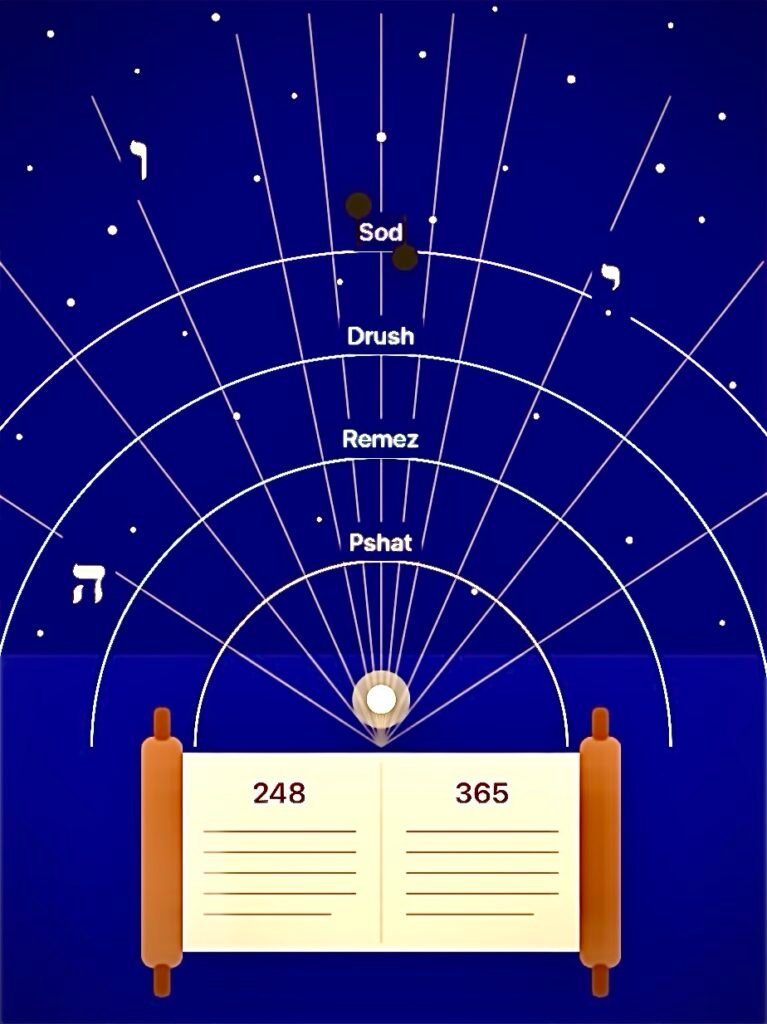
When we think about the Torah, it’s often helpful to consider the four levels of understanding it offers: Pshat (the simple meaning), Remez (the hints), Drush (the homiletical interpretation), and Sod (the mystical secrets). This multi-faceted approach invites all of us to engage with the text in a way that resonates with our own lives. It encourages us to ask questions, seek answers, and dive deeper into our spiritual selves. The idea that during the Messianic Era, every person will gain profound insight into the Torah that speaks to their unique soul is both inspiring and hopeful. It suggests that our journeys are not just personal but part of a larger, divine tapestry.
One fascinating aspect of this connection is the concept of “sleep learning.” Imagine this: as we sleep, our souls might ascend to receive teachings directly from the divine. This enchanting idea reminds us that our spiritual growth doesn’t stop when we close our eyes at night. Instead, it’s a continuous journey, influenced by our actions and intentions during our waking hours. The light that shines from specific verses, shaped by how we live our lives, serves as a reminder that our everyday choices matter deeply in the grand scheme of our spiritual growth.
The structure of the Torah, with its positive and negative commandments, mirrors the complexities of human existence. Each commandment is like a piece of a puzzle, contributing to the overall picture of what it means to live a meaningful life. These commandments become our guides, helping us navigate the challenges and moral dilemmas we face. The idea that every limb of the primordial human, Adam HaRishon, symbolizes a mitzvah (commandment) adds depth to our understanding, showing us that our actions can lead to healing and wholeness.
Throughout history, the experiences and teachings of great Jewish sages have illuminated this relationship between the Torah and the soul. Take Moshe Rabbeinu, for example. He is said to embody all 600,000 souls within himself, representing the potential for complete understanding of the Torah. His story inspires us to strive for greater comprehension, encouraging each of us to seek our own connection to the divine wisdom found in the text. Moshe’s ability to connect with the divine teaches us that we, too, can aspire to deepen our understanding and create meaningful relationships with the teachings of the Torah.
The idea of reincarnation further enriches our conversation about the Jewish soul and the Torah. The belief that souls can return to fulfill their spiritual missions emphasizes that our journeys are ongoing. Every time we study the Torah, we have the opportunity to rectify past missteps and reach for higher levels of spiritual understanding. This cyclical view of life encourages us to see our engagement with the Torah as part of a larger story—a story that connects us to generations past and those yet to come.
At its essence, the connection between the Torah and the Jewish soul is a vibrant and dynamic relationship that shapes the lives of millions. When we gather to learn, we create a sense of community that transcends time and space. We share our insights, struggles, and joys, reinforcing the idea that while each soul is unique, we are all part of a collective journey. Through our interactions and discussions, we celebrate our shared heritage and find strength in one another.
Engaging with the Torah is more than just an intellectual exercise; it’s a deeply personal journey that invites us to uncover our true selves. The teachings challenge us to refine our character, cultivate compassion, and strive for justice in our interactions with friends, family, and even strangers. This transformative process enables us to embody the values that are essential to our tradition and to live lives that reflect our deepest beliefs.
In closing, the relationship between the Torah and the Jewish soul is a profound and beautiful journey. Each of us is invited to explore this relationship, discovering our unique spiritual identities along the way. As we immerse ourselves in the study of Torah, we engage in a timeless dialogue with the divine. This journey not only enriches our own lives but also connects us to the broader Jewish community and the generations that came before us. Ultimately, the legacy of Torah study serves as a reminder of the resilience and vitality of the Jewish spirit, encouraging us all to participate in this sacred journey toward deeper understanding and fulfillment. As we walk this path together, we invite the light of the Torah to guide us, illuminating our way and inspiring us to create a better world.
The Mystical Math of Divine Names: A Human Journey Through Gematria
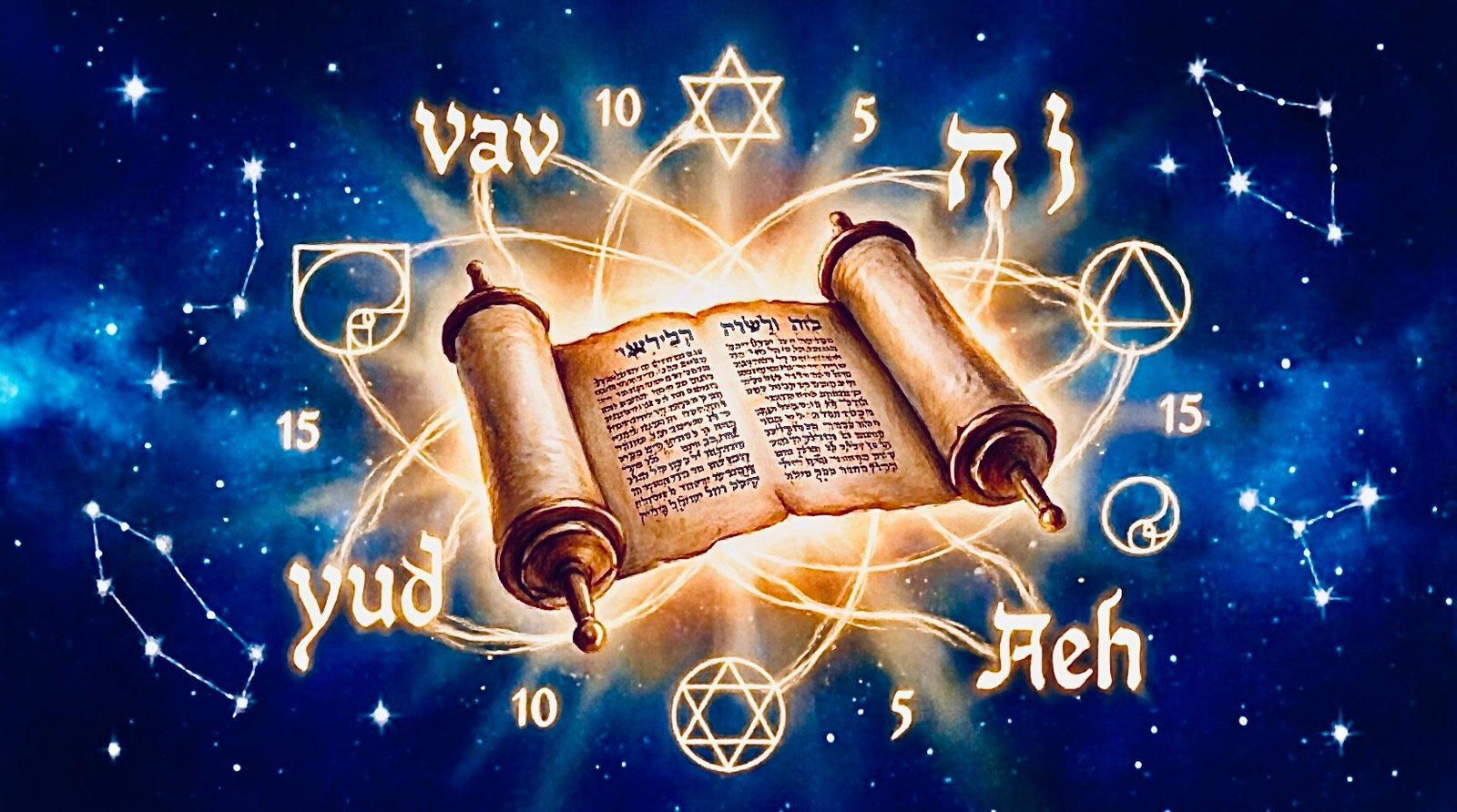
In the heart of Jewish mysticism lies a fascinating connection between letters, numbers, and the Divine. This is where gematria comes in—a system where each letter of the Hebrew alphabet has a numerical value. It’s like uncovering a secret language that opens doors to deeper meanings in sacred texts, inviting us to explore spirituality and our place in the universe.
Let’s take a moment to reflect on some Hebrew letters and their significance, particularly Vav, Yud, Vari, and Heh. These aren’t just symbols; they are rich with meaning and resonate with our everyday lives and moral choices.
Letters as Brushstrokes of Meaning
Picture each letter of the Hebrew alphabet as a brushstroke on a canvas, each contributing to a larger masterpiece. Take the letter Vav, for example. It acts like the word “and” in English, connecting thoughts, ideas, and even people. When we pair it with Yud and Vari, we begin to see a beautiful pattern of divine attributes that reflect our own quest for understanding.
When we add up the numerical values, we find that Vav-Yud-Vari gives us a total of 30, which can lead us on a path of self-discovery. Subtracting 11 from this number—a representation of a divine concept—offers us insights into our own lives and our relationship with God.
The Shoulder: A Symbol of Support and Burden
One powerful metaphor in this tradition is the shoulder, symbolizing both the support we offer each other and the burdens we carry. The idea that there are 15 negative traits associated with the shoulder speaks to our common human experience. We all face challenges and imperfections, but within those struggles lies the potential for growth.
The letters Yud and Heh, found in the name Hor-ayah, remind us of G-d’s constant presence in our lives. Their combined value of 365 corresponds to the days of the year—an encouraging reminder that we’re never alone. This invites us to live mindfully, ensuring that our daily choices reflect our values and beliefs.
The notion of “My Name,” totaling 248, relates to the positive commandments that guide our actions. When we balance the 365 prohibitions with the 248 positive commandments, we create a moral framework that helps us navigate life. It’s a gentle reminder that even in our imperfections, we can strive for something greater.
The Dance of Positive and Negative Mitzvot
As we explore the mitzvot, or commandments, we uncover a fascinating interplay between the positive and negative. The six positive commandments represented by Vav inspire us to take action—whether it’s helping a neighbor, showing kindness, or engaging with our community. They remind us that we have the power to uplift others and make a difference.
On the flip side, the five negative commandments associated with Heh emphasizes the importance of boundaries. They remind us to avoid actions that harm others, like stealing or causing pain. These boundaries help us live ethically and maintain respect for life. Together, these commandments create a balance that guides our moral compass, encouraging us to live with intention.
The Transformative Journey of Learning Torah
Engaging with the Torah is another essential part of our spiritual journey. When we dive into its teachings, we elevate our lives and deepen our connection to our heritage. The four levels of understanding—Pshat (literal), Remes (hint), Drush (interpretive), and Sod (mystical)—invite us to explore different dimensions of wisdom, each layer revealing new insights that resonate with us personally.
Learning Torah isn’t just an academic exercise; it’s a transformative experience that connects us to our community and our history. When we neglect this sacred study, we miss out on the richness it brings to our lives and our relationships. By committing ourselves to learning, we actively participate in a living tradition that shapes our identities and strengthens our bonds with one another.
Conclusion: Embracing Numbers and Divine Will
As we wrap up this exploration of gematria and the significance of letters, it’s clear that this journey is about so much more than math. It’s about understanding our place in the universe and our relationship with the Divine. Each letter and number carries meaning that can illuminate our lives in profound ways.
Engaging with these mystical concepts prompts us to reflect on our own spiritual paths. It reminds us that we’re part of a larger story—one that connects us to our ancestors, our communities, and the Divine. As we strive to embody the teachings of the Torah and adhere to our ethical imperatives, we become active participants in the ongoing narrative of humanity, a narrative that calls us to act with love, compassion, and integrity.
In the end, exploring gematria is a beautiful reminder that spirituality isn’t just a solitary journey; it’s a shared experience. By understanding the interplay of letters and numbers, we deepen our connections to the Divine and to one another, enriching our lives and the lives of those around us.