
**The Journey of the Soul: Exploring Double Reincarnation**
Reincarnation is a fascinating concept that resonates deeply with many people across various cultures and belief systems. It offers a sense of continuity and purpose, suggesting that our souls embark on a journey that transcends a single lifetime. One particularly intriguing aspect of this journey is the notion of “double reincarnation,” a term rooted in Jewish mysticism and explored by the famous Kabbalistic scholar Rabbi Isaac Luria, known as the Arizal. This idea unfolds a rich narrative about the soul’s quest for growth and rectification—essentially, the chance to make things right in our lives.
The Soul’s Journey
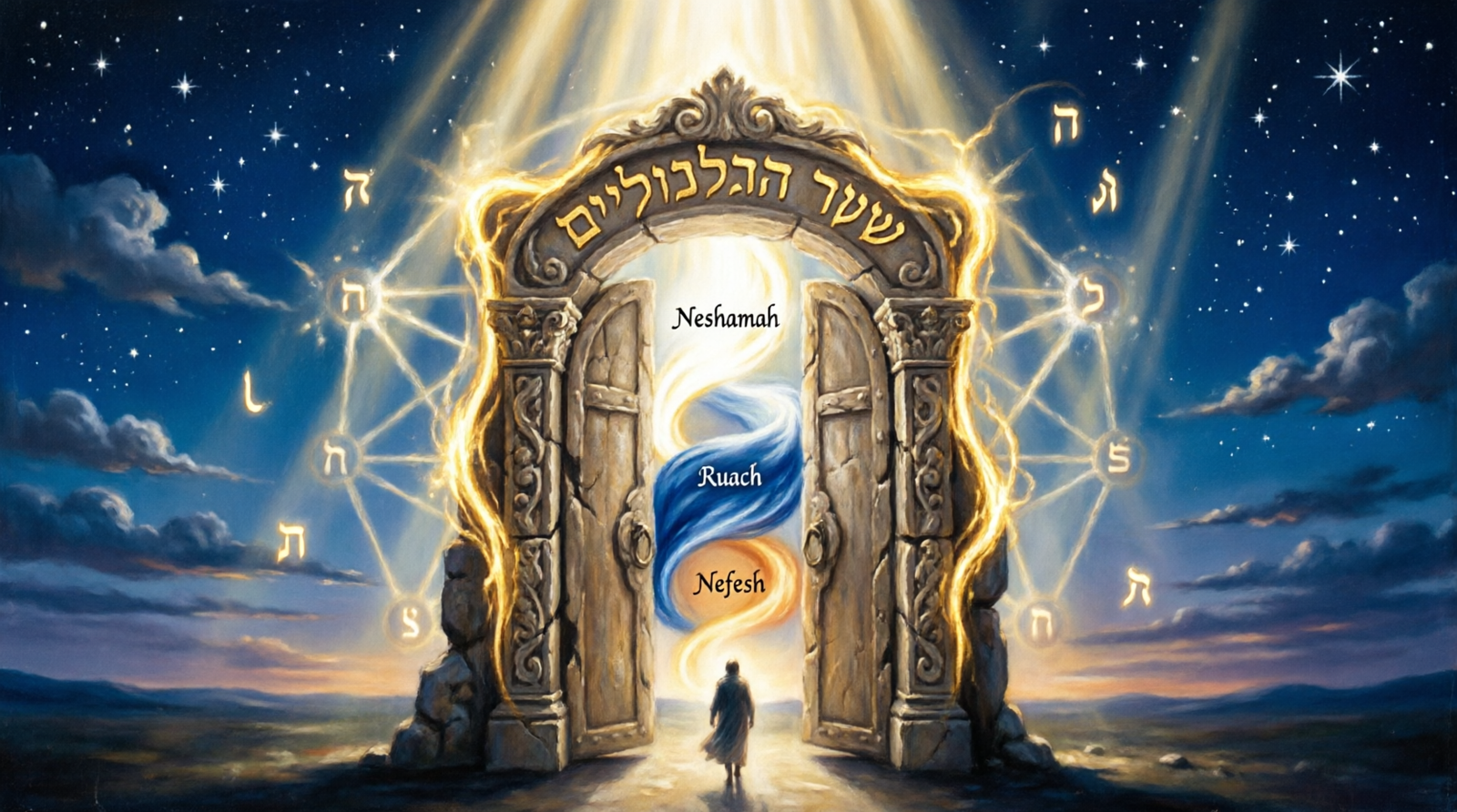
At the core of this discussion is the idea that our soul, or “Neshama,” is not just a singular entity; it comprises different layers, including the Nefesh, Ruach, and Neshamah. Think of these layers as different facets of our being—each representing varying levels of consciousness and spiritual vitality. The Arizal teaches that our journeys are not linear paths but cyclical ones, where each life we live presents new opportunities for growth and healing. The notion that we can return to this world to learn from our past mistakes provides a comforting perspective, encouraging us to see life as a series of chances to improve ourselves and deepen our understanding.
What is Double Reincarnation?
Double reincarnation takes this concept a step further. Imagine a soul that has already made significant strides in a past life—perhaps they were compassionate, generous, or spiritually aware. However, if they later engage in actions that create spiritual blemishes, they may need a little extra help in their next life to continue their journey toward rectification and healing. This is where the idea of double reincarnation comes into play.
When a soul reincarnates, it doesn’t just return as a lone entity. Instead, it may come back with a fragment of another soul, creating a kind of partnership in spiritual growth. This additional spark, or Nefesh, acts as a supportive ally, enhancing the original soul’s ability to face challenges and pursue a path of rectification. For instance, think of someone who has previously demonstrated great kindness but now struggles with feelings of anger or resentment. In their new life, the presence of this added soul fragment can help them navigate these challenges more effectively, guiding them toward healing.
The Process of Healing
The essence of rectification lies in performing mitzvot, or commandments, which serve as spiritual exercises aimed at mending the wounds caused by past misdeeds. Each act of kindness, compassion, and ethical behavior helps cleanse the Nefesh, restoring the soul’s purity. In the context of double reincarnation, the additional Nefesh becomes crucial. It provides the reincarnated individual with more profound spiritual resources, making it easier to engage in mitzvot and work toward rectification.
Imagine this dynamic as a team effort: the original soul, with its accumulated wisdom, and the new Nefesh, bringing fresh energy and perspective. Together, they create a supportive environment where the individual can confront their challenges, resist temptations, and grow spiritually. This partnership illustrates a beautiful truth about our existence: we are all connected, and our spiritual journeys are intertwined.
The Broader Implications
The implications of double reincarnation stretch beyond the individual soul. This concept invites us to think about our relationships with others and how our actions ripple through the lives of those around us. When we recognize that our struggles may be tied to a larger tapestry of interconnected souls, it inspires compassion and empathy. We begin to see that our personal challenges can also be opportunities for collective growth and healing.
Moreover, understanding double reincarnation provides a fresh perspective on life’s difficulties. Instead of viewing them solely as personal trials, we can appreciate that they may be part of a larger spiritual endeavor. This mindset encourages us to approach our struggles with humility and openness, allowing us to learn from them rather than be overwhelmed by them.
The Role of Mitzvot in Our Lives
To truly grasp the mechanics of rectification, we need to explore the role of mitzvot in this process. Performing mitzvot is not just about following rules; it’s about actively engaging in our spiritual journey. Each mitzvah we complete becomes an expression of our alignment with a higher purpose, a step toward restoring our soul’s integrity. With the support of the additional Nefesh in double reincarnation, individuals can find greater strength and motivation to fulfill these mitzvot.
Think of it this way: when we perform acts of kindness, generosity, or love, we not only elevate ourselves but also contribute to the well-being of others. Our positive actions create a ripple effect, enhancing the spiritual environment for everyone. This interconnectedness emphasizes the importance of building relationships grounded in compassion and understanding. As we navigate our own paths, we can uplift others, creating a shared journey toward spiritual elevation.
Conclusion
At its heart, the concept of double reincarnation offers a deeply human perspective on the soul’s journey. It encourages us to see our lives as part of a larger narrative, where each of us plays a vital role in the collective quest for growth and rectification. By embracing this interconnectedness, we can foster a sense of unity and shared responsibility, recognizing that our actions impact not only ourselves but also the collective consciousness.
As we move through life, let us hold onto the wisdom that our journeys are intertwined. Each challenge we face can be an opportunity for growth, not just for ourselves but for those around us. By committing to our personal development and embracing the relationships we share, we can collectively strive toward a brighter, more compassionate future, where the pursuit of spiritual perfection is a shared endeavor. This journey, filled with love, understanding, and support, is what makes our experiences so profoundly human.
The Journey of the Soul: Understanding Affer, Ruach, and Neshama in the Context of Reincarnation
The idea of reincarnation—the belief that our souls can return to Earth in new bodies—has intrigued people for centuries. It raises profound questions about who we are, where we come from, and what happens after we leave this world. In Jewish mysticism, particularly within Kabbalistic teachings, the journey of the soul is described in rich detail through the concepts of Affer, Ruach, and Neshama. These terms encapsulate different aspects of our soul and its experiences, particularly concerning the process of rectification, which is about healing and growth.
The Soul’s Components: Affer, Ruach, and Neshama
To understand this journey, it helps to break down the three components of the soul. First, there’s the **Affer**. Think of it as the life force that gives us vitality and drives us to engage with the world around us. It’s like the engine of a car, allowing us to move and experience life in all its messiness and beauty. The Affer is what keeps our bodies alive and animates our daily actions.
Next, we have the **Ruach**, which relates to our emotional and intellectual selves. Imagine the Ruach as the part of you that feels joy, sadness, love, and compassion. It’s where our thoughts, feelings, and moral decisions reside. The Ruach helps us navigate our relationships with others and shapes our character. It’s the voice in our heads that guides us in making choices, urging us to act with kindness or to stand up for what is right.
Finally, there’s the **Neshama**, regarded as the higher, spiritual essence of our being. If the Affer is the engine and the Ruach is the driver, the Neshama is the destination we are all striving for. It connects us to something greater than ourselves, to the Divine, and to our purpose in life. The Neshama is what gives us a sense of belonging and a yearning for deeper meaning.
When we die, these components of the soul don’t just vanish. Instead, they undergo a process of evaluation and separation. The Affer, having been shaped by our earthly experiences, remains tied to the original body we inhabited. This connection is essential; it signifies that our life experiences have a lasting impact on our soul. It’s as if the Affer carries the weight of our life lessons, both good and bad, into whatever comes next.
The Path of Rectification: Healing and Transformation
Now, the journey doesn’t end with death. The concept of **rectification** is central in Kabbalistic thought. It suggests that our souls have the opportunity to grow and heal even after we’ve left our physical bodies. Think of rectification as a kind of spiritual homework we must complete across our lifetimes.
If we make mistakes or harm others during our lives, it’s believed that those parts of our soul—whether it be the Nefesh (the lower aspect of the soul), the Ruach, or the Neshama—will need to be rectified. This may involve reincarnating in new bodies to learn the lessons we missed or to correct our missteps. For instance, if someone harms another, their Ruach may need to return to work through the consequences of that action.
Importantly, this process isn’t just about individual growth. It’s also about community. Kabbalistic teachings emphasize that our souls are interconnected. When one person works to rectify their soul, it can have a ripple effect, helping others in their journey toward healing. We’re all in this together, and each effort toward growth contributes to a collective elevation of souls.
The Cycle of Reincarnation: Choices Matter
In Kabbalistic thought, there’s a distinction between the righteous and the wicked when it comes to reincarnation. The righteous may find themselves reincarnated multiple times—sometimes even a thousand times—each time offering them a fresh chance to grow and rectify their souls. This idea is encouraging, reminding us that our efforts and intentions matter, and that we have the ability to change and improve over time.
On the flip side, those who commit serious wrongs may face stricter consequences. They might only be granted a limited number of opportunities to rectify their actions. This serves as a powerful reminder of the weight our choices carry. It emphasizes that our actions not only impact our lives but also the lives of those around us.
However, it’s essential to note that even if someone struggles with their rectification, there’s always hope. If they make even a small effort toward improvement, they can continue to seek redemption over countless lifetimes. It’s a testament to the belief that no soul is without potential for change and growth.
The Reunion at Resurrection: A Joyous Homecoming
The culmination of this journey occurs at the time of resurrection, where the Affer, Ruach, and Neshama come together again, reunited with the original body. Picture this moment as a beautiful homecoming, where all the parts of us—shaped by our experiences and struggles—come together in harmony. It’s not just a return to physical form; it’s a celebration of all we’ve learned and the growth we’ve achieved along the way.
In this moment of reunion, the soul can finally exclaim, “Rejoice, my Nefesh!” It encapsulates the joy of recognizing how far we’ve come and the fulfillment of our purpose. Each lesson learned, each hardship faced, and every small act of kindness contributes to this profound moment of triumph.
Conclusion: Embracing Our Journey
In essence, the journey of the soul, as articulated through the Affer, Ruach, and Neshama, provides a rich and meaningful framework for understanding our existence. It invites us to reflect on our lives, our actions, and our relationships. The process of rectification reminds us that growth is possible, regardless of our past, and that we are all interconnected in our quest for understanding and healing.
As we navigate our lives, we carry the weight of our choices and the responsibility to uplift ourselves and those around us. The journey of the soul is not just an abstract concept; it is a deeply human experience that encourages us to strive for love, compassion, and understanding in our time on Earth. In doing so, we contribute not only to our own growth but also to the greater tapestry of existence, weaving together the stories of countless souls along the way.
The Journey of the Soul: Understanding Rectification and Reincarnation in Jewish Thought
In the rich tapestry of Jewish mysticism, concepts like rectification (Tikkun) and reincarnation (Gilgul) resonate deeply, offering insights into the soul’s journey through life and beyond. These ideas are not just abstract theories; they reflect the very human experiences of struggle, growth, and redemption that we all face. This exploration seeks to shed light on what it means to rectify one’s soul, how reincarnation plays a role in our spiritual evolution, and how individuals navigate these profound concepts—especially through the story of Elisha Acher.
At the heart of Kabbalistic thought lies the belief that each soul is a divine spark, a piece of the Creator sent into the world with a unique purpose. This journey is anything but straightforward. As we navigate life’s complexities, we encounter challenges, make mistakes, and, at times, find ourselves feeling lost. The process of rectification becomes essential; it is through these trials that we can cleanse our souls, learning valuable lessons along the way, and ultimately reconnecting with our divine essence.
The soul is often viewed as being deeply connected to the physical world, particularly within the realm of Asiyah, which is fraught with challenges and obstacles (referred to as Klipas). These Klipas can represent negative influences that hinder our spiritual connection. Therefore, rectification is not just about overcoming these obstacles; it’s about understanding and embracing them as part of our journey. We can think of Tikkun as a spiritual cleaning process, allowing us to shed the weight of our missteps and emerge more aligned with our true selves.
When we look at the Torah, we see it as a guide for this journey—a roadmap for rectifying the Nefesh, or soul, which can often feel disconnected from holiness. While the higher aspects of the soul, like the Ruach (spirit) and Neshamah (higher soul), may be less affected by earthly struggles, the Nefesh is often caught in the thick of it. This raises an important question: why do some people seem to find their way back to light more quickly, while others seem to wander through many lifetimes before achieving peace?
Elisha Acher’s story beautifully illustrates these complexities. Once a respected scholar, Elisha Acher turned away from the teachings of the Torah and, in doing so, lost his way. His journey is a reminder of how easily one can stray from their path, even when armed with knowledge. Despite his fall from grace, the Talmud teaches that Elisha could not face the same punishment as others because of his deep engagement with the Torah. Instead, his path involved multiple reincarnations, each offering new chances to confront his past choices and seek redemption.
In contrast, the path of a righteous person, who may struggle less with sin, often involves a different kind of challenge. They may endure suffering in this life, but that suffering can lead to growth and spiritual cleansing. It is as if these experiences are designed to help them shed any remaining impurities, allowing them to ascend spiritually. The divine orchestrates these journeys with great care, ensuring that each soul’s unique needs for rectification are met.
The teaching of Gehinom, or purgatory, adds another layer to our understanding of this process. For some, a period of purification in Gehinom may seem preferable to the long, winding road of reincarnation. However, the divine wisdom often favors the reincarnation of those who have strayed. This approach acknowledges the potential for growth and transformation in every soul, even those who have lost their way. It’s a gentle reminder that no one is beyond redemption, and every soul has the opportunity to return to its true path.
The stories of figures like Rav Sheishes highlight how these principles manifest in real life. Rav Sheishes, a revered Talmudic scholar, faced blindness due to his past life choices. Yet, his story is one of resilience. Despite his physical limitations, he found joy in studying Torah, illustrating that spiritual fulfillment transcends physical circumstances. His heartfelt exclamation, “Rejoice, my soul!” serves as a powerful reminder of the connection between our earthly experiences and our higher purpose.
The journey of the soul is not just a series of reincarnations; it’s a dynamic process filled with opportunities for learning, growth, and transformation. Each life offers a chance to confront past mistakes and to gather the wisdom needed for spiritual elevation. It’s as if life itself is a classroom, where the lessons can be difficult but are ultimately aimed at our betterment.
In conclusion, the intricate interplay of rectification and reincarnation in Jewish thought offers us a profound understanding of our spiritual journeys. The idea of cleansing the soul through Tikkun speaks to the very human desire for growth, healing, and connection to something greater than ourselves. Through the stories of Elisha Acher, Rav Sheishes, and countless others, we see reflections of our own struggles and aspirations.
These teachings invite us to reflect on our lives, reminding us that mistakes do not define us. Instead, they are opportunities for growth and transformation. As we navigate our own journeys, we can find hope in the knowledge that every experience, every challenge we face, is part of our soul’s quest for redemption and reunion with the divine. In this grand narrative, we discover that we are all part of a shared journey—each of us seeking to rectify our pasts and embrace the potential for a brighter, more fulfilling future.