
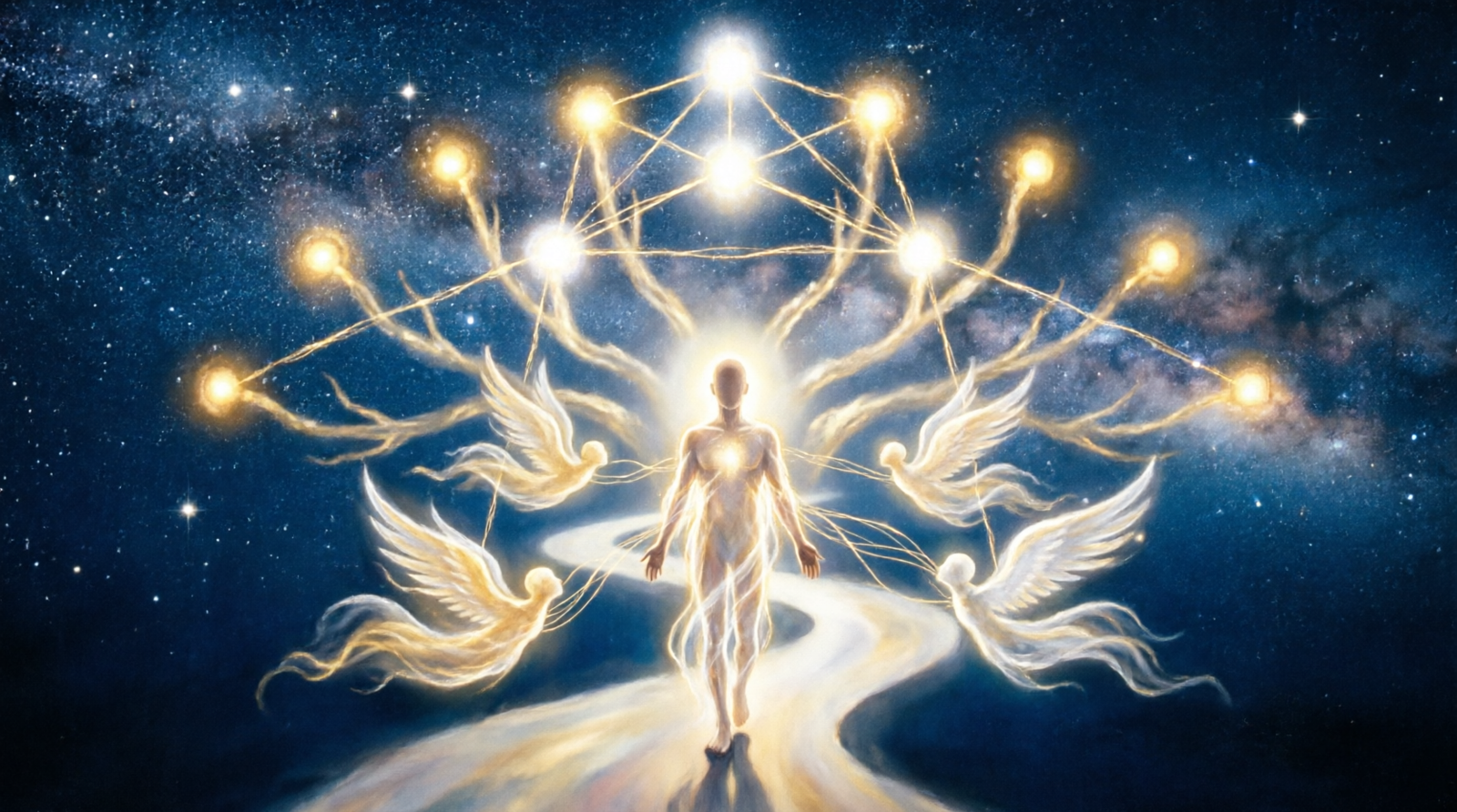
**The Journey of the Soul: Understanding Reincarnation and Ibur**
When we think about life, death, and everything in between, there’s a fascinating realm of ideas that invites us to ponder the nature of our existence—the concepts of reincarnation and ibur. These ideas, deeply rooted in Jewish mysticism and Kabbalistic traditions, offer unique perspectives on the journey of the soul and how it navigates through various lifetimes. While both concepts revolve around the soul’s enduring nature and its experiences, they each tell a different story about our spiritual journeys and the lessons we learn along the way.
Reincarnation: A Soul’s New Beginning
At its core, reincarnation is about the soul’s journey, where it takes on a new body after the previous one has passed away. Imagine a soul, filled with experiences and lessons from its past, looking for new opportunities to grow and evolve. This process isn’t just about starting over; it’s a chance for the soul to rectify mistakes, learn from challenges, and ultimately fulfill its purpose in a new life.
There are two primary ways reincarnation can unfold. The first is the more traditional path, where a single soul enters a new body at birth. This fresh start allows the soul to experience life from a new perspective, facing its own set of challenges and joys. Each life is an opportunity—a chance to learn, to grow, and perhaps to make amends for past actions. It’s like turning the page to a new chapter in a book, where the soul can explore new themes and narratives.
The second form of reincarnation is quite fascinating: it involves two souls sharing a single body at birth. This rare occurrence creates a unique partnership, where both souls experience life together, intertwining their journeys. It’s as if two friends decide to embark on an adventure, each bringing their own stories, lessons, and strengths. Together, they face life’s ups and downs, learning not only from their individual experiences but also from each other. This dynamic can bring about a deeper understanding of compassion and resilience as they navigate the complexities of life hand in hand.
Ibur: The Gift of Companionship
While reincarnation focuses on the journey of a single soul, ibur presents a different aspect of spiritual existence. Ibur refers to the phenomenon where an additional soul enters a person’s life, not to replace them, but to assist them on their spiritual journey. Think of it as a supportive friend joining you on a road trip—someone who can help you see things from a new perspective or provide guidance when you need it most.
There are two main types of ibur. The first involves a righteous soul entering a person’s body to help them complete a specific mission or task. This type of ibur is like having a mentor or guide who offers wisdom and support, helping the host soul to achieve its goals. This partnership can enhance the host’s abilities, encouraging them to rise to new spiritual heights. It’s a beautiful reminder that we don’t have to navigate life’s challenges alone; sometimes, we have help from the spiritual realm.
The second type of ibur is a bit different. Here, an additional soul enters a person’s life to assist in their spiritual growth, particularly through studying sacred texts and performing good deeds. This soul doesn’t bear the weight of the host’s experiences in the same way. Instead, it serves as a beacon of inspiration, encouraging the host to pursue their spiritual journey with renewed vigor. It’s a gentle nudge, reminding us that we can all benefit from a little extra support as we strive to become better versions of ourselves.
The Interconnection of Souls
What’s truly fascinating is how reincarnation and ibur can intertwine in our lives. Imagine a scenario where multiple souls coexist within one body, creating a rich tapestry of shared experiences. Sometimes, we might find ourselves not just living our own life but also carrying echoes of others’ journeys. This complexity reflects the interconnectedness of all souls—how our paths can cross and intertwine in ways that shape who we are.
Both reincarnation and ibur remind us of the importance of community and connection. They highlight that, as we walk our individual paths, we are part of a larger spiritual journey that encompasses many souls. Recognizing this can foster compassion and empathy toward others, as we understand that everyone is navigating their own challenges and learning from their past experiences.
Reflecting on Our Journey
As we reflect on these concepts, we begin to see the beauty in life’s mysteries. Reincarnation teaches us that life is a continuous journey, filled with opportunities for growth and healing. It encourages us to embrace our experiences, knowing that each one contributes to our spiritual development. Ibur, on the other hand, reminds us of the support and guidance available to us, often when we least expect it.
In a world that can sometimes feel isolating, understanding these spiritual phenomena can provide comfort and a sense of belonging. They invite us to explore our relationships with others, to seek support, and to offer our own guidance to those on similar paths. Life is not just about individual journeys; it’s about how we come together, learn from each other, and help one another grow.
Conclusion: A Collective Spiritual Odyssey
Ultimately, the exploration of reincarnation and ibur reveals a profound understanding of the soul’s journey through life. While reincarnation represents the cycles of growth and learning across different lifetimes, ibur emphasizes the importance of companionship and support in our spiritual endeavors. Together, these concepts weave a rich narrative about existence, encouraging us to appreciate the connections that bind us all.
As we navigate our own journeys, let us carry the lessons of reincarnation and ibur in our hearts. May we embrace the opportunities for growth, seek the support of others, and recognize the threads that connect us all in this beautiful tapestry of life. In doing so, we not only deepen our understanding of our own paths but also contribute to the collective journey of humanity—a journey filled with hope, compassion, and the promise of spiritual evolution.
The Order of Ibur: A Journey of Souls and Spiritual Connection
When we think about the mysteries of life and the journey of our souls, we often find ourselves pondering the concept of reincarnation. It’s a fascinating notion that suggests our souls live through multiple lifetimes, each filled with lessons and opportunities for growth. At the heart of this idea is a lesser-known yet profound concept called **Ibur**, which describes how a higher, more advanced soul can enter the body of someone who is reincarnated to help them navigate their spiritual journey. This ancient belief, deeply rooted in Kabbalistic traditions, paints a picture of a spiritual community where souls support one another in their quest for self-improvement and enlightenment.
Understanding the Hierarchy of Souls
Imagine a grand hierarchy of souls, where each one is part of a larger family of spiritual beings. In this framework, every person’s soul is linked to ten other souls that exist on a higher plane. When we reincarnate, we might feel like the smallest fish in a vast ocean, but we carry within us the potential to connect with these higher souls. This connection is the essence of Ibur.
The process begins when a reincarnated soul recognizes its struggles and the need for growth. At this moment, the lowest of the ten higher souls—the Nefesh—can enter the individual’s being as an Ibur. This Nefesh becomes a compassionate companion, offering guidance and support to help the individual navigate life’s challenges. It’s like having a wise mentor who knows the path ahead and gently nudges you in the right direction.
As the journey unfolds, if the individual continues to strive for growth, more Nefashos can join the process, creating a rich tapestry of spiritual support. The initial Nefesh may be accompanied by additional souls, each bringing their unique insights and strengths. This collective presence transforms the individual’s experience, illuminating their path and empowering them to rise above their limitations.
The Cycle of Reincarnation
A poignant biblical verse states, “all these G-d does, three times with a man.” This suggests that during our first three lifetimes, we navigate our experiences independently, learning and evolving as we go. These early lifetimes can be viewed as foundational, where we are given the space to make mistakes and learn from them without external guidance.
However, if after these attempts we find ourselves stuck or unfulfilled, a significant shift occurs. At this point, the soul can no longer travel alone. Instead, it welcomes the assistance of a higher Nefesh into its journey. This moment signifies a deep acknowledgment of our limitations and the acceptance of help from those who have walked the path before us. It highlights a fundamental truth: spiritual growth is rarely a solitary journey; it often requires the wisdom and support of others.
The Nature of the Soul and Its Splits
Kabbalistic teachings introduce us to the multifaceted nature of the soul, which is not a singular entity but rather a collection of parts and sparks. These fragments weave together to create the unique essence of each soul. The process of resurrection ties into this idea, as it suggests that each body will reclaim its portion of the soul, reflecting the lessons learned and the growth achieved over various lifetimes.
Another intriguing aspect of the soul is the concept of **soul exchange**. Picture a scenario where a soul may temporarily step back from an individual due to overwhelming emotions or stress. In such cases, another Nefesh might take its place, demonstrating the fluid nature of our spiritual essence. This exchange can occur in times of trauma or enlightenment, showing that our souls are capable of evolving through both trials and triumphs.
Interestingly, even a righteous person can experience a shift in their spiritual essence. This serves as a reminder that spiritual attainment is not a permanent state; rather, it requires continuous effort and vigilance. The narrative of the soul’s journey is dynamic, where various Nefashos influence our character and decisions, shaping our spiritual destiny.
The Purpose and Implications of Ibur
The Order of Ibur serves as a vital mechanism for spiritual evolution. It allows souls to rectify past mistakes and move closer to divine alignment. It reflects a profound compassion within the spiritual hierarchy, where advanced souls willingly descend to guide those who are struggling. This dynamic reveals a beautiful truth: just as we seek to uplift ourselves, there are higher souls eager to lend a helping hand.
The implications of Ibur extend far beyond the individual soul; they resonate through the collective experience of humanity. When one person commits to their spiritual growth, it can create a ripple effect that uplifts others. The interconnectedness of souls signifies that we are not alone in our journeys; we share a collective responsibility to support one another in our quests for improvement.
Moreover, the Order of Ibur underscores the importance of community in spiritual growth. It invites us to recognize that our personal journeys are intertwined with the journeys of others. When we strive for our own upliftment, we contribute to a larger narrative of healing and redemption, not just for ourselves but for everyone connected to us.
Conclusion
In wrapping up our exploration of the Order of Ibur, we find a rich and intricate understanding of the soul’s journey through reincarnation. This process highlights the vital role of spiritual mentorship and our interconnectedness with one another. Through Ibur, we are offered the chance to overcome our past limitations and strive toward a higher purpose.
Ultimately, the journey of the soul is one of love, compassion, and connection. It reveals that we are never truly alone; we are supported by a network of souls, both higher and lower, guiding us toward enlightenment. Embracing this reality encourages us to be more compassionate, not only toward ourselves but also toward others, as we all navigate the beautiful and complex tapestry of existence together.