Mitzvos and Rectification: A Personal Journey of the Soul’s Reincarnation
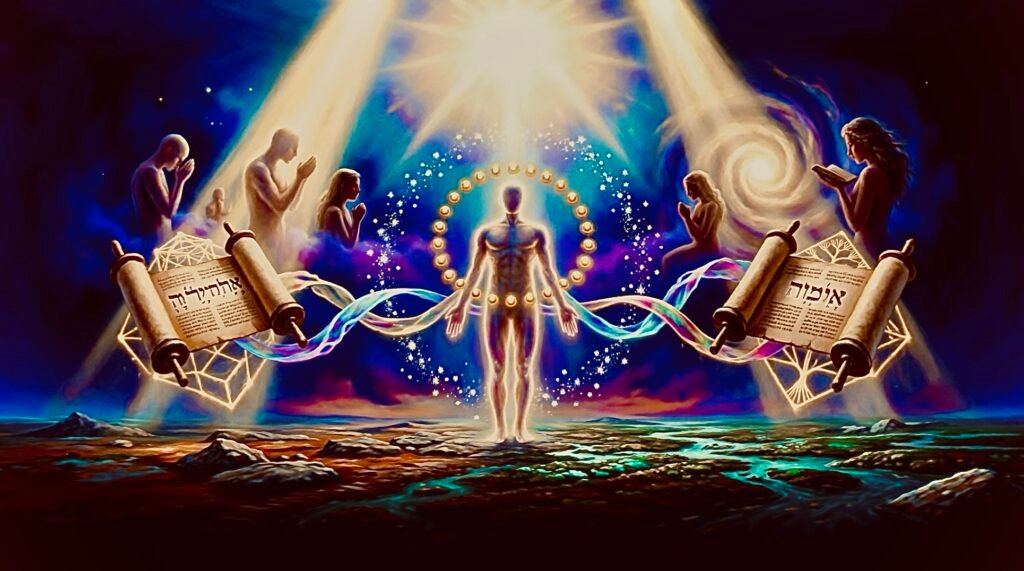
The journey of the soul is a deeply personal and transformative experience that resonates with many of us, often reflecting our struggles, aspirations, and connections to something greater than ourselves. At the heart of this journey lies the relationship between mitzvos (commandments) and the process of rectification, a concept woven into the fabric of Jewish spirituality. It’s a journey filled with meaning, purpose, and the chance for profound growth, as we navigate the complexities of life and our connection to the divine.
The Four Worlds: Understanding Our Spiritual Landscape
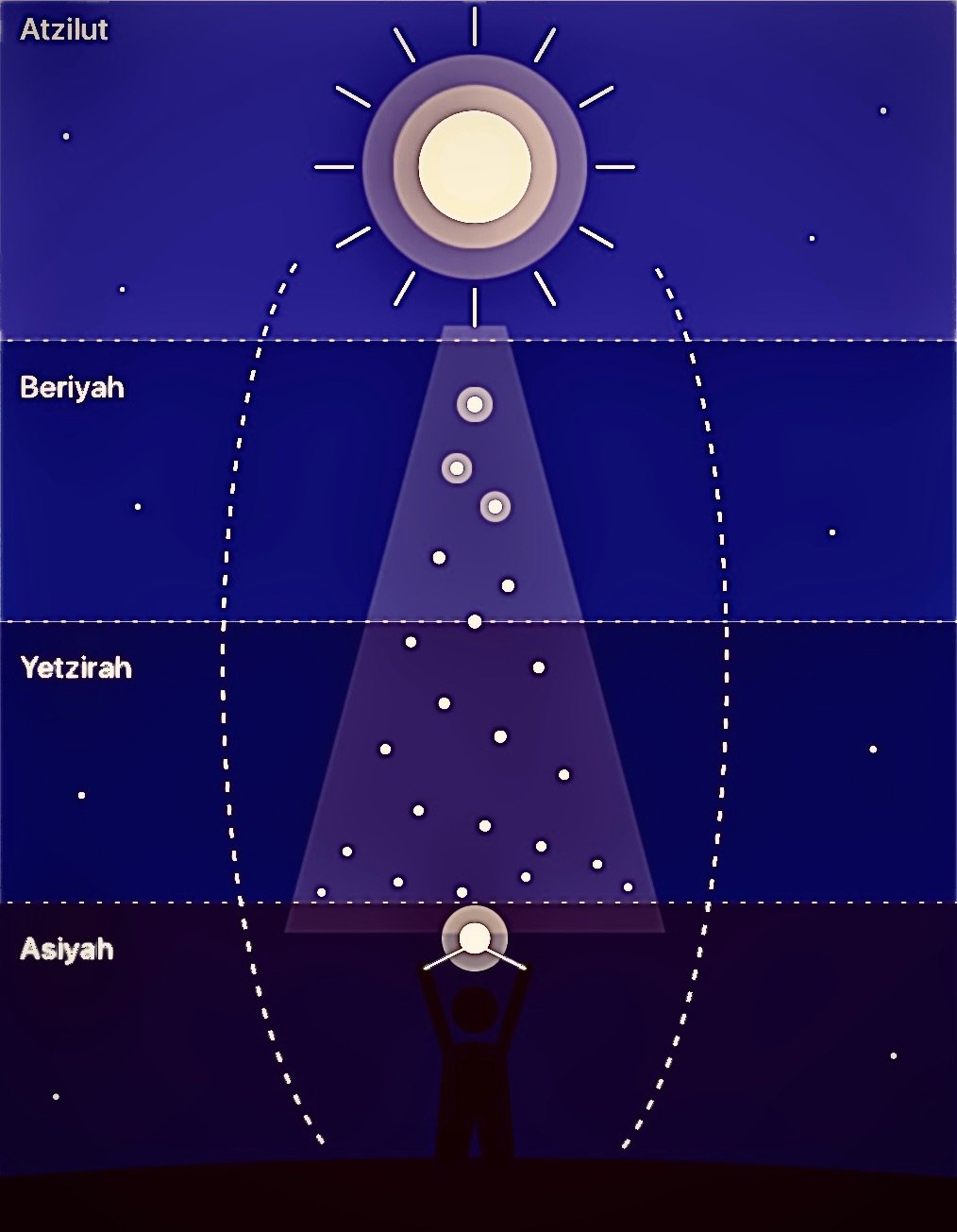
To appreciate this journey, we can look at the Kabbalistic idea of the four worlds: Atzilut (Emanation), Beriyah (Creation), Yetzirah (Formation), and Asiyah (Action). Each of these worlds represents different levels of existence, almost like layers of reality, where our souls evolve. Imagine Atzilut as the highest realm, where divine energy flows freely, and our souls originate with a deep connection to G-d. As we move down through Beriyah, Yetzirah, and Asiyah, our souls experience life in increasingly tangible and complex ways.
Think of it this way: Atzilut is like the source of a beautiful waterfall, where the water is pure and untainted. As the water flows down through the other worlds, it encounters obstacles, changes, and impurities, making its journey more complicated. Each world brings its own challenges and lessons that shape our souls and influence our spiritual growth.
The Levels of the Soul: Embracing Our Inner Complexity
Within this spiritual framework, the soul is divided into five levels: Yechidah, Chayah, Neshamah, Ruach, and Nefesh. Each level reflects a different aspect of our being, from the highest, most transcendent experiences to the more grounded, everyday realities we encounter. Yechidah is that rare, pure connection to the divine, while Nefesh is rooted in our physical existence, dealing with our emotions and desires.
This structure helps us understand the multifaceted nature of our souls. Each of us carries within us various dimensions of our spiritual identity, shaped by our experiences, choices, and the challenges we face. As we navigate life, we are constantly balancing these levels, striving to align our actions with our higher selves. This journey is not always easy; it often requires introspection, self-awareness, and a commitment to growth.
The Concept of Rectification: Healing Our Souls
At the core of this journey is the idea of rectification, or Tikkun. This principle is about healing and mending the spiritual wounds that we accumulate throughout our lives. Think of it as an ongoing process of self-improvement, where we strive to become better versions of ourselves through the observance of mitzvos.
Mitzvos are not just obligations; they are sacred opportunities for connection and transformation. Each commandment carries the potential to elevate our souls, helping us heal the fractures that life experiences may have created. When we perform mitzvos with sincerity and intention, we engage in a spiritual practice that fosters growth and deepens our connection to the divine.
This process of rectification is a reminder that we are all works in progress. As we strive to fulfill our mitzvos, we learn to recognize our limitations, embrace our imperfections, and make conscious choices that align with our spiritual aspirations. Each small act of kindness, each moment of gratitude, and each commitment to a mitzvah contributes to our ongoing journey of healing.
The Cycle of Reincarnation: Embracing New Beginnings
Reincarnation, or Gilgul, adds another layer to our understanding of the soul’s journey. In Jewish mysticism, the belief is that our souls return to the physical realm multiple times, each time with the opportunity to learn, grow, and rectify past mistakes. This cycle emphasizes that life is not a linear path but a series of chances to evolve and fulfill our divine purpose.
Imagine each lifetime as a chapter in a book filled with lessons, challenges, and triumphs. As we encounter new experiences, we bring with us the wisdom and insights from our previous chapters, influencing how we approach our current lives. This idea encourages us to live intentionally, knowing that our actions today can impact not only our present but also our future incarnations.
Reincarnation reinforces the notion that we are never truly alone in our journey. Each of us is connected to a greater community and a shared spiritual journey. Our mitzvos contribute to the collective fabric of humanity, creating a web of divine service that uplifts us all. By honoring our responsibilities to each other and to ourselves, we participate in a larger narrative of growth and healing.
The Interplay of Mitzvos, Rectification, and Reincarnation
Understanding the relationship between mitzvos, rectification, and reincarnation is like putting together a beautiful puzzle. Each mitzvah we observe acts as a piece that helps us mend our souls and reconnect with our divine origins. This interplay invites us to engage fully in our lives, to embrace our challenges, and to recognize the potential for growth in every experience.
As we perform mitzvos, we create a bridge between our earthly existence and our divine purpose. Every act of kindness, every moment of prayer, and every commitment to doing good helps us not only in our current life but also contributes to the rectification of our soul over time. It’s a reminder that our everyday choices hold immense significance in the grand tapestry of existence.
Conclusion: A Journey Towards Divine Connection
In conclusion, the journey of the soul is a deeply personal and transformative experience that invites us to reflect on our lives and our connection to the divine. Through the observance of mitzvos, we engage in a sacred practice that not only rectifies our souls but also enriches our understanding of ourselves and our place in the world. Each mitzvah we embrace becomes a stepping stone on our path toward healing, growth, and ultimately, a return to unity with the divine.
By viewing our lives through this lens, we can approach each day with intention, recognizing that we are part of a much larger narrative. Our individual journeys contribute to a collective quest for meaning, purpose, and spiritual fulfillment. As we navigate the complexities of life, let us embrace the opportunity to grow, heal, and connect with the divine through the beautiful practice of mitzvos, allowing our souls to rise and shine in their true essence.
The Journey of the Soul: Understanding the 613 Sparks and Their Meaning
When we think about the essence of who we are, we often find ourselves grappling with the complexities of the human soul. In Kabbalah, a mystical branch of Jewish thought, the soul is seen as a multi-layered entity, rich with divine energy and purpose. One of the most fascinating ideas in Kabbalistic teachings is the concept that there are 613 main sparks of the soul, which branch out into 600,000 smaller sparks. This exploration of the soul not only helps us understand ourselves better but also illuminates our place in the grand tapestry of existence.
The First Human: Adam HaRishon
At the heart of this discussion is Adam HaRishon, often referred to as the first man. But he is more than just a figure from ancient texts; Adam represents the essence of humanity itself. Picture him as a living embodiment of every potential that exists within us. According to Kabbalistic thought, Adam contains within him all 613 main sparks of the soul, which symbolize various divine attributes and potentials that we all carry within us.
When we consider Adam, we see a figure who connects us to the very beginnings of human existence. He isn’t just a distant ancestor; he serves as a mirror reflecting our own struggles, aspirations, and divine potential. From Adam, the lineage of humanity unfolds, leading us to the patriarchs—Avraham, Yitzchak, and Ya’akov—who each represent different qualities that guide us in our spiritual journeys. Avraham embodies kindness, Yitzchak stands for strength, and Ya’akov represents truth. These traits are not just historical characteristics; they are blueprints for how we can live our lives.
The Twelve Tribes: Unity in Diversity
As we progress from Adam to the twelve tribes of Israel, we witness a remarkable diversity. Each tribe has its own unique identity and spiritual attributes, much like the different personalities we encounter in our daily lives. These tribes symbolize the many facets of humanity, reminding us that we are all part of a larger community.
From these twelve tribes, a further division occurs, leading to the concept of 70 souls—each representing a different aspect of the human experience. These 70 souls highlight the richness of our spiritual landscape, showing us that there is no singular way to connect to the divine. We all have our own paths, and each path is equally valid and necessary for the fulfillment of a greater purpose.
The 600,000 Small Sparks: Our Shared Humanity
Now, let’s delve into the staggering figure of 600,000 small sparks. On the surface, this number might seem overwhelming, but it speaks volumes about the diversity of human souls. Each spark represents a unique individual, a story, and a journey. While we may feel like just one of many, each of us carries a part of that divine light, contributing to the collective experience of humanity.
These small sparks are not just about numbers; they are reminders of our interconnectedness. Think of a vast tapestry where every thread is essential to the overall design. Each of us plays a unique role in this grand creation, whether we are scholars, everyday workers, or those who may feel lost. Everyone has a role to play in the cosmic dance of existence.
The Role of the 70 Small Roots
The 70 small roots, which branch from Adam’s left shoulder, serve as conduits for this divine energy. Each root symbolizes a pathway through which divine light can manifest in the world. The left shoulder represents action, reminding us that it’s through our deeds that we can elevate our own souls and those around us.
These small roots embody the idea that spiritual growth is not limited to a select few. Each of us, regardless of our background or level of knowledge, has the potential to contribute to the greater good. When we engage in acts of kindness, compassion, and spiritual practice, we are uplifting not only ourselves but also those around us.
Our Journey of Completion
The journey of the soul is one of growth, learning, and ultimately, completion. In Kabbalistic thought, an individual is not truly complete until they have ascended to the highest level of divine consciousness. This process is not a solitary endeavor; it is a shared journey where each person’s progress helps to uplift the whole community.
As we navigate our lives, we encounter various challenges and opportunities for growth. The idea of latching onto different realms of existence reminds us that spiritual evolution is ongoing. Each act of love, kindness, and learning brings us closer to that divine unity we all seek.
Mitzvot and Torah Study: The Path of Connection
Central to this journey are the mitzvot (commandments) and the study of Torah, which serve as our guiding principles. Engaging in these practices connects us not only to our own souls but also to the larger community. When we perform a mitzvah, we are participating in something far greater than ourselves. We are contributing to the collective elevation of all sparks, creating a ripple effect of goodness that resonates throughout the world.
This sacred practice is not just about following rules; it is about fostering a deep connection to the divine and to each other. Each moment spent studying sacred texts or performing acts of kindness strengthens the spiritual fabric of our community.
Embracing Our Shared Journey
In conclusion, the exploration of the 613 main sparks and their 600,000 smaller counterparts invites us to reflect on our own journeys. We are all part of a greater narrative, intricately woven together through shared experiences, struggles, and triumphs. Each of us, like a unique spark, contributes to the vibrant tapestry of humanity.
As we engage in our daily lives, let us remember the divine potential that resides within us and those around us. Embrace the journey of growth, connection, and uplifting one another. In doing so, we not only honor our own souls but also the collective spirit of humanity, illuminating the world with our shared light.
**The Journey of the Soul: Understanding Blemishes and the Path to Healing**
Think about your life for a moment. Every day, we make choices—some big, some small—that shape who we are. In this vast journey of existence, the ideas of sin, blemishes, and healing play a significant role in our spiritual growth. Each misstep, or what some might call a “sin,” doesn’t just affect us in isolation; it creates ripples that influence our very being and even the world around us. This exploration aims to shed light on how these concepts interweave with our lives, emphasizing the importance of understanding our actions and seeking a path to healing.
To start, let’s picture the soul as a beautiful, intricate piece of artwork—a masterpiece that can get marred by our actions. Each time we stray from our values or make a poor choice, it’s like leaving a smudge on that artwork. These blemishes, caused by our transgressions, are not just superficial; they impact the core of who we are. Imagine the left heel of your foot, representing one of the lower aspects of your being, much like the realm of action in our lives. It’s here, in our everyday actions, that the consequences of our choices are most evident. When we stray from our principles, we not only affect ourselves but also the connections we share with others. Each of us is like a spark of light, intertwined with the sparks of those around us, creating a beautiful tapestry of existence.
As we think about healing or rectification, it’s crucial to recognize that it isn’t merely a personal endeavor; it’s a shared journey. The process of making amends for our missteps, often referred to as atonement, begins with the Nefesh—the most basic aspect of our soul. It serves as a foundation for our spiritual growth. To heal and move forward, we can engage in positive actions—like kindness and compassion—often referred to as the “good deeds” we are encouraged to pursue. Each good deed acts like a brushstroke on our artwork, helping to restore its beauty and integrity. This isn’t simply about erasing past mistakes; it’s about actively transforming ourselves into better versions of who we can be.
However, the road to healing is not always straightforward. It requires genuine introspection and a willingness to confront our flaws. It’s not just about performing good deeds; it’s about understanding the “why” behind our actions. Why do we choose to be kind? Why do we sometimes falter? This kind of self-reflection can be uncomfortable but is essential for true growth. The idea of reincarnation adds another layer to this journey, suggesting that our souls might return to fulfill the lessons we didn’t grasp in previous lives. This realization emphasizes the importance of every choice we make—not just for ourselves but for our future selves and the legacy we leave behind.
Moreover, the commandments we follow can vary in significance depending on our circumstances. Some might be universally applicable, while others may resonate more deeply with particular individuals or situations. This personalized approach to spirituality reminds us that our journeys are unique, shaped by our experiences and choices. The understanding that we might return to fulfill our spiritual obligations encourages us to take our roles seriously. Our actions today can have lasting impacts, not just in this life, but in those that follow.
The effects of our choices extend beyond our personal lives; they reach into our communities and the world around us. When we make mistakes, they can ripple through the shared experiences of those around us. This interconnectedness emphasizes the need for collective healing. We each play a role in nurturing the spiritual well-being of our communities. Through acts of kindness, shared prayers, and communal support, we can help mend the spiritual fabric that binds us all together.
The path to healing often involves facing our inner struggles. Engaging in honest self-reflection requires courage, as it means confronting our shortcomings head-on. The act of teshuva, or repentance, is a vital part of this process. It’s more than just feeling sorry for what we’ve done; it’s about committing to change and striving to align ourselves with a higher purpose. This journey can evoke a mix of emotions—guilt, shame, but also hope and determination. It’s about recognizing our potential for growth and striving to be better, not just for ourselves but for those we love and care about.
In addition to personal reflection, prayer and the study of sacred texts can serve as powerful tools in our healing journey. Engaging with spiritual teachings allows us to deepen our understanding and connection with the universe. This connection can provide guidance, help us navigate our challenges, and strengthen our sense of belonging within the larger human experience.
Ultimately, the journey toward healing and spiritual growth is ongoing. It’s a path filled with ups and downs, where each step forward represents our resilience and commitment to becoming better individuals. Acknowledging that we are not alone in our struggles is vital. We are all part of a larger story, interconnected with one another, each of us contributing to the collective human experience.
In conclusion, the concepts of sin, blemishes, and healing reveal the depth of our human experience. Each mistake we make serves as a reminder of our imperfections and the potential for transformation that lies within us. The intricate relationship between our actions and the broader community underscores the importance of taking responsibility for our choices. The pursuit of healing is not just about personal redemption; it’s about fostering a sense of connection and love in the world around us. By embracing this journey, we can aspire to nurture the divine sparks within ourselves and others, ultimately creating a more compassionate and harmonious existence. Let us strive for healing, embracing the challenges along the way, and, in doing so, illuminate the world with our collective light.
**The Mystical Journey of Mitzvot and Reincarnation in Jewish Life**
In the heart of Jewish spirituality lies a profound connection between the concepts of mitzvot (commandments) and reincarnation. This relationship offers a rich narrative about the soul’s journey and our responsibilities in the world. By exploring these themes, we can find not just the intricacies of religious observance but also a deeper understanding of what it means to be human within the framework of Jewish tradition.
At the core of Jewish life, mitzvot represent more than just rules to follow; they embody a relationship between individuals and the Divine. With a total of 613 mitzvot outlined in Jewish teachings, each commandment touches on different aspects of our lives, from how we treat one another to how we connect with God. When we fulfill these mitzvot, we’re not just checking boxes; we’re engaging in a sacred dialogue with our Creator. Each act of kindness, each moment of prayer, and each ethical choice serves to elevate our souls and strengthen our connection to the divine.
Jewish mysticism, particularly through the lens of Kabbalah, adds layers of meaning to our understanding of mitzvot. It categorizes these commandments into different types, each carrying its own significance and implications for our spiritual journeys. Some mitzvot are unique in that they can only be performed when certain life circumstances arise. For instance, the commandment to redeem a firstborn son, known as *pidyon haben*, is one that comes into play only during specific moments in a family’s life. When we consider this, we realize that life is full of divine opportunities, and our choices matter profoundly. If we miss these opportunities, Jewish thought suggests that our souls may need to return in future lives to fulfill these obligations, driving home the idea that our actions resonate far beyond our immediate existence.
This cyclical view of life and the responsibilities we hold can be both daunting and liberating. It reminds us that while we have obligations, we also have the chance to grow and learn from our experiences. If someone has the opportunity to perform a mitzvah but chooses not to, they may find themselves on a path of reincarnation until they can fulfill that commandment. On the other hand, if life circumstances prevent someone from acting on a mitzvah—like financial hardship or lack of support—they may not face the same consequences. This understanding reflects a compassionate view of the Divine, recognizing that life is complex and that each person’s journey is unique.
Among the mitzvot, the commandment to procreate stands out as particularly significant. The Torah instructs, “Be fruitful and multiply” (Bereshit 1:28), emphasizing the importance of family and the continuation of the Jewish people. For those who leave this world without fulfilling this commandment, the implications can be serious. The belief is that such individuals may need to reincarnate specifically to engage with this mitzvah, underscoring the sacred nature of creating life and fostering the next generation. This commandment highlights the profound human experience of connection, love, and legacy, reminding us that our lives are interwoven with those who come after us.
In Jewish mystical thought, the idea of the soul’s sparks adds an intriguing dimension to our understanding of mitzvot. Each time we perform a commandment, we gather spiritual merit that influences our soul’s journey. When we pass away, the various aspects of our soul—often referred to as sparks—enter into future incarnations, shaped by the mitzvot we fulfilled or neglected. This dynamic illustrates that our choices in this life directly affect our spiritual reality in the next. Each mitzvah becomes a vessel for growth, enabling our souls to ascend and reach new heights as we navigate the complexities of life.
However, the obligation to fulfill mitzvot comes with its own set of challenges. Jewish teachings remind us that while all mitzvot are important, some carry greater weight in terms of our spiritual development. For example, certain prohibitions—negative mitzvot—can lead to serious consequences if neglected. The journey of atonement becomes essential here, as we learn that some missteps require sincere repentance and transformation. This underscores the seriousness of our actions and the importance of taking responsibility for our choices.
As we reflect on the concept of reincarnation, it becomes clear that Jewish mysticism presents a vision of life as an ongoing journey filled with opportunities for growth. Each incarnation allows us to address past mistakes, fulfill our obligations, and strive for deeper connections with both ourselves and others. This belief instills hope and motivation, reminding us that our lives are not merely a series of random events but rather a sacred mission to elevate ourselves and the world around us.
Ultimately, the intertwining of mitzvot and reincarnation in Jewish thought offers a profound lens through which to view our existence. It invites us to ask ourselves: How are we living out our obligations? Are we recognizing the opportunities that life presents? Each moment is a chance to engage more deeply with our traditions and to connect with the Divine in meaningful ways. As we navigate our journeys, may we find inspiration in the mitzvot that guide us and the wisdom that teaches us about the beauty of our souls’ evolution.
The Journey of the Nefesh: Understanding Our Souls Through Struggle and Redemption
At the very core of our existence lies the concept of the Nefesh, often described as the “lower soul.” This intimate part of us is intertwined with our emotions, actions, and the way we connect with the world around us. Within Jewish mysticism, particularly Kabbalah, the Nefesh offers us a lens through which we can understand our spiritual journey, highlighting the challenges we face and the redemption we seek. In this essay, we’ll explore how our missteps impact the Nefesh, the concept of reincarnation, and the ways we can heal and elevate our souls.
The Weight of Our Choices
When we think about transgressions—those moments when we stray from our moral compass—it’s essential to recognize their weight. According to Jewish tradition, some sins are so grave that they can cut us off from the divine, leaving the Nefesh in a state of despair. A passage from the Talmud reminds us that certain actions can lead to profound spiritual consequences, suggesting that our choices echo in the afterlife.
Imagine standing at a crossroads, where every decision you make not only shapes your life but also affects your soul’s journey. Each misstep might feel like a heavy stone added to your backpack, making the climb toward spiritual fulfillment increasingly difficult. This understanding can create a sense of urgency; it’s a reminder that our actions matter deeply. We aren’t just living for ourselves; we are entwined in a larger narrative that connects us to the divine and to one another.
But what about the sins that don’t lead to such dire consequences? Lesser transgressions don’t destroy the Nefesh; instead, they invite us into a process of healing and growth. The idea of reincarnation plays a central role here. Picture the Nefesh as a traveler who, after making mistakes, gets the chance to start anew in a different body, learning and evolving along the way. It’s a beautiful metaphor for resilience and the opportunity to correct our past errors, even as we carry the lessons learned into our next chapter.
Weaving Our Stories Together
One of the most profound aspects of our spiritual journey is how our actions impact not just ourselves but those around us. When we lead someone astray, we don’t just harm their Nefesh; we intertwine our fates. This shared responsibility is a sobering thought—our lives are interconnected, and our choices resonate far beyond our immediate circle.
Consider the notion of “Arvut,” or mutual responsibility, which teaches that each person’s journey affects the community. If one individual falters, it can create ripples that affect us all. This interconnectedness is a call to action, reminding us that we have the power to uplift or diminish the souls around us. In this way, our spiritual journeys become communal experiences, where each of us plays a part in nurturing or hindering the collective growth.
Imagine being part of a community that fosters ethical behavior and moral courage. In such an environment, it becomes easier for individuals to make positive choices, creating a cycle of upliftment. On the other hand, in a community where negativity prevails, the potential for transgression increases, leading to a cycle of spiritual decline. So, it’s crucial for us to cultivate spaces that encourage growth, compassion, and accountability.
The Path to Healing
When we talk about rectifying the Nefesh, we’re really talking about healing. This journey is not just an individual endeavor; it’s a holistic one that encompasses all aspects of our lives. In Jewish thought, fulfilling the 613 mitzvot (commandments) is seen as vital for our soul’s growth. Each mitzvah corresponds to different aspects of the Nefesh, contributing to its healing and elevation.
Imagine the layers of the soul as levels in a video game. Each level presents new challenges and opportunities for growth. The Nefesh, Ruach (spirit), Neshamah (soul), Chayah (life force), and Yechidah (divine spark) each require different kinds of engagement and attention. The journey through these layers is a continuous process of learning and transformation.
For instance, the Ruach, which is tied to our speech and emotions, thrives through the study of Torah. Engaging with the teachings of our tradition helps us refine our character and align our words with our values. It’s like nurturing a garden; the more we invest time and care into our spiritual studies, the more our souls blossom.
Conversely, the Neshamah connects us to deeper, more mystical aspects of our spirituality. Engaging with the Zohar and the inner teachings of the Torah allows us to tap into divine wisdom, guiding us toward higher consciousness. The relationship between knowledge and action is vital; we must embody the lessons we learn if we wish to cultivate a richer, more fulfilling spiritual life.
A Collective Journey of Redemption
As we navigate the complexities of our lives, we come to understand that the journey of the Nefesh is one of redemption and growth. The conditions for rectification are not just individual goals; they form part of a larger collective journey. The healing of our souls requires us to engage deeply with our tradition, our community, and ourselves.
As we strive to fulfill the 248 positive mitzvot and rectify the blemishes left by our negative actions, we create a tapestry of spiritual redemption that is both personal and communal. Each act of kindness, every moment of reflection, and every commitment to ethical living contributes to the elevation of our Nefesh and the Nefesh of those around us.
In this way, the journey of the Nefesh is not a solitary one. It is a shared experience, a collective movement toward a higher purpose. We are all travelers on this path, learning from one another and growing together. As we navigate the challenges of life, let us remember our interconnectedness and strive to uplift each other on this sacred journey of the soul.
The Mystical Journey of the Nefesh: A Personal Exploration of Reincarnation in Jewish Thought
In the rich tapestry of Jewish mysticism, the concepts of the Nefesh, Ruach, and the life cycle of the soul create a fascinating narrative about our existence, the choices we make, and the spiritual journeys we undertake. This journey is not just a philosophical discussion; it is a deeply personal exploration of who we are, how our actions resonate through time, and how we can find redemption and connection with the divine. At its heart is the idea of reincarnation—a process that reflects the moral weight of our actions while offering us the chance to grow and learn throughout our lives. By exploring these ideas, we can better understand our own spiritual paths and the experiences that shape us.
Understanding the Components of the Soul
At the center of this exploration is the Nefesh, often seen as the very essence of our being—the life force that drives us. Imagine the Nefesh as the part of you that feels joy and sorrow, that craves connection with others, and that makes choices every day. It’s the part of you that wakes up in the morning, ready to face the day and engage with the world around you. This aspect of the soul is not just a passive presence; it is dynamic and responsive, shaped by our experiences, relationships, and the choices we make.
But the journey doesn’t stop there. Enter the Ruach, or spirit, which represents a higher level of consciousness. The Ruach connects us to our spiritual selves, guiding us to seek meaning and purpose beyond the everyday. Picture it as a gentle whisper that nudges you toward ethical decisions, inspires your creativity, and deepens your understanding of life’s mysteries. When the Nefesh receives the Ruach, it marks a significant moment—a moment when you become aware of your potential for spiritual growth. It’s a reminder that there is more to life than just survival; there is also a divine purpose waiting to be discovered.
Yet, with this awareness comes a heavy responsibility. Our choices can lead to spiritual blemishes that affect not only the Ruach but also the Nefesh itself. If we stray from the path of righteousness, it is often the Ruach that bears the weight of our missteps, leaving the Nefesh intact but necessitating a journey of rectification. This is where the first condition of reincarnation comes into play. It suggests that while the Nefesh is protected from further sinning after receiving the Ruach, it can still face consequences for its actions—consequences that may require it to reincarnate in a new body to learn from its past.
The First Condition of Reincarnation
In this first condition, the Nefesh is given a unique opportunity. Once it has received its Ruach, it is shielded from falling into sin, allowing it to engage fully with its divine purpose. However, if the individual makes choices that lead them away from righteousness, the repercussions can be significant. The Ruach becomes blemished, and the Nefesh may need to reincarnate into a new body to rectify those past mistakes.
This process is not merely a punishment; it is a chance for transformation. Think of it as a second chance—an opportunity to confront the lessons left unlearned in a previous life. The new body represents a fresh start, filled with challenges and opportunities for growth. Each life becomes a chapter in the soul’s story, rich with experiences that shape who we are and guide us toward spiritual fulfillment.
The Second Condition: The Weight of Transgressions
Now, let’s consider the second condition. Here, even a soul that has diligently followed the Positive Mitzvos may face reincarnation if it engages in certain transgressions. This condition emphasizes that our actions carry weight, and even minor missteps can necessitate a return to Earth in a new body. The Nefesh is given another chance to rectify its blemishes by confronting its past mistakes.
This scenario invites us to reflect on our own lives. Have you ever felt the burden of a mistake lingering in your heart? The belief in reincarnation serves as a reminder that we are not defined by our failures; instead, we have the power to learn and grow from them. The reincarnation process becomes a form of divine mercy, allowing us to confront what we didn’t get right and strive to do better in our next life.
The Third Condition: A Path to Redemption
In the third category, we encounter a different kind of journey. Here, the Nefesh may not have completed all the Positive Mitzvos but has remained free of significant blemishes. In this case, the entire Nefesh reincarnates into a new body, allowing it to fulfill its unfinished business. This reincarnation is not a punishment but rather an opportunity for growth, a chance to explore the tasks that remain.
Imagine the Nefesh as a traveler who has set out on a journey but has not yet reached their destination. This new life offers the tools to confront past omissions, encouraging the soul to take on new challenges and fulfill its divine purpose. Each step becomes a lesson, each relationship a chance for deeper understanding, and each experience a building block for spiritual growth.
The Fourth Condition: The Concept of Double Reincarnation
Finally, let’s explore the fourth condition, which introduces a fascinating concept: Double Reincarnation. In this scenario, the Nefesh may have completed all Positive Mitzvos but still incurred a blemish through a minor sin. This situation leads to a unique process where the Nefesh enters a new body while maintaining ties to the original form. The journey becomes a complex dance of learning and growth, where past experiences inform present challenges.
This idea illustrates that our spiritual journeys are interconnected across lifetimes. The Nefesh is given the chance to correct its course while still holding onto the wisdom gained from previous lives. It’s like revisiting a favorite book, where you discover new layers of meaning with each reading. The process of reincarnation becomes a continuous cycle of learning, growth, and redemption—a testament to the enduring spirit of the soul.
Conclusion: A Personal Reflection
As we navigate our own lives, the concepts of the Nefesh, Ruach, and reincarnation serve as powerful reminders of our potential for growth and transformation. Each of us is on a unique journey, shaped by our choices, experiences, and relationships. The belief in reincarnation invites us to reflect on our actions, to learn from our mistakes, and to strive for a deeper connection with the divine.
In embracing this mystical journey, we can find solace in knowing that our lives are not just a series of disconnected events but rather a continuous path toward spiritual fulfillment. As we engage with the world around us, let us remember the importance of kindness, compassion, and ethical living. After all, every action echoes in the fabric of our existence, shaping not only our own journey but also the journeys of those we encounter along the way.