

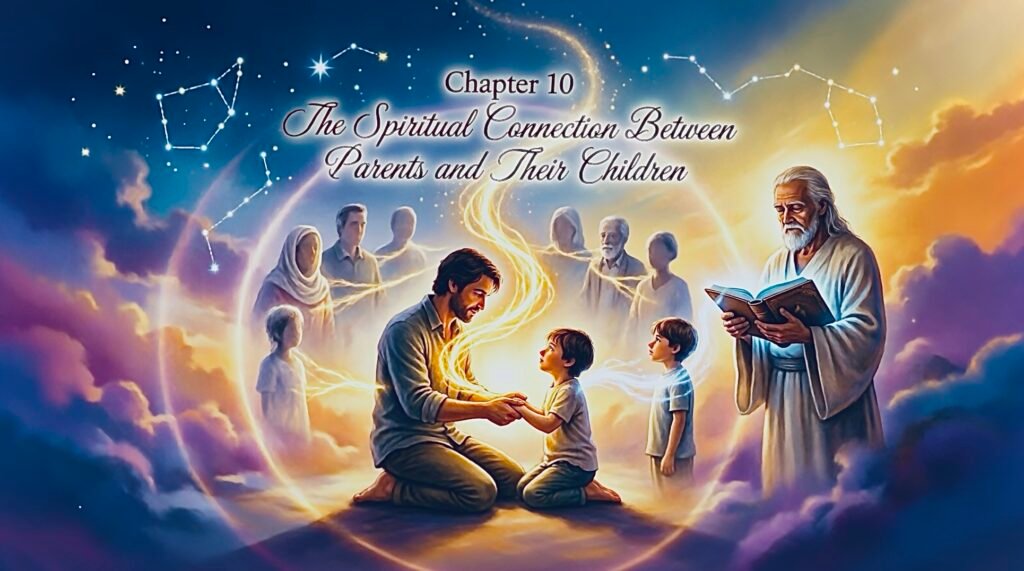
The Spiritual Connection Between Parents and Their Children: A Heartfelt Exploration
The bond between parents and their children is one of the most profound relationships in human life. It goes beyond mere biological ties, diving deep into the spiritual dimensions of our existence and the essence of who we are as individuals. This exploration aims to illuminate the nature of fatherhood, the roles of parents, and the intricate ties between teachers and their students. Ultimately, it reveals the spiritual implications of these relationships and their impact on future generations.
The Nature of Fatherhood
When a man becomes a father, he embarks on a journey that is both sacred and transformative. This isn’t just about contributing to a child’s physical existence; it’s about entering into a profound spiritual exchange that can reverberate throughout time. Whether he marries his soulmate or partners with someone with whom he lacks a deep connection, the essence of fatherhood remains unchanged. A father imparts a piece of his soul to each child, acting as a guiding light that shapes their spiritual journey.
Imagine the bond between a father and son like layers of an onion. At the core lie the higher spiritual aspects of the soul, while the outer layers represent earthly experiences and struggles. As the child grows, navigating through life’s complexities, he carries within him a fragment of his father’s essence—a guiding spirit that remains intact even after physical separation. This connection serves as a beacon of light, illuminating the path for the child, especially in moments of uncertainty.
However, the relationship can become even more profound. If a father and son are spiritually aligned, sharing a close connection, they become inseparable in a unique way, transcending ordinary understanding. This unity creates a bond that supports their spiritual growth, allowing both to nurture each other in a cycle of love, wisdom, and shared values that can be passed down through generations.
The effects of this bond extend far beyond the immediate family. A father’s values and beliefs can ripple through society, influencing not just his children but future generations as well. In a world often marked by division and disconnection, the enduring legacy of a father’s love can serve as a foundation for community and continuity, shaping moral landscapes that define the lives of many.
The Teacher-Student Relationship
Just as significant is the bond between a teacher and a student, which often mirrors the father-son relationship in its depth and importance. A teacher, in many ways, acts like a father figure, imparting wisdom and nurturing the spirit of the student. This connection is profoundly transformative, as the teacher’s spirit becomes intertwined with that of the student, creating a bond that transcends time and space.
Think of the classroom as a sacred space where knowledge and spirituality converge. When a teacher shares wisdom, it’s not just about the information being conveyed; it’s about the energy and passion that flows between them. This relationship is rooted in love, guidance, and an unwavering commitment to each other’s growth. A teacher does more than instruct; they inspire, challenge, and encourage their students to reach for their highest potential.
If a teacher is also a father, the relationship becomes even richer. The student benefits from a dual influence: the nurturing warmth of a father and the enlightening guidance of a teacher. This unique relationship fosters an environment where the student can thrive, drawing from the deep well of wisdom that comes from both parental love and educational rigor.
When the spiritual connection between a teacher and a student is strong, it can create an unbreakable bond. This allows the teacher’s wisdom to light the way for the student, guiding them not only in academics but in life itself. The impact of this bond can extend far beyond the classroom, influencing the student’s relationships, choices, and ultimately, the kind of person they become.
Moreover, the teacher-student relationship serves as a microcosm of society. The values imparted in the classroom can ripple outward, affecting not just the student but their peers, families, and communities. In this way, teachers fulfill a vital role as spiritual guides, leading the way toward a more enlightened society. The wisdom shared in those formative years can shape leaders, thinkers, and compassionate individuals who carry forward the light of knowledge into the world.
The Spiritual Legacy of Parents
The intentions of parents during conception and throughout early life play a crucial role in shaping their children’s spiritual and moral development. When parents approach their union with love and reverence, they create a nurturing environment for their child, one filled with potential for righteousness and enlightenment. Conversely, if their intentions stem from selfishness or negativity, the child may face challenges that reflect that darkness.
Consider the dynamics of parental energy: if a father’s intentions are aligned with goodness, the child often exhibits vitality and enthusiasm for life. This is akin to the father’s spirit shining brightly within them. On the other hand, if the mother’s influence prevails, the child may struggle with lethargy or inertia, reflecting the complexities of their origins. This underscores the importance of parental intentions—not just for the child’s immediate experience but for their lifelong journey.
The spiritual legacy of parents can serve as a guiding force, shaping the choices their children make and the paths they choose. By instilling values like kindness, honesty, and compassion, parents equip their children with the tools necessary to navigate life’s challenges. The ripple effects of these teachings can be seen in the choices their children make, the relationships they cultivate, and the contributions they make to society.
Moreover, the spiritual connection between parents and children extends into future generations. The values instilled by parents can create a lineage of righteousness, fostering a culture of respect and compassion that influences countless lives. This legacy has the power to shape not just individual destinies but the moral fabric of society as a whole.
Conclusion
In conclusion, the relationships between parents and children, and between teachers and students, reach far beyond the earthly realm. They are imbued with spiritual significance, reflecting the deep interconnectedness of our souls. A father acts as a protector and guide, sharing a piece of his essence with his children and shaping their futures. Similarly, a teacher fosters growth and enlightenment, guiding students on their journeys.
These connections are not just about familial or educational ties; they are about nurturing the very fabric of our existence. They remind us that we are all part of something greater, intertwined in a shared spiritual journey that transcends time and space. By recognizing the importance of these relationships and approaching them with love and intention, we can foster a legacy of wisdom, compassion, and interconnectedness that will endure for generations to come.