
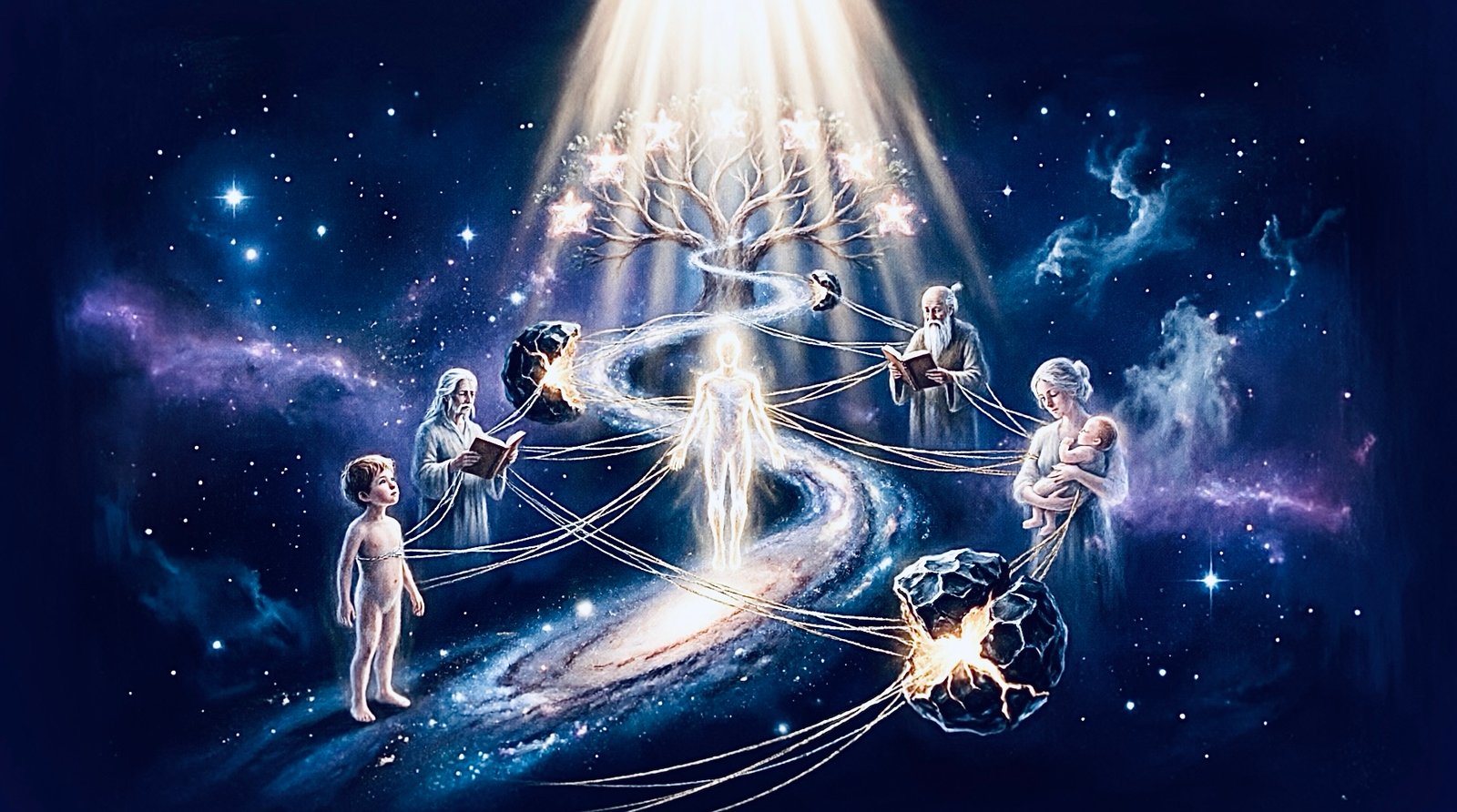
The Journey of the Soul: Understanding Reincarnation

Reincarnation is a fascinating and often deeply personal concept that has intrigued humanity for centuries. At its heart, reincarnation suggests that the soul is eternal, embarking on a journey through various lifetimes. Each life offers a unique chance for growth, learning, and transformation. This idea resonates with many people, as it provides a framework to understand our experiences, relationships, and the challenges we face.
Imagine for a moment that you are given the opportunity to return to Earth after you pass away, not as a punishment, but as a chance to learn and evolve. In many cultures, especially within Jewish thought, this belief serves as a guiding principle. The notion is that if we make mistakes in one lifetime—perhaps we hurt others or fail to uphold our values—our soul may return to rectify those mistakes. It’s almost like having a second chance in a video game; you get to play again, but this time with the wisdom gained from your previous attempts.
This idea of reincarnation isn’t just about punishment; it’s also about growth. Each life presents us with different circumstances, relationships, and challenges that shape who we are. Think about your own life—have you ever gone through a tough situation that, in hindsight, taught you something invaluable? Maybe you learned resilience, compassion, or the importance of forgiveness. In the same way, the soul’s journey through reincarnation is about learning from past mistakes and striving to become a better version of ourselves.
Another important aspect of reincarnation is the idea of fulfilling mitzvot, or commandments. In Jewish tradition, there are specific actions and ethical guidelines we are encouraged to follow. If someone didn’t fulfill their obligations in a previous life, they might return to have another opportunity to do so. This perspective encourages us to live mindfully and to recognize that our actions have lasting consequences. It’s a reminder that every small act of kindness or moral decision contributes to our spiritual journey.
Reincarnation also adds a fascinating layer to our relationships. The concept suggests that our souls might have shared experiences with others across lifetimes. Have you ever felt an instant connection with someone, as if you’ve known them forever? This could be interpreted as a connection forged in a previous life. The idea of soul mates—those deeply intertwined souls that come together in multiple lifetimes—adds depth to our understanding of love and companionship. It’s comforting to think that our connections may transcend time, weaving through the fabric of our existence.
On a broader scale, reincarnation emphasizes our interconnectedness. We’re not just isolated beings navigating our individual paths; our lives are intertwined with those around us. When we help others, we contribute to a collective journey. The belief that souls can return to assist others in their growth highlights our responsibility to one another. It invites us to support and uplift those around us, recognizing that we’re all in this together, each playing a part in the larger story of life.
However, the journey isn’t always straightforward. The concept of Klipos—spiritual barriers that obscure divine light—adds complexity to the narrative. Certain souls may find themselves trapped in these spiritual shells, unable to fully realize their potential until a future time. This can feel like a metaphor for our own struggles; sometimes we find ourselves stuck, facing obstacles that seem insurmountable. Yet, just as the belief in reincarnation suggests a path toward liberation, we too can strive to overcome our challenges and break free from what holds us back.
Ultimately, the idea of reincarnation invites us to reflect on our lives and the choices we make. It encourages us to consider how we treat others and to recognize the impact of our actions. If we understand that our lives are part of a larger cycle, we may feel a greater sense of responsibility to act with kindness and compassion.
In conclusion, reincarnation offers a rich and nuanced perspective on life. It frames our experiences as opportunities for growth and connection, emphasizing the importance of learning from our past while striving for a brighter future. As we navigate our individual journeys, we can take comfort in the idea that we are part of something much greater—a continuous cycle of learning, love, and transformation. Embracing this belief can inspire us to live more fully, to cherish our relationships, and to seek meaning in every moment, knowing that our souls are on a remarkable journey of their own.